−15%
Black Ghost Knifefish (Apteronotus albifrons)
£20.39£23.99

A sleek, nocturnal predatory featherback that needs a large aquarium, meaty foods, and carefully chosen tankmates. Difficult care, semi-aggressive. 24-30C, pH 6.0-7.5.
Adult size is the maximum length this species reaches at full maturity (scientific sources). The livestock you receive will be younger and smaller. Product-photo provenance and any image-specific limitations are stated on the listing.
Notopterus notopterus
Confirm your email, then we’ll send an availability message for this exact item if it returns within 180 days.
This request is only for this product—no newsletter or other promotions. A mail-provider retry may very rarely duplicate the same availability message. Unconfirmed addresses are removed after 48 hours. See our privacy policy.
A sleek, nocturnal predatory featherback that needs a large aquarium, meaty foods, and carefully chosen tankmates. Difficult care, semi-aggressive. 24-30C, pH 6.0-7.5.
Adult size is the maximum length this species reaches at full maturity (scientific sources). The livestock you receive will be younger and smaller. Product-photo provenance and any image-specific limitations are stated on the listing.
Maintain these water conditions for optimal health and vibrant colors
The knife fish Notopterus notopterus, commonly known as the bronze featherback, is a sleek, nocturnal predatory featherback that requires a large aquarium, meaty foods, and carefully chosen tankmates to thrive. Native to South and Southeast Asia, this species inhabits freshwater rivers, floodplains, and lakes, occasionally entering brackish water in coastal regions. Available for sale UK aquarists seeking an unusual, impressive predator will find the bronze featherback a captivating addition, though its semi-aggressive temperament, significant adult size, and specialized care requirements make it best suited to experienced fishkeepers with spacious aquaria. At 12-15cm juveniles are already substantial, and prospective keepers must plan for much larger adult sizes.
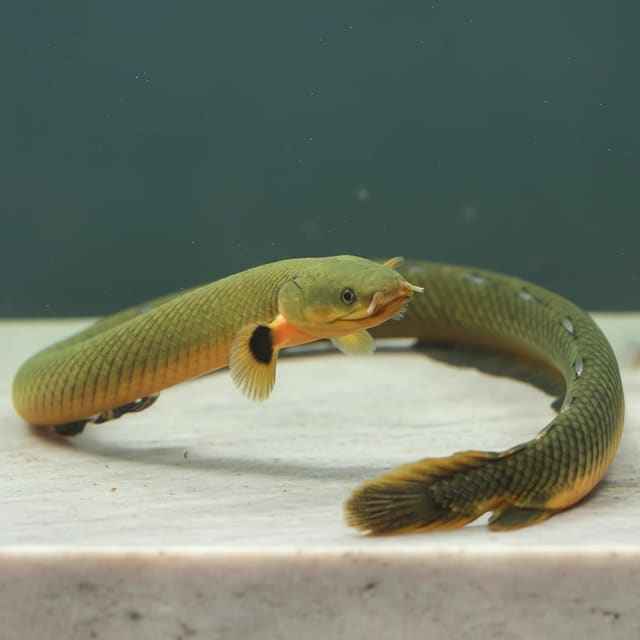
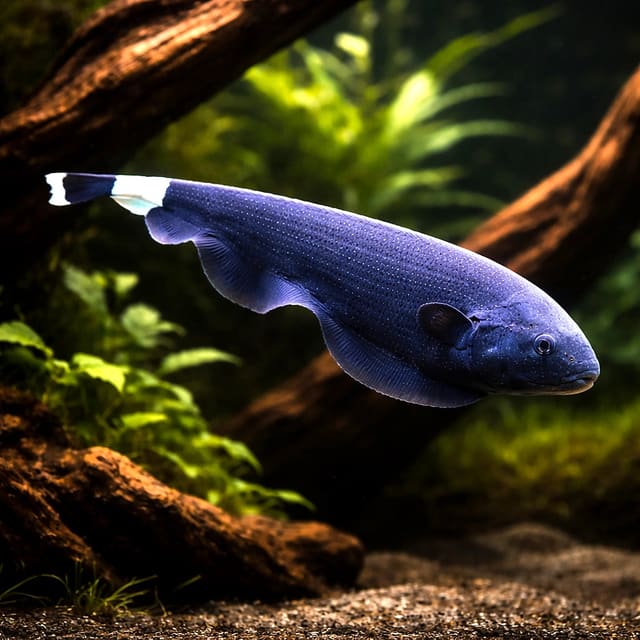
Notopterus notopterus displays a distinctive elongated, knife-like body with a long, continuous anal fin that runs from just behind the head to the tail, creating a graceful, undulating swimming motion. The body is compressed laterally and tapers to a pointed tail. Colouration ranges from bronze to olive-brown on the dorsal surface, fading to silvery-white on the ventral side. The scales have a subtle metallic sheen, and the overall appearance is sleek and predatory. The eyes are large and positioned high on the head, adapted for low-light hunting. At 12-15cm juveniles are already recognisable, and adults can exceed this size significantly in appropriate conditions.
Native to freshwater and occasionally brackish waters across South and Southeast Asia, Notopterus notopterus inhabits slow-moving rivers, floodplains, lakes, and swamps with soft substrates, submerged wood, and dense vegetation. These environments feature warm, slightly acidic to neutral water with low to moderate flow and plenty of hiding places among roots, logs, and aquatic plants. In the wild, bronze featherbacks are nocturnal predators that hunt small fish, crustaceans, and aquatic insects under cover of darkness. Recreating these conditions with subdued lighting, hiding places, and stable water chemistry supports natural behaviour and reduces stress.
Provide a minimum of 250 litres for juveniles, with significantly larger aquaria required for adults—at least 400-600 litres or more depending on final size. Use a fine sand or smooth gravel substrate and furnish the aquarium with driftwood, rocks, and caves to create hiding places and visual security. Subdued lighting or floating plants help replicate natural low-light conditions and reduce stress. Maintain efficient filtration with moderate water flow, avoiding strong currents that may stress this relatively slow-swimming species. Perform regular partial water changes to maintain excellent water quality. Ensure a secure, tight-fitting lid, as featherbacks are capable jumpers.
Notopterus notopterus is a carnivorous predator that requires a varied meaty diet. Offer high-quality sinking carnivore pellets as the staple, supplemented with frozen or live foods such as bloodworms, earthworms, shrimp, mussels, and small fish. Avoid plant-based diets, as this species requires animal protein. Feed in the evening or after lights out, as featherbacks are nocturnal and most active at night. Remove uneaten food after a few hours to maintain water quality. Avoid overfeeding, as obesity and related health issues are common in captive knife fish. A balanced, protein-rich diet supports healthy growth and vibrant condition.
Bronze featherbacks are semi-aggressive, solitary, and primarily nocturnal. During daylight hours, they rest among décor or in caves, becoming active at dusk and through the night to hunt and explore. They swim using elegant, wave-like undulations of the anal fin, maintaining a nearly horizontal posture. Notopterus notopterus is a powerful predator and will consume any tankmate small enough to fit in its mouth. It is territorial and may display aggression towards other knife fish or similarly shaped species. Provide plenty of hiding places to reduce stress and allow the fish to retreat during daylight hours.
Compatible with peaceful fish of similar size that will not be eaten, such as large barbs, silver dollars, large gouramis, and robust, non-aggressive community fish. Other similarly sized, non-territorial fish may coexist if the aquarium is spacious and well-structured. Avoid small fish, shrimp, snails, slow or long-finned fish such as angelfish or bettas, and aggressive fin-nippers. Other knife fish or similarly shaped species may trigger territorial aggression. Choose tankmates that occupy different areas of the aquarium and are too large to be considered prey. Careful observation is essential, and be prepared to separate if aggression occurs.
Breeding in aquaria is uncommon and poorly documented. In nature, Notopterus notopterus likely spawns seasonally in flooded habitats, and successful reproduction in captivity would require very large quarters, carefully matched pairs, and environmental triggers such as temperature and water level changes. There is limited information available on successful home breeding, and most aquarists keep this species for display rather than reproduction. Dedicated enthusiasts with appropriate facilities, extensive experience, and thorough research may achieve success.
This species grows much larger than the 12-15cm juvenile size commonly offered for sale, so prospective keepers must plan for a very large aquarium and long-term commitment. Provide a secure lid to prevent jumping, especially during acclimation or disturbances. Maintain excellent water quality with regular partial water changes and efficient filtration. Avoid sudden movements or loud noises near the aquarium, as featherbacks are sensitive to disturbance. Feed a varied carnivorous diet and monitor body condition to prevent obesity. This species is best suited to experienced aquarists with large aquaria and the resources to accommodate a substantial, long-lived predatory fish.
Tropical Fish Co is a trusted UK supplier of healthy, impressive predatory fish including Notopterus notopterus bronze featherbacks. Each specimen is carefully selected for robust health, active behaviour, and excellent condition. Our livestock is quarantined and health-checked before dispatch, ensuring you receive only the finest quality. We provide expert care advice, detailed species information, and ongoing support to help you succeed with specialist fish. With fast, secure delivery across the UK and a commitment to sustainable, responsible fishkeeping practices, Tropical Fish Co is your reliable partner for premium tropical fish and aquatic livestock.
No reviews for this item yet. Bought one? Honest reviews only, good or bad.
What customers say about ordering from us
I have a small group of long finned mountain minnows. So was delighted to be able to order ten of this variety to increase the genetics in my tank . The ones I recieved are healthy but it’s to early to give a verdict on wether they are of a long finned type since they are small currently.
Gordon Walker · 23 Sept 2026
100% success travel and "installation". Pleased with quality of purchase. The Siamese fighter a bit "shy" so have not yet seen him at his best yet but looking good. Happy customer. GG
George E Garratt · 21 Sept 2026
Reviews of our shop, collected by Judge.me, an independent third-party review collector. Newest first.