Moderate
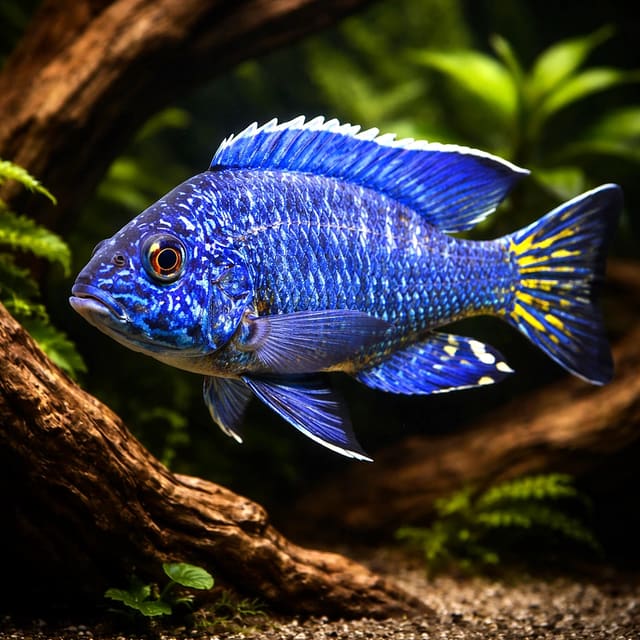
Maulana Peacock Cichlid (Aulonocara maulana)
23–27°C · pH 8–8.6
£19.99

A brilliant turquoise Malawi peacock cichlid that brings vivid color, active behavior, and manageable care to a properly set up African cichlid aquari.
Adult size is the maximum length this species reaches at full maturity (scientific sources). The livestock you receive will be younger and smaller — pick a size above for the actual shipping size. Product-photo provenance and any image-specific limitations are stated on the listing.
Aulonocara sp. turquoise
Save when buying multiple fish. Each quantity is one fish; sex and pair formation are not guaranteed unless the selected variant explicitly states them.
Confirm your email, then we’ll send an availability message for this exact item if it returns within 180 days.
This request is only for this product—no newsletter or other promotions. A mail-provider retry may very rarely duplicate the same availability message. Unconfirmed addresses are removed after 48 hours. See our privacy policy.
A brilliant turquoise Malawi peacock cichlid that brings vivid color, active behavior, and manageable care to a properly set up African cichlid aquari.
Adult size is the maximum length this species reaches at full maturity (scientific sources). The livestock you receive will be younger and smaller — pick a size above for the actual shipping size. Product-photo provenance and any image-specific limitations are stated on the listing.
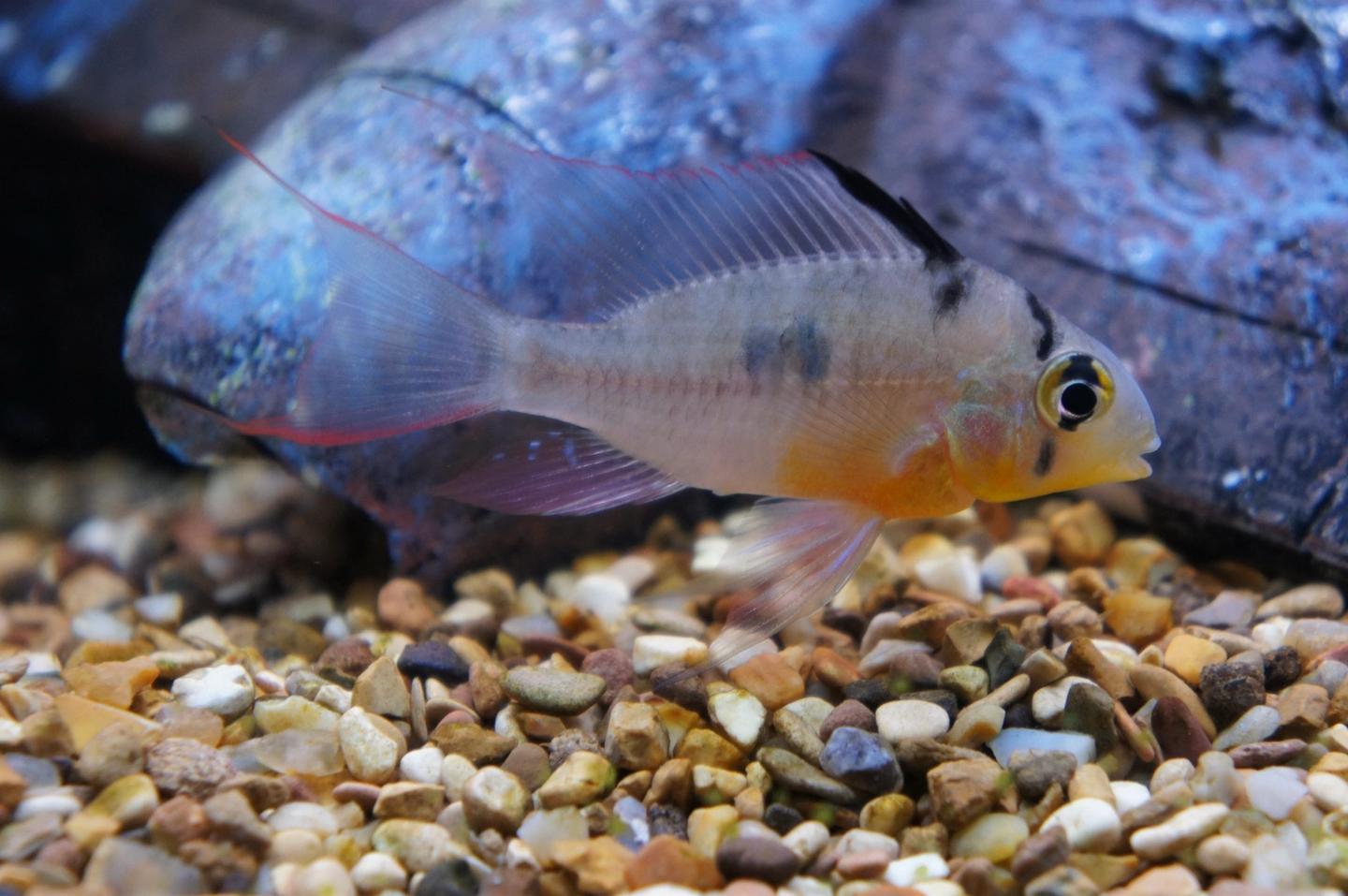
Cichlids are a family of roughly 1,800 accepted species, not one care type. Before buying, identify the exact species and source, then compare adult measurement, usable tank dimensions, social system, territory, tested water, diet and an exit plan. No family-wide minimum tank, water range or tank-mate list is safe.
Maintain these water conditions for optimal health and vibrant colors
The Turquoise Peacock Cichlid (Aulonocara sp. turquoise) is a brilliant Malawi peacock cichlid that brings vivid color, active behaviour, and manageable care to a properly set up African cichlid aquarium. Likely a captive-bred color form derived from Lake Malawi peacock cichlids, this species thrives in hard, alkaline water and rewards dedicated aquarists with stunning turquoise coloration, fascinating mouthbrooding behaviour, and rewarding pair-bond displays. With an adult size of around 15 cm, A. sp. turquoise is ideally suited to spacious Malawi peacock aquariums.
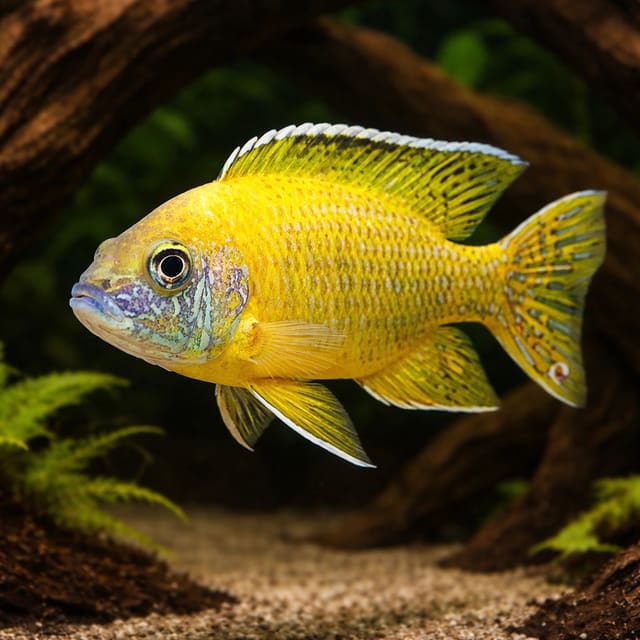
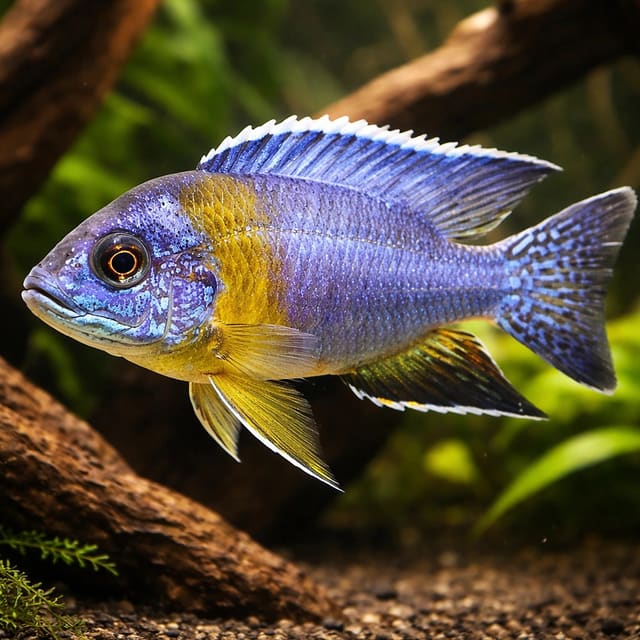
Aulonocara sp. turquoise displays a stunning electric-blue to turquoise body with iridescent highlights on the scales, finnage, and gill covers. Males exhibit the most intense coloration, especially during courtship, while females are more subdued with olive or silver tones. The body is moderately robust and laterally compressed, with flowing finnage and an overall elegant, regal appearance. This species is one of the most visually striking Malawi peacocks available in the aquarium trade.
This species is likely a captive-bred color form derived from Lake Malawi peacock cichlids, which inhabit sandy or rocky-sandy transitional zones at moderate depths. The lake's ancient, stable chemistry—characterised by high mineral content, exceptional clarity, and warm temperatures—has shaped the evolution of hundreds of endemic cichlid species. In nature, peacock cichlids forage on sandy substrates, using specialized sensory pits to detect invertebrates buried in the sand.
Recreate a Malawi peacock biotope with open sandy areas, moderate rockwork arranged to form caves and visual barriers, and ample swimming space. Use a fine sandy substrate to encourage natural foraging behaviour. Ensure stable water chemistry: pH 7.5–8.5, hard water (GH 10–20°), and a temperature of 25–28°C. A minimum of 250 litres is recommended for a small group, with larger tanks supporting additional tankmates. Provide strong filtration, regular water changes, and moderate lighting to bring out the fish's vivid turquoise coloration.
Like all Malawi peacocks, the Turquoise Peacock Cichlid demands pristine, stable conditions. Aim for 25–28°C, pH 7.5–8.5, and high hardness. Conduct weekly partial water changes (20–30%) to maintain low nitrate levels and replenish essential minerals. Use a high-quality filter rated for the tank volume, and consider adding crushed coral or Malawi cichlid salts to buffer water chemistry. Stability is critical—avoid sudden fluctuations in temperature or pH.
In the wild, peacock cichlids feed on small invertebrates, insect larvae, and zooplankton buried in sandy substrates. In captivity, offer a varied omnivorous diet: high-quality cichlid pellets or flakes supplemented with frozen or live foods such as mysis, brine shrimp, daphnia, and occasional krill. Include some vegetable matter (spirulina-based foods) and avoid fatty or mammal-based meats, which can lead to digestive issues. Feed small portions once or twice daily. A balanced diet supports vibrant coloration, healthy growth, and successful breeding.
This species is semi-aggressive, with males becoming territorial especially when defending small territories or courting females. Outside breeding periods, Turquoise Peacock Cichlids are relatively peaceful compared to mbuna and can coexist with other Malawi peacocks or haplochromines in appropriately sized tanks. Males display impressive courtship dances and vivid colour displays to attract females. Watching these interactions is a rewarding aspect of keeping this species.
Suitable companions include other peaceful to semi-aggressive Malawi cichlids of similar size, such as other Aulonocara species, haplochromine cichlids, Synodontis catfish, and robust non-aggressive bottom dwellers of similar water requirements. Avoid small community fish, slow-moving or long-finned fish, highly aggressive Mbuna (unless in a carefully planned Malawi setup), soft-water fish, or tiny invertebrates such as shrimp and snails. Careful planning and adequate space ensure a harmonious Malawi peacock community.
Aulonocara sp. turquoise is a maternal mouthbrooder. Males display and defend small territories, and females incubate eggs and fry in the mouth for about 3 weeks. Provide rockwork and multiple females per male to reduce stress and aggression. Females do not eat during brooding, so ensure they are well-fed beforehand. Fry can be fed newly hatched brine shrimp or specialist fry foods once released. Maintain excellent water quality and stable conditions to support successful breeding.
Tropical Fish Co is a leading UK specialist in African cichlids for sale UK, offering healthy, quarantined Lake Malawi peacocks including the stunning Turquoise Peacock Cichlid. Every fish is carefully selected, acclimated to our expert holding systems, and dispatched with detailed care guidance. Whether you're building your first Malawi peacock setup or adding to an established community, our knowledgeable team is here to support your success. Order online today for fast, reliable delivery and discover why Tropical Fish Co is the trusted choice for premium freshwater fish for sale UK.
No reviews for this item yet. Bought one? Honest reviews only, good or bad.
What customers say about ordering from us
I have a small group of long finned mountain minnows. So was delighted to be able to order ten of this variety to increase the genetics in my tank . The ones I recieved are healthy but it’s to early to give a verdict on wether they are of a long finned type since they are small currently.
Gordon Walker · 23 Sept 2026
100% success travel and "installation". Pleased with quality of purchase. The Siamese fighter a bit "shy" so have not yet seen him at his best yet but looking good. Happy customer. GG
George E Garratt · 21 Sept 2026
Reviews of our shop, collected by Judge.me, an independent third-party review collector. Newest first.