

Easy
Microrasbora kubotai - Tropical Fish for Sale UK
22–26°C · pH 6–7.5 · 30L
£4.99

A striking Tanganyikan cichlid with fascinating shell-based breeding behavior, best suited to experienced aquarists. Expert care, semi-aggressive. 24-27C, pH 7.8-9.0.
Adult size is the maximum length this species reaches at full maturity (scientific sources). The fish you receive will be younger and smaller — pick a size variant above for the actual shipping size. Photos are AI-enhanced, so the live fish may show subtle colour or marking differences.
Lamprologus callipterus
Not home? Message us and we'll delay delivery.
A striking Tanganyikan cichlid with fascinating shell-based breeding behavior, best suited to experienced aquarists. Expert care, semi-aggressive. 24-27C, pH 7.8-9.0.
Adult size is the maximum length this species reaches at full maturity (scientific sources). The fish you receive will be younger and smaller — pick a size variant above for the actual shipping size. Photos are AI-enhanced, so the live fish may show subtle colour or marking differences.
Maintain these water conditions for optimal health and vibrant colors
The Callipterus Cichlid (Neolamprologus callipterus) is a remarkable Lake Tanganyika endemic renowned for its extreme sexual dimorphism and fascinating shell-based breeding behaviour. Males can reach up to 15 cm, while females remain tiny at around 4.5 cm—one of the most dramatic size differences in the cichlid world. This species is best suited to experienced aquarists who can provide a spacious, carefully planned Tanganyikan setup with ample shell cover and stable water chemistry.
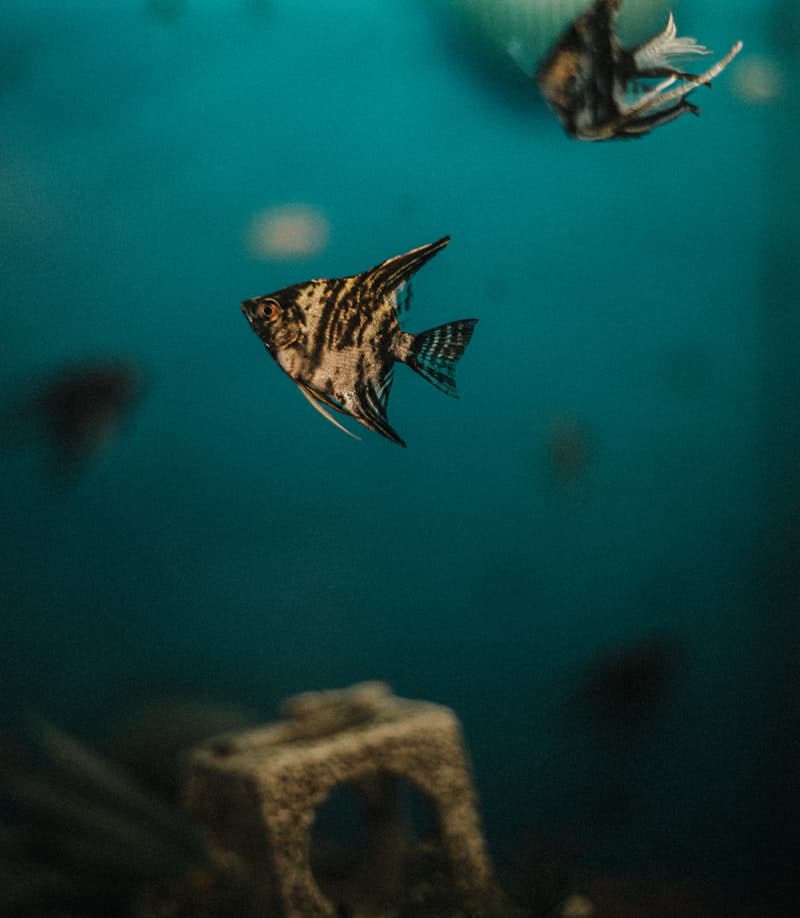
Neolamprologus callipterus displays a robust, stocky body with males exhibiting powerful musculature and a prominent head, while females are dramatically smaller and more slender. Coloration ranges from olive-brown to grey with subtle darker barring and a pale belly. Males develop a pronounced nuchal hump as they mature, and the overall appearance is utilitarian rather than ornate—evolved for shell-collecting and territory defence rather than bright display.
This species inhabits the sandy or muddy bottoms of Lake Tanganyika, where it forages among empty snail shells and shell beds at moderate depths. The lake's ancient, mineral-rich waters provide stable, hard, and alkaline conditions. In nature, dominant males collect and defend large piles of empty shells, attracting females to spawn within them. This unique ecological niche has driven the evolution of extreme size dimorphism and complex mating strategies.
Recreate a shell-bed biotope with a deep sandy substrate (5–10 cm) and numerous empty snail shells (escargot or similar) scattered across the tank floor. Males will collect and arrange shells, so provide at least 20–30 shells for a single male. A minimum of 300 litres is essential to accommodate the male's large size and territorial nature. Ensure stable water chemistry: pH 7.8–9.0, hard water (GH 12–20°), and a temperature of 24–27°C. Strong filtration and regular water changes are critical.
Callipterus demand pristine, hard, alkaline water typical of Lake Tanganyika. Aim for 24–27°C, pH 7.8–9.0, and high hardness. Conduct weekly partial water changes (20–30%) to maintain low nitrate levels and replenish essential minerals. Use a high-quality filter rated for the tank volume, and consider adding crushed coral or Tanganyikan salts to buffer water chemistry. Stability is paramount—avoid sudden fluctuations in temperature or pH.
In nature, Neolamprologus callipterus feed primarily on small crustaceans, insect larvae, and other invertebrates. In captivity, offer a varied carnivorous diet: high-quality cichlid pellets, frozen or live mysis, brine shrimp, krill, and other small meaty foods. Feed sparingly—overfeeding can lead to obesity and water quality issues, especially in large males. A balanced, protein-rich diet supports healthy growth and successful breeding.
This species is semi-aggressive and highly territorial, especially during breeding. Males defend large shell-bed territories and may become aggressive towards other fish, particularly rival males. Females are much smaller and more secretive, spending most of their time hidden within shells. Outside breeding periods, males may tolerate other robust Tanganyikan species, but careful observation and ample space are essential to prevent bullying. Watching a male collect and rearrange shells is a fascinating sight.
Suitable companions include other robust Tanganyikan cichlids of similar size and temperament, chosen carefully to avoid aggression. Species that occupy different tank zones (e.g., rock dwellers, open-water swimmers) work best. Avoid small peaceful fish, slow-moving species, fin-nippers, overly aggressive large cichlids, and soft-water fish. Synodontis catfish can share the tank if space allows. Expert planning and a spacious aquarium are essential for a harmonious community.
Neolamprologus callipterus are polygynous shell spawners. A dominant male collects and defends a bed of shells, attracting multiple females to spawn within individual shells. Females remain tiny to fit inside the shells, where they lay eggs and guard the fry. Males do not enter the shells but defend the territory and may father offspring with several females. Fry can be fed newly hatched brine shrimp or specialist fry foods. This unique breeding system makes Callipterus one of the most fascinating Tanganyikan cichlids for dedicated breeders.
Tropical Fish Co is a premier UK supplier of rare African cichlids for sale UK, including the extraordinary Neolamprologus callipterus. Every fish is quarantined, expertly acclimated, and dispatched with detailed care instructions. Our knowledgeable team is passionate about Lake Tanganyika cichlids and ready to support your breeding projects and aquarium goals. Order online today for fast, reliable delivery and experience the quality and service that make Tropical Fish Co the trusted choice for specialist freshwater fish for sale UK.
Dispatched Tue or Wed, delivered Wed or Thu — every order tracked and insured.
22–26°C · pH 6–7.5 · 30L

24–28°C · pH 7.5–8.5 · 150L


24–28°C · pH 7.5–8.5 · 200L

18–25°C · pH 6–8 · 100L


24–27°C · pH 7.5–8.8 · 150L

22–26°C · pH 6–7.5 · 60L

24–28°C · pH 5.5–7 · 60L

18–28°C · pH 6.5–8 · 20L

24–28°C · pH 7.5–8.5 · 40L

24–28°C · pH 7.5–8.5 · 400L

22–26°C · pH 6–7.5 · 150L

22–28°C · pH 7–8.5 · 10L

23–27°C · pH 5.5–7.5 · 80L

24–27°C · pH 7.5–9 · 250L