Easy
Albino Cherry Barb (Rohanella titteya)
20–27°C · pH 6–8 · 54L
£2.99
A sleek, active schooling barb with a distinctive upturned mouth, ideal for peaceful planted community aquariums.
Adult size is the maximum length this species reaches at full maturity (scientific sources). The livestock you receive will be younger and smaller. Product-photo provenance and any image-specific limitations are stated on the listing.
Esomus danricus
Shoaling fish: kept in a group they feel safer, stay calmer and show their best colour.
Confirm your email, then we’ll send an availability message for this exact item if it returns within 180 days.
This request is only for this product—no newsletter or other promotions. A mail-provider retry may very rarely duplicate the same availability message. Unconfirmed addresses are removed after 48 hours. See our privacy policy.
A sleek, active schooling barb with a distinctive upturned mouth, ideal for peaceful planted community aquariums.
Adult size is the maximum length this species reaches at full maturity (scientific sources). The livestock you receive will be younger and smaller. Product-photo provenance and any image-specific limitations are stated on the listing.
Maintain these water conditions for optimal health and vibrant colors
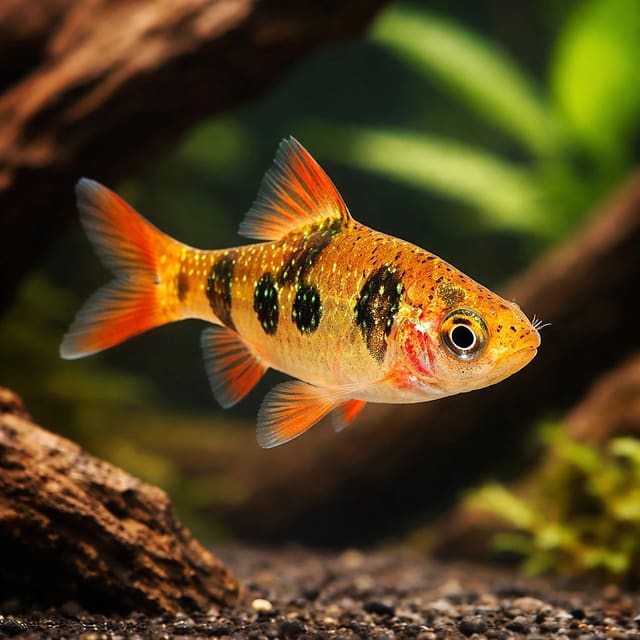
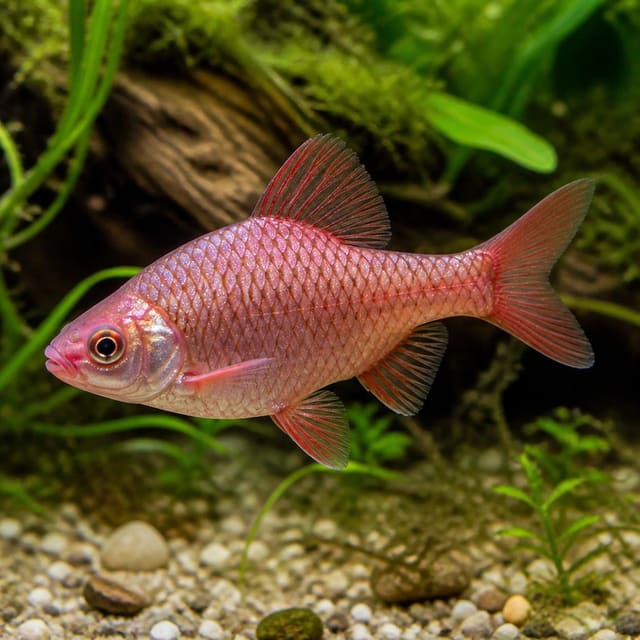
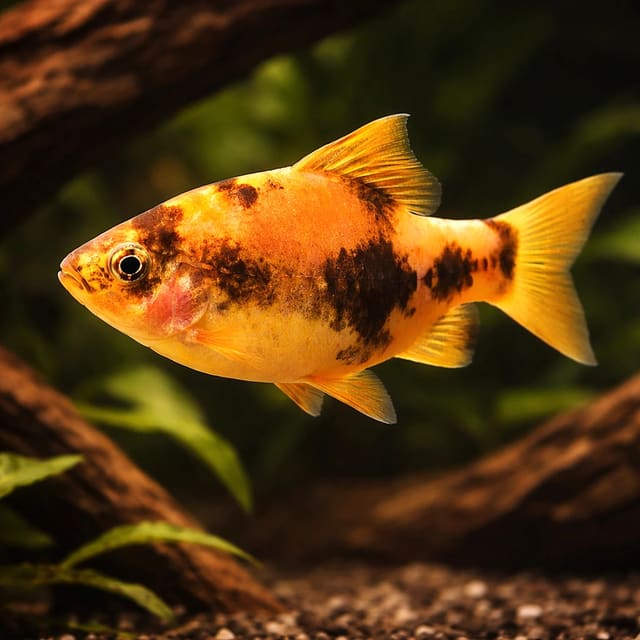
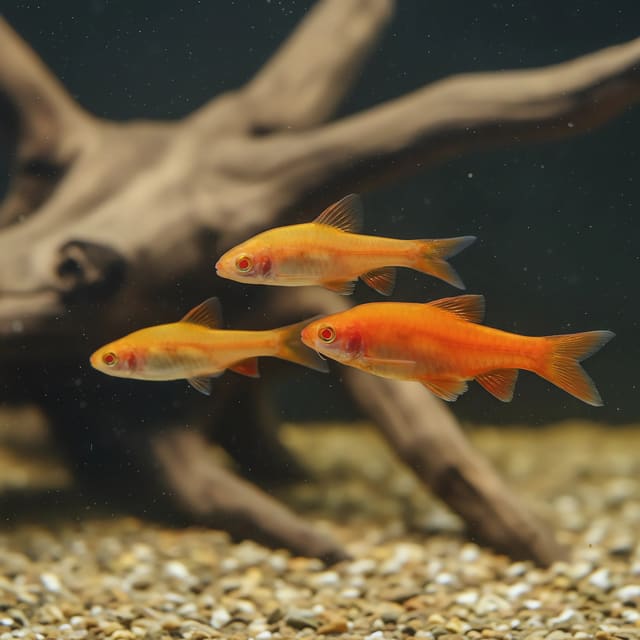
The Flying Barb (Esomus danricus) is a slim, energetic and highly underrated small cyprinid that brings constant movement to the upper levels of the aquarium. Despite the common name, it does not truly fly; the name refers to its streamlined shape and quick, darting swimming style. In the home aquarium it is best kept in a group, where its natural schooling behaviour becomes visible and the fish feel secure, confident and more colourful.
This species is a great choice for aquarists looking for a peaceful, lively fish for a planted community setup. It is generally hardy once settled, but it does appreciate stable water conditions, plenty of swimming space and a secure lid. At Tropical Fish Co, we carefully pack your fish for fast UK delivery, and every order is covered by our live arrival guarantee for peace of mind.
Flying Barbs are best appreciated in a well-maintained aquarium with gentle filtration, open swimming areas and fine-leaved plants or floating cover. They are active feeders and will readily take a variety of prepared and frozen foods. Their small adult size makes them suitable for modest aquariums, provided they are kept in a proper group rather than as a lone specimen.
| Attribute | Details |
|---|---|
| Scientific name | Esomus danricus |
| Common name | Flying Barb |
| Adult size | 4–5 cm |
| Temperament | Peaceful |
| Care level | Easy to moderate |
| Minimum tank size | 80 litres |
| Temperature | 22–28°C |
| pH | 6.0–7.5 |
| Diet | Omnivore |
| Tank region | Top to middle |
| Lifespan | 4–6 years |
Esomus danricus is native to South Asia, where it is found across parts of India, Bangladesh, Nepal and neighbouring regions. In the wild it inhabits slow-moving rivers, ponds, ditches, floodplains and other calm freshwater environments. These habitats often contain dense marginal vegetation, submerged plants and areas of open water, giving the fish both shelter and room to school.
Its natural environment is typically warm and seasonally variable, which helps explain why the species adapts well to a range of aquarium conditions when kept in clean, stable water. In nature, Flying Barbs feed on small invertebrates, algae, plant matter and tiny particles from the water column, making them opportunistic omnivores with a flexible diet.
A planted aquarium with open swimming space is ideal. Flying Barbs are active and can be a little skittish if kept in cramped or bare surroundings, so a longer tank is preferable to a tall one. A tight-fitting lid is strongly recommended, as these fish are quick and may jump if startled.
Use a gentle to moderate filter flow and avoid excessive turbulence. Dark substrate, driftwood, live plants and floating vegetation will help them settle and display more naturally. Good plant choices include water sprite, hornwort, Java fern, Vallisneria and floating plants such as Salvinia or Amazon frogbit. These provide cover without removing the open water they need for schooling.
Water should be clean and well oxygenated, with regular partial water changes to maintain quality. While the species is fairly adaptable, it does best in stable conditions rather than frequent swings in temperature or chemistry.
For aquarists keeping a mixed community, ensure tank mates are not overly boisterous or predatory. The Flying Barb is small and can be intimidated by aggressive species, so a peaceful setup is best.
Flying Barbs are easy to feed and will usually accept flakes, micro pellets and small frozen foods once settled. A varied diet will keep them in good condition and encourage natural behaviour. Because they feed in the upper and middle water layers, it is helpful to offer foods that stay suspended briefly or are small enough to be taken readily.
Offer a balanced mix of:
Feed small amounts once or twice daily, only as much as they will consume in a few minutes. Overfeeding can quickly affect water quality, especially in smaller aquariums. A varied diet supports colour, activity and breeding condition.
The Flying Barb is peaceful and best suited to calm community fish of a similar size and temperament. It thrives when kept with other active but non-aggressive species that will not outcompete it for food or bully it. Because it is a schooling fish, keeping a group is essential for confidence and natural behaviour.
Good companions include small rasboras, peaceful danios, smaller tetras, Corydoras catfish, Otocinclus, small loaches and other non-aggressive community species. In larger aquariums, they can also work well with peaceful gouramis and similar-sized barbs that are not fin-nippers.
Avoid large predatory fish, aggressive cichlids, fin-nippers and very slow-moving species that may be stressed by the Flying Barb’s constant activity. Very tiny fry may also be at risk, as with most active omnivorous fish.
For best results, keep them in a species-appropriate group and choose tank mates that enjoy similar water parameters and a calm, planted environment.
At Tropical Fish Co, we focus on healthy livestock, careful packing and reliable service. Your Flying Barbs are selected with care and dispatched using methods designed to reduce stress during transit. We offer fast UK delivery and a live arrival guarantee, so you can order with confidence.
We also aim to provide clear, practical care information so you can set up the right environment before your fish arrive. Whether you are building a peaceful planted community or adding movement to the upper levels of an established aquarium, the Flying Barb is a rewarding species that offers plenty of activity and charm.
Choose Esomus danricus if you want a small, schooling fish with character, easy feeding and a natural preference for lively planted aquariums. With the right setup, these elegant little barbs are a joy to watch day after day.
No reviews for this item yet. Bought one? Honest reviews only, good or bad.
What customers say about ordering from us
Easy website plenty of info on fish your buying great to pick a time slot
TRACEY DURRANT · 7 Oct 2026
Got some lovely fish thank you
Kevin Mackie · 7 Oct 2026
Reviews of our shop, collected by Judge.me, an independent third-party review collector. Newest first.