Aulonocara sp. 'Firefish' - Tropical Fish for Sale UK
24–28°C · pH 7.5–8.5 · 200L

Betta splendens
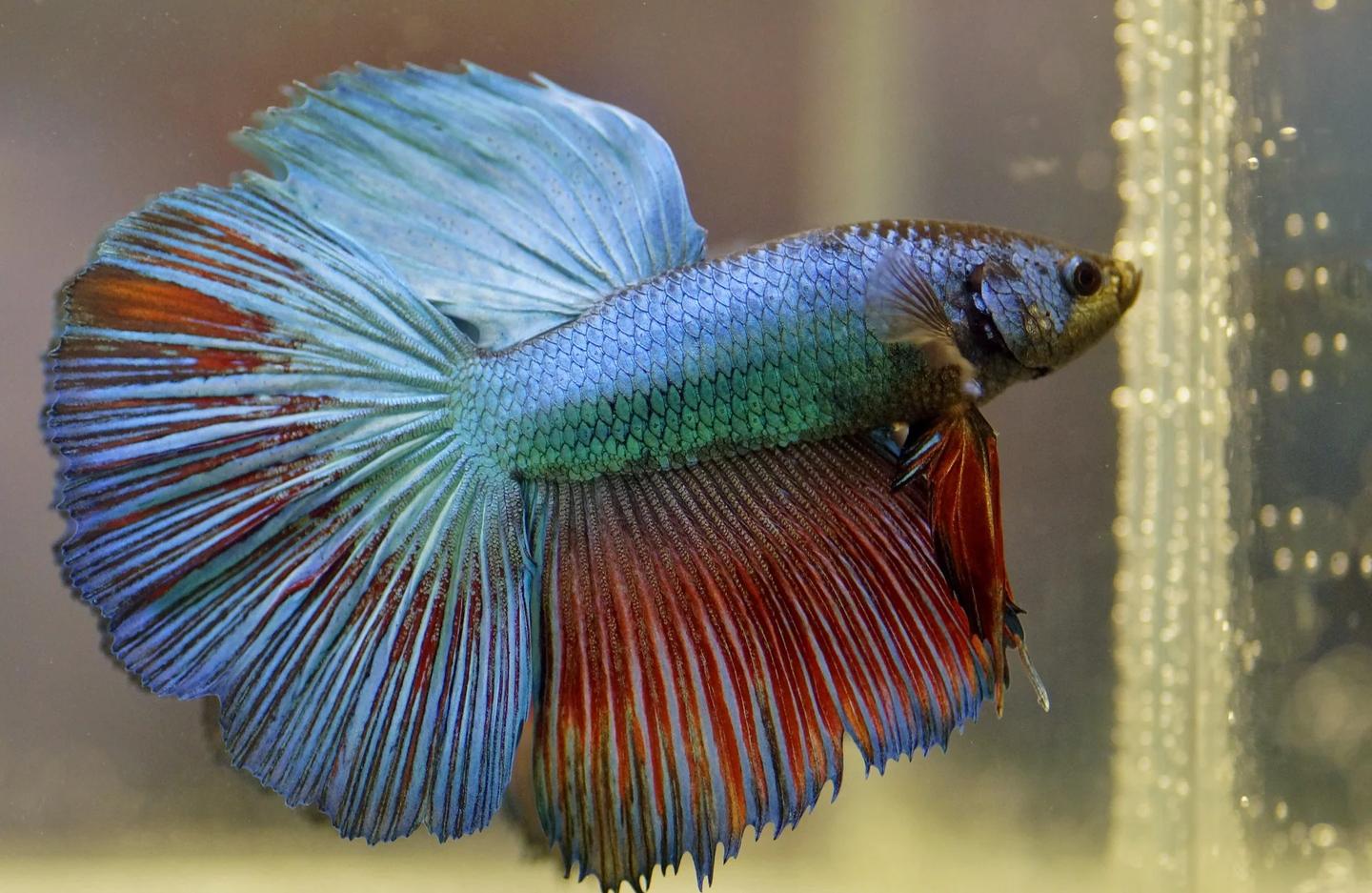
A striking long-finned male betta with vivid green coloration, prized for its beauty and personality. Moderate care, aggressive. 24-30C, pH 6-8.
Maintain these water conditions for optimal health and vibrant colors
The male Betta stands as one of the most recognizable freshwater aquarium fish worldwide, combining vivid coloration with a captivating personality that endears them to beginners and specialists alike. The Giant Koi Betta variety represents a larger-bodied form of Betta splendens with distinctive mottled patterning reminiscent of Japanese koi carp, featuring bold patches of orange, white, black, and sometimes blue across the body and fins. Originally derived from wild betta populations native to Thailand and neighboring Southeast Asian regions, these fish have been selectively bred for enhanced size and coloration.
Known commonly as Siamese fighting fish due to the aggressive nature of males toward their own kind, these bettas require careful housing to prevent conflict. Despite their aggressive reputation, they display remarkable intelligence and can recognize their owners, often coming to the front of the aquarium during feeding times. The giant variety reaches approximately 8cm in length, notably larger than standard bettas, making them even more impressive as display fish.
Giant Koi Bettas showcase the spectacular finnage typical of ornamental betta splendens combined with unique color patterning. The koi pattern features irregular patches and marbling that shift between white, orange, red, and black, with color distribution varying significantly between individuals. Some specimens show predominantly orange bodies with white accents, while others display more balanced multicolor patterns.
The giant body form creates a more substantial appearance than standard bettas, with deeper bodies and heavier musculature. Fins develop in various styles depending on the specific lineage, ranging from flowing veiltail forms to shorter plakat styles. Males display more elaborate finnage and intense coloration than females, with colors intensifying when they display to rivals or during courtship. The scales catch light beautifully, creating an iridescent quality that enhances the overall visual impact.
Wild Betta splendens inhabit shallow, slow-moving waters throughout Thailand, Cambodia, Laos, and Vietnam, including rice paddies, drainage ditches, floodplains, and small streams. These environments typically feature dense aquatic vegetation, low oxygen levels, and fluctuating water conditions. The labyrinth organ these fish possess allows them to breathe atmospheric oxygen, enabling survival in stagnant waters where other species cannot persist.
The wild ancestors show much subdued coloration compared to ornamental varieties, with browns and reds dominating their appearance for camouflage purposes. They establish small territories among plant roots and debris, defending these areas from other males while tolerating females and non-threatening species. Seasonal monsoons dramatically alter their habitat, requiring adaptability to changing water levels and conditions throughout the year.
While bettas survive in small containers, giant varieties particularly benefit from aquariums of at least 20 litres that provide adequate swimming space for their larger bodies. The betta fish tank size should prioritize horizontal swimming room over height, with gentle filtration that creates minimal current. Strong water movement exhausts these fish, which evolved in still waters and lack the streamlined body shape of current-adapted species.
A secure lid prevents jumping, as bettas can leap surprising distances when startled or chasing prey. Smooth decorations avoid fin damage, with silk plants preferred over plastic varieties that may snag delicate finnage. A betta fish planted tank setup works beautifully, with floating plants like Amazon frogbit and Indian almond leaves providing tannins that replicate natural habitat conditions. Subdued lighting and visual barriers created by plants reduce stress and encourage natural behavior.
Carnivorous feeders, bettas require protein-rich foods that match their natural diet of insects and insect larvae. High-quality betta pellets formulated specifically for these fish should form the dietary staple, supplemented 2-3 times weekly with frozen or live foods. Bloodworms, daphnia, brine shrimp, and mosquito larvae provide nutritional variety and stimulate natural hunting behaviors.
Overfeeding poses a significant risk, as bettas readily consume more food than beneficial for their health. Feed small portions once or twice daily, offering only what they consume within two minutes. Giant bettas may require slightly larger portions than standard varieties due to their increased body mass, but obesity remains a concern. Their stomach is approximately the size of their eye, providing a useful reference for appropriate portion sizes.
Male bettas display complex personalities that make them engaging pets despite their solitary housing requirements. They actively explore their environment, investigating new additions and establishing patrol routes they follow throughout the day. Males build bubble nests at the water surface even without female presence, demonstrating their reproductive readiness and good health.
The aggression that earned them the name Siamese fighting fish manifests primarily toward other male bettas and similar-looking species. They may flare their gills and spread their fins in threat displays when they see their reflection, though this behavior should be limited to prevent chronic stress. Some males tolerate carefully chosen Betta splendens care tank mates in larger aquariums, though reactions vary individually. Signs of stress include faded colors, clamped fins, and hiding behavior.
The question of betta fish tank mates requires careful consideration, as male bettas show variable tolerance toward other species. In many cases, housing them alone provides the safest, least stressful option. When companionship is desired in larger aquariums, certain snails like nerite or mystery snails typically avoid aggression due to their different body form and slow movement.
Large, robust shrimp such as Amano shrimp may coexist in heavily planted tanks, though bettas may view smaller shrimp as prey. Completely avoid other male bettas, female bettas in small tanks, and any species with long, flowing fins that might trigger aggression. Fast-moving or fin-nipping fish stress bettas and damage their elaborate finnage. Bottom-dwelling species sometimes work in spacious aquariums, though success depends heavily on the individual betta's temperament.
Breeding bettas requires a separate setup with shallow water (approximately 15-20cm depth), gentle filtration, and abundant hiding places for the female. The male constructs an elaborate bubble nest at the surface using mucus-coated bubbles, typically beneath floating plants or in corners. Introducing a conditioned female triggers courtship behavior, with the male displaying his fins and colors to entice her beneath the nest.
Spawning occurs in an embrace beneath the bubble nest, with the male wrapping his body around the female to fertilize eggs as they are released. He immediately collects the sinking eggs in his mouth and places them in the bubble nest. After spawning completes, remove the female promptly as males become aggressive toward her while guarding the nest. The male tends the eggs and newly hatched fry, but remove him once fry become free-swimming after 3-4 days to prevent predation.
Tropical Fish Co offers premium betta splendens for sale UK with a focus on healthy, vibrant specimens that adapt quickly to new aquariums. Our Giant Koi Bettas come from quality breeding programs that emphasize health and coloration, ensuring you receive a fish that displays the full potential of this remarkable variety. Each betta undergoes careful observation to confirm strong appetite, active behavior, and perfect finnage before joining our available stock.
We provide comprehensive care guidance to help you succeed with these intelligent fish, whether you're new to tropical fish for sale online or an experienced collector seeking a stunning centerpiece specimen. Our betta fish UK selection includes various sizes and exact pattern descriptions so you can choose a fish whose specific coloration appeals to your preferences. With secure packaging designed specifically for labyrinth fish and reliable courier partnerships, your new Giant Koi Betta arrives safely, ready to become the personality-filled centerpiece of your aquarium. Competitive pricing on quality specimens makes Tropical Fish Co your destination for exceptional bettas.
Healthy, vibrant fish from trusted suppliers
Detailed care guides and support
Your fish arrives healthy or we'll replace it
Properly quarantined and ready for your tank

24–28°C · pH 7.5–8.5 · 200L


24–28°C · pH 7.5–8.5 · 500L

24–28°C · pH 5.5–7 · 60L

22–28°C · pH 6.5–8 · 20L

22–26°C · pH 6–7.5 · 30L

22–28°C · pH 6–7.5 · 60L

24–28°C · pH 7.5–8.5 · 150L

22–28°C · pH 7.5–8 · 40L
22–28°C · pH 7–8.5 · 100L

22–27°C · pH 6–7.5 · 80L

24–28°C · pH 6–7.5 · 40L

24–28°C · pH 6–7.5 · 80L

24–28°C · pH 6.5–7.5 · 2000L
22–28°C · pH 7–8.5 · 60L

24–28°C · pH 7.5–8.5 · 200L