−10%
Dwarf Marbled Catfish (Microglanis poecilus)
22–27°C · pH 6–8
£8.09£8.99

A striking Indian river catfish with bold coloration and a predatory nature, best kept in a spacious, well-filtered aquarium with robust tankmates. Moderate care, semi-aggressive. 22-28C, pH 6.0-7.5.
Adult size is the maximum length this species reaches at full maturity (scientific sources). The livestock you receive will be younger and smaller. Product-photo provenance and any image-specific limitations are stated on the listing.
Horabagrus nigricollaris
Confirm your email, then we’ll send an availability message for this exact item if it returns within 180 days.
This request is only for this product—no newsletter or other promotions. A mail-provider retry may very rarely duplicate the same availability message. Unconfirmed addresses are removed after 48 hours. See our privacy policy.
A striking Indian river catfish with bold coloration and a predatory nature, best kept in a spacious, well-filtered aquarium with robust tankmates. Moderate care, semi-aggressive. 22-28C, pH 6.0-7.5.
Adult size is the maximum length this species reaches at full maturity (scientific sources). The livestock you receive will be younger and smaller. Product-photo provenance and any image-specific limitations are stated on the listing.
Maintain these water conditions for optimal health and vibrant colors
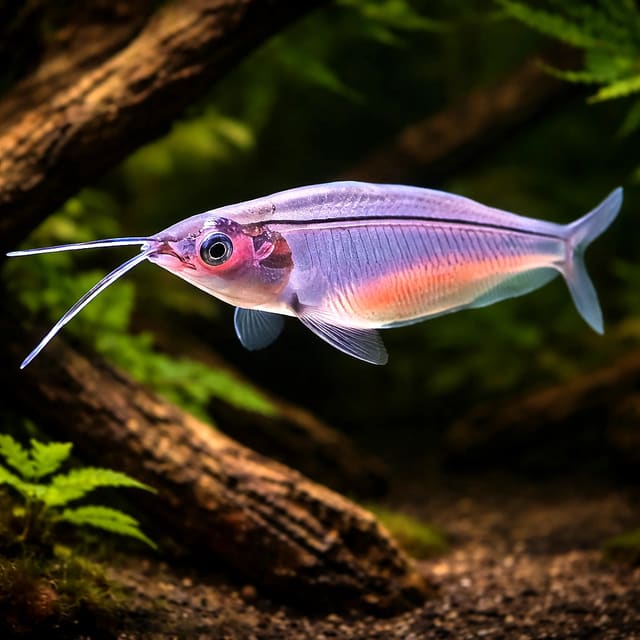
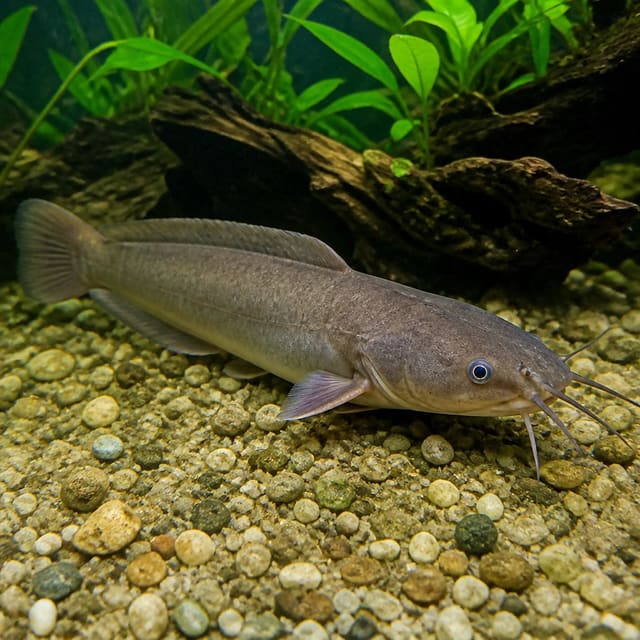
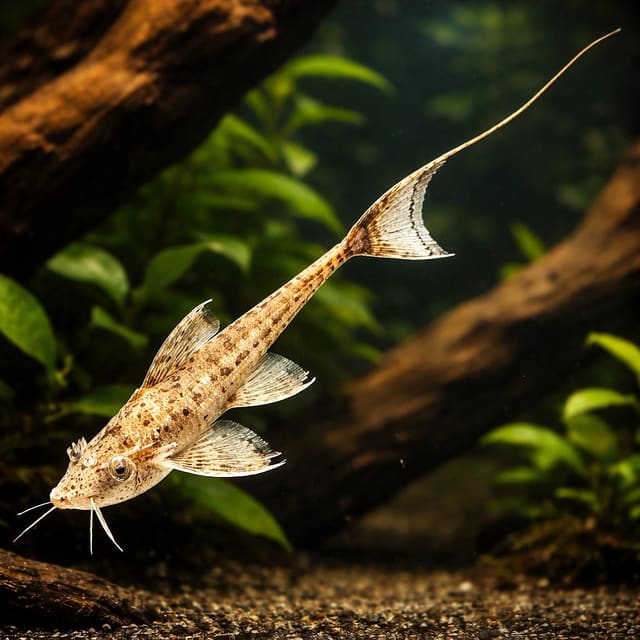
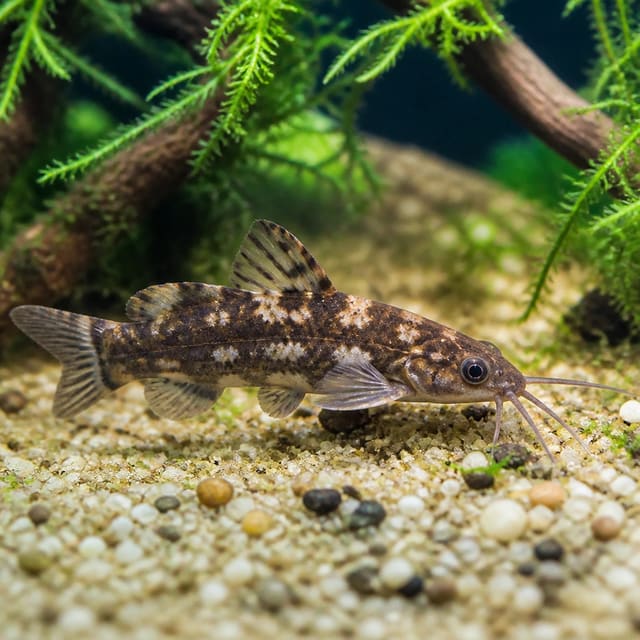
Horabagrus nigricollaris is a striking predatory catfish from the Western Ghats of southwestern India, bringing bold coloration and nocturnal hunting behaviour to specialized large aquariums. Available for sale UK through Tropical Fish Co, this rare Indian catfish reaches approximately 5.5cm in the juvenile size offered, though its ultimate adult size requires expert confirmation. The species displays semi-aggressive temperament and carnivorous dietary requirements, making it suitable only for experienced aquarists prepared to provide spacious accommodation and robust tankmates. Its distinctive appearance and rarity in the hobby make it an exceptional choice for collectors seeking unusual catfish species.
This Horabagrus displays robust catfish morphology with broad head, wide mouth adapted for predatory feeding, and streamlined body suited to river currents. The coloration is particularly striking—bold patterns that make this species instantly recognizable, though exact markings vary between individuals. Three pairs of barbels extend from the mouth region, serving as highly sensitive tactile organs for nocturnal hunting in turbid water. The body is scaleless but covered in thick mucus layer that provides protection against abrasion and pathogens. Eyes are relatively small and positioned laterally—an adaptation for low-light hunting during crepuscular and nocturnal periods. The adipose fin is present, whilst pectoral and dorsal fins possess sharp spines that can deliver painful wounds if handled carelessly.
Horabagrus nigricollaris inhabits freshwater river systems throughout the Western Ghats biodiversity hotspot in southwestern India—one of the world's most threatened ecological regions. These rivers feature moderate to strong current, high oxygenation, and substrates of rocks, gravel, and sand. Water is typically soft and slightly acidic, stained with tannins from abundant riparian vegetation. The aquatic environment experiences significant seasonal variation with monsoon rains bringing dramatic increases in water volume and flow, whilst dry seasons concentrate fish in deeper permanent pools. This species occupies middle to bottom water columns, utilizing rocky crevices and submerged wood as daytime retreats before emerging at night to hunt smaller fish and invertebrates.
Provide a minimum 250-litre aquarium with fine sand or smooth gravel substrate and extensive rockwork creating multiple caves and hiding places. This nocturnal predator requires secure retreats where it can remain concealed during daylight hours. Driftwood and robust décor create additional territories and visual barriers. Subdued lighting suits the species' crepuscular nature—use floating plants or surface cover to diffuse illumination. Powerful filtration is essential given the substantial bioload of a carnivorous catfish—aim for turnover exceeding 8x tank volume per hour. Moderate water movement mimics natural river conditions without creating excessive current. Use a secure tight-fitting lid as these powerful fish can jump, particularly when startled or during nocturnal activity. Avoid delicate plants, as this species will likely uproot or damage them during foraging behaviour.
Maintain stable temperatures between 22-28°C, with 24-26°C being optimal for routine keeping. Water should be soft with pH 6.0-7.5 and low to moderate hardness (2-10 dGH), replicating the naturally soft waters of Western Ghats rivers. Given the substantial protein consumption of carnivorous catfish, water quality management is critical: zero ammonia and nitrite, with nitrates maintained below 20ppm through substantial weekly water changes of 40-50%. This species is reasonably hardy once established but sensitive to accumulated metabolites and declining water quality. Dissolved oxygen should be maintained at good levels through efficient surface agitation—these fish come from well-oxygenated rivers and require adequate dissolved oxygen. Stability is more important than hitting exact parameters; avoid fluctuations that trigger stress responses.
Horabagrus nigricollaris is a dedicated carnivore that naturally hunts smaller fish, crustaceans, and aquatic invertebrates during nocturnal foraging. In captivity, provide a varied meaty diet: quality carnivore pellets or large sinking wafers form the staple, supplemented 4-5 times weekly with frozen or live foods including prawns, mussels, white fish, earthworms, and appropriately sized whole fish such as lancefish or silversides. Avoid mammalian meats which can cause digestive issues and water quality problems. Feed substantial portions 3-4 times weekly rather than small daily meals—this mimics natural feeding patterns where predators may not eat every day. Remove uneaten food after 10-15 minutes to prevent water quality degradation. The species may initially be shy when first introduced but typically develops bold feeding behaviour once acclimated.
This predatory catfish is predominantly nocturnal, remaining hidden during bright daylight hours and emerging at dusk to patrol territories hunting for prey. Activity levels increase dramatically after lights-out, when the fish becomes surprisingly active and purposeful in hunting behaviour. The semi-aggressive temperament means this species can be territorial, particularly towards other bottom-dwelling fish that encroach on established territories. They may display defensive posturing using raised fins and open-mouth threats when disturbed or challenged. Whilst not as aggressive as many large predatory catfish, they will consume any tankmate small enough to fit in the substantial mouth. Juvenile specimens may be more reclusive, gaining confidence and boldness as they mature. Handle with extreme care during maintenance as the sharp fin spines can inflict painful puncture wounds.
Select tankmates carefully to match both size and temperament requirements. Suitable companions must be large enough to avoid predation—minimum 8-10cm for long-term safety—and robust enough to tolerate this catfish's semi-aggressive disposition. Potential tankmates include medium to large peaceful barbs, robust characins from similar biotopes, and other semi-aggressive fish of comparable size. Avoid keeping with very timid species that would be constantly stressed by the predatory catfish's presence. Similarly exclude highly aggressive territorial fish that might harass or injure the catfish. Very small fish, dwarf shrimp, and other diminutive species will inevitably be consumed during nocturnal hunting. Multiple specimens of this species should only be housed together in very large aquariums with extensive territories to minimize conflict.
Captive breeding of Horabagrus nigricollaris is not commonly reported in home aquaria, with limited documentation of successful spawning. As a river-dwelling species, breeding likely requires substantial aquarium space, excellent water quality, and environmental cues mimicking seasonal monsoon patterns—increased water flow, temperature fluctuations, and possibly barometric pressure changes. Sexual dimorphism is not well-documented for this species, making sexing challenging. If breeding attempts are made, provide large tank with appropriate caves for potential spawning sites, condition fish with varied high-protein live foods, and simulate seasonal changes through water changes and temperature adjustments. Eggs and fry would be vulnerable to predation by parents and require separation to dedicated rearing systems with impeccable water quality.
Tropical Fish Co supplies healthy, quarantined Horabagrus nigricollaris specimens that have been carefully acclimated to UK water conditions and are feeding confidently on prepared foods. Each catfish is hand-selected for excellent body condition and vitality, ensuring you receive rare Indian catfish ready to thrive in appropriately sized aquariums. Our knowledgeable staff can provide specialist guidance on this uncommon species, including setup requirements, compatible tankmates, and dietary needs. With premium insulated packaging and tracked UK delivery, your new catfish arrive safely in peak condition. We're committed to sustainable sourcing and work exclusively with responsible suppliers who prioritize fish welfare and support conservation efforts protecting the critically threatened Western Ghats freshwater ecosystems.
No reviews for this item yet. Bought one? Honest reviews only, good or bad.
What customers say about ordering from us
I have a small group of long finned mountain minnows. So was delighted to be able to order ten of this variety to increase the genetics in my tank . The ones I recieved are healthy but it’s to early to give a verdict on wether they are of a long finned type since they are small currently.
Gordon Walker · 23 Sept 2026
100% success travel and "installation". Pleased with quality of purchase. The Siamese fighter a bit "shy" so have not yet seen him at his best yet but looking good. Happy customer. GG
George E Garratt · 21 Sept 2026
Reviews of our shop, collected by Judge.me, an independent third-party review collector. Newest first.