

Easy
Microrasbora kubotai - Tropical Fish for Sale UK
22–26°C · pH 6–7.5 · 30L
£4.99

Add the rare Mutondwe Compressiceps to your cichlid setup. Moderate care and full of character, it’s a standout choice for experienced aquarists. Order now.
Adult size is the maximum length this species reaches at full maturity (scientific sources). The fish you receive will be younger and smaller — pick a size variant above for the actual shipping size. Photos are AI-enhanced, so the live fish may show subtle colour or marking differences.
Lamprologus comp. mutondwe
Not home? Message us and we'll delay delivery.
Add the rare Mutondwe Compressiceps to your cichlid setup. Moderate care and full of character, it’s a standout choice for experienced aquarists. Order now.
Adult size is the maximum length this species reaches at full maturity (scientific sources). The fish you receive will be younger and smaller — pick a size variant above for the actual shipping size. Photos are AI-enhanced, so the live fish may show subtle colour or marking differences.
Maintain these water conditions for optimal health and vibrant colors
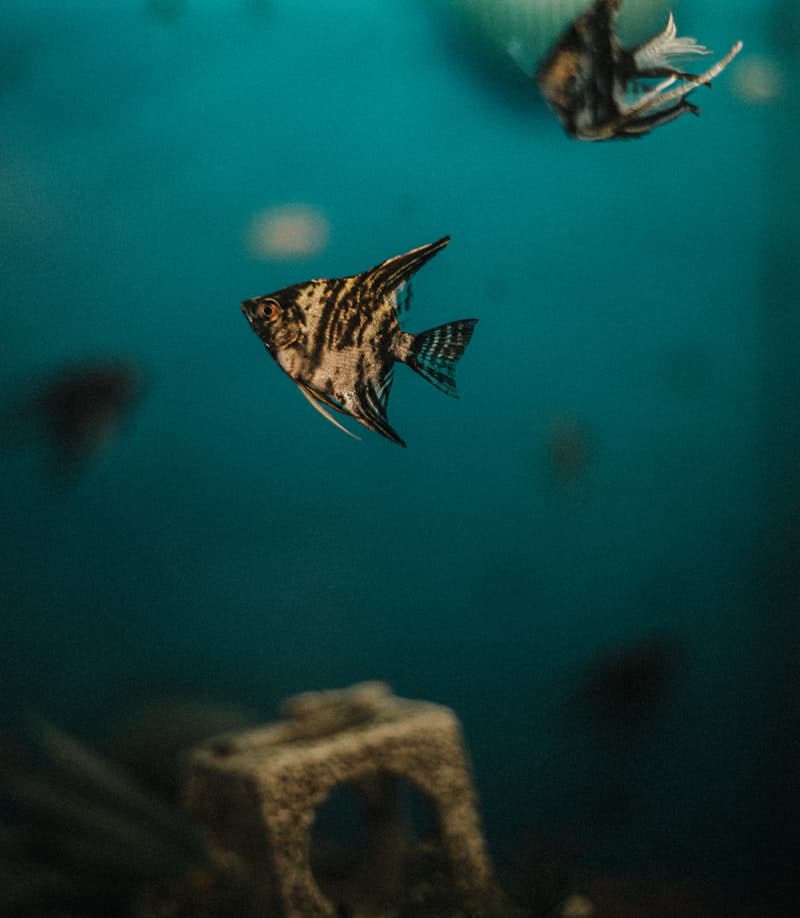
The Mutondwe Compressiceps is one of those Tanganyika cichlids that stops people mid-scroll. With its tall, laterally compressed body, deliberate hunting style, and striking rock-hugging posture, Altolamprologus compressiceps looks unlike the average community fish. For aquarists searching for tropical fish for sale UK, this variety offers something genuinely different: a graceful predator with refined behaviour rather than constant chaos. Native to Lake Tanganyika in Africa, this semi-aggressive cichlid reaches around 14 cm, can live up to 10 years, and suits fishkeepers ready for a moderate-care species with specific alkaline water needs. See our detailed photos showing the distinctive body shape and subtle Mutondwe patterning in the product image tropical-fish-for-sale-uk.webp.
This is not a fish for tiny mixed tanks or soft-water setups. Instead, it is ideal for hobbyists who want a characterful Tanganyikan display, a species-focused setup, or a carefully planned community cichlid UK aquarium. If you have been comparing tropical fish for sale near me, live fish for sale uk, buy aquarium fish online uk, or even asking best place to buy tropical fish online uk, the Mutondwe Compressiceps stands out for its unusual shape, slow confident movement, and compatibility with selected Lake Tanganyika companions. It is not one of the usual tropical fish for beginners, but for keepers who enjoy observing natural behaviour, shell inspection, crevice hunting, and pair bonding, it is a rewarding species to keep and breed.
The Mutondwe form belongs to the well-known Tanganyikan genus Altolamprologus, a group famous for compressed bodies, ambush predation, and strong territorial instincts around rocks and shells. In the aquarium hobby, Compressiceps and Calvus types are especially valued by keepers who want a slower, more observant cichlid rather than a hyperactive open-water species. The Mutondwe variant is appreciated for its refined shape and locality appeal among Tanganyika enthusiasts.
Mutondwe Compressiceps come from Lake Tanganyika, one of the oldest and deepest rift lakes in the world. This enormous African lake stretches across several countries and is famous for its mineral-rich, alkaline water and exceptional cichlid diversity. In the wild, Altolamprologus compressiceps is associated with rocky shorelines, broken stone fields, and shell-rich zones where it can use its narrow body to slip into cracks and raid hidden prey. That body shape is not just attractive; it is a specialised hunting tool.
In nature, this species feeds on small crustaceans, fry, insect larvae, and other meaty foods found among rocks and shells. This explains why the mutondwe compressiceps diet in captivity should lean heavily toward protein-rich foods rather than flake-heavy community diets. The lake itself is hard and alkaline, which is why the mutondwe compressiceps ph level and mutondwe compressiceps water hardness matter so much in the aquarium. Fish kept in soft, acidic water often lose condition, feed poorly, and become more prone to stress.
Many hobbyists searching where do i buy fish online, where do you buy fish online, or browsing buy aquarium fish online reddit want to know whether a species is wild in behaviour or adaptable to captive life. Mutondwe Compressiceps adapt well when their environment reflects Tanganyika conditions: stable rockwork, high oxygen, clean water, and carefully chosen tank mates. They are not pond fish, so terms like buy fish online for pond do not apply here. Nor are they a substitute for soft-water species or budget impulse buys such as betta fish buy online under 80 or buy aquarium fish online under ₹ 1000; this is a specialist cichlid for aquarists building a purposeful setup.
If you are comparing the mutondwe compressiceps or alternative species question, think of this fish as the choice for rock-based Tanganyika aquariums where behaviour matters as much as colour. It is especially appealing to aquarists who might otherwise search for the biggest tropical fish shop near me or buy aquarium fish wholesale online because they want unusual stock not seen in every mixed display. For UK hobbyists, buying from a specialist source gives you a better chance of receiving correctly identified locality fish acclimated to aquarium life.
Mimicking the natural habitat of Lake Tanganyika improves feeding response, confidence, and colour. Use stacked rockwork with narrow crevices, maintain hard alkaline water, and avoid cluttering the tank with soft-water decor that does not suit this species.
The right tank makes all the difference with this species. If you are asking about mutondwe compressiceps minimum tank size or mutondwe compressiceps tank size, the practical minimum is 200 litres for a pair or carefully structured small group. A larger footprint is always better because these fish use horizontal territories around rock piles rather than simply swimming in open water. In a cramped tank, aggression rises and subordinate fish struggle to escape line of sight.
The mutondwe compressiceps minimum tank size of 200 litres works for a pair, but 240-300 litres is more comfortable if you want a mixed Tanganyika setup. Their adult size of about 14 cm, combined with a predatory nature and territorial behaviour, means they need room to establish boundaries. If you are new to cichlids and searching what is a good size fish tank for a beginner, this species is not the best choice for a first 60-litre setup. The better beginner route is a simpler community tank, while Mutondwe Compressiceps suit aquarists ready for a more specialised environment.
The mutondwe compressiceps ideal temperature is 24-27°C, with the mutondwe compressiceps temperature best kept stable rather than drifting. The mutondwe compressiceps ph level should stay between 7.5 and 9.0, and the fish do best in hard water with 10-20 dGH. These are not optional details. Tanganyika cichlids are adapted to mineral-rich water, and consistency matters more than chasing exact numbers every day.
Use a strong external filter rated comfortably above the aquarium volume. Aim for good turnover, strong biological media, and steady oxygenation without turning the tank into a river. Because this species is carnivorous, leftover food can quickly degrade water quality. A quality heater and reliable thermometer are essential to maintain the mutondwe compressiceps ideal temperature, especially in UK homes where room temperatures fluctuate.
For a Tanganyika cichlid display, pair this fish with dependable hardware such as a robust external filter, a precise aquarium heater, and a fine aragonite or cichlid-safe substrate. If you are also browsing aquarium fish tanks for sale near me or aquarium with fish for sale near me, remember that tank volume alone is not enough; layout and water chemistry are just as important.
Fine sand or a smooth, pale cichlid substrate works best. Sand allows natural foraging and complements shell-dwelling companions. Crushed coral or aragonite-based substrates can also help buffer water upward, supporting the preferred alkaline range. Avoid sharp gravel that can trap debris and complicate cleaning.
Rockwork is the priority. Build stable caves, narrow gaps, and visual barriers using stacked stones placed securely on the tank base. Shells can be included, especially if housed with shell dwellers, but remember this species may investigate them as hunting sites. As for mutondwe compressiceps for planted aquarium setups, planting is possible only if you choose hardy species that tolerate hard alkaline water and occasional digging. Many keepers use sparse planting rather than a lush aquascape.
For compatible Tanganyika companions, consider open-water species like Jumbo Yellow Sardine Cichlid - Cyprichromis or Katete Jumbo Sardine Cichlid - Cyprichromis to add movement above the rocks. If you want a similar body type and locality comparison, Gold Compressiceps - Altolamprologu and Black Zaire Calvus - Altolamprologu are natural reference points.
Moderate lighting is ideal. Bright light can make shy fish more cautious unless the tank has plenty of cover. A 7-9 hour photoperiod usually works well. If you keep hardy plants, choose a balanced spectrum rather than extremely intense planted-tank lighting.
Always cycle the tank for 4-6 weeks before adding Mutondwe Compressiceps. In newly set up tanks, unstable ammonia and nitrite are far more dangerous to Tanganyika cichlids than many beginners realise.
The mutondwe compressiceps diet is carnivorous. In the wild, these fish pick off small invertebrates and vulnerable fry from crevices and shells. In the aquarium, the best approach is a varied meaty diet built around quality cichlid pellets, frozen foods, and occasional live foods. If you are looking to buy fish online, understanding diet before purchase matters just as much as water chemistry.
Use a high-protein sinking or slow-sinking cichlid pellet as the staple. This should form the base of mutondwe compressiceps feeding. Choose pellets sized to the fish’s mouth and feed only what is consumed within a minute or two. For hobbyists searching buy fish online food or aquarium fish food for sale near me, look for formulas designed for carnivorous cichlids rather than generic community flakes.
Frozen brine shrimp, mysis shrimp, krill pieces, and chopped prawn can be offered several times a week. These foods improve condition and often bring out stronger hunting behaviour. Live brine shrimp can also be used occasionally. This species benefits from variety, and a rotating menu is better than one single food every day.
For breeding attempts, richer conditioning foods such as frozen bloodworm can be used sparingly, though not as a daily staple. If you are trying to establish a mutondwe compressiceps breeding pair, extra conditioning with varied meaty foods often helps bring fish into spawning condition. Avoid fatty feeder fish and low-quality market seafood intended for people searching buy fish online to eat, buy fish online for eating, or buy fish online eat; those terms are unrelated to proper ornamental fish nutrition.
Adults do well on two small meals per day. Juveniles can be fed slightly more often in smaller portions. If you are wondering what size fish should i get, smaller juveniles adapt more easily to new tanks and foods, while larger specimens may show stronger territorial behaviour from day one.
| Time | Food | Amount |
|---|---|---|
| Morning | High-protein cichlid pellets | Small portion eaten in 1-2 minutes |
| Evening | Frozen brine shrimp or mysis | Light feed, no leftovers |
Avoid excessive flake food, mammal meats, and overuse of bloodworm. Also avoid feeding tiny tank mates by accident; very small fish may be viewed as prey. This is one reason the species is unsuitable for random mixed aquariums sold as tropical fish pets at home style starter communities.
Overfeeding causes ammonia spikes, cloudy water, and digestive stress. Tanganyika cichlids thrive on measured portions and clean water, not constant snacking.
The Mutondwe Compressiceps is famous for its tall, narrow body profile. Adults reach around 14 cm, but their side-compressed shape makes them look even more dramatic. The head is pointed, the mouth is adapted for picking prey from tight spaces, and the dorsal and anal fins extend elegantly along the body. This is not a bulky cichlid; it is a precision-built ambush hunter.
Colour varies with mood, age, lighting, and locality, but the Mutondwe form usually shows earthy bronze, brown, charcoal, and subtle metallic tones with patterning that becomes more attractive as the fish matures. Our photos show the contrast and body depth that make this fish so desirable among Tanganyika keepers. Good diet, dark rock backgrounds, and calm tank conditions help intensify the look.
Males are typically larger, deeper-bodied, and may develop more extended finnage, while females stay smaller and rounder, especially when mature. This matters if you are selecting a mutondwe compressiceps breeding pair. Compared with standard shop fish that appear in broad searches like fish for sale pets at home or tropical fish for sale near me xl size, this species has a more specialist, collector-style appeal.
Online buyers often compare images through searches like buy fish online reddit, buy fish online uk reddit, where to buy fish online reddit, why buy fish online reddit, and how often buy fish online reddit. The key with this species is to judge body shape, fin condition, and locality quality rather than expecting bright neon colours. If you like subtle, predatory elegance over flashy community fish, the Mutondwe delivers exactly that.
The big question is always mutondwe compressiceps compatible fish. This species is semi-aggressive and predatory, but not chaotic if housed correctly. It works best with other Tanganyika fish that appreciate hard alkaline water and can hold their own without constant harassment. The best tank mates for mutondwe compressiceps are species that occupy different zones of the tank and are not small enough to be swallowed.
Open-water Cyprichromis are excellent options because they stay above the rockwork and reduce direct territorial conflict. Good examples include Black Smallscale Cyprichromis - Cyprichromis Microlepidotus, Kasai Smallscale Cyprichromis - Cyprichromis Microlepidotus, and Jumbo Yellow Sardine Cichlid - Cyprichromis. For larger displays, a carefully planned Tanganyika setup may also include species such as Blue Mpimbwe Humphead Cichlid - Cyphotilapia if the tank is spacious and stocking is experienced.
Sand-associated species can also work in larger tanks. Utinta Black-Chinned Xenotilapia - Enantiopus Melanogenys adds a different body shape and behaviour pattern, helping spread activity across the aquarium. These combinations are much more suitable than trying to mix this fish with random tetras for sale uk, tetra fish for sale uk, or a generic freshwater fish bundle.
Avoid very small fish, delicate livebearers, and peaceful soft-water species. This is why a standard mutondwe compressiceps community tank needs planning. The fish is not ideal with tiny schooling species and is not a match for shrimp-focused tanks despite searches like aquarium shop near me shrimp. Very small fish may be hunted, and ornamental shrimp are likely to disappear.
It is also not suitable with species from very different water chemistry requirements, such as many fish sold under community tropical fish uk starter labels. Likewise, this species has little in common with buy siamese fighting fish online uk, siamese fighting fish pets at home, or aquarium shop near me betta fish searches. Bettas need softer, calmer conditions and should not be mixed with Tanganyika cichlids.
In a 240-litre aquarium, one pair of Mutondwe Compressiceps with a group of 8-10 Cyprichromis can work well. In a 300-litre or larger setup, a pair plus a sand-dwelling Tanganyika species may be possible if sight lines are broken and territories are well defined. The mutondwe compressiceps for community tank question always depends on tank size, rock structure, and tank mate size.
Snails may survive depending on size, but shells will be investigated. Dwarf shrimp are not recommended. This is a predator adapted to probing crevices for edible opportunities.
| Species | Compatible? | Notes |
|---|---|---|
| Jumbo Yellow Sardine Cichlid - Cyprichromis | ✅ Yes | Uses upper water levels and suits Tanganyika parameters |
| Utinta Black-Chinned Xenotilapia - Enantiopus Melanogenys | ⚠️ Caution | Works in larger tanks with careful territory planning |
| Small tetras and very small fish | ❌ Avoid | May be hunted or stressed by cichlid behaviour |
If you are building a Tanganyika display rather than looking for free tropical fish, tropical fish bundles, or a generic tropical fish starter set, this species rewards careful stocking. It is best treated as a centrepiece predator for a specialist setup, not as a filler fish.
Always quarantine new arrivals for 2-4 weeks before adding them to a Tanganyika display. This reduces disease risk and gives you time to confirm feeding response before territorial introductions begin.
Mutondwe compressiceps breeding is considered difficult rather than impossible. These fish are cave or crevice-oriented spawners, and success usually comes to patient aquarists who understand pair dynamics and water stability. A confirmed mutondwe compressiceps breeding pair is the best starting point, as random adult groupings can lead to stress or failed pair formation.
Use a dedicated tank of at least 200 litres for a pair, with hard alkaline water, stable temperature, and multiple narrow caves or shell-adjacent crevices. The mutondwe compressiceps ideal temperature for conditioning is usually around 25-26°C. Feed a rich varied carnivore diet for several weeks before attempting to trigger spawning.
The female usually selects a protected site and lays eggs in a tight cave or crevice. The male fertilises externally and guards the surrounding area. Courtship can be subtle compared with more boisterous cichlids. Because they are secretive spawners, many keepers only realise breeding has occurred when the female refuses to leave a chosen shelter.
Eggs are usually hidden deep in the spawning site, making direct observation difficult. Good water quality and low stress are critical. Unlike searches for buy fish eggs online, buy fish eggs online india, or fresh fish eggs online, ornamental cichlid breeding is not about buying loose eggs; it is about creating the right environment for natural parental behaviour.
Once free swimming, fry can be offered newly hatched brine shrimp and very fine powdered fry foods. Growth is slow, which is typical for Altolamprologus. Separate grow-out may be needed if the main tank contains other fish. This species is not for keepers looking to rehome large numbers quickly through terms like unwanted tropical fish or free tropical fish to good home.
The biggest issues are incompatible pairs, poor water chemistry, overactive tank mates, and impatience. Many aquarists ask online through searches like are buy fish online legit, are buy fish online legit reddit, are buy fish online legitimate, or apps to buy fish online because they want healthy stock to start breeding projects. With this species, starting with well-conditioned fish from a specialist source matters more than any app or marketplace shortcut.
Use several narrow spawning sites of slightly different sizes rather than one large cave. Females often show stronger site preference when they can choose a crevice that closely matches their body width, which improves security and can increase spawning confidence.
Many Tanganyika keepers compare this fish with other Altolamprologus forms before buying. That makes sense, because the differences are not just cosmetic. The Mutondwe form offers the classic compressiceps body shape and predatory behaviour, while similar species may differ in colour, body depth, or overall display style.
| Feature | Mutondwe Compressiceps | Gold Compressiceps |
|---|---|---|
| Max Size | 14 cm | 14 cm |
| Care Level | Moderate | Moderate |
| Temperature | 24-27°C | 24-27°C |
| Price | £14.52 | Varies |
| Best For | Locality-focused Tanganyika setups | Keepers wanting a brighter compressiceps variant |
| Feature | Mutondwe Compressiceps | Black Zaire Calvus |
|---|---|---|
| Body Shape | Deep, compressed, robust | Compressed but often more elongated |
| Temperament | Semi-aggressive | Semi-aggressive |
| Growth Rate | Slow | Slow |
| Display Style | Bold rock predator | Elegant, stealthy cave hunter |
| Best For | Structured rocky Tanganyika tanks | Collectors wanting a darker, more dramatic relative |
If you want a locality fish with strong Tanganyika identity, choose Mutondwe. If you prefer a brighter variant, look at Gold Compressiceps - Altolamprologu. If you want a darker, more elongated alternative, compare with Black Zaire Calvus - Altolamprologu. For aquarists searching best place to buy tropical fish online, this type of comparison is more useful than broad searches like all pond solutions tropical fish or fish for sale pets at home, because specialist cichlids need specialist planning.
In short, choose Mutondwe if you want a fish with personality, locality appeal, and a classic shell-raiding Tanganyika profile. It is especially good for aquarists building a mutondwe compressiceps for large tank display rather than a mixed beginner aquarium.
A healthy Mutondwe Compressiceps is alert, steady in posture, interested in food, and shows clean fins with no clamped edges. The body should look full but not bloated, and the fish should move deliberately around rockwork rather than gasping near the surface. Because this species comes from a stable lake environment, sudden changes in water quality often cause more trouble than outright pathogens.
Stress-related problems include faded colour, refusal to feed, and increased hiding. Poor water quality can lead to fin damage, bacterial infections, and susceptibility to parasites such as whitespot. Digestive trouble may follow overfeeding or unsuitable foods. In hard-water cichlid tanks, chronic stress from incorrect chemistry is a common hidden issue.
Start with water testing and a large partial water change if behaviour changes suddenly. Move sick fish to a quarantine tank if needed. Use medications carefully, especially in mixed systems. Many aquarists comparing sources through searches like which buy fish online, which buy fish online in usa, which buy fish online in india, or which buy fish online in philippines underestimate how important acclimation and quarantine are once the fish arrive.
Keep water clean, maintain the correct mutondwe compressiceps temperature, avoid overstocking, and feed a varied carnivorous diet. Quarantine all new fish for at least 2-4 weeks. Do not mix with inappropriate species just because they were available under searches like tropical fish for sale near norwich, tropical fish for sale near ipswich, or tropical fish shop near me. Compatibility matters more than convenience.
A simple bare-bottom quarantine tank with sponge filtration, heater, and hiding places works well. Observe feeding, respiration, and waste output. This species usually settles better when given dark cover and minimal disturbance during the first week.
Never use medications casually in a Tanganyika tank without checking suitability for hard alkaline water systems and any invertebrates present. Wrong dosing in a stressed cichlid setup can do more harm than good.
This species is best described as calm, observant, and opportunistic. It is not constantly active like many schooling fish, but it is always aware of its surroundings. A settled fish will hover near rocks, inspect crevices, and make short controlled movements when investigating food or rivals. That measured style is part of its appeal.
Socially, the species does best as a pair or carefully managed small group, which matches the typical mutondwe compressiceps school size guidance of not treating them as true schooling fish. The mutondwe compressiceps tank mates question is really about territory and prey size. In the wrong setup, they can become reclusive or predatory. In the right setup, they show fascinating natural behaviour and pair bonds.
For aquarists asking whether mutondwe compressiceps for beginners is realistic, the answer is: possible, but only for beginners willing to research Tanganyika water chemistry and species compatibility carefully. They are far more specialised than common shop fish, but less chaotic than many aggressive cichlids. In a well-structured aquarium, they become one of the most rewarding mutondwe compressiceps freshwater species to observe.
Mutondwe Compressiceps are not impulse-buy fish, so sourcing matters. We select this species for aquarists who want genuine Tanganyika character: the compressed body shape, the deliberate hunting behaviour, and the locality appeal that makes Altolamprologus so addictive to keep. Each fish is assessed for body condition, finnage, feeding response, and overall stability before dispatch. That matters far more than flashy listings aimed at people searching buy fish livestock online, buy fish online 101, or buy fish online 2024 without checking species suitability.
Before shipping, fish are held under observation, fed appropriately, and acclimated to stable aquarium conditions suitable for UK hobbyists. Orders are packed in insulated boxes with professional fish bags, and heat packs are used in cold weather when needed. Tracked delivery helps reduce transit time, and careful packing is especially important with Tanganyika cichlids because they do best when temperature swings are minimised.
We also support buyers who have practical questions, from mutondwe compressiceps care guide basics to compatibility planning. If you have been comparing buy live fish online uk free delivery, buy live fish online uk cheap, best tropical fish store near me open now, or best tropical fish shop near me, the real value is receiving healthy, feeding fish with accurate care advice rather than simply the lowest headline price. Order your Mutondwe Compressiceps today with confidence if you are building a serious Tanganyika setup.
Build a stronger Tanganyika display with compatible and comparable species chosen for similar water chemistry and behaviour. Add upper-level movement with Black Smallscale Cyprichromis - Cyprichromis Microlepidotus or Kasai Smallscale Cyprichromis - Cyprichromis Microlepidotus. For a close relative, compare the body shape and colour of Gold Compressiceps - Altolamprologu. If you want a darker, collector-style alternative, consider Black Zaire Calvus - Altolamprologu. For larger Tanganyika communities, Blue Mpimbwe Humphead Cichlid - Cyphotilapia offers a bold centrepiece in suitably spacious aquariums. You can also browse our wider Lake Tanganyika cichlid collection to plan a coherent setup rather than mixing random species.
Dispatched Tue or Wed, delivered Wed or Thu — every order tracked and insured.
22–26°C · pH 6–7.5 · 30L

24–28°C · pH 7.5–8.5 · 150L


24–28°C · pH 7.5–8.5 · 200L

18–25°C · pH 6–8 · 100L


24–27°C · pH 7.5–8.8 · 150L

22–26°C · pH 6–7.5 · 60L

24–28°C · pH 5.5–7 · 60L

18–28°C · pH 6.5–8 · 20L

24–28°C · pH 7.5–8.5 · 40L

24–28°C · pH 7.5–8.5 · 400L

22–26°C · pH 6–7.5 · 150L

22–28°C · pH 7–8.5 · 10L

23–27°C · pH 5.5–7.5 · 80L

24–27°C · pH 7.5–9 · 250L