Easy
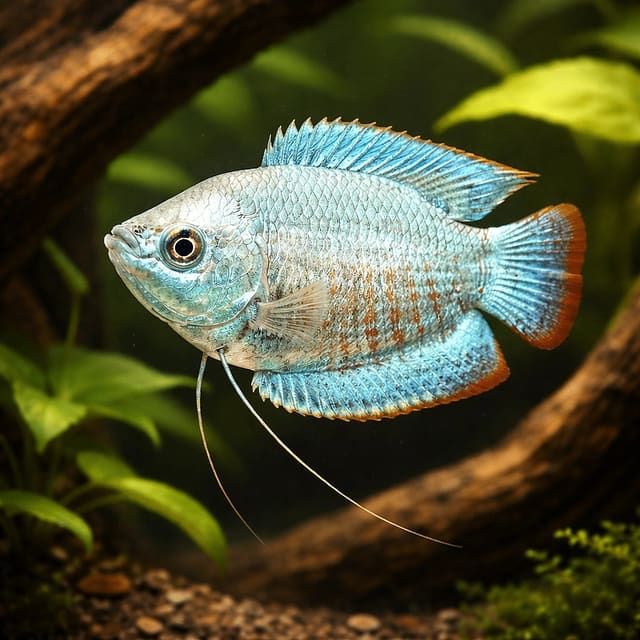
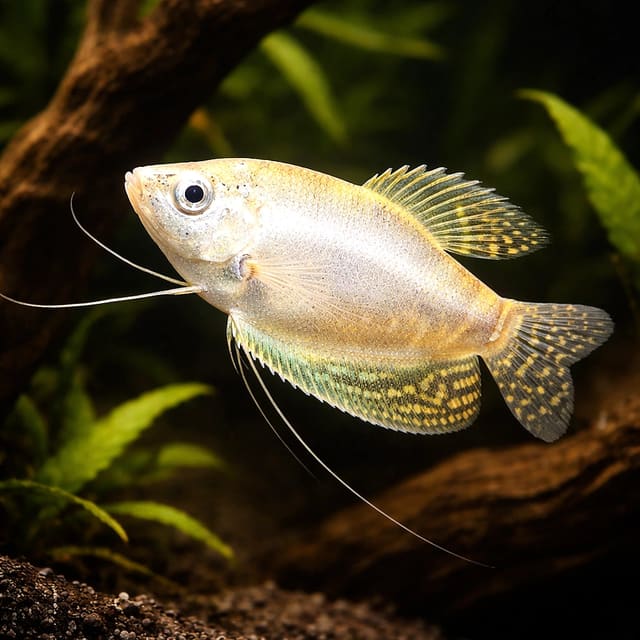
Silver Platinum Three-Spot Gourami
22–28°C · pH 6–8 · 120L
From £4.99Some sizes on sale

A vivid Blood Red Dwarf Gourami ideal for tropical community aquariums. Peaceful, eye-catching and full of character. Order now with UK delivery.
Adult size is the maximum length this species reaches at full maturity (scientific sources). The livestock you receive will be younger and smaller. Product-photo provenance and any image-specific limitations are stated on the listing.
Trichogaster lalius
Save when buying multiple fish. Each quantity is one fish; sex and pair formation are not guaranteed unless the selected variant explicitly states them.
Confirm your email, then we’ll send an availability message for this exact item if it returns within 180 days.
This request is only for this product—no newsletter or other promotions. A mail-provider retry may very rarely duplicate the same availability message. Unconfirmed addresses are removed after 48 hours. See our privacy policy.
A vivid Blood Red Dwarf Gourami ideal for tropical community aquariums. Peaceful, eye-catching and full of character. Order now with UK delivery.
Adult size is the maximum length this species reaches at full maturity (scientific sources). The livestock you receive will be younger and smaller. Product-photo provenance and any image-specific limitations are stated on the listing.
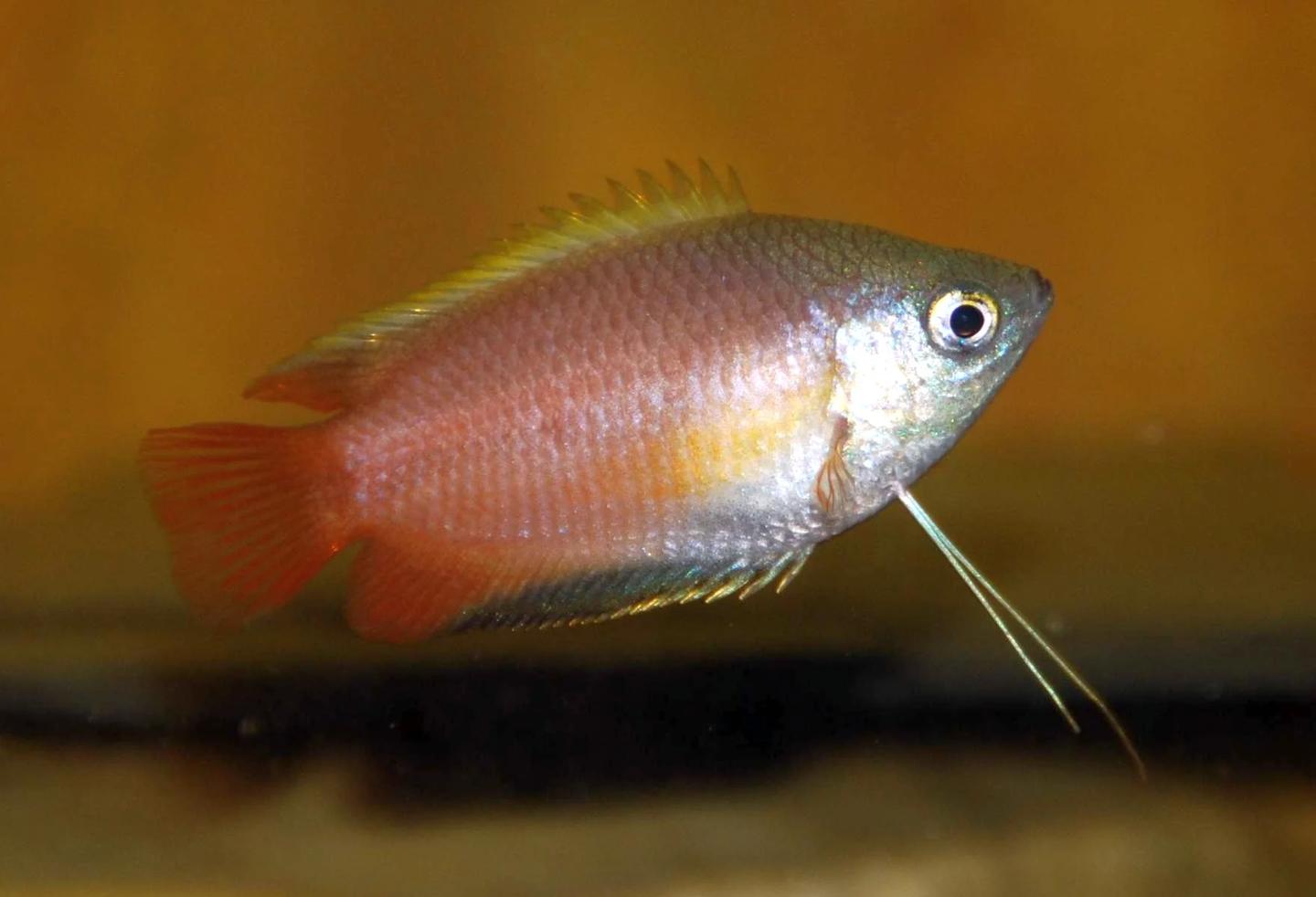
Start with a mature, filtered aquarium at least 60 cm long. Published size records disagree, and broad group guidance is not Honey-Gourami-specific, so verify Trichogaster chuna, the seller's adult-size advice and any claimed sexes before choosing one fish or a group.
Maintain these water conditions for optimal health and vibrant colors
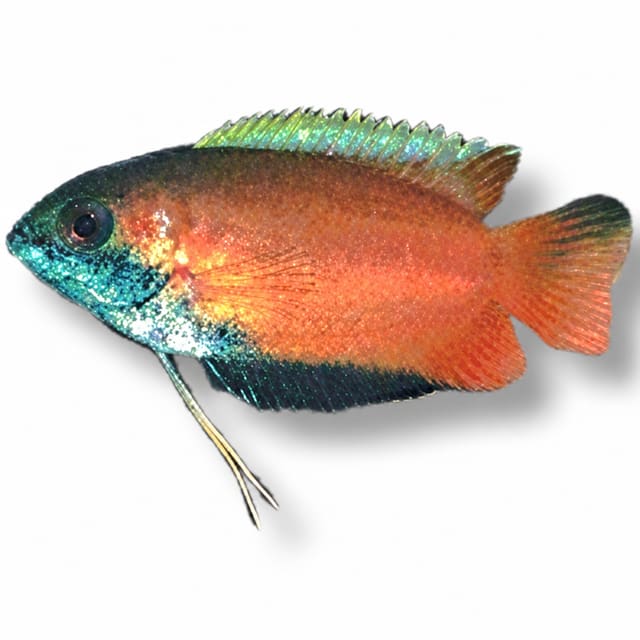
The Blood Red Dwarf Gourami, Trichogaster lalius, is one of the most eye-catching labyrinth fish available for a peaceful home aquarium. This captive-bred red morph combines the compact size and calm nature of the classic dwarf gourami with a richer, deeper body colour that often looks like a dark blood red glow under aquarium lighting. For many keepers in the tropical fish UK hobby, it is the answer to a common question: how do you add a true centrepiece fish to a smaller community tank without choosing something aggressive or oversized? At around 6 cm adult size, with a lifespan of up to 4 years, this is a manageable, rewarding species for beginners and experienced aquarists alike.
If you are researching a blood red dwarf gourami care guide, wondering about blood red dwarf gourami tank size, or comparing blood red dwarf gourami water parameters before stocking a planted aquarium, this fish is a strong candidate. It thrives in warm, stable water, does especially well as a blood red dwarf gourami in planted tank layouts, and uses its labyrinth organ to breathe atmospheric air at the surface. See our detailed photos showing the metallic red sheen, blue-edged finnage, and compact body shape that make this fish so popular. Whether you want a standout pair for a peaceful display or a single male as a focal fish, the Blood Red offers colour, personality, and easy day-to-day care in one elegant package.
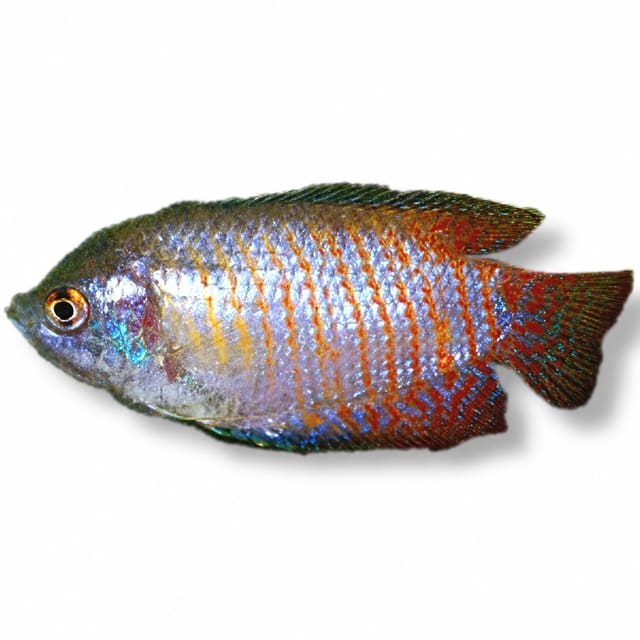
Trichogaster lalius belongs to the labyrinth fish group, a fascinating set of species able to breathe air thanks to a specialised organ above the gills. In the aquarium hobby, dwarf gouramis have long been valued as colourful, peaceful fish for smaller tropical tanks. The Blood Red strain is a selectively bred colour form rather than a separate wild species, developed for stronger red coverage and cleaner body colour than many standard forms. It sits alongside other popular gouramis, including the classic Dwarf Gourami, the vivid Cobalt Dwarf Gourami, and larger relatives such as the Silver Platinum Three-Spot Gourami.
The blood red dwarf gourami habitat is best understood in two parts: the natural ancestry of the species and the reality of the modern aquarium strain. Wild-type Trichogaster lalius originates from South Asia, especially slow-moving waters in India, Bangladesh, and nearby regions. These fish are associated with calm canals, floodplain pools, rice paddies, and vegetated margins where the water is warm, often shallow, and rich in plant cover. In nature they spend much of their time near the upper levels, moving among floating leaves and stems while picking at tiny invertebrates, insect larvae, and plant matter.
That natural setting explains why a Blood Red usually prefers gentle flow, shaded areas, and easy access to the surface. Although some search terms online around “where do red blood cells” or “red blood cells origin” are unrelated to fishkeeping, the useful question here is origin in the aquarium sense: this red form is a captive-bred morph based on the wild dwarf gourami. That means you get the same basic behaviour and body shape as the species found in South Asian waters, but with a stronger ornamental red pattern selected over generations.
In the wild, dwarf gouramis live among roots, grasses, and floating plants, often in water with low to moderate current. Recreating that environment indoors helps reduce stress, improve appetite, and support stronger colour. A tank with floating cover, dark substrate, and planting around the back and sides will usually make the fish feel secure. This is why many aquarists report the best colour and confidence from a blood red dwarf gourami in planted tank aquascapes rather than bare community setups.
The species is not difficult to keep, but it does appreciate stability. Warm air above the waterline matters too because labyrinth fish regularly gulp surface air. Sudden cold drafts over an open tank can irritate them. In practical terms, the ideal aquarium mimics a still, warm, plant-rich edge habitat rather than a bright, fast-flowing river display.
Mimicking the natural habitat of dwarf gouramis improves confidence, feeding response, and colour intensity. A calm surface, floating plants, and broken sight lines often make a newly introduced Blood Red settle much faster than an open, brightly lit tank.
Getting the blood red dwarf gourami tank setup right is the key to long-term success. This species is often sold as beginner-friendly, and that is true, but only when the tank is mature, heated, and stable. If you are planning a blood red dwarf gourami aquarium setup, think in terms of warmth, cover, and low stress rather than just litres on paper.
The blood red dwarf gourami minimum tank size is 40 litres for a single fish or a carefully chosen pair, but a larger aquarium is easier to keep stable. In practice, a blood red dwarf gourami tank size of 60 litres or more gives better room for planting, better dilution of waste, and more flexibility with tank mates. If you are asking how many blood red dwarf gourami in a tank, the safest answer for most home aquariums is one male in a small community tank, or one pair in a well-structured setup. Multiple males in a compact tank usually leads to chasing and territorial stress.
The recommended blood red dwarf gourami water parameters are straightforward: keep temperature between 24 and 28°C, pH between 6.0 and 7.5, and hardness between 5 and 15 dGH. The ideal blood red dwarf gourami temperature for routine care is around 25-26°C. If you are specifically checking blood red dwarf gourami water temperature for breeding or recovery from mild stress, aim for the warmer half of the range, around 27-28°C, but only with good oxygenation and stable water quality. The normal blood red dwarf gourami ph level is mildly acidic to neutral, though captive fish are usually adaptable if changes are gradual. Blood red dwarf gourami water hardness should stay moderate rather than extreme.
Blood red dwarf gourami filtration needs are moderate. They dislike strong current, so choose a gentle internal filter, a well-baffled hang-on-back, or an air-driven sponge filter for breeding tanks. The goal is biological stability without a harsh flow pushing the fish around the surface. A common beginner mistake is fitting oversized filtration and creating a constant blast across the top of the tank. Ignore unrelated search phrases like “will red blood cells pass through the filtration membrane”; for fishkeeping, what matters is that the filter supports nitrifying bacteria and keeps ammonia and nitrite at zero.
A dark sand or fine gravel substrate helps the red body colour stand out and encourages a calmer display. For a true blood red dwarf gourami ideal conditions layout, include rooted plants, floating plants, and some wood or branch structure. Fine-leaved stems, Cryptocoryne, and floating Salvinia or Amazon frogbit work very well. If you enjoy labyrinth fish, you may also want to compare this species with the larger Red Three-Spot Gourami or the classic Paradise Fish Opercularis- PEACEFUL COLOURFUL FRESH for different display styles.
Moderate lighting is ideal. Very harsh light can make newly introduced fish hide, while soft to medium lighting with floating cover encourages natural behaviour. Keep lights on for 6-8 hours at first, then extend if plant growth requires it.
Always cycle the tank for 4-6 weeks before adding labyrinth fish. A mature filter and stable temperature matter far more than expensive décor when learning how to care for blood red dwarf gourami.
The blood red dwarf gourami diet is best described as omnivorous with a strong preference for small, protein-rich foods. In nature, dwarf gouramis pick at insect larvae, tiny crustaceans, biofilm, and bits of plant material near the surface and among vegetation. In the aquarium, they do best on a varied menu rather than one single staple. If you want a practical blood red dwarf gourami feeding guide, think small portions, good variety, and foods sized for a small upturned mouth.
A quality tropical micro pellet or fine flake should form the base of the diet. Choose foods that stay near the upper water levels long enough for the fish to feed naturally. This species is not built for rummaging through heavy sinking foods on the substrate.
To improve condition and colour, add frozen or live foods several times per week. Bloodworm, daphnia, cyclops, and brine shrimp are all excellent. These foods are especially useful when conditioning a pair for blood red dwarf gourami breeding or helping a newly settled fish regain body mass after transport.
Feed once or twice daily, offering only what is eaten in about 30-60 seconds. A common issue with small tropical fish is chronic overfeeding. That leads to excess waste, poor water quality, and bloating. Ignore the many unrelated medical search phrases in keyword lists; for aquarists, the real issue is not “bright red” anything in human health terms, but whether the fish is eating eagerly, passing normal waste, and maintaining a rounded but not swollen body shape.
| Time | Food | Amount |
|---|---|---|
| Morning | Fine tropical pellet or flake | Small pinch |
| Evening | Frozen brine shrimp or bloodworm | Very small portion |
If you are building a peaceful aquarium gourami UK collection, varied feeding also reduces competition. Surface-oriented fish like gouramis can become choosy if fed only one food for too long. Rotating foods keeps them interested and supports stronger finnage and colour.
Overfeeding causes ammonia spikes, cloudy water, and digestive stress. Blood Red Dwarf Gouramis have small stomachs, so several tiny meals are safer than one large dump of food.
The main reason aquarists choose this fish is obvious the moment it settles under proper lighting: the body glows with a rich blood red color that can range from bright scarlet to a more dark blood red tone depending on mood, genetics, substrate, and light angle. If you have ever searched “blood red meaning”, “blood red definition”, or “blood red vs crimson”, the aquarium version sits somewhere between those ideas: deeper than orange-red, warmer than crimson, and often with an iridescent blue or turquoise edging on the fins.
Adult blood red dwarf gourami size is usually around 5-6 cm. The body is laterally compressed, with a rounded profile, long flowing anal fin, and thread-like pelvic fins used as sensory feelers. Males are usually brighter, more intensely coloured, and slightly more pointed in the dorsal fin. This is important when comparing blood red dwarf gourami male vs female: females tend to be duller, often with a softer, more silvery or beige-red appearance and a less extended dorsal shape.
Online shoppers sometimes ask if the shade matches a “blood red color code”, “blood red hex”, “bright blood red color code”, or even a “light blood red hex code”. In reality, live fish colour is dynamic. Stress, dominance, breeding condition, and even the background of the aquarium can change how red the fish appears. A dark substrate and warm-spectrum lighting usually produce the strongest visual effect.
Our photos show the intense red coverage and metallic sheen typical of well-settled specimens. In a planted aquarium, the contrast between green foliage and the fish’s body colour is especially striking, which is one reason this morph remains such a favourite among small community fish keepers.
The Blood Red is often described as the best gourami for community tank setups where space is modest and the goal is colour without aggression. In general, blood red dwarf gourami compatible fish are small, peaceful species that enjoy similar temperatures and do not nip fins. Good blood red dwarf gourami tank mates include rasboras, small tetras, Corydoras, and other calm bottom dwellers. The fish occupies mainly the upper level, so it pairs well with midwater shoalers and peaceful substrate species.
For a classic community, combine one Blood Red with a school of rasboras and a group of Corydoras in a 60-90 litre planted tank. If you enjoy gourami relatives, compare the temperament of the standard Dwarf Gourami and the more vivid Cobalt Dwarf Gourami. For aquarists wanting a more unusual peaceful companion in a separate niche, Dario Tigris can suit a carefully planned, calm setup with plenty of cover.
Avoid fin nippers such as tiger barbs, large boisterous livebearers, and aggressive cichlids. Do not mix multiple male dwarf gouramis in a small tank. Also use caution with larger gouramis such as the Silver Platinum Three-Spot Gourami or Red Three-Spot Gourami unless the aquarium is very spacious and structured, because size difference and territorial behaviour can stress the smaller fish.
In a 60-litre planted aquarium: 1 male Blood Red, 8 small rasboras, and 6 pygmy Corydoras is a balanced plan. In a 90-litre tank, a pair can sometimes work with a larger school of peaceful tetras and bottom dwellers, but watch for male territorial behaviour during breeding periods. If you are planning blood red dwarf gourami with other fish, always prioritise calm species over colourful but pushy ones.
Large adult shrimp and snails are often safe, but tiny shrimp fry may be eaten. Nerite snails are usually fine. Amano shrimp can work in heavily planted tanks, though individual fish vary.
| Species | Compatible? | Notes |
|---|---|---|
| Cobalt Dwarf Gourami | ⚠️ Caution | Possible in larger tanks, but males may compete |
| Paradise Fish Opercularis- PEACEFUL COLOURFUL FRESH | ⚠️ Caution | Can be more assertive than dwarf gouramis |
| Dario Tigris | ✅ Yes | Works in calm, well-planted setups with careful feeding |
| Red Three-Spot Gourami | ❌ Avoid | Larger and more territorial in typical home tanks |
Always quarantine new arrivals for 2-4 weeks before adding them to a community tank. This protects delicate labyrinth fish from parasites and prevents one stressed newcomer from disrupting a settled group.
Blood red dwarf gourami breeding is classed as moderate rather than difficult. The species is a bubble nester, and breeding behaviour is one of the most fascinating parts of keeping labyrinth fish. If you are researching blood red dwarf gourami male vs female before pairing them, start with a mature, brightly coloured male and a fuller-bodied female. The male usually shows stronger red and more extended finnage.
Use a separate 25-40 litre breeding tank with shallow water, very gentle filtration, floating plants, and a temperature around 27-28°C. Keep the tank covered to maintain warm, humid air above the surface. Condition the pair with frozen foods for one to two weeks.
The male builds a bubble nest under floating cover, then courts the female beneath it. During spawning, he wraps around her and fertilised eggs rise into the nest. At this stage, remove the female if the male becomes too persistent.
Eggs usually hatch in about 24-36 hours depending on temperature. The male guards the nest until the fry become free-swimming, after which he should be removed. First foods should be infusoria or liquid fry food, followed by microworms and newly hatched brine shrimp as the fry grow.
The biggest breeding problems are excessive current, cold air above the water, and overfeeding the fry tank. Keep water changes small and frequent. Because this is a selectively bred colour form, not every spawn will produce identical intensity of red.
For the best nest-building response, lower the water level to around 12-15 cm and add floating plant cover. Males often build more stable nests in shallow, still water than in a full-depth breeding aquarium.
Not all gouramis suit the same aquariums. Comparing similar species helps you choose the right fish for your tank size, stocking plan, and experience level. The Blood Red is ideal when you want a compact, colourful labyrinth fish for a peaceful display rather than a larger or more assertive centrepiece.
| Feature | Blood Red Dwarf Gourami | Cobalt Dwarf Gourami |
|---|---|---|
| Max Size | 6 cm | 6 cm |
| Care Level | Easy | Easy |
| Temperature | 24-28°C | 24-28°C |
| Price | £44.51 | Varies |
| Best For | Warm planted community tanks | Blue-focused colour contrast |
| Feature | Blood Red Dwarf Gourami | Paradise Fish |
|---|---|---|
| Temperament | Peaceful | More assertive |
| Tank Style | Community | Species-focused or careful community |
| Colour Effect | Red focal fish | Striped iridescence |
| Best For | Beginners and planted tanks | Keepers wanting stronger personality |
| Alternative | Cobalt Dwarf Gourami | Paradise Fish Opercularis- PEACEFUL COLOURFUL FRESH |
Choose the Blood Red if you want a smaller fish with a calmer temperament and a warm red focal colour. Choose a Gold Giant Gourami only if you have a truly large aquarium, because that species grows far beyond the scale of a dwarf gourami setup. For most planted community tanks, the Blood Red remains one of the easiest ways to add a bold centrepiece without losing compatibility.
Good blood red dwarf gourami health starts with stable temperature, clean water, low stress, and careful sourcing. A healthy specimen should show clear eyes, intact fins, steady breathing, a good feeding response, and confident movement near the upper levels. Because dwarf gouramis can be sensitive to poor water quality and stress, prevention matters more than cure.
Blood red dwarf gourami diseases can include fin damage from aggression, bacterial infections in poorly maintained tanks, external parasites such as ich, and general wasting from chronic stress. Watch for clamped fins, flashing, white spots, excess mucus, loss of appetite, or hanging at the surface with laboured breathing. While the species can breathe atmospheric air, that does not mean it tolerates bad water.
Move affected fish to a quarantine tank where possible. Test ammonia, nitrite, nitrate, temperature, and pH before adding medication. Many apparent disease issues are really environmental problems caused by unstable heating, overfeeding, or bullying from unsuitable tank mates. Weekly maintenance and a varied diet do more for long-term resilience than reactive medication alone.
Never medicate blindly. Treat the cause as well as the symptom, and remember that copper-based medications are dangerous in tanks containing shrimp or other sensitive invertebrates.
If you are keeping Trichogaster Lalius «Blood Red» in a community aquarium, quarantine is especially important. It protects both the new fish and the established stock, and it gives the gourami time to recover from transport before facing competition in the display tank.
The Blood Red is a calm, observant fish with more personality than its size suggests. It spends much of its time in the top third of the aquarium, weaving through plant cover, inspecting the surface, and pausing under floating leaves. Males may display to one another with flared fins and stronger colour, especially in smaller tanks or during breeding condition.
This species is not a schooling fish. It is better thought of as a solitary or paired centrepiece. A single male often becomes the visual focus of a peaceful community tank, while a pair can show more natural interaction if the aquarium is well planted. If the setup is too open, the fish may appear shy. If the tank is too crowded at the surface, it may become withdrawn.
One of the most interesting traits is the use of the labyrinth organ. You will see the fish rise to the surface for gulps of air, which is completely normal. Gentle flow, floating cover, and warm humid air under a lid encourage this natural behaviour. In a mature planted aquarium, Blood Reds often become bolder over time and will quickly learn feeding routines.
When you buy blood red dwarf gourami UK, quality at the point of dispatch matters. This is a species where colour, body condition, and stress level make a visible difference within days of arrival. Our Blood Red Dwarf Gouramis are selected for strong red coverage, good finnage, and alert behaviour, rather than simply being packed as the cheapest available red gourami line. That matters if you are comparing blood red dwarf gourami price UK options and want fish that settle quickly into a display tank.
Each fish is observed before sale for feeding response, swimming behaviour, and external condition. We do not treat this species like a generic line item in a broad tropical fish uk for sale list. Because dwarf gouramis can be sensitive to stress, careful holding and packing are especially important. Fish are bagged professionally, insulated for transit, and supplied with heat packs in cold weather when needed. This makes a real difference for customers looking to buy live fish online uk without compromising welfare.
If you have been searching for the best place to buy tropical fish online uk, or comparing stores offering buy tropical fish online uk free delivery, remember that husbandry standards matter more than headline claims. We provide clear acclimation guidance, and these fish are suited to established heated aquariums with stable parameters. If you want to order blood red dwarf gourami UK, need blood red dwarf gourami delivery UK, or are checking where to buy blood red dwarf gourami UK, this listing is designed for keepers who want healthy, accurately described stock.
Whether you are searching for blood red dwarf gourami for sale UK, blood red dwarf gourami online UK, or even comparing a cheap blood red dwarf gourami UK listing elsewhere, the best value comes from fish that arrive in good condition and adapt well to your aquarium. Order your Blood Red Dwarf Gourami today with confidence and build a warmer, more colourful community tank around a true small-scale centrepiece.
If you enjoy the look and temperament of this fish, consider the classic Dwarf Gourami for a traditional colour form, or the striking Cobalt Dwarf Gourami for a cooler blue contrast in planted tanks. For keepers interested in other labyrinth fish, the Paradise Fish Opercularis- PEACEFUL COLOURFUL FRESH offers a more assertive personality, while the Silver Platinum Three-Spot Gourami suits larger aquariums. If you want a bolder red-toned alternative in a bigger setup, look at the Red Three-Spot Gourami. You can also browse our wider tropical fish UK collection to build a peaceful community around your Blood Red centrepiece.
No reviews for this item yet. Bought one? Honest reviews only, good or bad.
What customers say about ordering from us
I have a small group of long finned mountain minnows. So was delighted to be able to order ten of this variety to increase the genetics in my tank . The ones I recieved are healthy but it’s to early to give a verdict on wether they are of a long finned type since they are small currently.
Gordon Walker · 23 Sept 2026
100% success travel and "installation". Pleased with quality of purchase. The Siamese fighter a bit "shy" so have not yet seen him at his best yet but looking good. Happy customer. GG
George E Garratt · 21 Sept 2026
Reviews of our shop, collected by Judge.me, an independent third-party review collector. Newest first.