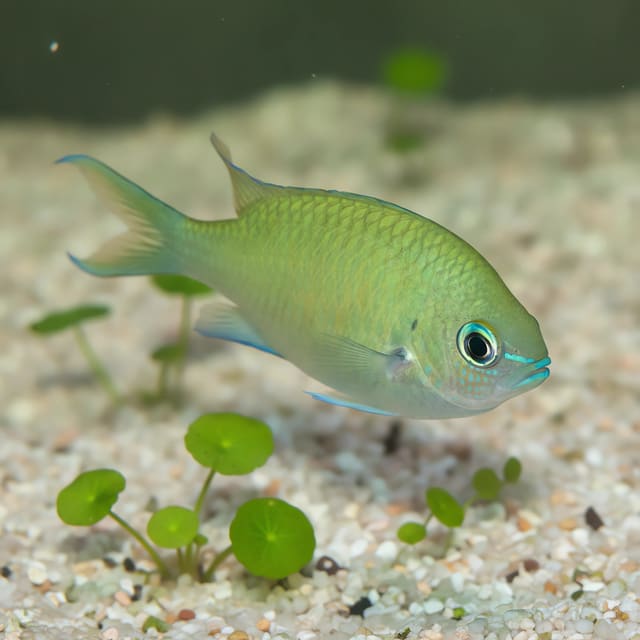
Blue Green Damsel (Chromis viridis) - Marine Aquarium Livestock UK
24–26°C · pH 7.9–8.3
£28.99
A hardy, eye-catching marine chromis with a bold dark bar and active shoaling behaviour.
Adult size is the maximum length this species reaches at full maturity (scientific sources). The livestock you receive will be younger and smaller. Product-photo provenance and any image-specific limitations are stated on the listing.
Chromis retrofasciata
Confirm your email, then we’ll send an availability message for this exact item if it returns within 180 days.
This request is only for this product—no newsletter or other promotions. A mail-provider retry may very rarely duplicate the same availability message. Unconfirmed addresses are removed after 48 hours. See our privacy policy.
A hardy, eye-catching marine chromis with a bold dark bar and active shoaling behaviour.
Adult size is the maximum length this species reaches at full maturity (scientific sources). The livestock you receive will be younger and smaller. Product-photo provenance and any image-specific limitations are stated on the listing.
Maintain these water conditions for optimal health and vibrant colors
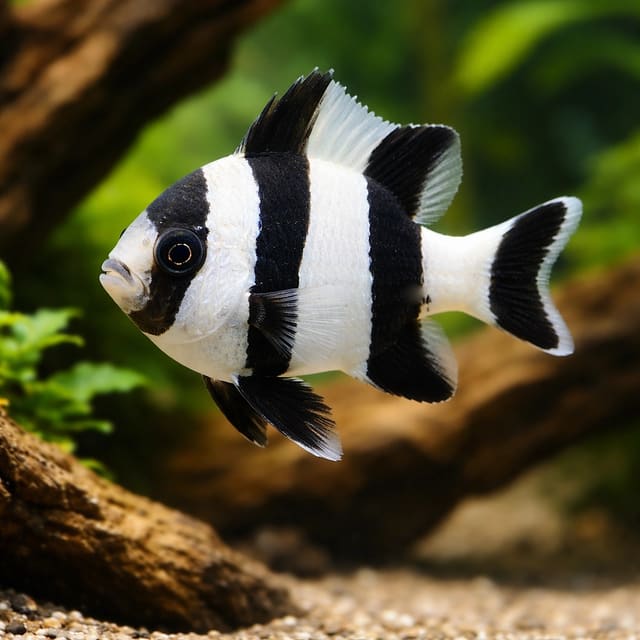
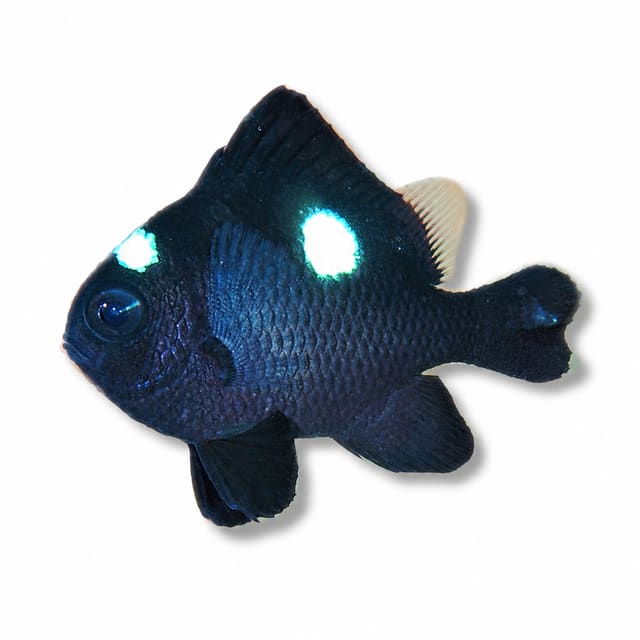
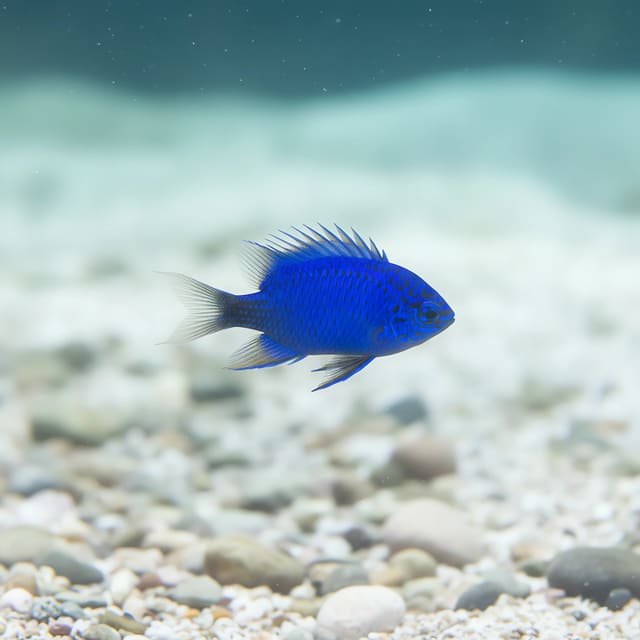
The Black-bar Chromis (Chromis retrofasciata) is a striking small marine damselfish prized for its attractive dark body markings, active swimming style and generally peaceful nature compared with many other damsels. Reaching around 4 cm as a juvenile and a modest adult size, it is a great choice for reef and fish-only marine aquariums where movement, colour and a lively shoaling presence are desired.
This species is best kept in a small group in a suitably sized aquarium, where it will establish a natural hierarchy without the aggression often associated with larger damselfish. It is a good option for aquarists looking for a hardy saltwater fish that can adapt well to stable marine conditions. As with all live fish, we recommend careful acclimation on arrival. Every order is backed by our live arrival guarantee and fast UK delivery for peace of mind.
Black-bar Chromis are active mid-water swimmers that spend much of the day in the open water column, darting between rockwork and cruising in loose shoals. Their behaviour adds constant movement to the tank and makes them a popular choice for mixed marine setups.
| Attribute | Recommendation |
|---|---|
| Scientific name | Chromis retrofasciata |
| Common name | Black-bar Chromis |
| Care level | Easy to moderate |
| Temperament | Peaceful |
| Adult size | Approx. 4 cm |
| Minimum tank size | 120 litres for a small group |
| Temperature | 24–27°C |
| pH | 8.1–8.4 |
| Diet | Omnivore; marine pellets, frozen foods, small meaty fare, algae-based foods |
| Tank region | Middle |
Chromis retrofasciata is a marine damselfish associated with warm tropical waters, typically found around coral-rich coastal habitats and reef structures where shelter and open swimming space are both available. In nature, chromis species often form loose schools above branching corals or around rocky reef edges, feeding in the water column and retreating into cover when threatened.
This natural habitat explains their need for a tank with both open swimming areas and plenty of live rock or reef structure. A stable, mature marine environment helps them settle and display their best colour and behaviour. Because they are reef-associated fish, they are generally well suited to reef aquariums, provided tankmates are chosen carefully.
For best results, house Black-bar Chromis in a mature marine aquarium with stable salinity, excellent filtration and strong water movement. They appreciate a well-oxygenated tank with plenty of swimming room, along with rockwork that creates visual barriers and resting spaces. A small group is often more natural than a single specimen, but the aquarium should be large enough to reduce territorial pressure as the fish mature.
Use live rock to provide shelter and grazing surfaces, and keep the aquascape open enough for active mid-water swimming. Moderate to strong flow is beneficial, reflecting the dynamic conditions of reef environments. Good surface agitation and efficient protein skimming are also helpful for maintaining water quality.
Recommended parameters are:
As a hardy marine fish, this species can adapt well once settled, but it should never be added to an immature aquarium. Allow the tank to fully cycle before introduction, and acclimate slowly to reduce stress after transit.
Black-bar Chromis are omnivorous and should be offered a varied diet to support colour, condition and immune health. In the aquarium they readily accept high-quality marine flakes or micro pellets, along with frozen and thawed foods such as mysis shrimp, enriched brine shrimp, copepods and finely chopped marine preparations. Occasional algae-based foods or spirulina-rich feeds can help balance the diet.
Feed small amounts once or twice daily, only as much as the fish will consume quickly. Overfeeding can compromise water quality, especially in smaller marine systems. A varied diet is particularly important for shoaling fish, as it helps maintain even growth and reduces competition at feeding time.
For newly imported fish, start with small, frequent meals and observe feeding response closely. Healthy chromis are usually eager feeders once settled.
Black-bar Chromis are generally peaceful and are best matched with other calm marine species. They work well with many reef-safe fish, including gobies, blennies, clownfish, cardinals, firefish and other non-aggressive community species. They are also suitable for many reef aquariums where corals and invertebrates are the focus.
Although peaceful, they can become more assertive within their own group if the tank is too small or if the fish are kept in insufficient numbers. Providing space, cover and a proper shoal helps reduce bullying. Avoid pairing them with highly aggressive damselfish, large predatory species or tankmates that will outcompete them for food.
When introducing to an established aquarium, use careful acclimation and consider rearranging some rockwork if needed to reduce territorial behaviour from existing residents.
At Tropical Fish Co, we understand that buying live marine fish online requires confidence, care and reliable service. That is why we prioritise healthy stock, careful packing and fast UK delivery to help your fish arrive in the best possible condition. Our live arrival guarantee gives you extra reassurance when ordering online.
We aim to supply fish that are accurately identified, well conditioned and ready for acclimation into a suitable home aquarium. Whether you are building a reef-safe community or adding movement to a mature marine setup, the Black-bar Chromis is a rewarding choice for aquarists who want a hardy, attractive and active species.
Choose Tropical Fish Co for quality livestock, dependable service and support from a team that cares about the long-term success of your aquarium.
No reviews for this item yet. Bought one? Honest reviews only, good or bad.
What customers say about ordering from us
Easy website plenty of info on fish your buying great to pick a time slot
TRACEY DURRANT · 7 Oct 2026
Got some lovely fish thank you
Kevin Mackie · 7 Oct 2026
Reviews of our shop, collected by Judge.me, an independent third-party review collector. Newest first.