Moderate
SuperDelta Big Ears Female Betta Mix (Betta splendens)
24–28°C · pH 6–8
£11.99

Wild-type Betta imbellis, Penang line, with crescent fin markings and bubble-nesting habits. Moderate care; 24-27C, pH 6.0-7.5, 60L+.
Adult size is the maximum length this species reaches at full maturity (scientific sources). The livestock you receive will be younger and smaller. Product-photo provenance and any image-specific limitations are stated on the listing.
Betta imbellis
Confirm your email, then we’ll send an availability message for this exact item if it returns within 180 days.
This request is only for this product—no newsletter or other promotions. A mail-provider retry may very rarely duplicate the same availability message. Unconfirmed addresses are removed after 48 hours. See our privacy policy.
Wild-type Betta imbellis, Penang line, with crescent fin markings and bubble-nesting habits. Moderate care; 24-27C, pH 6.0-7.5, 60L+.
Adult size is the maximum length this species reaches at full maturity (scientific sources). The livestock you receive will be younger and smaller. Product-photo provenance and any image-specific limitations are stated on the listing.
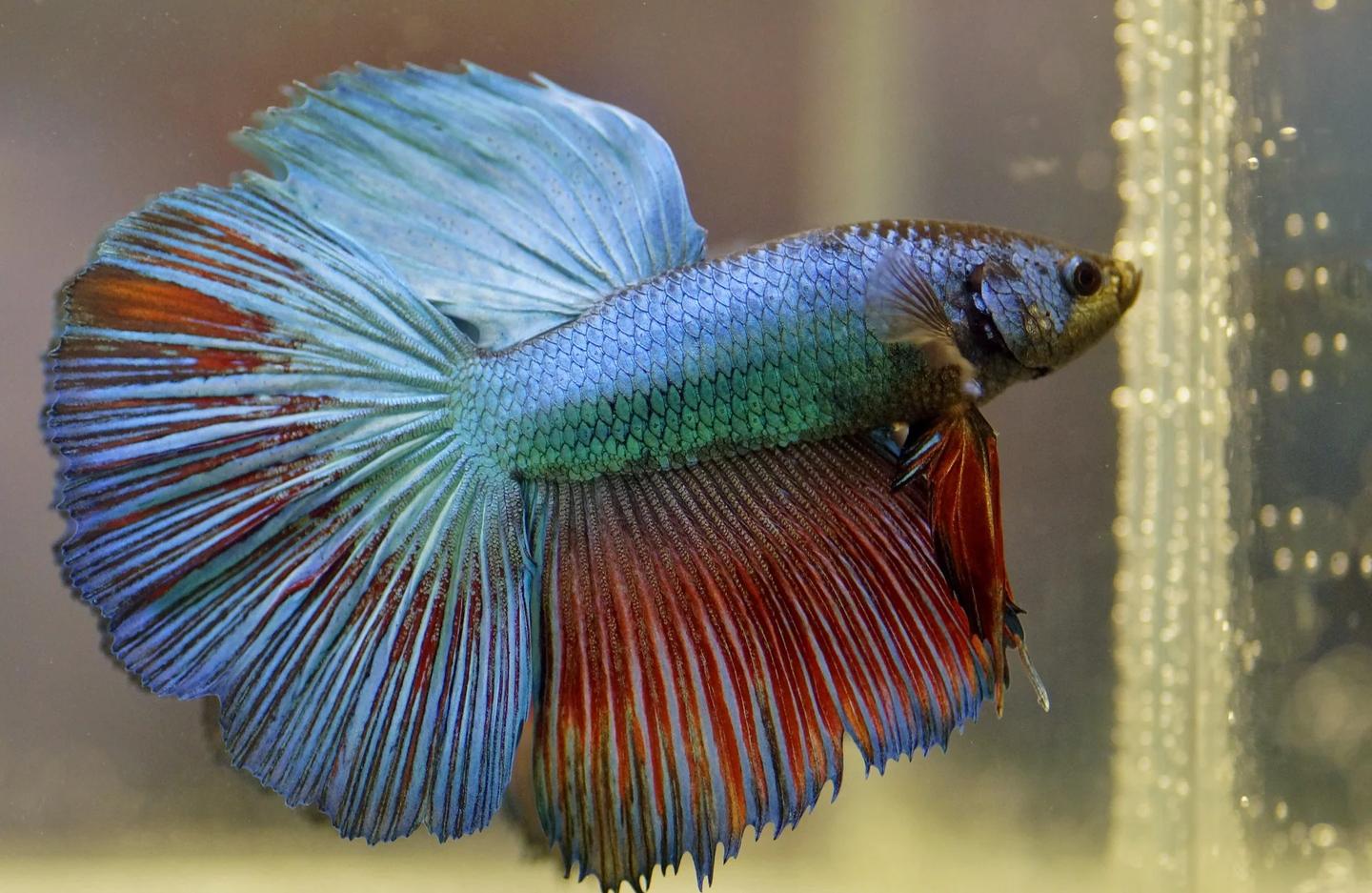
For one typical domestic Betta splendens, start with at least 20 litres, a mature filter, thermostatic heater, separate thermometer, gentle flow, a secure lid with surface access, and plants or refuges. Keep one male per aquarium.
Maintain these water conditions for optimal health and vibrant colors
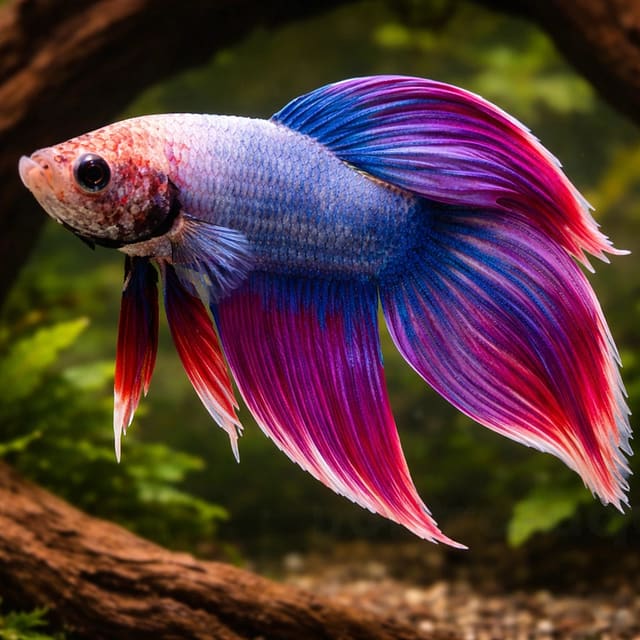
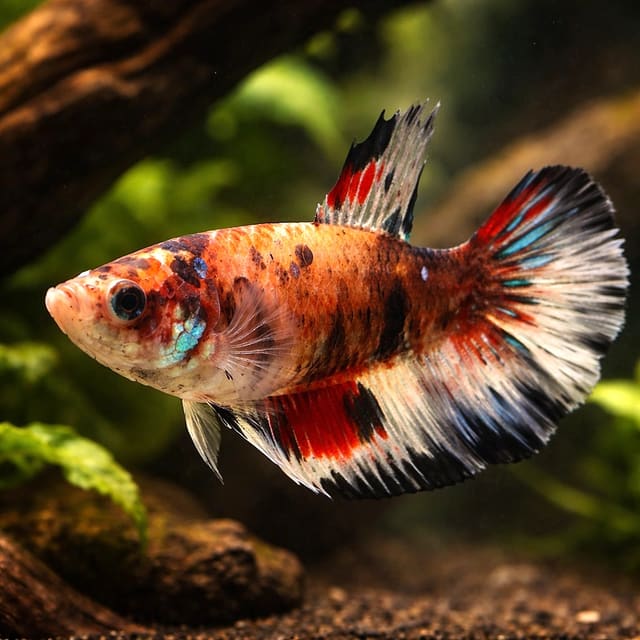
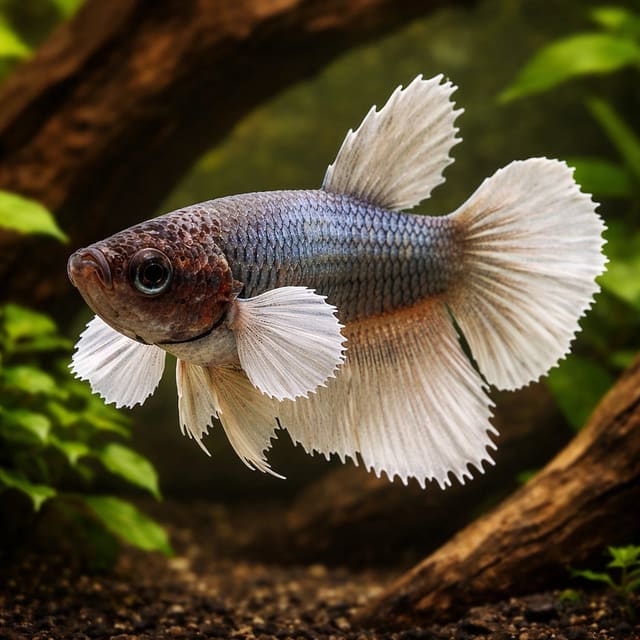
Wild bettas tell a quieter story than their showy domestic cousins, and this Penang line of Betta imbellis is a fine place to start reading it. Subtle crescent markings across the fins give the strain its trade name, and the fish pairs that understated patterning with the fascinating bubble-nesting behaviour noted on its care record. Expect a surface-oriented fish: it holds to the top of the tank, where its carnivorous appetite keeps it alert to anything edible drifting overhead, and where those crescent-edged fins show at their best against a backdrop of plants.
Despite the gentle look, treat the Crescent Penang Betta as semi-aggressive. Males will not tolerate one another, so keep a single male per aquarium and choose companions deliberately. Small rasboras, small snails and other peaceful fish that will not nip fins make sensible neighbours, while peaceful shrimp can sometimes work in larger planted tanks — though juvenile shrimp may be eaten. Steer clear of long-finned species, large boisterous tankmates, very small fry or tiny shrimp, and anything that needs hard, alkaline water. Around breeding time this betta can turn territorial, so provide plants, cover and broken sightlines from the start rather than retrofitting them later.
Feeding suits a small carnivore: meaty foods offered where the fish naturally hunts, near the surface. Water requirements are modest for a keeper with some experience — stable warmth between 24 and 27 °C, pH from 6.0 to 7.5, and hardness anywhere up to 15 dGH — with 60 litres as the recommended minimum aquarium. Expect an adult length of about 5.5 cm and a lifespan of roughly three years with consistent, attentive care.
Plan this fish as the centrepiece of a planted 60-litre setup, either on his own or alongside a shoal of small rasboras chosen from the safe list above. Each betta is packed individually and sent with a licensed live-animal courier under our live arrival guarantee, so your wild-type Penang imbellis reaches you rested and ready to settle in.
No reviews for this item yet. Bought one? Honest reviews only, good or bad.
What customers say about ordering from us
I have a small group of long finned mountain minnows. So was delighted to be able to order ten of this variety to increase the genetics in my tank . The ones I recieved are healthy but it’s to early to give a verdict on wether they are of a long finned type since they are small currently.
Gordon Walker · 23 Sept 2026
100% success travel and "installation". Pleased with quality of purchase. The Siamese fighter a bit "shy" so have not yet seen him at his best yet but looking good. Happy customer. GG
George E Garratt · 21 Sept 2026
Reviews of our shop, collected by Judge.me, an independent third-party review collector. Newest first.