Moderate
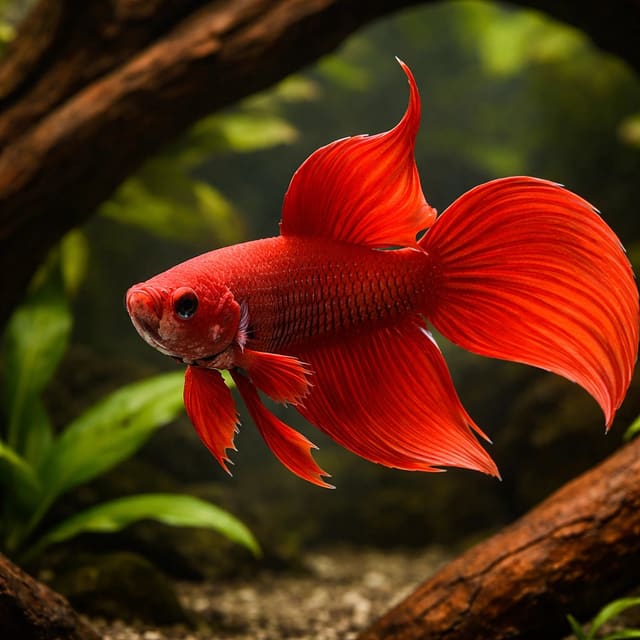
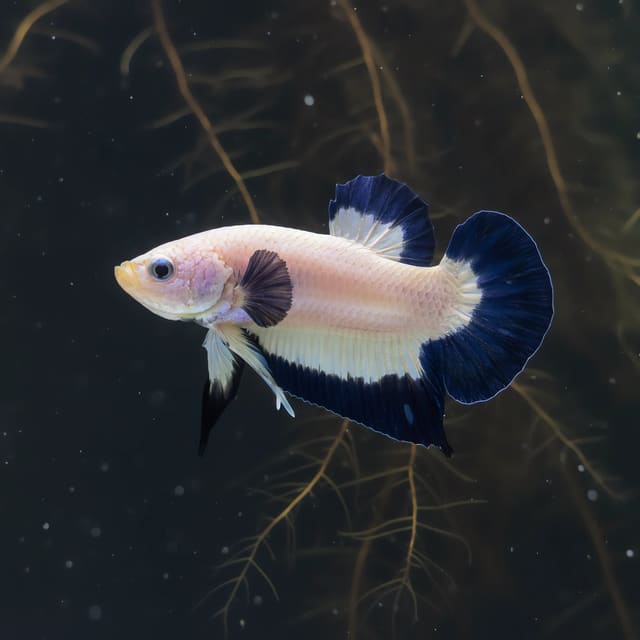
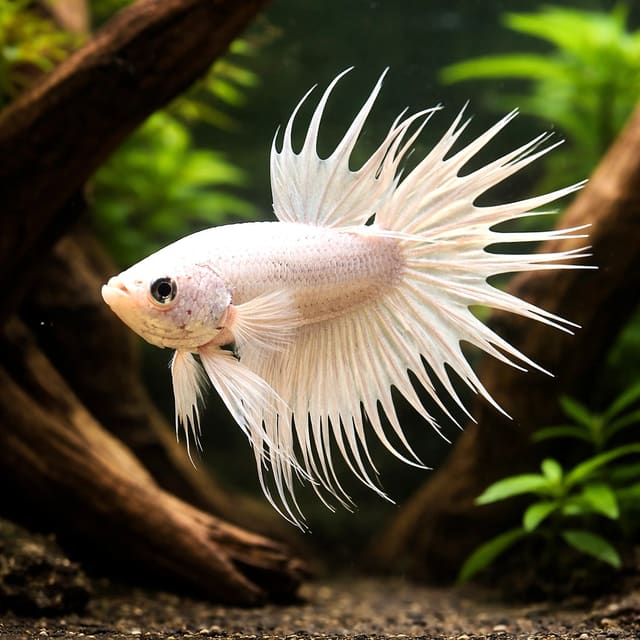
Crowntail White Male Betta (Betta splendens)
22–30°C · pH 6–8 · 41L
£22.99

A beautifully colored, relatively peaceful wild-type betta with striking red tail markings and elegant finnage. Moderate care, semi-aggressive. 24-28C, pH 6.0-7.5.
Adult size is the maximum length this species reaches at full maturity (scientific sources). The livestock you receive will be younger and smaller. Product-photo provenance and any image-specific limitations are stated on the listing.
Betta imbellis
Confirm your email, then we’ll send an availability message for this exact item if it returns within 180 days.
This request is only for this product—no newsletter or other promotions. A mail-provider retry may very rarely duplicate the same availability message. Unconfirmed addresses are removed after 48 hours. See our privacy policy.
A beautifully colored, relatively peaceful wild-type betta with striking red tail markings and elegant finnage. Moderate care, semi-aggressive. 24-28C, pH 6.0-7.5.
Adult size is the maximum length this species reaches at full maturity (scientific sources). The livestock you receive will be younger and smaller. Product-photo provenance and any image-specific limitations are stated on the listing.
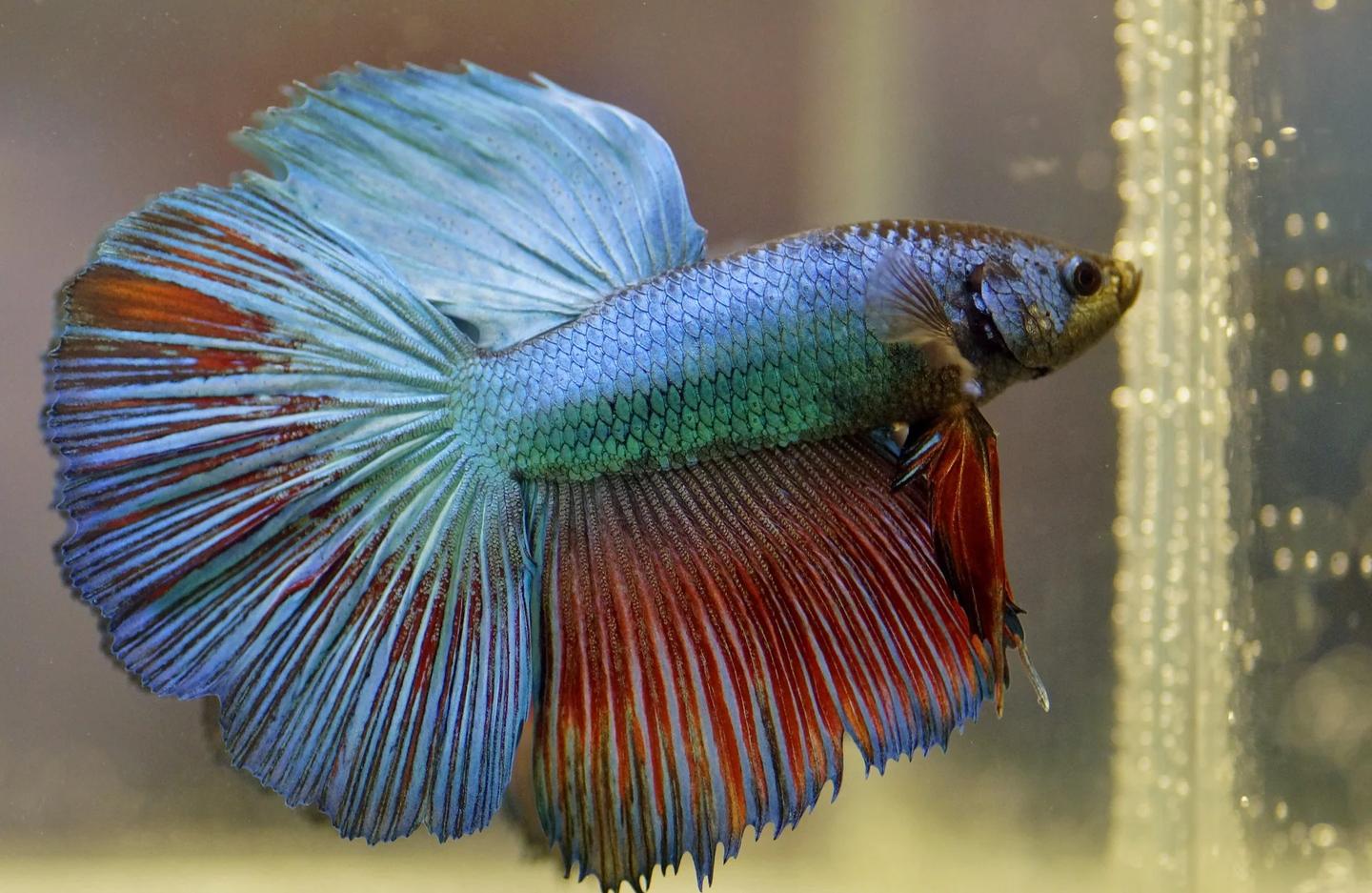
For one typical domestic Betta splendens, start with at least 20 litres, a mature filter, thermostatic heater, separate thermometer, gentle flow, a secure lid with surface access, and plants or refuges. Keep one male per aquarium.
Maintain these water conditions for optimal health and vibrant colors
Keepers who want imbellis blood with a bolder finish should meet this red tail male. The strain takes the wild imbellis body plan and signs it off with a wash of red through the tail — a simple, striking accent that reads beautifully against dark substrate and dense planting. He is a top-of-the-tank fish with a carnivore's diet, growing to around 6.5 cm and typically living about three years, which makes him a manageable, characterful centrepiece for anyone stepping beyond standard community stock into wild-line bettas.
Temperament sits firmly in semi-aggressive territory, and the usual betta arithmetic applies: one male per tank, no exceptions. The compatibility record for this strain favours quiet company. Peaceful snails are the safest companions; peaceful shrimp may work in larger, well-planted aquariums; and very peaceful small fish can share space only in bigger, heavily planted setups — even then with caution. Avoid other male imbellis, fast or boisterous tankmates, large predatory fish, fin-nippers, and long-finned species whose trailing fins may trigger aggression. Expect heightened territoriality if he comes into breeding condition, and plan the aquascape accordingly.
Water requirements are undemanding for a moderately experienced keeper: temperatures from 24 to 28 °C, pH between 6.0 and 7.5, and soft to moderately hard water in the 1–10 dGH band. A minimum of 20 litres gives him room to patrol the surface, though extra volume always widens your tankmate options. Build meals around protein-rich foods sized for a fish of 6.5 cm, offered up top where he actually hunts.
This listing is for a male, so build your stocking plan around a single-betta showpiece rather than a pair or group. He suits a planted nano on his own, or a carefully assembled low-key community in something larger. If you are matching water for the first time, aim for the middle of the recorded ranges and let the tank run steady before he arrives. Dispatch to UK addresses is handled by a licensed live-animal courier, with our live arrival guarantee on every order.
No reviews for this item yet. Bought one? Honest reviews only, good or bad.
What customers say about ordering from us
I have a small group of long finned mountain minnows. So was delighted to be able to order ten of this variety to increase the genetics in my tank . The ones I recieved are healthy but it’s to early to give a verdict on wether they are of a long finned type since they are small currently.
Gordon Walker · 23 Sept 2026
100% success travel and "installation". Pleased with quality of purchase. The Siamese fighter a bit "shy" so have not yet seen him at his best yet but looking good. Happy customer. GG
George E Garratt · 21 Sept 2026
Reviews of our shop, collected by Judge.me, an independent third-party review collector. Newest first.