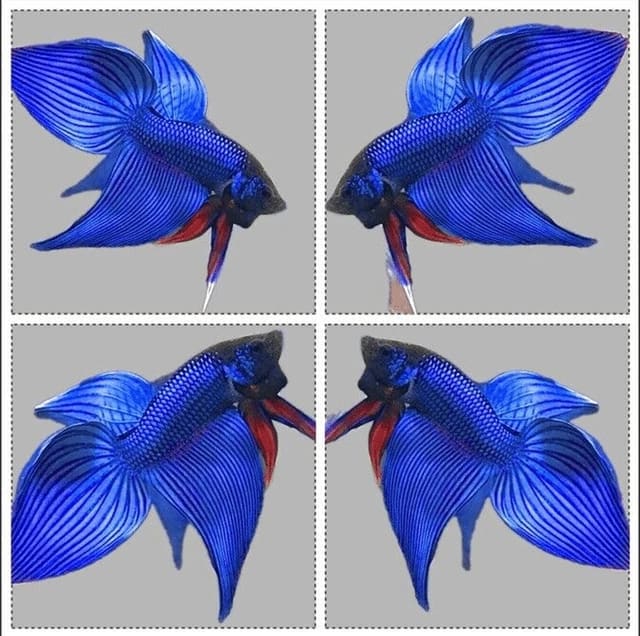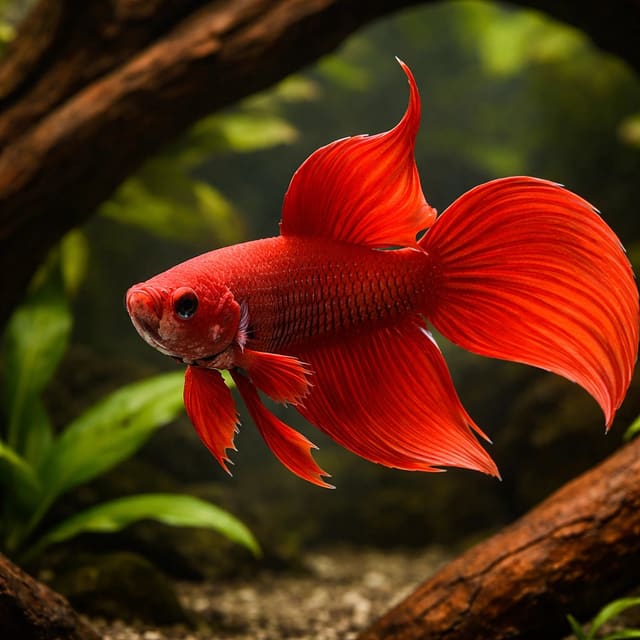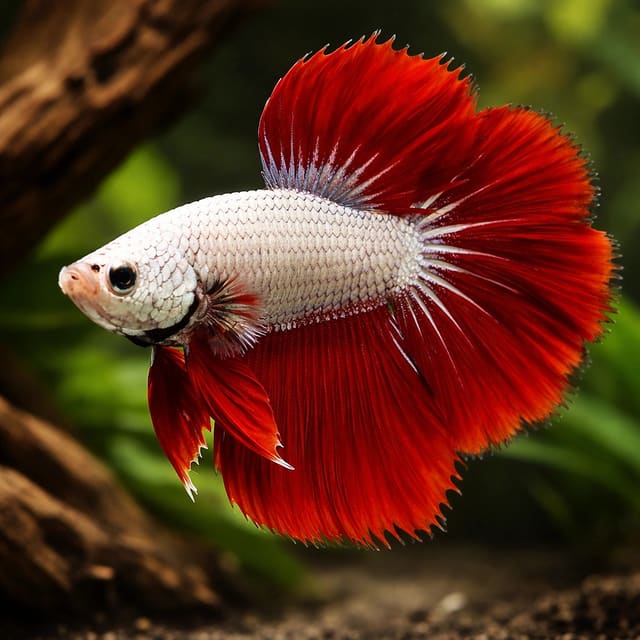
Moderate
Dragon Scale Halfmoon Male Betta Mix (Betta splendens)
26–28°C · pH 6–8 · 41L
£34.99

A striking black orchid halfmoon betta with flowing fins and bold personality, ideal for a warm, planted species tank. Easy care, aggressive. 24-30C, pH 6-7.5.
Adult size is the maximum length this species reaches at full maturity (scientific sources). The livestock you receive will be younger and smaller. Product-photo provenance and any image-specific limitations are stated on the listing.
Betta splendens
Confirm your email, then we’ll send an availability message for this exact item if it returns within 180 days.
This request is only for this product—no newsletter or other promotions. A mail-provider retry may very rarely duplicate the same availability message. Unconfirmed addresses are removed after 48 hours. See our privacy policy.
A striking black orchid halfmoon betta with flowing fins and bold personality, ideal for a warm, planted species tank. Easy care, aggressive. 24-30C, pH 6-7.5.
Adult size is the maximum length this species reaches at full maturity (scientific sources). The livestock you receive will be younger and smaller. Product-photo provenance and any image-specific limitations are stated on the listing.
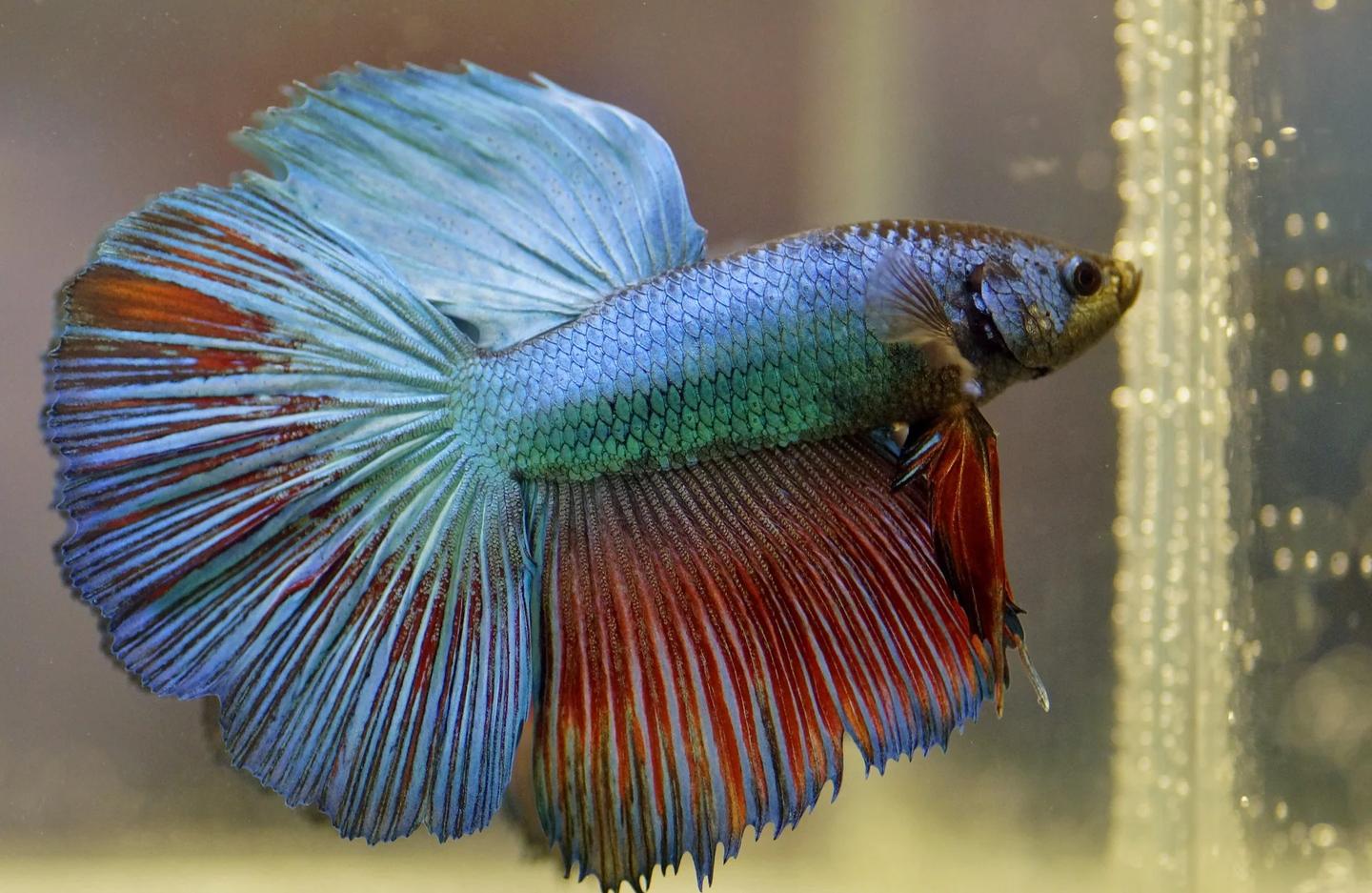
For one typical domestic Betta splendens, start with at least 20 litres, a mature filter, thermostatic heater, separate thermometer, gentle flow, a secure lid with surface access, and plants or refuges. Keep one male per aquarium.
Maintain these water conditions for optimal health and vibrant colors
Black orchid is the betta world's gothic statement: a near-black base shot through with darker iridescence, spread across the full half-circle of a halfmoon tail. On this 7 cm male the effect is theatre — in dim light he is a silhouette, under directed light the orchid layering surfaces and shifts. Few strains change character with the lighting the way this one does.
For all the drama he is rated easy care, making the black orchid one of the most forgiving routes to a top-shelf show male. Temperament is another matter: aggressive, with housing advice to match. Snails join safely; some shrimp species can work though individual males may prey on them; and very peaceful, non-nippy tank mates are conceivable only in larger, heavily planted aquariums with each fish's temperament weighed. Other male bettas, fin-nippers, aggressive or highly territorial species, large predators, and bright or long-finned fish stay out. He needs a 38-litre minimum, water at 24–30 °C, pH 6–7.5, hardness 1–15 dGH, a carnivore's menu, and surface calm in the top region he occupies. Territoriality climbs around breeding condition.
Dark fish hide problems, which makes his keeping routine slightly different: check him in good light at feeding time, when he is at the surface and side-on, because fin damage or colour dulling that white strains broadcast can pass unnoticed on near-black finnage. The routine itself is gentle — easy rating, 38 litres, heater inside 24–30 °C, carnivore meals, weekly changes holding pH 6–7.5 and 1–15 dGH. Aquascape with contrast in mind: pale sand, light hardscape or backlit planting turn him from shadow to centrepiece. His aggression is conventional for a show male; the snail-only default keeps it theoretical. Around three years of theatre for the price of basic consistency is the bargain on offer.
Pair him with a pale substrate or backlight planting and the dark finnage gains an edge most keepers never see in shop tanks. UK delivery via licensed live-animal courier — live arrival guaranteed on every order.
No reviews for this item yet. Bought one? Honest reviews only, good or bad.
What customers say about ordering from us
Easy website plenty of info on fish your buying great to pick a time slot
TRACEY DURRANT · 7 Oct 2026
Got some lovely fish thank you
Kevin Mackie · 7 Oct 2026
Reviews of our shop, collected by Judge.me, an independent third-party review collector. Newest first.