


Easy
Microrasbora kubotai - Tropical Fish for Sale UK
22–26°C · pH 6–7.5 · 30L
£4.99

A hardy, attractive, and highly adaptable cichlid with bold patterning and a strong personality, best suited to spacious tanks with robust tankmates.
Adult size is the maximum length this species reaches at full maturity (scientific sources). The fish you receive will be younger and smaller — pick a size variant above for the actual shipping size. Photos are AI-enhanced, so the live fish may show subtle colour or marking differences.
Tilapia mariae
Not home? Message us and we'll delay delivery.
A hardy, attractive, and highly adaptable cichlid with bold patterning and a strong personality, best suited to spacious tanks with robust tankmates.
Adult size is the maximum length this species reaches at full maturity (scientific sources). The fish you receive will be younger and smaller — pick a size variant above for the actual shipping size. Photos are AI-enhanced, so the live fish may show subtle colour or marking differences.
Maintain these water conditions for optimal health and vibrant colors
The Pelmatolapia mariae, commonly known as the Zebra Cichlid, Zebra Tilapia, or Tiger Cichlid, is a substantial West African species reaching an impressive 20 cm and requiring a massive minimum 400-litre aquarium. With bold patterning, hardy constitution, and semi-aggressive temperament, this adaptable cichlid suits experienced keepers ready to provide spacious housing and robust tankmates. Native to fresh and brackish waters across West and Central Africa from Côte d'Ivoire to Cameroon, this species tolerates a remarkable range of conditions including slightly brackish water. Available for sale UK from Tropical Fish Co, this zebra cichlid delivers commanding presence and fascinating breeding behavior for aquarists with substantial aquariums seeking hardy, attractive, large cichlids with personality and adaptability.
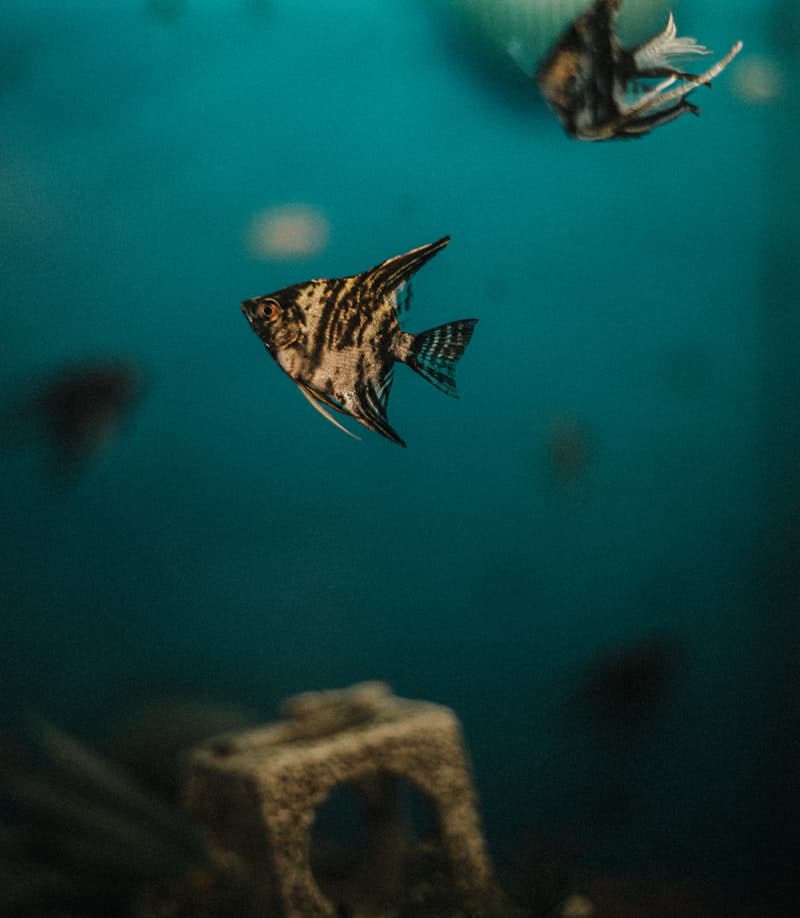
Pelmatolapia mariae displays striking patterning that justifies its "Zebra" and "Tiger" common names, with bold dark vertical bars or irregular blotches against lighter base coloration creating dramatic contrast. The specific patterning varies among individuals and populations, ranging from distinct vertical bars to more mottled "marbled" appearances. The robust, deep-bodied proportions convey power and health, with the substantial 20 cm adult size creating commanding aquarium presence. Breeding adults often intensify coloration dramatically, with males developing enhanced colors and patterns during territorial displays and spawning. The overall appearance reflects the species' adaptability and hardy constitution—this is a robust, substantial cichlid built for survival in diverse conditions from freshwater rivers to brackish coastal lagoons, capable of thriving where more delicate species would struggle.
This species inhabits a remarkably broad range across West and Central Africa, occupying fresh to brackish waters in coastal and inland systems from Côte d'Ivoire through Ghana, Benin, and into Cameroon. These diverse environments include rivers, streams, lagoons, estuaries, and even mangrove swamps where salinity fluctuates with tides. The species' exceptional adaptability to varying water chemistry (pH 6.5-8.0), temperatures (22-28°C), and even salinity reflects evolutionary success across diverse African aquatic habitats. Pelmatolapia mariae typically inhabits areas with rocky or vegetated structure providing territories and spawning sites, feeding omnivorously on algae, plant matter, invertebrates, and small fish. This ecological flexibility has made the species successful both in native ranges and as an introduced species in regions outside Africa, though introductions raise conservation concerns for native fish populations.
A massive minimum 400-litre aquarium is essential for adult Pelmatolapia mariae, with even larger volumes strongly preferred for community setups housing multiple large cichlids. Create robust aquascapes using substantial rocks, large driftwood, and hardy plants capable of withstanding the species' tendency to rearrange decorations—only the toughest plants like Anubias, Java fern attached to rocks, or Vallisneria will survive. Provide open swimming areas for this active species while including caves and territorial boundaries. Use sand or rounded gravel substrate to prevent injury. Install extremely powerful filtration providing 8-10x tank volume turnover per hour to handle the substantial bioload from large omnivorous cichlids, with strong water movement this hardy species tolerates well. Secure all equipment and decorations thoroughly—this powerful fish can dislodge poorly secured items and may damage equipment through vigorous activity or territorial displays.
The species' exceptional adaptability means it tolerates a broad range of parameters: temperatures from 22-28°C, pH from 6.5-8.0, and fresh to slightly brackish water. This flexibility makes Pelmatolapia mariae forgiving of less-than-perfect conditions compared to specialized species, though stability remains important. The species even tolerates slight salinity (up to 10% seawater), making it suitable for brackish setups if desired. Conduct substantial weekly water changes of 30-40% to control the significant waste production from large omnivorous cichlids, maintaining nitrates below 40 mg/L with ammonia and nitrite always at 0 ppm. The species' hardy constitution and broad tolerance don't eliminate the need for excellent filtration and maintenance—large fish produce substantial waste requiring diligent management despite their resilience to parameter variations that would stress delicate species.
As a robust omnivore, Pelmatolapia mariae requires varied nutrition including both vegetable and protein components. Offer quality cichlid pellets or sticks formulated for large omnivorous cichlids as the staple, supplemented with substantial vegetable matter including spirulina, blanched greens (spinach, zucchini, cucumber), and algae-based foods. Include occasional protein-rich foods such as prawns, mussels, earthworms, or quality frozen foods, but emphasize plant matter to maintain digestive health. Feed adults once or twice daily in portions consumed within several minutes, adjusting based on body condition. The species' strong appetite and rapid growth mean generous feeding is appropriate for juveniles, though adults require controlled portions to prevent obesity that shortens lifespan. Avoid overfeeding protein which can cause digestive issues—despite omnivorous classification, substantial vegetable matter should constitute the dietary foundation.
Pelmatolapia mariae displays bold, assertive behavior with semi-aggressive temperament that intensifies dramatically during breeding. This species grows large, is powerful, and can become very territorial especially as it matures or spawns, transforming previously manageable individuals into highly defensive territory holders. Males establish substantial territories and display aggressively toward rivals, while breeding pairs defend spawning areas intensely against all intruders. Outside breeding periods, individuals show active, confident behavior throughout all aquarium levels, investigating everything and displaying remarkable intelligence. The species' hardy personality matches its robust constitution—this is a bold, opportunistic fish that thrives through adaptability and assertiveness, creating fascinating observation opportunities for keepers who can provide appropriate housing and management.
Compatible tankmates are restricted to robust, similarly sized cichlids capable of defending themselves, large catfish including substantial Synodontis or Plecostomus species, and other sturdy freshwater fish tolerating semi-aggressive tankmates. The species' substantial size and power mean tankmates must be large and assertive enough to coexist without harassment. Completely avoid small fish that will be consumed or bullied, shrimp, snails (will be eaten), slow or long-finned fish that will be harassed, and peaceful community fish inappropriate for semi-aggressive setups. During breeding, territoriality escalates dramatically and even supposedly compatible tankmates may require emergency separation as pairs defend spawning territories with extraordinary aggression. Many experienced keepers ultimately maintain breeding pairs in species-only setups or with minimal robust tankmates to prevent conflict and showcase the species' impressive size and breeding behavior.
Pelmatolapia mariae is a substrate-spawning cichlid that forms pairs and becomes highly territorial when breeding. Eggs are typically laid on cleaned flat surfaces or in pits dug in substrate, with both parents participating in egg and fry defense though roles vary. Provide substantial flat rocks or cleared areas where pairs can prepare spawning sites. Females deposit several hundred eggs which both parents guard intensively, fanning eggs to maintain oxygen and removing fungused eggs. Eggs hatch within 2-3 days, with fry becoming free-swimming approximately one week later. Parents shepherd fry around territories, and tankmates must be removed during this period as parental aggression reaches extreme levels. Feed fry newly hatched brine shrimp and finely crushed prepared foods, with frequent feedings promoting rapid growth characteristic of tilapia species. The substantial fry size and parental care make raising offspring relatively straightforward compared to many cichlids.
Tropical Fish Co specializes in aquarium fish uk, offering exceptional quality Pelmatolapia mariae for aquarists with substantial aquariums seeking hardy, impressive large cichlids. Our fish arrive meticulously acclimatized and health-guaranteed, backed by honest guidance about this species' substantial size, power, and territorial behavior during breeding. We provide comprehensive advice on creating appropriate large aquarium setups, selecting compatible tankmates, and managing semi-aggressive behavior. With decades of combined experience keeping large West African cichlids, we understand both the rewards and challenges these impressive fish present. Order your Zebra Cichlid from the UK's premier source for quality tropical fish for sale uk and experience one of West Africa's most adaptable and impressive cichlid species.
Dispatched Tue or Wed, delivered Wed or Thu — every order tracked and insured.
22–26°C · pH 6–7.5 · 30L

24–28°C · pH 7.5–8.5 · 150L


24–28°C · pH 7.5–8.5 · 200L

18–25°C · pH 6–8 · 100L


24–27°C · pH 7.5–8.8 · 150L

22–26°C · pH 6–7.5 · 60L

24–28°C · pH 5.5–7 · 60L

18–28°C · pH 6.5–8 · 20L

24–28°C · pH 7.5–8.5 · 40L

24–28°C · pH 7.5–8.5 · 400L

22–26°C · pH 6–7.5 · 150L

22–28°C · pH 7–8.5 · 10L

23–27°C · pH 5.5–7.5 · 80L

24–27°C · pH 7.5–9 · 250L