African clawed frog — tropical fish for sale UK — AI hero driftwood view

Xenopus laevis

African clawed frog (Xenopus laevis) — XL

Moderate Care
Peaceful
£22.99In Stock

A hardy, fully aquatic African frog with a quirky appearance, active feeding behavior, and straightforward care in a species-only setup. Moderate care, peaceful. 18-24C, pH 6.5-8.0.

care:moderatediet:carnivorefamily:pipidaeorigin:south-americasite:tropical-fish-cosize:mediumtemperament:peacefultype:freshwater-fish

Care at a Glance

Scientific Name
Xenopus laevis
Adult Size
10-13 cm for females; 5-7 cm for males cm
Lifespan
15 years
Care Level
Moderate
Temperament
Peaceful
Temperature
18–24°C
pH Range
6.5–8
Hardness
5–20 dGH
Minimum Tank
At least 75 L for one adult; larger is better, and a group needs substantially moreL
Diet
Carnivore

Water Parameters

Maintain these water conditions for optimal health and vibrant colors

Temperature
18–24°C
18°CIdeal Range24°C
pH Level
6.5–8
6.5Ideal Range8
Water Hardness
5–20 dGH
5 dGHIdeal Range20 dGH

Overview

The African Clawed Frog, scientifically known as Xenopus laevis, is a unique and fascinating fully aquatic amphibian native to sub-Saharan Africa. This hardy, long-lived species reaches 10-13cm in body length (females typically larger) and brings entertaining behavior and scientific interest to species-only aquariums from 75-100 litres upward. Named for the distinctive black claws on its hind feet, the clawed frog is an efficient predator with voracious appetite and fascinating sensory adaptations. Available for sale UK through specialist aquatic and exotic pet suppliers, X. laevis appeals to aquarists seeking something different from typical fish—an active, interactive, and bizarre aquatic frog that's entirely underwater-living. Critical to understand: these frogs are incompatible with most community fish due to predatory nature and must be kept in secure, dedicated setups.

Appearance

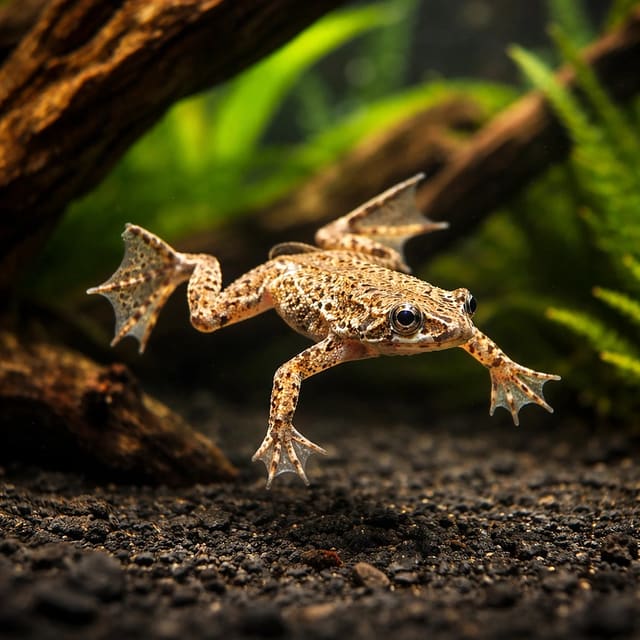
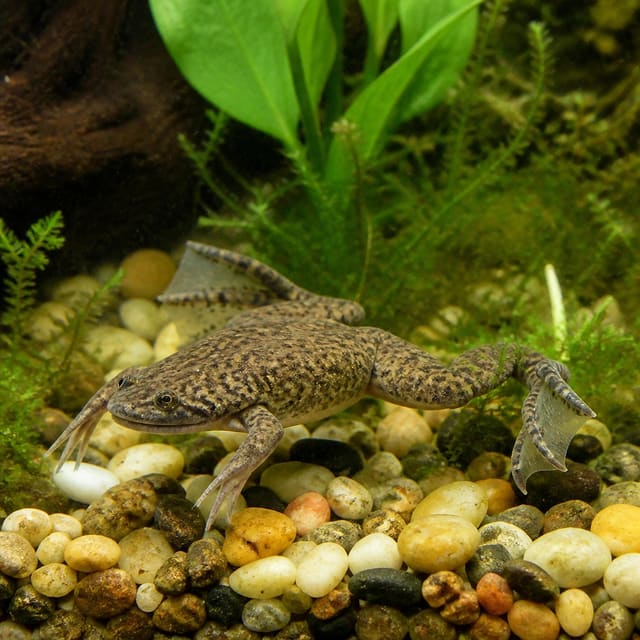
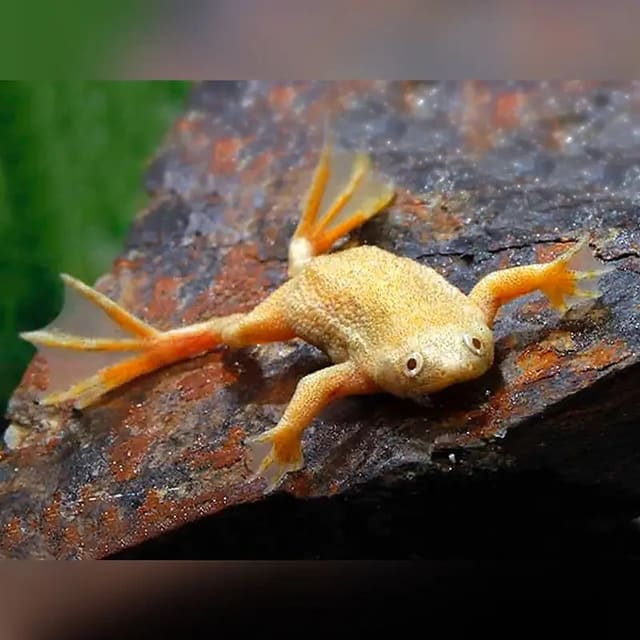
The Xenopus laevis displays a streamlined, dorsally flattened body built for aquatic life. Wild-type coloration is olive to dark grey-green on the back and sides with lighter, often mottled ventral surface. Albino variants—pale pink to cream with red eyes—are common in captivity and particularly popular. The head is broad and flattened with small, lidless eyes positioned dorsally. The hind legs are powerful and webbed, tipped with the characteristic black claws (absent in albino variants), while the front legs are small and clawless. Skin is smooth and slimy, and the body lacks a tongue and visible ears. The overall appearance is strange and primordial—unmistakably amphibian yet entirely aquatic in lifestyle.

Natural Habitat

In the wild, African clawed frogs inhabit ponds, slow rivers, and temporary water bodies across southern, eastern, and central Africa. They're highly adaptable, tolerating a wide range of water conditions from murky, stagnant pools to clearer flowing waters. These frogs are bottom-dwellers, resting on substrate or under vegetation and rising to the surface periodically to breathe. Natural diet consists of aquatic invertebrates, insect larvae, small fish, and carrion. Aquarium setups should provide clean, unheated to moderately warm water (as these tolerate cooler temperatures than most tropical fish), smooth substrate, and secure coverage to prevent escape.

Water Parameters

  • Temperature: 18-24°C (cooler than most tropical fish)
  • pH: 6.5-8.0 (tolerant of wide range)
  • Hardness: Soft to moderately hard water acceptable
  • Minimum Tank Size: 75-100 litres for single adult; larger for multiple frogs

Aquarium Setup

A proper aquarium for african clawed frog must prioritize security and simplicity. A 75-100 litre tank suits a single adult, with 150+ litres for multiple frogs. Use smooth sand or fine gravel substrate—avoid small gravel that could be accidentally swallowed during feeding. Provide hiding places using smooth rocks, driftwood, or artificial caves. Avoid sharp decorations that could damage the delicate skin. Moderate filtration maintaining clean water is essential, though these frogs tolerate less-than-perfect conditions better than most fish. Keep water level several centimeters below the tank top and ensure a very secure, weighted lid—these frogs are escape artists and will exploit any gap. Lighting can be minimal, as frogs are primarily active in low-light conditions. Avoid strong currents, which stress these relatively weak swimmers.

Feeding

This carnivorous predator requires protein-rich foods. Offer sinking aquatic frog pellets formulated for Xenopus as a staple, supplemented with earthworms, nightcrawlers, blackworms, bloodworms (frozen or live), and chopped prawns. Juveniles may need smaller food items—bloodworms, chopped blackworms—fed more frequently. Feed adults 3-4 times weekly in portions consumed within 5-10 minutes. These frogs are enthusiastic, messy feeders—use tongs to offer food directly to reduce waste. Avoid mammalian meats and fatty foods. Never keep with fish small enough to eat, as they will be hunted relentlessly. The powerful suction feeding creates a characteristic "vacuum" sound when capturing prey.

Behaviour

African clawed frogs are active, curious, and surprisingly interactive. They spend much time resting on the substrate or hanging motionless mid-water, rising periodically to gulp air at the surface. When food is detected—through sensitive lateral line organs and keen sense of smell—they become highly animated, hunting with rapid swimming and powerful suction feeding. The front legs are used to stuff food into the mouth. These frogs lack tongues and cannot feed on land. Social behavior is minimal—individuals coexist peacefully if well-fed and provided adequate space, though larger frogs may prey on smaller tankmates. Handling should be minimized, as their skin is delicate and their powerful legs make them difficult to restrain safely.

Pro Tip: Check your local regulations before purchasing—African clawed frog are illegal in some regions due to invasive potential and disease concerns. They're banned in California, for example, and restricted in other areas. Always verify legality before acquiring these amphibians.

Tank Mates

Species-only setup is strongly recommended. These predatory frogs will attempt to eat anything that fits in their surprisingly large mouths—small fish, shrimp, snails, and even other smaller frogs are all at risk. Slow or long-finned fish will be harassed even if too large to consume. The few tankmates that might work—large, fast, robust fish in very spacious tanks—risk stress from the frogs' constant hunting behavior. Other Xenopus of similar size can coexist with ample space and monitoring, though size disparities risk predation. The safest, most stress-free approach is keeping clawed frogs alone or in small groups of similar-sized individuals in dedicated tanks.

Breeding

Breeding is straightforward with mature, well-conditioned frogs. Use a seasonal temperature and feeding trigger—cool the tank to around 18-20°C for several weeks while reducing feeding, then gradually raise temperature to 22-24°C and increase food quality/quantity. This mimics natural rainy season breeding cues. Males develop nuptial pads on the forelimbs and produce clicking calls underwater. Spawning occurs with amplexus (male grasping female), resulting in hundreds to over a thousand eggs scattered throughout the tank. Eggs hatch in 2-3 days, producing tiny tadpoles requiring infusoria or liquid fry food initially. Tadpoles metamorphose in 6-8 weeks. Separate adults from eggs/tadpoles, as they're cannibalistic. Raising large numbers requires significant space and feeding effort.

Special Considerations

These excellent escape artists require secure lids—even small gaps will be exploited. The smooth, slippery skin is easily damaged and sensitive to chlorine, chloramine, and especially copper-based medications. Use only amphibian-safe water conditioners and never medicate with copper. Avoid handling except when absolutely necessary—use nets or containers rather than hands, and wet hands first if handling is unavoidable. They're capable of surviving brief periods out of water but quickly become stressed and risk desiccation. Monitor water quality regularly, as messy feeding habits foul water quickly. Despite their hardiness, sudden water quality swings or chemical exposure can be fatal. The cooler temperature preference means they're poorly suited to tropical community tanks requiring 25-28°C.

Why Buy from Tropical Fish Co

Tropical Fish Co supplies healthy, well-conditioned african clawed frog for sale uk specimens including both wild-type and albino variants. Our frogs are sourced from reputable breeders, quarantined, and conditioned on quality foods to ensure optimal health. We provide comprehensive care information covering african clawed frog tank size, feeding, legal considerations, and long-term care requirements. Our knowledgeable team understands the specific needs of pet frog for sale uk species and offers expert advice on setup planning and husbandry. We clearly communicate compatibility limitations and setup requirements to ensure customer success. With secure nationwide delivery and commitment to responsible animal sales, Tropical Fish Co is your trusted source for xenopus laevis and other specialized aquatic species. Contact us for advice on african clawed frog care guide topics and setup planning.

Premium Quality

Healthy, vibrant fish from trusted suppliers

Expert Care

Detailed care guides and support

Live Arrival Guarantee

Your fish arrives healthy or we'll replace it

Acclimated

Properly quarantined and ready for your tank