Tropical D-50 Plus
£18.99

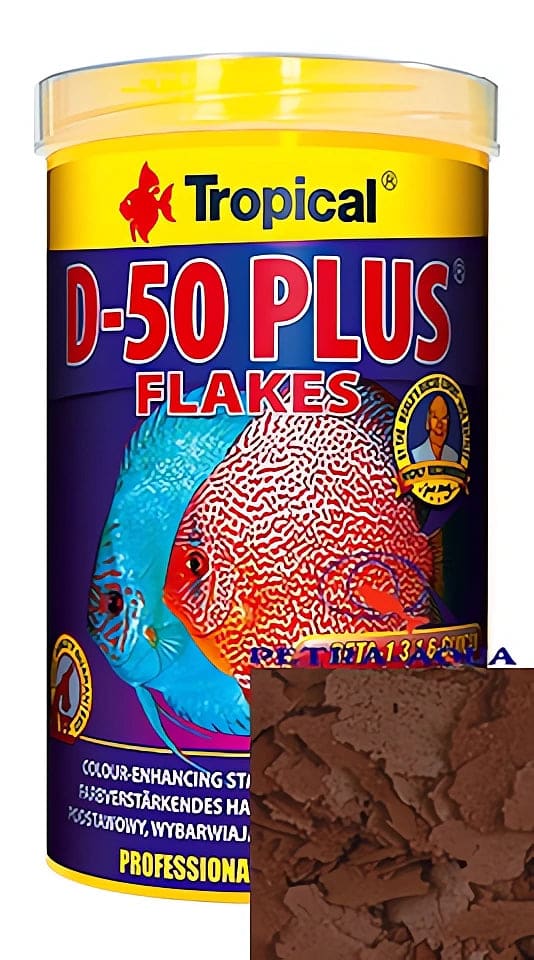
Complete multi-ingredient flake food for everyday feeding in tropical community aquariums, available from 12g to 21L pack sizes.
Minimum of 2 per order.
Complete multi-ingredient flake food for everyday feeding in tropical community aquariums, available from 12g to 21L pack sizes.
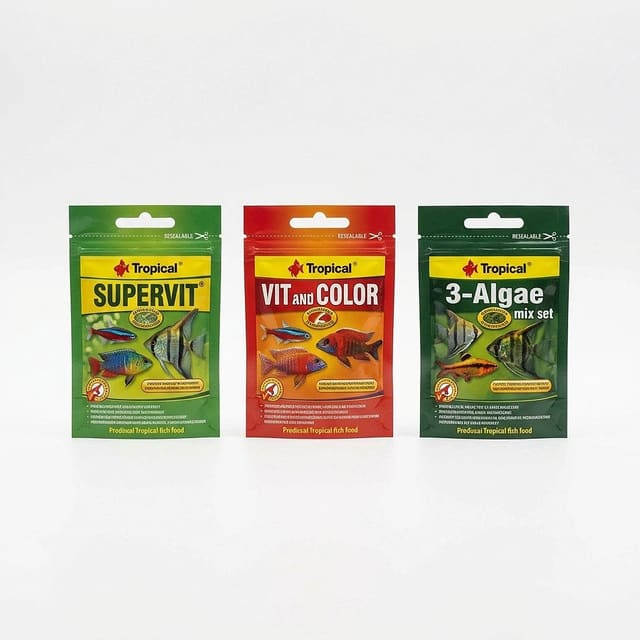
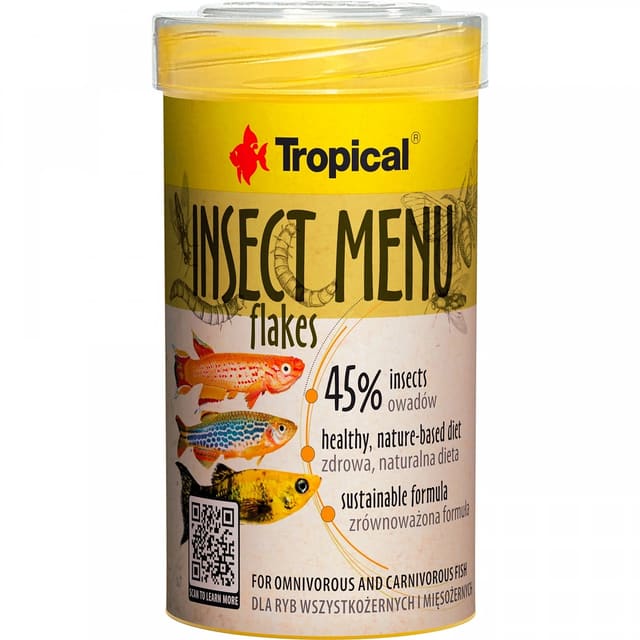
Tropical Supervit Flakes is a complete multi-ingredient flake food for everyday feeding of mixed freshwater aquariums. It is designed for most omnivorous ornamental fish, especially community species that feed readily from the surface and upper water layers. This active product groups the common Supervit flake pack sizes together, from the small 12g option through 100ml, 250ml, 500ml, 1000ml and the 21L breeder/shop size.
Use it as a dependable daily staple for fish such as guppies, platies, mollies, swordtails, danios, barbs, rasboras, many tetras, gouramis, rainbowfish and similar community species. It is not a specialist food for every aquarium, but it is a strong base diet when you want one reliable flake that can be rotated with granules, algae foods, frozen foods or species-specific diets.
Supervit is useful because community aquariums rarely contain one feeding style. A typical tank may include livebearers, tetras, rasboras, gouramis and Corydoras, all with slightly different habits. Flakes spread across the surface, soften quickly and can be crushed for smaller fish, making them easy to share around the tank. The key is to feed lightly enough that the food is eaten before it disappears behind plants or into the filter.
Current retailer and supplier descriptions describe Supervit as a complete multi-ingredient flake with beta-glucan and stabilised vitamin C for immune support, cellulose and chitin for digestion, carotenoids for colour, lecithin for vitality and zeolite for digestive support. The formula also includes fish derivatives, cereals, vegetable protein extracts, molluscs and crustaceans, algae and yeasts. Those details make it a practical everyday food rather than a vague generic flake.
The colour support in a food like this should be understood sensibly. It helps fish maintain natural colour when the aquarium is stable, the fish are healthy and lighting is appropriate; it will not turn a stressed or poorly kept fish into a show specimen by itself. The same is true of growth and vitality claims. A good staple food helps, but clean water, correct temperature, suitable stocking and steady maintenance still do most of the work.
Feed a small pinch and watch how quickly the fish clear it. Most aquariums do better with two or three small feeds than one heavy feed. The food should be eaten within a minute or two, with no soft flakes drifting into the substrate. If flakes reach the filter before fish finish them, feed less at once or switch part of the routine to a sinking granule.
For small tanks, crush a few flakes between your fingers so smaller fish can eat them cleanly. For large tanks or fish rooms, the bigger tubs are more economical, but freshness still matters. Do not buy more than you can store properly and use while the food smells fresh and flakes remain dry.
If you keep fast surface feeders with slower fish, feed in two small passes rather than one large pinch. The first pass distracts the boldest fish; the second gives the slower group a better chance. If your aquarium has a strong overflow, powerhead or surface skimmer, feed away from the intake so flakes stay available long enough for fish to eat them.
Dry flakes are concentrated. Uneaten food can cloud the water and raise waste levels, so start with less than you think you need and adjust after watching the fish feed.
| Pack size | Best use | Notes |
|---|---|---|
| 12g | Trial feeding, nano tanks or travel | Good when freshness matters more than bulk value |
| 100ml / 20g | Small community tanks | A practical starter size for one aquarium |
| 250ml / 50g | Regular feeding in a medium tank | The YT10 option in this listing |
| 500ml / 100g | Busy community aquariums | Better value if flakes are used most weeks |
| 1000ml / 200g | Multiple aquariums | Store carefully to protect freshness |
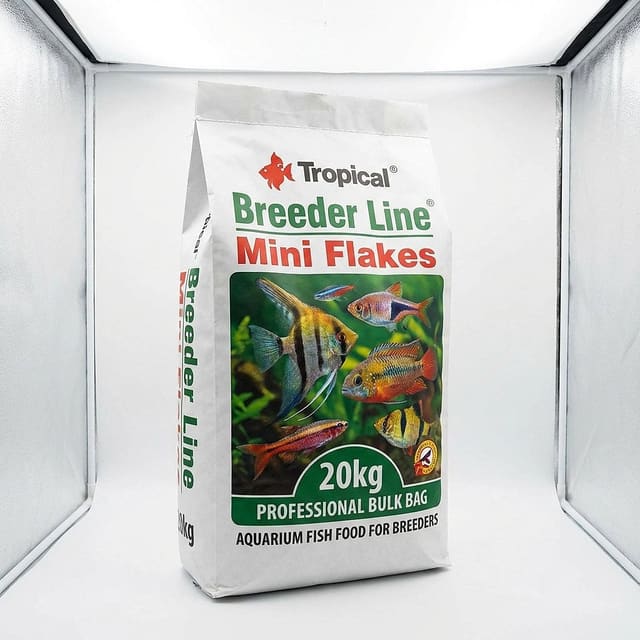
| 21L / 4kg | Fish rooms, breeders and shops | Bulk size for high-turnover use only |
Choose a sinking granule if shy mid-water or bottom-feeding fish miss the flakes. Choose a plant-rich food for fish that need more algae and vegetable matter. Choose a high-protein conditioning food or frozen food for breeding preparation where appropriate. Supervit Flakes are a strong everyday staple, but the best aquariums usually use a rotation that reflects the fish, not a single food for every situation.
For sinking granules, see Tropical Supervit Granulat. For extra plant content, compare Tropical 3-Algae Granulat. For very small fry or tiny fish, a finer food such as Tropical Mikrovit Basic may be easier to feed accurately.
Keep the container closed, dry and away from aquarium humidity. Wash and dry your hands before feeding, avoid leaving the tub open beside the tank, and never store food on a warm light unit. If flakes become damp, clump, smell stale or lose colour, replace the food rather than risking poor feeding response.
For the 21L / 4kg bulk size, split day-to-day food into a smaller clean container and keep the main tub closed. That protects the larger supply from repeated moisture exposure and helps the food stay in better condition across a fish room or shop setup.
Yes. Supervit Flakes are designed as a daily staple for many omnivorous ornamental aquarium fish, provided portions stay small and the diet is varied where needed.
Choose the smallest pack that your fish will use while it remains fresh. Large tubs are good value only when you have enough aquariums or fish to use them steadily.
Yes. Flakes and granules can complement each other because they feed different zones of the aquarium. Flakes suit surface and upper-water feeding, while granules help mid-water and lower-feeding fish.
Product identity and feeding guidance were checked against current specialist aquarium retailer data for Tropical Supervit. Those sources describe it as complete multi-ingredient flake food for daily feeding of ornamental fish, with beta-glucan, stabilised vitamin C, digestive-support ingredients, colour-supporting carotenoids and small frequent feeding.
No reviews for this item yet. Bought one? Honest reviews only, good or bad.
What customers say about ordering from us
I have a small group of long finned mountain minnows. So was delighted to be able to order ten of this variety to increase the genetics in my tank . The ones I recieved are healthy but it’s to early to give a verdict on wether they are of a long finned type since they are small currently.
Gordon Walker · 23 Sept 2026
100% success travel and "installation". Pleased with quality of purchase. The Siamese fighter a bit "shy" so have not yet seen him at his best yet but looking good. Happy customer. GG
George E Garratt · 21 Sept 2026
Reviews of our shop, collected by Judge.me, an independent third-party review collector. Newest first.