Advanced
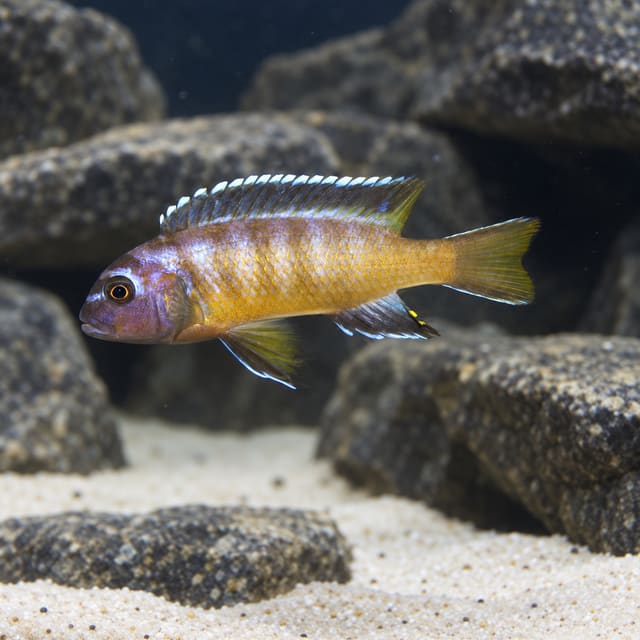
Neon Spot Mbuna (Chindongo sp. 'Elongatus Spot')
23–27°C · pH 8–8.6 · 250L
£13.99
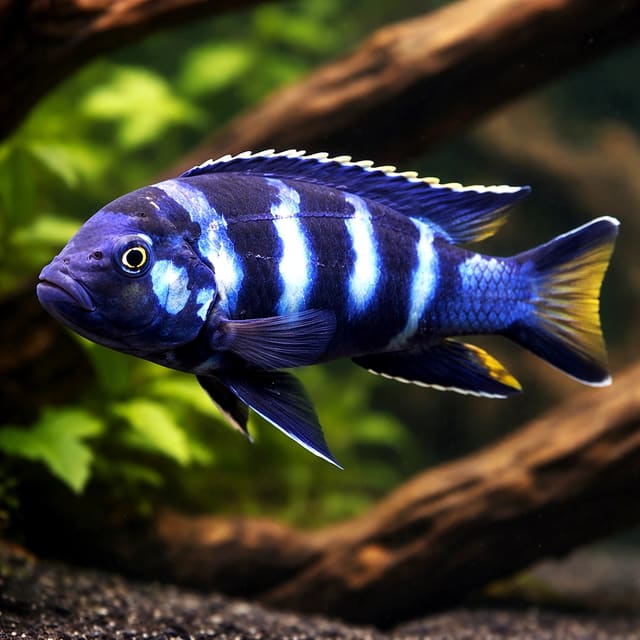
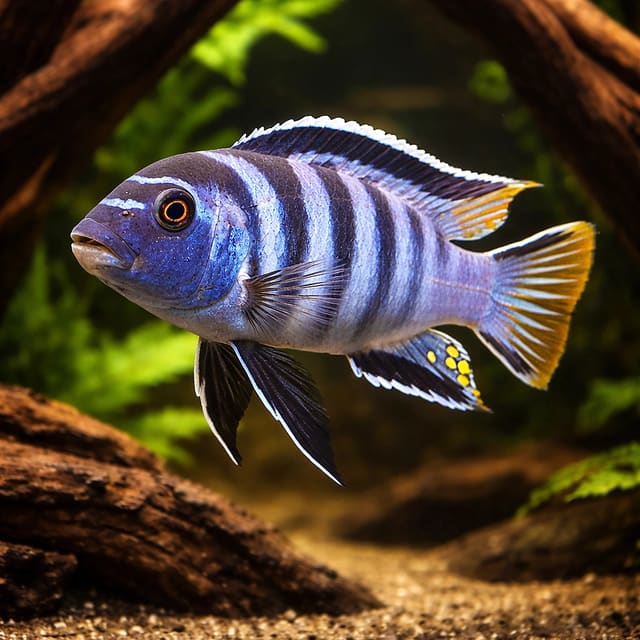
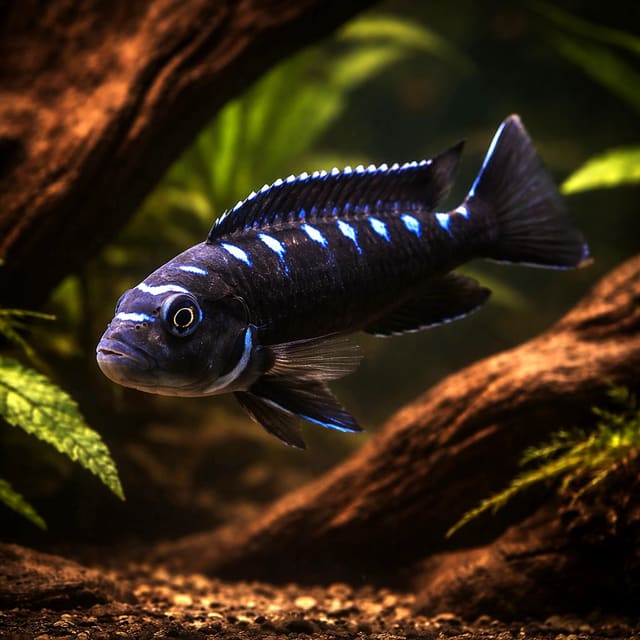
Cobalt-blue mbuna offered under the Pseudotropheus elongatus Cobalt trade label. Compare the supplied grade and plan adult Malawi swimming space, territories and feeding access.
Adult size is the maximum length this species reaches at full maturity (scientific sources). The livestock you receive will be younger and smaller — pick a size above for the actual shipping size. Product-photo provenance and any image-specific limitations are stated on the listing.
Pseudotropheus elongatus
Shoaling fish: kept in a group they feel safer, stay calmer and show their best colour.
Confirm your email, then we’ll send an availability message for this exact item if it returns within 180 days.
This request is only for this product—no newsletter or other promotions. A mail-provider retry may very rarely duplicate the same availability message. Unconfirmed addresses are removed after 48 hours. See our privacy policy.
Cobalt-blue mbuna offered under the Pseudotropheus elongatus Cobalt trade label. Compare the supplied grade and plan adult Malawi swimming space, territories and feeding access.
Adult size is the maximum length this species reaches at full maturity (scientific sources). The livestock you receive will be younger and smaller — pick a size above for the actual shipping size. Product-photo provenance and any image-specific limitations are stated on the listing.
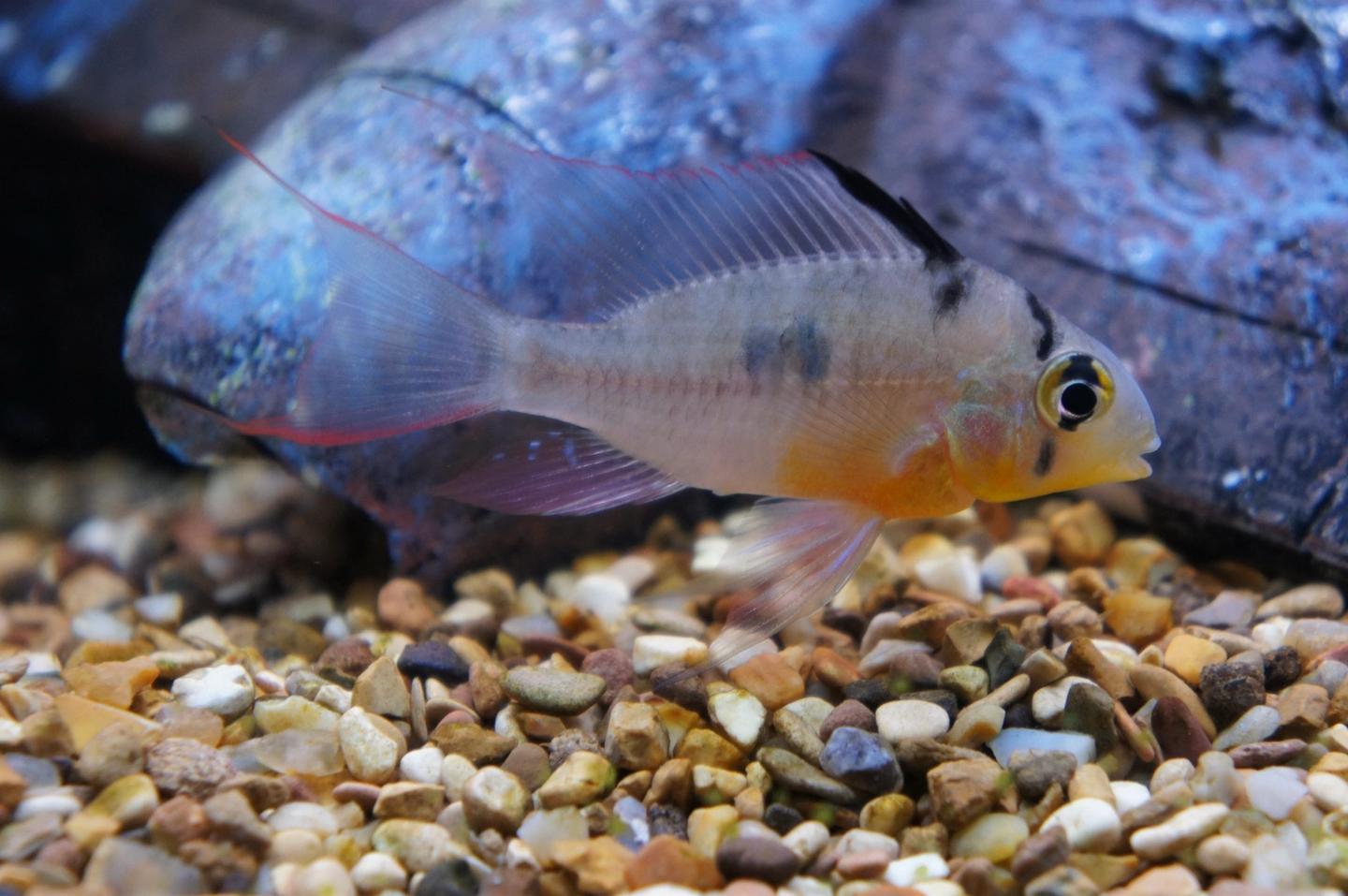
Cichlids are a family of roughly 1,800 accepted species, not one care type. Before buying, identify the exact species and source, then compare adult measurement, usable tank dimensions, social system, territory, tested water, diet and an exit plan. No family-wide minimum tank, water range or tank-mate list is safe.
Maintain these water conditions for optimal health and vibrant colors
This offer retains the supplier’s Pseudotropheus elongatus Cobalt label. The Chindongo elongatus species record is 9.5 cm standard length, excluding the tail fin; it does not confirm a particular Cobalt locality or breeding line. Plan for mature territorial fish and keep the full trade label with your choice.
Cobalt by name and by wardrobe, this slender mbuna brings one of Lake Malawi’s signature blues into a carefully planned Malawi aquarium. This Cobalt-labelled offer needs adult space and territories — active, full of personality and semi-aggressive in the classic mbuna mould, holding its patch in the middle of the tank with real conviction.
Mbuna keeping has its own rulebook and this strain follows it faithfully. Water must be hard and alkaline — pH 7.5–8.5 and 10–30 dGH — held at a tight 24–26°C. The existing guide uses 200 litres as an adult planning starting point: in Malawi tanks, aggression is managed through space and structure, never wishful thinking. Feeding is straightforward, since the strain is herbivorous. Build the community from other Lake Malawi mbuna of similar size and temperament, or robust African cichlids that tolerate hard, alkaline water and an energetic crowd. Leave out small peaceful fish, slow movers, anything long-finned, shrimp and other small invertebrates, and any overbearing cichlid likely to dominate or injure this fish.
Feeding a herbivore inside a busy cichlid community takes a little intent: food must arrive where a subordinate territory-holder can claim its share before faster mouths intervene. The tight 24–26°C band is equally deliberate — Malawi tanks reward stability over range — and with hardness tolerated all the way to 30 dGH, hard British tap water stops being a problem and starts being an asset. Expect roughly eight years of life and a sharper territorial edge whenever breeding begins.
Decide the full mbuna line-up before any fish goes in — Malawi communities settle best when assembled around compatible temperaments from the start, so check each candidate against the guidance above. Done well, the result is a tank alive with movement and that unmistakable flash of cobalt. Pseudotropheus elongatus cobalt is couriered UK-wide by licensed live-animal courier with our live arrival guarantee.
No reviews for this item yet. Bought one? Honest reviews only, good or bad.
What customers say about ordering from us
Easy website plenty of info on fish your buying great to pick a time slot
TRACEY DURRANT · 7 Oct 2026
Got some lovely fish thank you
Kevin Mackie · 7 Oct 2026
Reviews of our shop, collected by Judge.me, an independent third-party review collector. Newest first.