Moderate
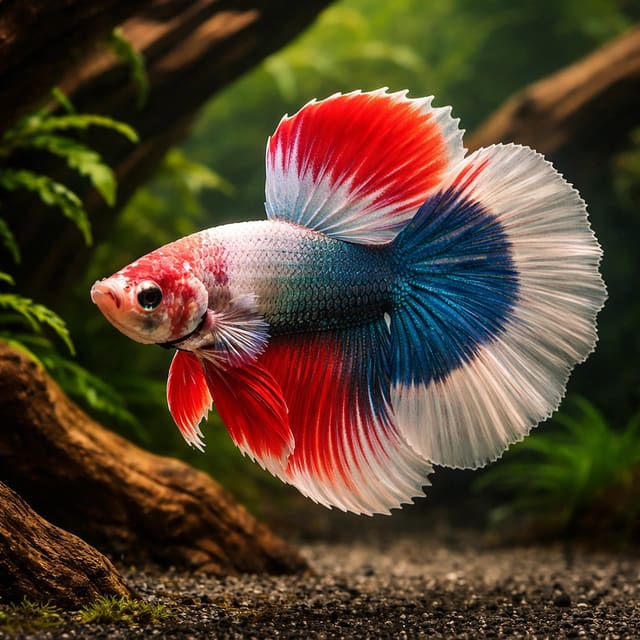
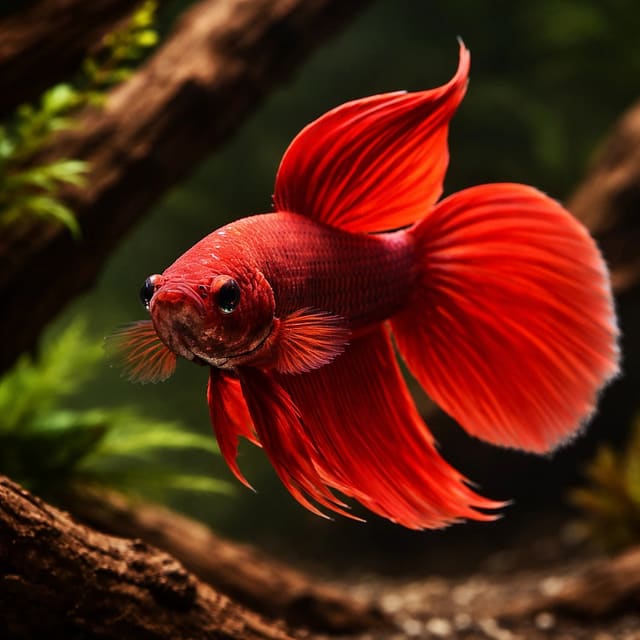
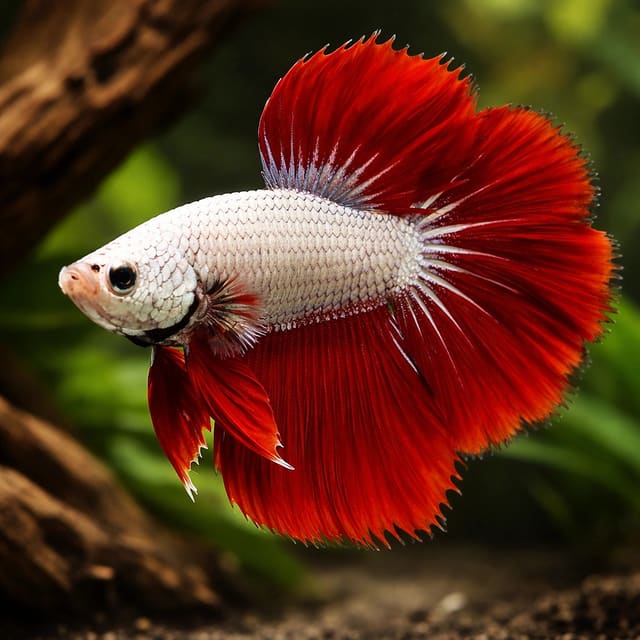
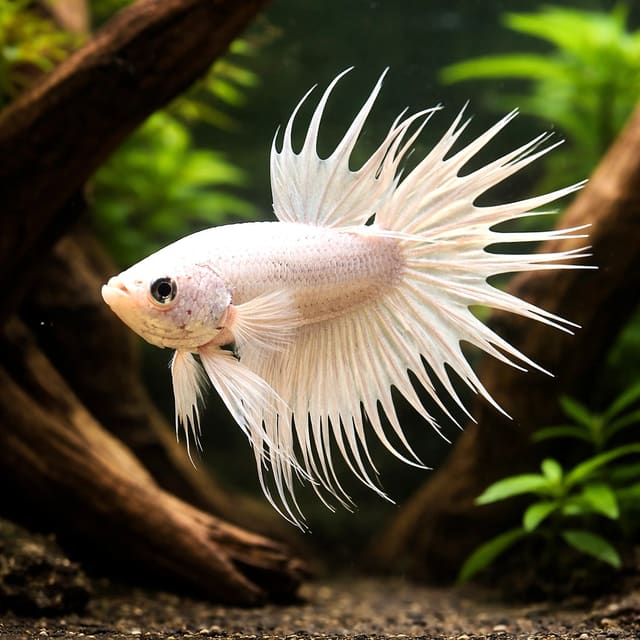
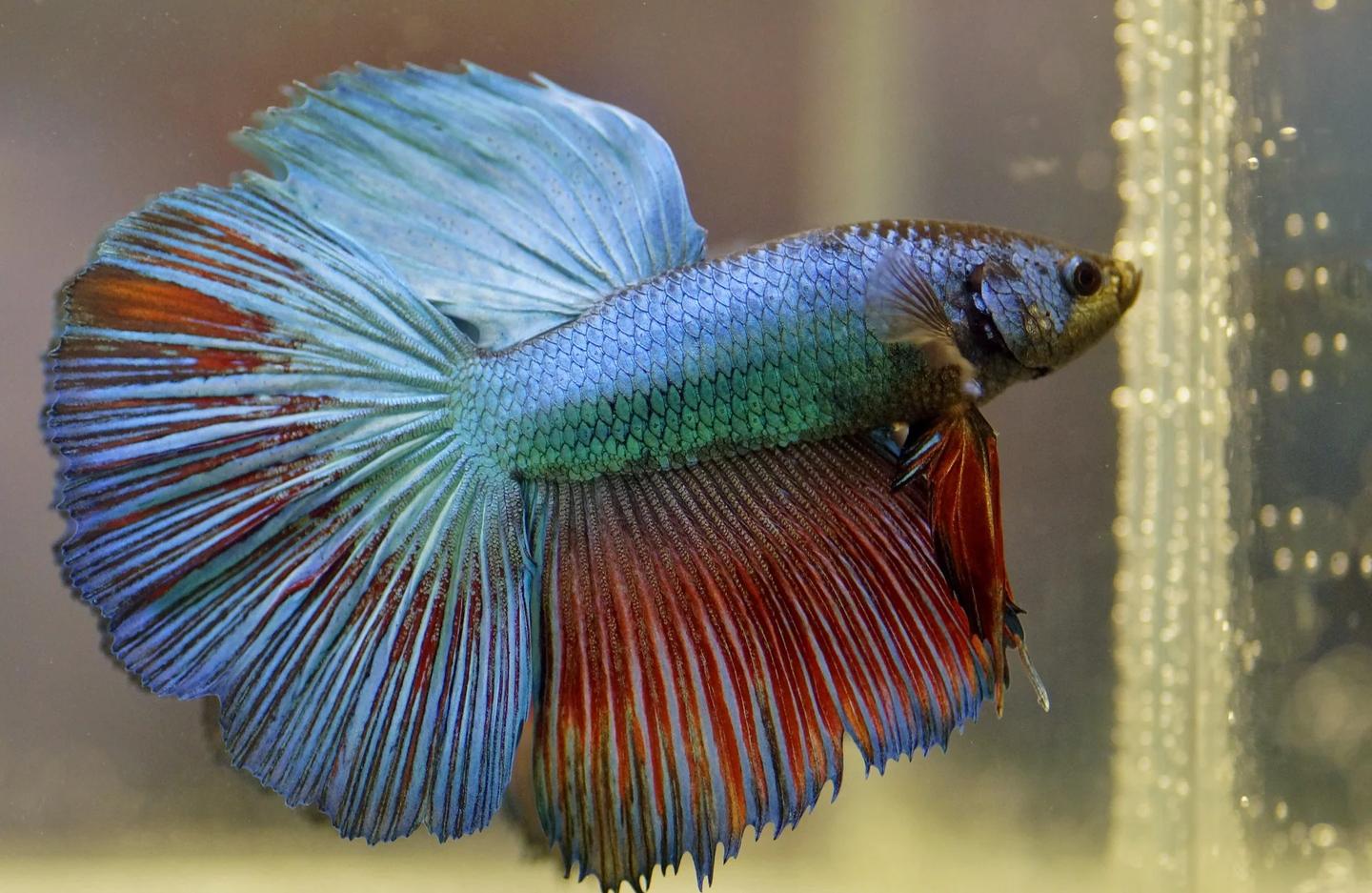
Crowntail White Male Betta (Betta splendens)
22–30°C · pH 6–8 · 41L
£22.99

A striking crowntail betta with vivid bicolor patterning, prized for its flowing fins and bold personality. Easy care, semi-aggressive. 24-30C, pH 6.0-7.5.
Adult size is the maximum length this species reaches at full maturity (scientific sources). The livestock you receive will be younger and smaller — pick a size above for the actual shipping size. Product-photo provenance and any image-specific limitations are stated on the listing.
Betta splendens
Confirm your email, then we’ll send an availability message for this exact item if it returns within 180 days.
This request is only for this product—no newsletter or other promotions. A mail-provider retry may very rarely duplicate the same availability message. Unconfirmed addresses are removed after 48 hours. See our privacy policy.
A striking crowntail betta with vivid bicolor patterning, prized for its flowing fins and bold personality. Easy care, semi-aggressive. 24-30C, pH 6.0-7.5.
Adult size is the maximum length this species reaches at full maturity (scientific sources). The livestock you receive will be younger and smaller — pick a size above for the actual shipping size. Product-photo provenance and any image-specific limitations are stated on the listing.
For one typical domestic Betta splendens, start with at least 20 litres, a mature filter, thermostatic heater, separate thermometer, gentle flow, a secure lid with surface access, and plants or refuges. Keep one male per aquarium.
Maintain these water conditions for optimal health and vibrant colors
Two colours, one crown. The bicolor crowntail male wears a contrasting body-and-fin combination across the strain's trademark spiked rays — body in one shade, the crown of separated fin tines in another — so every flare doubles as a colour-block display. At about 6.5 cm and with an easy care rating, he is one of the more approachable routes into crowntail keeping that we stock.
The temperament file says semi-aggressive, and the housing recommendation opens with two words: best alone. Small non-aggressive snails join safely; shrimp are possible in heavily planted tanks but are often preyed upon, so add them as calculated risk rather than expectation. Excluded company runs to other male bettas, fin-nipping fish, aggressive or highly territorial species, large predators, and fast boisterous tank mates that grind a betta down with constant motion. He needs at least 40 litres — more generous than many betta minimums, and his rays will thank you for low-turbulence filtration within it. Hold the water at 24–30 °C, pH 6.0–7.5, hardness 1–15 dGH. Like the rest of his species he favours the top of the aquarium and turns more territorial in breeding condition.
An easy-care crowntail is not a contradiction — it is this listing's whole point. The bicolor line tolerates the full 24–30 °C band, sits happily across 1–15 dGH, and feeds without fuss on standard carnivore fare, leaving the crown rays as the only part of his keeping that demands actual delicacy. Gentle flow and smooth decor protect them; everything else is weekly routine. His 40 litres should be planned with the surface in mind, since that is where he holds station, and the two-colour contrast means you will notice immediately if condition slips — the boundary between his shades is your sharpest health indicator. Three years is the standard expectation, often exceeded with boring, consistent care.
If you want crowntail drama without an expert-level care sheet, the bicolor line is the pick: easy rating, bold contrast, classic crown. Despatched UK-wide by licensed live-animal courier with live arrival guaranteed.
No reviews for this item yet. Bought one? Honest reviews only, good or bad.
What customers say about ordering from us
I have a small group of long finned mountain minnows. So was delighted to be able to order ten of this variety to increase the genetics in my tank . The ones I recieved are healthy but it’s to early to give a verdict on wether they are of a long finned type since they are small currently.
Gordon Walker · 23 Sept 2026
100% success travel and "installation". Pleased with quality of purchase. The Siamese fighter a bit "shy" so have not yet seen him at his best yet but looking good. Happy customer. GG
George E Garratt · 21 Sept 2026
Reviews of our shop, collected by Judge.me, an independent third-party review collector. Newest first.