−12%
Moderate
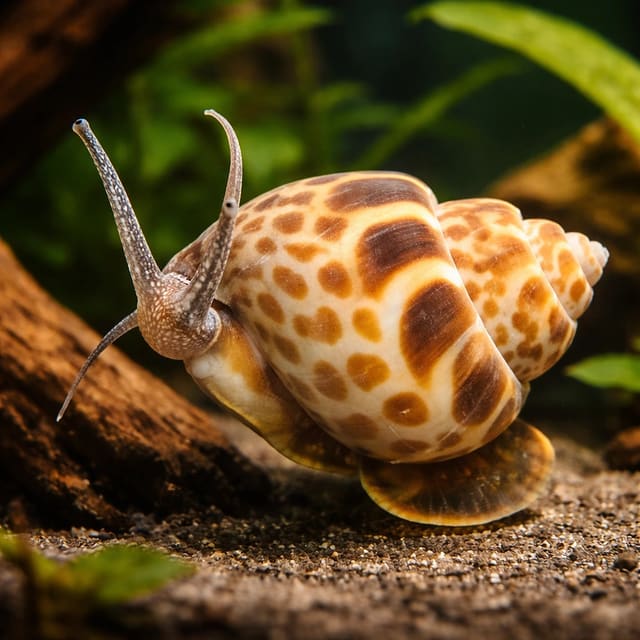
Light Babylon Snail (Babylonia spirata)
26–30°C · pH 8.1–8.4 · 60L
£17.59£19.99
A hardy reef grazer that helps control algae and adds natural movement to your marine setup.
Adult size is the maximum length this species reaches at full maturity (scientific sources). The livestock you receive will be younger and smaller. Product-photo provenance and any image-specific limitations are stated on the listing.
Echinometra viridis
Save when buying more. Each quantity is one urchin; sex is not guaranteed unless the listing explicitly states it.
Confirm your email, then we’ll send an availability message for this exact item if it returns within 180 days.
This request is only for this product—no newsletter or other promotions. A mail-provider retry may very rarely duplicate the same availability message. Unconfirmed addresses are removed after 48 hours. See our privacy policy.
A hardy reef grazer that helps control algae and adds natural movement to your marine setup.
Adult size is the maximum length this species reaches at full maturity (scientific sources). The livestock you receive will be younger and smaller. Product-photo provenance and any image-specific limitations are stated on the listing.
Maintain these water conditions for optimal health and vibrant colors
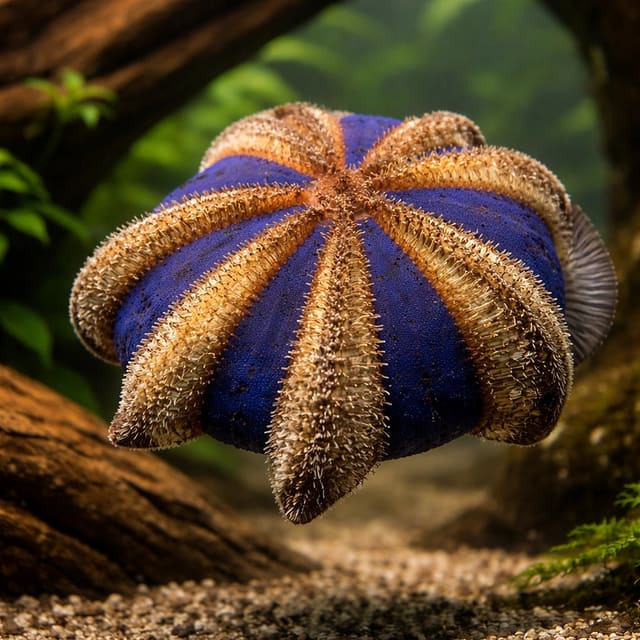
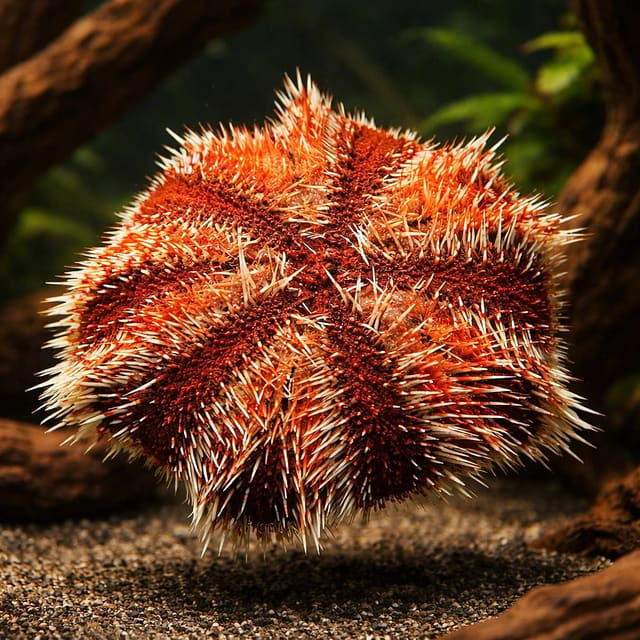
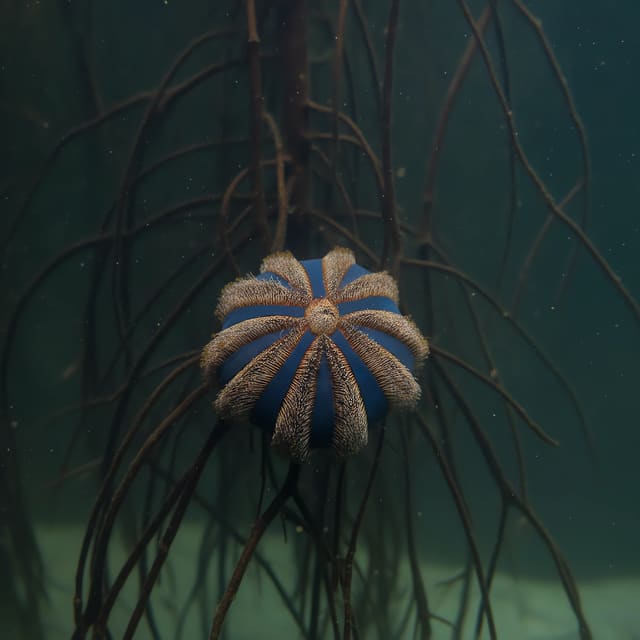
The reef urchin Echinometra viridis is a fascinating marine invertebrate prized by saltwater aquarists for its natural algae-grazing behaviour and unique appearance. Often found tucked into rockwork in reef environments, this species uses its spines and tube feet to move slowly across live rock, glass and substrate while feeding on algae and biofilm. The medium size offered here is ideal for established marine aquariums where it can contribute to a cleaner, more natural-looking reef display.
As with all live stock, we recommend allowing the aquarium to fully mature before introduction. Reef urchins are best suited to stable systems with plentiful rockwork and consistent water quality. They are generally peaceful and reef-safe with suitable husbandry, though they can occasionally move loose frags or shells while browsing. At Tropical Fish Co, every order is packed with care and backed by our live arrival guarantee, with fast UK delivery available for your convenience.
This species is a great choice for aquarists looking for a hardworking clean-up crew member that also adds interest and movement to the tank. Its natural grazing habits make it especially useful in systems where nuisance algae is becoming established, provided the aquarium has enough mature surfaces for it to feed on.
| Care Point | Recommendation |
|---|---|
| Scientific name | Echinometra viridis |
| Common name | Reef urchin |
| Care level | Moderate |
| Temperament | Peaceful |
| Adult size | Up to 10 cm |
| Minimum tank size | 200 litres |
| Temperature | 22–26°C |
| pH | 8.1–8.4 |
| Diet | Algae, biofilm, seaweed, supplemental marine foods |
| Tank region | Bottom |
Echinometra viridis is native to tropical western Atlantic reef habitats, including the Caribbean and surrounding coastal reef systems. In the wild, it is commonly associated with shallow reef flats, rocky crevices, coral rubble and areas with strong water movement. It often shelters in holes and crevices during the day, emerging to graze on algae and organic films across hard surfaces.
This natural lifestyle explains many of its aquarium needs. It prefers stable marine conditions, plenty of live rock, and secure hiding places where it can retreat when stressed or during daylight hours. Because it is adapted to grazing on natural reef surfaces, it thrives best in mature aquariums with established algae growth and a healthy microfauna population.
Its burrowing and wedging behaviour is also worth noting. In nature, reef urchins can enlarge crevices by rasping at rock, so in the aquarium they may shift small pieces of rockwork or unsecured coral frags. This is normal behaviour and can be managed with careful aquascaping.
A reef urchin should be kept in a stable marine aquarium with excellent filtration, strong oxygenation and consistent salinity. A mature reef tank of at least 200 litres is recommended, though larger systems are preferable if the aquascape contains many delicate corals or loose decorations. The tank should include plenty of live rock, shaded crevices and open grazing areas.
Because urchins are sensitive to sudden changes in salinity, temperature and pH, acclimation should be slow and careful. Drip acclimation is strongly recommended. Avoid exposing the urchin to air for prolonged periods during transfer, and ensure the water is free from copper-based medications, which are harmful to all echinoderms.
Water quality should remain pristine, with low nitrate and phosphate levels, stable alkalinity and no detectable ammonia or nitrite. Good flow is beneficial, but avoid directing a strong jet directly at the animal. A varied aquascape with both exposed rock and sheltered areas will help the urchin feel secure and behave naturally.
It is also important to provide enough natural grazing surfaces. While the reef urchin will help control algae, it should not be expected to survive on a bare or over-cleaned aquarium alone. If the tank is too sterile, offer supplemental marine algae such as dried seaweed or specialised herbivore foods.
Reef urchins are primarily herbivorous grazers. In the aquarium, they feed on microalgae, macroalgae, diatoms and biofilm from hard surfaces. A healthy mature reef tank often provides enough natural food, but supplemental feeding may be required if algae levels are low.
Offer small amounts of dried marine algae, such as nori or other seaweed sheets, clipped near the rockwork or placed where the urchin can access them. Some individuals will also accept sinking herbivore pellets or softened marine foods, though plant-based grazing foods should remain the main diet. Feed sparingly and remove uneaten food to maintain water quality.
Because urchins are constant grazers, they benefit more from regular access to natural surfaces than from large feedings. If the aquarium becomes too clean, monitor the animal closely for weight loss or reduced activity and increase supplemental feeding as needed.
The reef urchin is generally peaceful and suitable for community marine aquariums, including many reef systems. It coexists well with most non-aggressive fish and invertebrates, provided tank mates do not harass it or attempt to prey on it. As a slow-moving bottom-dweller, it should be kept with species that respect its space.
Compatible tank mates include clownfish, gobies, blennies, cardinalfish, wrasses that are not overly boisterous, cleaner shrimp, peppermint shrimp, snails and other peaceful reef-safe invertebrates. Corals are usually safe, although the urchin may move loose frags or topple unstable coral mounts while browsing.
Avoid predatory or nippy species such as triggerfish, puffers, large hawkfish, some large wrasses and any fish known to pick at echinoderms. Also avoid copper treatments and unstable systems with fluctuating salinity. If keeping with delicate aquascaping, secure all rockwork and coral frags firmly before introduction.
In mixed reef tanks, the reef urchin is best viewed as a useful clean-up crew member rather than a decorative animal that should be left without consideration. With the right setup, it can be a long-lived and rewarding addition.
At Tropical Fish Co, we understand that marine invertebrates need careful handling, stable conditions and expert packing. That is why we prioritise healthy stock, careful dispatch and reliable customer support from order to arrival. Our live marine animals are shipped with a live arrival guarantee and fast UK delivery, helping ensure your reef urchin reaches you in excellent condition.
We aim to provide accurate care information so you can give your new arrival the best possible start. Whether you are building a reef clean-up crew or adding a unique grazing invertebrate to an established marine aquarium, you can shop with confidence knowing your stock has been selected with quality and welfare in mind.
Choose Tropical Fish Co for dependable service, healthy marine livestock and the support you need to succeed with your aquarium.
No reviews for this item yet. Bought one? Honest reviews only, good or bad.
What customers say about ordering from us
Easy website plenty of info on fish your buying great to pick a time slot
TRACEY DURRANT · 7 Oct 2026
Got some lovely fish thank you
Kevin Mackie · 7 Oct 2026
Reviews of our shop, collected by Judge.me, an independent third-party review collector. Newest first.