−14%
Advanced
Sweden Hongi Cichlid (Labidochromis sp.)
23–27°C · pH 8–8.6
£13.75£15.99
A striking blue Malawi cichlid with bold color, active behavior, and classic rock-dwelling mbuna appeal. Moderate care, semi-aggressive. 23-26C, pH 7.5-8.5.
Adult size is the maximum length this species reaches at full maturity (scientific sources). The livestock you receive will be younger and smaller — pick a size above for the actual shipping size. Product-photo provenance and any image-specific limitations are stated on the listing.
Labidochromis sp. 'Lundu'
Shoaling fish: kept in a group they feel safer, stay calmer and show their best colour.
Confirm your email, then we’ll send an availability message for this exact item if it returns within 180 days.
This request is only for this product—no newsletter or other promotions. A mail-provider retry may very rarely duplicate the same availability message. Unconfirmed addresses are removed after 48 hours. See our privacy policy.
A striking blue Malawi cichlid with bold color, active behavior, and classic rock-dwelling mbuna appeal. Moderate care, semi-aggressive. 23-26C, pH 7.5-8.5.
Adult size is the maximum length this species reaches at full maturity (scientific sources). The livestock you receive will be younger and smaller — pick a size above for the actual shipping size. Product-photo provenance and any image-specific limitations are stated on the listing.
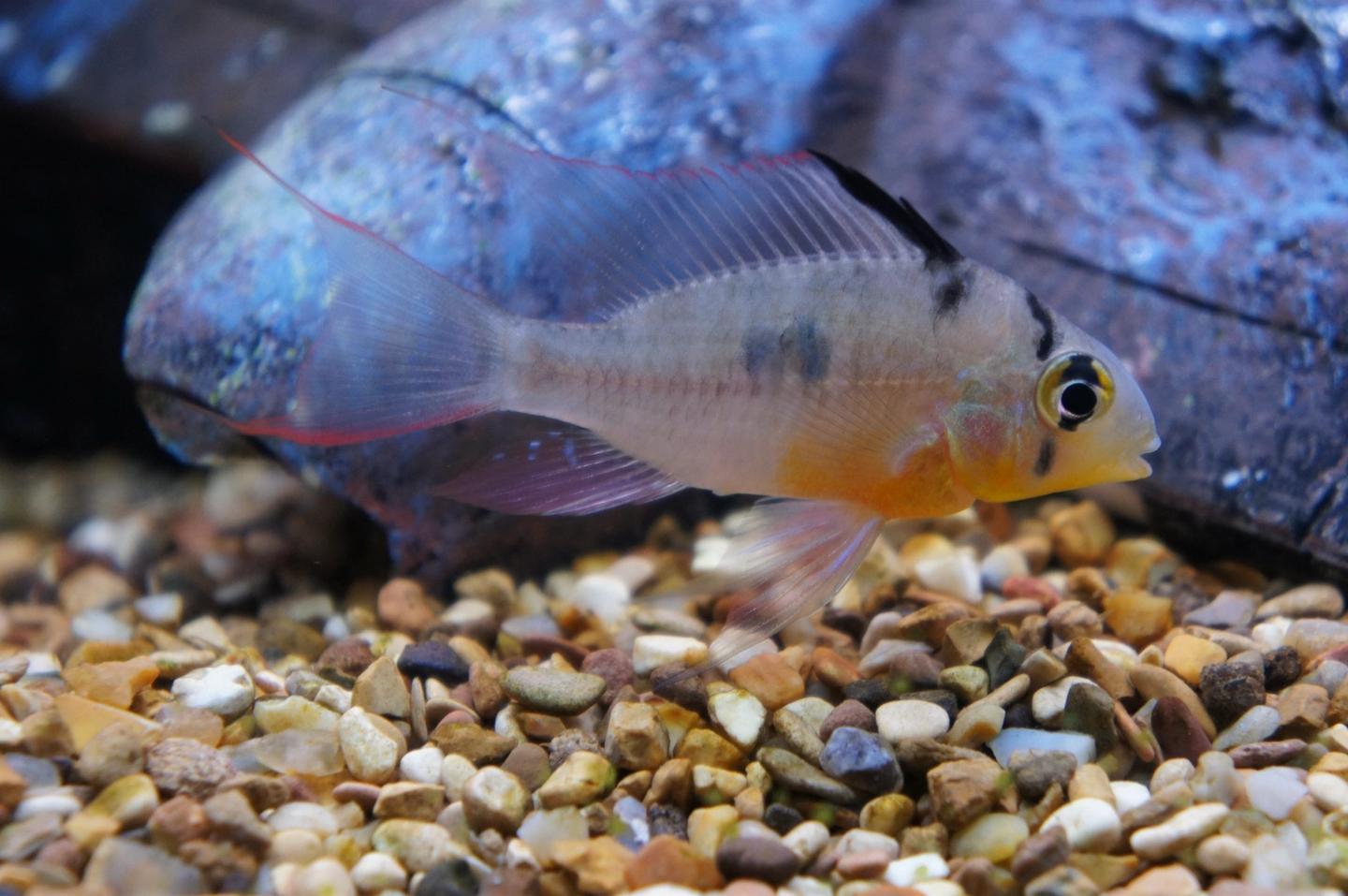
Cichlids are a family of roughly 1,800 accepted species, not one care type. Before buying, identify the exact species and source, then compare adult measurement, usable tank dimensions, social system, territory, tested water, diet and an exit plan. No family-wide minimum tank, water range or tank-mate list is safe.
Maintain these water conditions for optimal health and vibrant colors
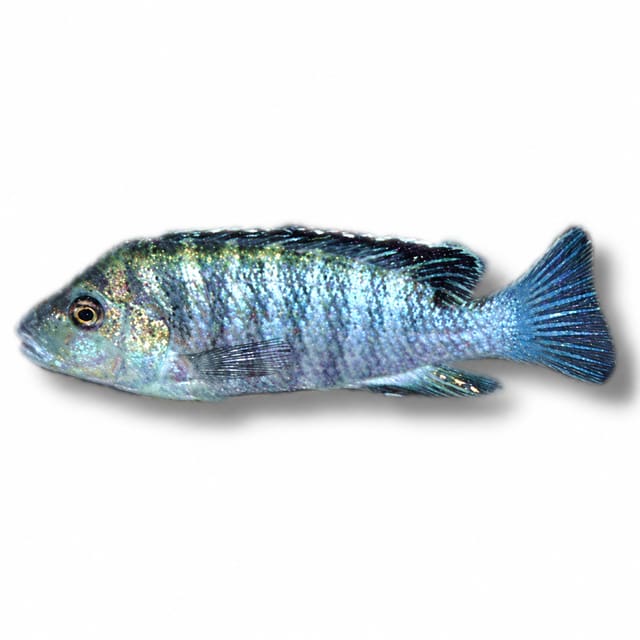
For aquarists searching malawi cichlids for sale, Labidochromis sp. 'Lundu' blue stands out as a striking and colourful addition to hardwater African cichlid aquariums. This 10cm rock-dwelling mbuna, likely sourced from the Lundu area of Lake Malawi, offers vivid blue coloration, active behaviour, and the classic appeal of Malawi's diverse cichlid fauna. While exact locality details for this trade name form may vary, the species shares the hallmark traits of Labidochromis: robust build, algae-grazing habits, and moderate territorial behaviour. Available for sale UK through specialist stockists, Labidochromis sp. 'Lundu' blue is an excellent choice for intermediate to advanced aquarists building authentic Malawi biotope displays.
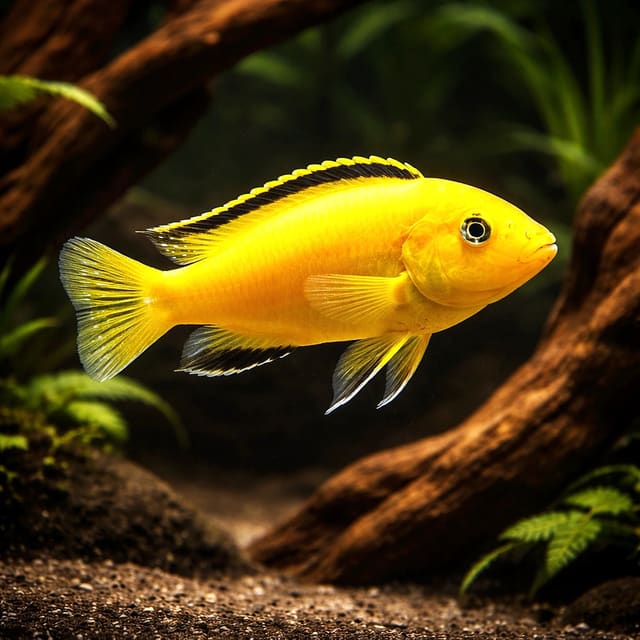
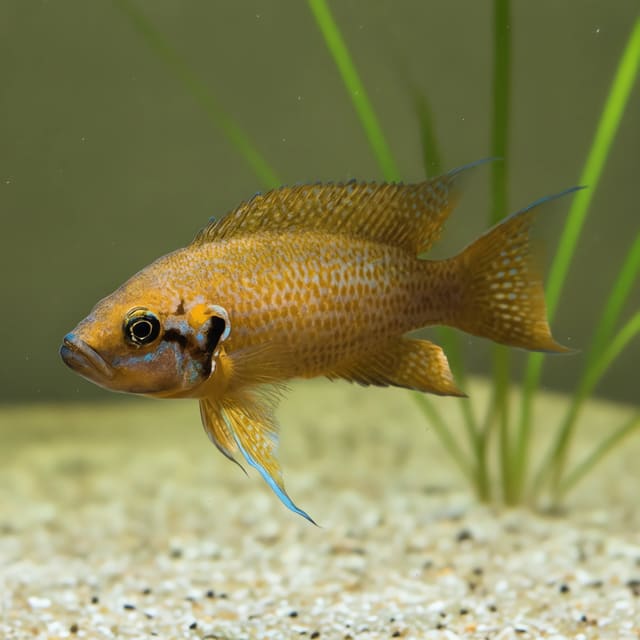
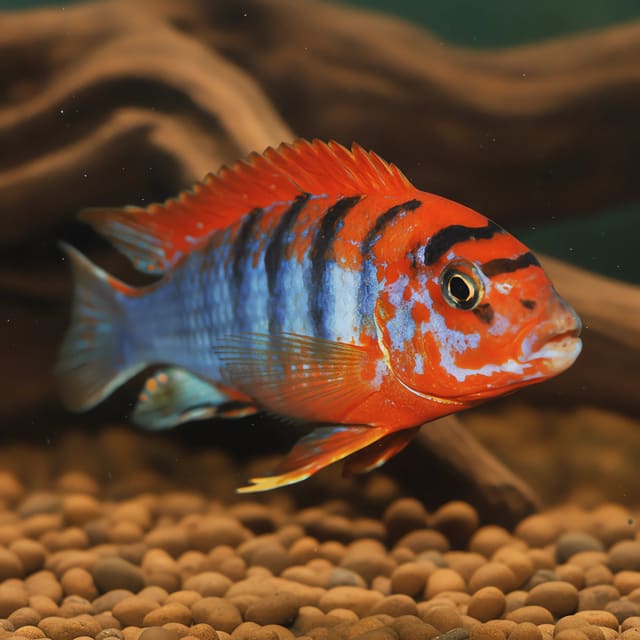
Labidochromis sp. 'Lundu' blue lives up to its name with bold blue coloration that intensifies in mature, healthy males. The body displays shades of electric blue to powder blue, often with subtle vertical barring or mottled patterning that adds visual complexity. The fins are typically edged in darker hues, and dominant males may exhibit the most saturated colours. Females and juveniles are less vibrant but still attractive, often displaying muted blues and greys. The body is deep and muscular, with a strong jaw adapted for scraping algae from rock surfaces. Coloration is most vivid in well-maintained, hard-water aquariums with appropriate diet and low stress.
Endemic to Lake Malawi in East Africa, this species is associated with rocky shoreline habitats, likely around the Lundu area or related localities. Lake Malawi's ancient, stable water chemistry—hard, alkaline, and mineral-rich—has shaped the biology of all its cichlid inhabitants. Labidochromis sp. 'Lundu' lives among boulders and rock piles, where it grazes aufwuchs (algae and microorganisms) and defends small territories. High oxygenation, strong water movement, and stable conditions characterise these rift lake environments, and replicating them is key to successful captive husbandry.
A minimum 150-litre aquarium is recommended, though larger is always better for maintaining stable water chemistry and accommodating tankmates. Construct the aquascape using plenty of Malawi-style rockwork—such as Texas holey rock, tufa, or similar—to create caves, hiding spots, and line-of-sight breaks. Use coral sand or crushed coral substrate to naturally buffer pH and hardness. Strong water movement from powerheads or high-flow filtration mimics natural conditions and ensures excellent oxygenation. Bright lighting encourages natural algae growth for grazing. Avoid soft-water plants; instead, focus on robust rockwork and minimal, hardy plant species if desired.
Labidochromis sp. 'Lundu' blue requires hard, alkaline water typical of Lake Malawi. Maintain temperatures between 23-26°C and pH from 7.5-8.5, with high hardness levels. Excellent filtration is essential; this species is sensitive to nitrate buildup and poor water quality. Perform regular partial water changes with appropriately buffered water to maintain stable chemistry. High oxygenation and moderate to strong water movement support optimal health and coloration.
This primarily herbivorous/algivorous cichlid requires a vegetable-heavy diet. Offer quality cichlid pellets or flakes with spirulina as a staple, supplemented with regular vegetable matter such as blanched spinach, courgette, or peas, and limited protein-rich foods in moderation. Avoid excessive fatty or mammalian proteins, which can lead to bloat. Feed multiple small meals daily, removing uneaten food promptly. Encourage natural algae growth on rocks for supplemental grazing, which also aids digestive health and coloration.
Labidochromis sp. 'Lundu' blue is a semi-aggressive, territorial mbuna typical of Lake Malawi rock-dwellers. Males establish and defend territories, particularly during breeding, and can be assertive toward conspecifics or similar-looking species. Aggression is usually manageable with adequate rockwork to break sightlines and careful tankmate selection. Females and juveniles are less territorial but still assertive. The species is active, constantly patrolling, grazing rock surfaces, and interacting with its environment.
Suitable tankmates include other Lake Malawi mbuna and similarly sized African cichlids with compatible temperament. Peaceful to moderately assertive Malawi species of similar size work well, as do larger Synodontis catfish. Avoid small community fish, very peaceful fish, large predatory cichlids, fin-nipping or highly aggressive species, and soft-water fish.
Labidochromis sp. 'Lundu' blue is a maternal mouthbrooder typical of Malawi cichlids. Males establish territories and display to attract females. After spawning, the female collects eggs in her mouth and incubates them for approximately three weeks before releasing free-swimming fry. Provide a ratio with multiple females per male, rockwork for territories, and a separate breeding tank if fry survival is desired. Females incubate eggs while moving about the tank, though they may seek sheltered areas. Fry can be raised on finely crushed cichlid food or specialised fry foods.
Tropical Fish Co is the UK's premier destination for Lake Malawi cichlids, including the striking Labidochromis sp. 'Lundu' blue. Every fish is ethically sourced, carefully quarantined, and health-checked by our expert team to ensure you receive livestock in peak condition. We provide detailed care guides, personalised advice on water chemistry, aquascaping, stocking ratios, and care requirements for African cichlid aquariums. With secure nationwide delivery, comprehensive online resources, and a commitment to quality and sustainability, Tropical Fish Co makes it easy to build vibrant Malawi biotope displays. Choose us for healthy, colourful cichlids and exceptional customer support.
No reviews for this item yet. Bought one? Honest reviews only, good or bad.
What customers say about ordering from us
Easy website plenty of info on fish your buying great to pick a time slot
TRACEY DURRANT · 7 Oct 2026
Got some lovely fish thank you
Kevin Mackie · 7 Oct 2026
Reviews of our shop, collected by Judge.me, an independent third-party review collector. Newest first.