Sea Urchin Black (Mespilia globulus) - Marine Aquarium Livestock UK
24–26°C · pH 7.9–8.3
£59.99
Bold, reef-grazing sea urchin for mature marine aquariums. Ideal for experienced keepers wanting a unique invertebrate.
Adult size is the maximum length this species reaches at full maturity (scientific sources). The livestock you receive will be younger and smaller. Product-photo provenance and any image-specific limitations are stated on the listing.
Heterocentrotus mamillatus
Confirm your email, then we’ll send an availability message for this exact item if it returns within 180 days.
This request is only for this product—no newsletter or other promotions. A mail-provider retry may very rarely duplicate the same availability message. Unconfirmed addresses are removed after 48 hours. See our privacy policy.
Bold, reef-grazing sea urchin for mature marine aquariums. Ideal for experienced keepers wanting a unique invertebrate.
Adult size is the maximum length this species reaches at full maturity (scientific sources). The livestock you receive will be younger and smaller. Product-photo provenance and any image-specific limitations are stated on the listing.
Maintain these water conditions for optimal health and vibrant colors
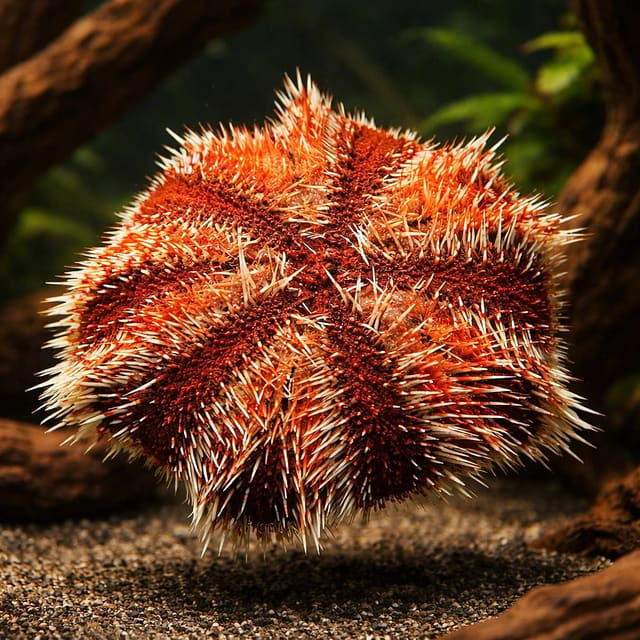
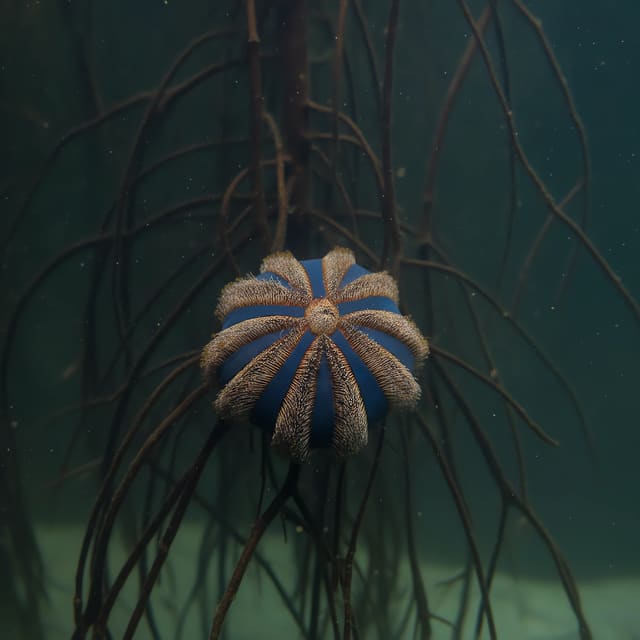
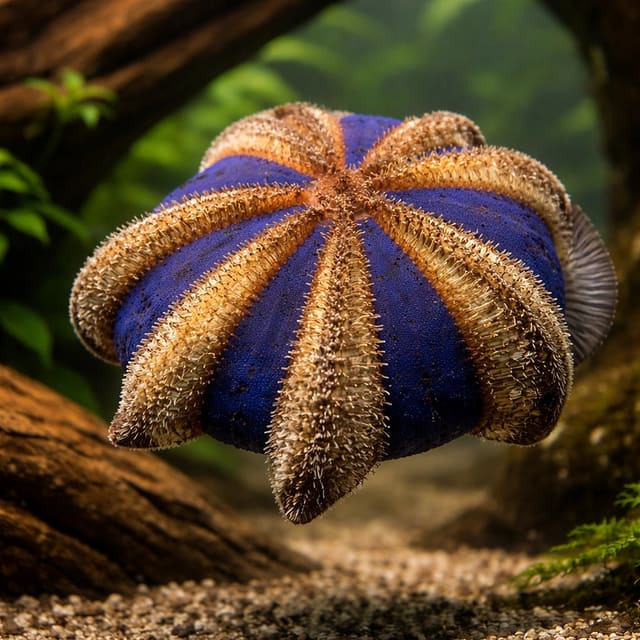
Heterocentrotus mamillatus, often called the red pencil urchin or slate pencil urchin, is a distinctive marine invertebrate prized for its unusual, thick spines and fascinating grazing behaviour. This medium-sized specimen is a superb choice for established saltwater aquariums with stable water quality and plenty of natural algae growth. It is not a fish, but a sea urchin, and it plays an important role in the reef ecosystem by helping to control film algae and detritus on rockwork.
Because this species can reach a substantial size and is best kept in mature systems, it is most suitable for aquarists with some marine experience. In the right environment, it is hardy, engaging to observe, and an excellent addition to a carefully planned reef or fish-only marine display. As with all live marine livestock, we recommend checking compatibility and ensuring your aquarium is fully cycled and stable before purchase. Orders are covered by our live arrival guarantee, and we offer fast UK delivery to help your new arrival settle in safely.
Heterocentrotus mamillatus is generally peaceful, but it should be treated as a delicate invertebrate with specific needs. Its spines can be brittle and it requires secure rockwork, low stress, and a tank layout that allows it to graze naturally. This is a rewarding species for keepers who enjoy observing authentic reef behaviour.
| Care factor | Recommendation |
|---|---|
| Scientific name | Heterocentrotus mamillatus |
| Common name | Red pencil urchin / slate pencil urchin |
| Care level | Expert |
| Temperament | Peaceful |
| Adult size | Up to around 16 cm |
| Minimum tank size | 200 litres+ |
| Temperature | 23–27°C |
| pH | 8.1–8.4 |
| Diet | Algae grazer, detritus, supplemental marine herbivore foods |
| Tank region | Bottom / rockwork |
Heterocentrotus mamillatus is native to the tropical Indo-Pacific, where it inhabits coral reefs, reef flats, lagoons, and rocky coastal areas. In the wild, it is typically found among crevices and hard substrate where it can shelter during the day and emerge to graze at night. Its thick, blunt spines are adapted for protection and camouflage among reef rubble and coral structures.
This species is associated with warm, clear, oxygen-rich seawater and stable reef conditions. It is often seen moving slowly over rock and coral surfaces, using its tube feet and specialised mouthparts to scrape algae and organic matter. Understanding this natural behaviour is key to successful aquarium care: the more your tank resembles a mature reef environment, the better this urchin will thrive.
In captivity, it is important to provide a system with established live rock, natural grazing surfaces, and minimal swings in salinity, temperature, or pH. Newly set-up tanks are not suitable, as they usually lack the biofilm and algae growth this species relies on.
A mature marine aquarium is essential for Heterocentrotus mamillatus. A minimum of 200 litres is recommended, though larger systems are strongly preferred because this urchin needs room to move and enough rockwork to graze without disturbing the aquascape. The tank should be fully cycled and well-established, ideally with several months of stable operation before the urchin is introduced.
Use a secure aquascape with stable live rock and avoid precarious stacking. Sea urchins are excellent climbers and may dislodge loose frags, shells, or ornaments. Keep all rockwork firmly supported on the tank base rather than resting on sand alone. Open areas of sand are fine, but the urchin will spend much of its time on rock and glass surfaces.
Maintain the following water conditions for best results: temperature 23–27°C, salinity around 1.023–1.026 specific gravity, and pH 8.1–8.4. Good filtration, strong oxygenation, and regular water changes are important. Like many echinoderms, this species is sensitive to poor water quality and sudden changes, particularly in salinity and copper exposure. Never use copper-based treatments in a tank housing invertebrates.
Provide moderate lighting suitable for reef systems, but avoid intense, direct blasting if the animal is exposed for long periods. Plenty of shaded crevices and overhangs will help it feel secure. Ensure all pump intakes are protected, as urchins can be drawn towards equipment and may become damaged if they contact exposed hardware.
Acclimation should be slow and careful, preferably by drip acclimation, to reduce osmotic shock. Once settled, this urchin may spend time in the open, but it should always have access to shelter and natural grazing surfaces.
Heterocentrotus mamillatus is primarily an algae grazer and detritivore. In a mature aquarium with plenty of natural growth, it may feed largely on film algae, microalgae, and organic material on rock surfaces. However, do not assume the tank will provide enough food indefinitely. Supplementary feeding is often beneficial, especially in cleaner reef systems where algae levels are low.
Offer marine herbivore foods such as dried seaweed (nori), algae wafers designed for marine invertebrates, and small amounts of vegetable-based marine foods. Some individuals will also accept finely chopped meaty marine foods, but plant-based grazing should remain the core of the diet. Feed after lights-out or place food near the urchin’s path if it is active at night.
Watch for signs of starvation, including reduced movement, loss of grip, or a persistent search for food without settling to graze. If the aquarium is too clean, increase supplemental feeding and ensure the urchin has access to mature live rock. A healthy sea urchin should move steadily, cling firmly to surfaces, and show regular grazing behaviour.
This is a peaceful invertebrate, but compatibility depends on the behaviour of tank mates and the layout of the aquarium. Suitable companions include calm reef fish and other non-aggressive marine species that will not nip at the urchin or disturb it. Good tank mates may include clownfish, gobies, blennies, cardinals, wrasses that are not overly boisterous, and other peaceful reef inhabitants.
Avoid predatory or highly aggressive fish, as well as species known to pick at invertebrates. Large puffers, triggers, some large wrasses, and aggressive crabs can injure or stress the urchin. Also avoid keeping it with unstable rockwork or fragile coral frags placed loosely on the substrate, as the urchin may move them while grazing.
Although many reef-safe fish are compatible, remember that this species can occasionally collect loose debris, shells, or small objects on its spines. This is normal behaviour and not a sign of trouble. It is best kept with other peaceful marine livestock in a mature, stable system.
At Tropical Fish Co, we understand that marine invertebrates need careful handling, expert packing, and reliable delivery. That is why we prioritise healthy stock, careful husbandry, and a smooth customer experience from order to arrival. Your Heterocentrotus mamillatus will be selected and prepared with attention to condition and welfare, helping it arrive ready to acclimate to its new home.
We also know that marine livestock is best shipped promptly and responsibly, which is why we offer fast UK delivery and support you with clear guidance for successful acclimation. Our live arrival guarantee gives added peace of mind when ordering sensitive aquatic animals online. If you are building a mature reef display and want a truly unusual invertebrate with real character, this sea urchin is a standout choice.
Choose Tropical Fish Co for quality marine livestock, dependable service, and expert support for your aquarium journey.
No reviews for this item yet. Bought one? Honest reviews only, good or bad.
What customers say about ordering from us
Easy website plenty of info on fish your buying great to pick a time slot
TRACEY DURRANT · 7 Oct 2026
Got some lovely fish thank you
Kevin Mackie · 7 Oct 2026
Reviews of our shop, collected by Judge.me, an independent third-party review collector. Newest first.