Blue Panchax Killifish (Aplocheilus panchax)
£7.99
Photo coming soon
The size, price and care details on this page are for this listing.
A sleek African predator with lightning-fast strikes and bold presence. Ideal for large species tanks with robust tank mates.
Adult size is the maximum length this species reaches at full maturity (scientific sources). The livestock you receive will be younger and smaller — pick a size above for the actual shipping size. Product-photo provenance and any image-specific limitations are stated on the listing.
Hepsetus odoe
Save when buying multiple fish. Each quantity is one fish; sex and pair formation are not guaranteed unless the selected variant explicitly states them.
Confirm your email, then we’ll send an availability message for this exact item if it returns within 180 days.
This request is only for this product—no newsletter or other promotions. A mail-provider retry may very rarely duplicate the same availability message. Unconfirmed addresses are removed after 48 hours. See our privacy policy.
A sleek African predator with lightning-fast strikes and bold presence. Ideal for large species tanks with robust tank mates.
Adult size is the maximum length this species reaches at full maturity (scientific sources). The livestock you receive will be younger and smaller — pick a size above for the actual shipping size. Product-photo provenance and any image-specific limitations are stated on the listing.
Maintain these water conditions for optimal health and vibrant colors
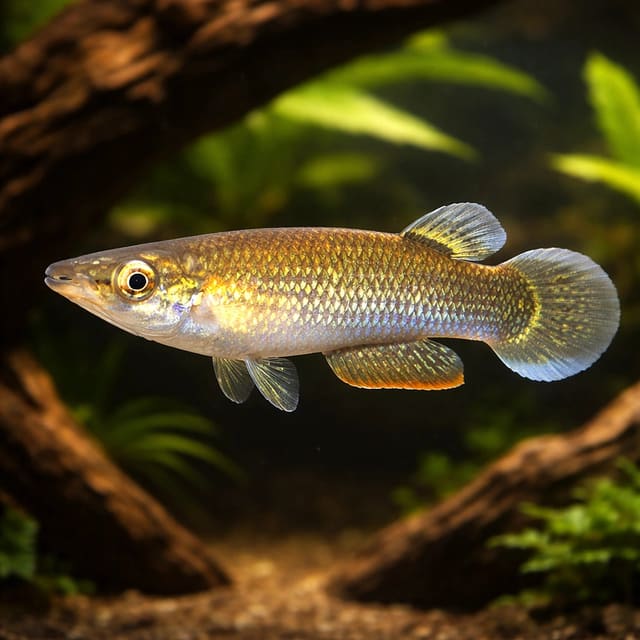
Hepsetus odoe, commonly known as the African pike characin or African pike, is a fascinating predatory freshwater fish prized by experienced aquarists for its streamlined shape, ambush-hunting behaviour and impressive presence. Offered here at 10–15cm, this species is still juvenile but already shows the classic torpedo body and alert, predatory stance that make it such a standout specimen in a large aquarium.
This is not a community fish in the usual sense. Hepsetus odoe grows into a dedicated predator and should be kept only by hobbyists prepared to provide a suitably large aquarium, secure lid, and carefully chosen tank mates. In the right setup, it becomes an exceptional display fish with natural hunting behaviour and a truly wild look.
At Tropical Fish Co, we prioritise healthy livestock, careful packing and customer confidence. Your fish are covered by our live arrival guarantee, and we offer fast UK delivery so your new arrival can settle in quickly and safely.
| Attribute | Details |
|---|---|
| Scientific name | Hepsetus odoe |
| Common name | African pike / African pike characin |
| Care level | Expert |
| Temperament | Semi-aggressive to aggressive |
| Adult size | Up to around 30–40cm in captivity, sometimes larger |
| Minimum tank size | 600 litres+ |
| Temperature | 24–28°C |
| pH | 6.0–7.5 |
| Diet | Carnivorous predator; live, frozen and prepared meaty foods |
| Tank region | Middle to top |
Hepsetus odoe is native to freshwater systems across much of sub-Saharan Africa, where it inhabits rivers, floodplains, lakes, lagoons and slow-moving waters with plenty of cover. In the wild it is an ambush predator, often lurking among submerged vegetation, roots and shaded margins before striking at smaller fish and aquatic prey.
Its natural environment is typically warm, oxygenated and seasonally variable, with areas of dense plant growth and open water. This species is adapted to hunting by stealth rather than constant pursuit, which is why it benefits from a spacious aquarium with visual barriers, subdued décor and calm surroundings. Understanding its habitat helps recreate a more natural and less stressful captive environment.
Because this species is a predator with strong swimming ability, it needs a large aquarium with plenty of length and open water. A tank of 600 litres or more is the sensible starting point for a single specimen, with larger systems strongly recommended if keeping it alongside suitable tank mates. A tight-fitting lid is essential, as pike-like fish can be powerful jumpers and may lunge at prey.
Use a layout that balances open swimming space with sheltered areas. Driftwood, robust roots, smooth rocks and hardy planting can help break up lines of sight and reduce stress. Avoid delicate plants that are likely to be damaged by movement or hunting behaviour. Dimmer lighting, floating plants and darker substrate can help the fish feel more secure and bring out natural behaviour.
Stable water quality is crucial. Keep ammonia and nitrite at zero, maintain strong filtration, and perform regular partial water changes to keep nitrate low. This species appreciates clean, well-oxygenated water and does best when conditions are consistent.
Recommended parameters:
When introducing a new specimen, acclimate slowly and avoid sudden changes in temperature or water chemistry. Quarantine is strongly advised for all new fish, especially predatory species that may be sensitive to transport stress.
Hepsetus odoe is a strict carnivore. In captivity, it should be offered a varied meaty diet that supports growth and long-term condition. Suitable foods include quality frozen items such as prawns, mussel, lancefish, whitebait and other marine or freshwater meaty foods, alongside appropriately sized carnivore pellets or sticks if the fish accepts them.
Young fish may feed more readily on smaller items, while larger individuals can be trained onto larger frozen foods and prepared carnivore diets. Live feeder fish are not recommended as a routine food source due to disease risk and poor nutritional value. A varied, high-protein diet is far better for health and colour.
Feed small amounts once or twice daily when juvenile, then reduce to every other day or as appropriate for adult size and metabolism. Avoid overfeeding, as large predatory fish can become obese if given too much rich food. Remove any uneaten food promptly to maintain water quality.
This species is best kept with similarly sized, robust fish that are too large to be eaten and calm enough not to provoke aggression. Good choices may include large characins, sizeable catfish, sturdy cichlids from compatible water conditions, or other substantial fish that occupy different areas of the tank. Tank mates should be introduced with care and monitored closely.
Smaller fish will almost certainly be viewed as prey. Fin-nippers, frantic swimmers and highly territorial species can also create problems. Because Hepsetus odoe is an ambush predator, it may tolerate tank mates for long periods and then suddenly strike if an opportunity arises. For that reason, only experienced keepers should attempt mixed-species setups.
If you want to enjoy the fish’s behaviour without risk, a species-only aquarium is often the best option. This allows the fish to feed confidently, establish territory and display natural hunting instincts without stress or competition.
At Tropical Fish Co, we understand that buying live fish online requires trust, careful packing and reliable service. That is why we focus on healthy stock, clear care information and a smooth ordering experience from start to finish. Every order is prepared with attention to detail to help your fish arrive in excellent condition.
When you choose us, you benefit from our live arrival guarantee, giving you peace of mind when ordering online. We also provide fast UK delivery to reduce transit time and help your fish settle into their new home sooner. Whether you are building a specialist predator aquarium or adding a standout specimen to a large display tank, we aim to make the process as straightforward as possible.
Hepsetus odoe is a superb choice for the advanced aquarist looking for something unusual, powerful and visually striking. With the right care, space and planning, this African predator can become the centrepiece of a truly memorable aquarium.
No reviews for this item yet. Bought one? Honest reviews only, good or bad.
What customers say about ordering from us
Easy website plenty of info on fish your buying great to pick a time slot
TRACEY DURRANT · 7 Oct 2026
Got some lovely fish thank you
Kevin Mackie · 7 Oct 2026
Reviews of our shop, collected by Judge.me, an independent third-party review collector. Newest first.