Moderate
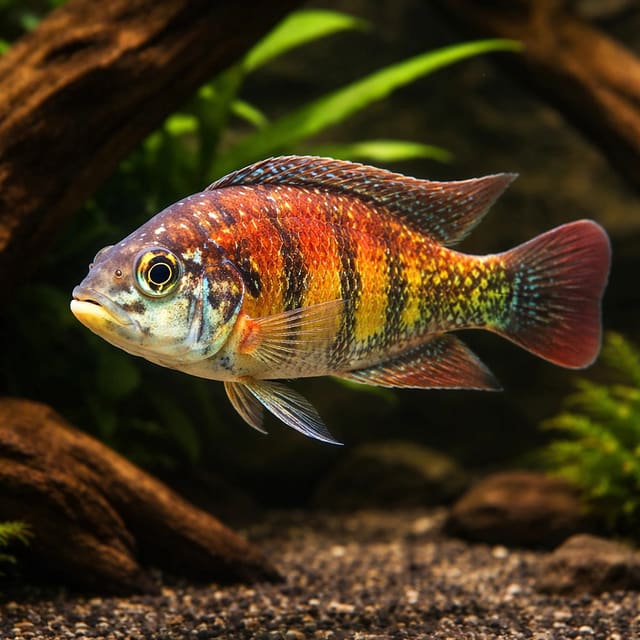
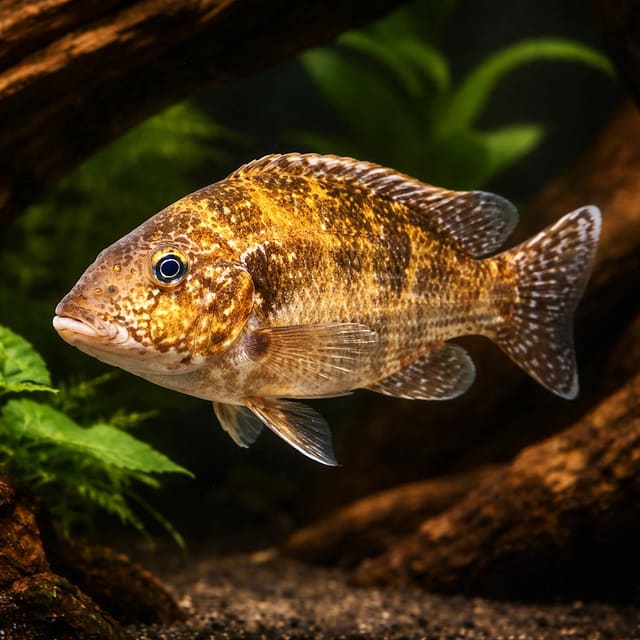
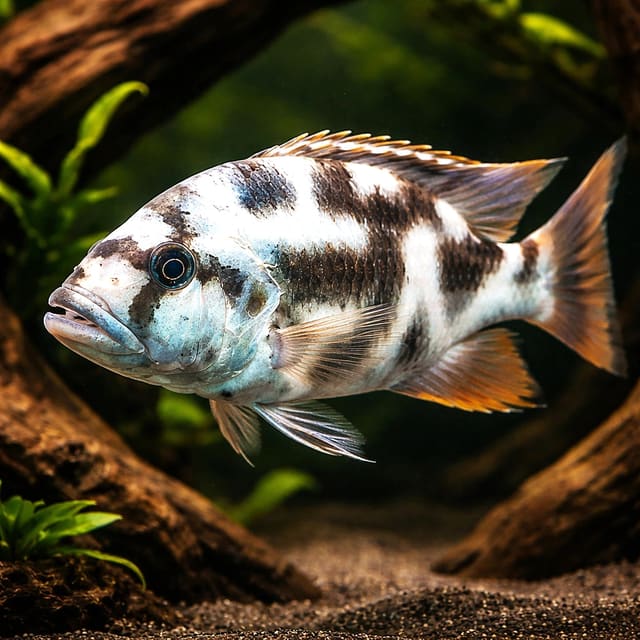
Haplochromis hippo point salmon sp.
24–27°C · pH 7.8–8.6
£25.99
Young Haplochromis salmon cichlid, 3-4 cm. A striking African lake fish for suitably sized cichlid aquariums.
Adult size is the maximum length this species reaches at full maturity (scientific sources). The livestock you receive will be younger and smaller. Product-photo provenance and any image-specific limitations are stated on the listing.
Haplochromis sp. 'salmon'
Save when buying multiple fish. Each quantity is one fish; sex and pair formation are not guaranteed unless the selected variant explicitly states them.
Confirm your email, then we’ll send an availability message for this exact item if it returns within 180 days.
This request is only for this product—no newsletter or other promotions. A mail-provider retry may very rarely duplicate the same availability message. Unconfirmed addresses are removed after 48 hours. See our privacy policy.
Young Haplochromis salmon cichlid, 3-4 cm. A striking African lake fish for suitably sized cichlid aquariums.
Adult size is the maximum length this species reaches at full maturity (scientific sources). The livestock you receive will be younger and smaller. Product-photo provenance and any image-specific limitations are stated on the listing.
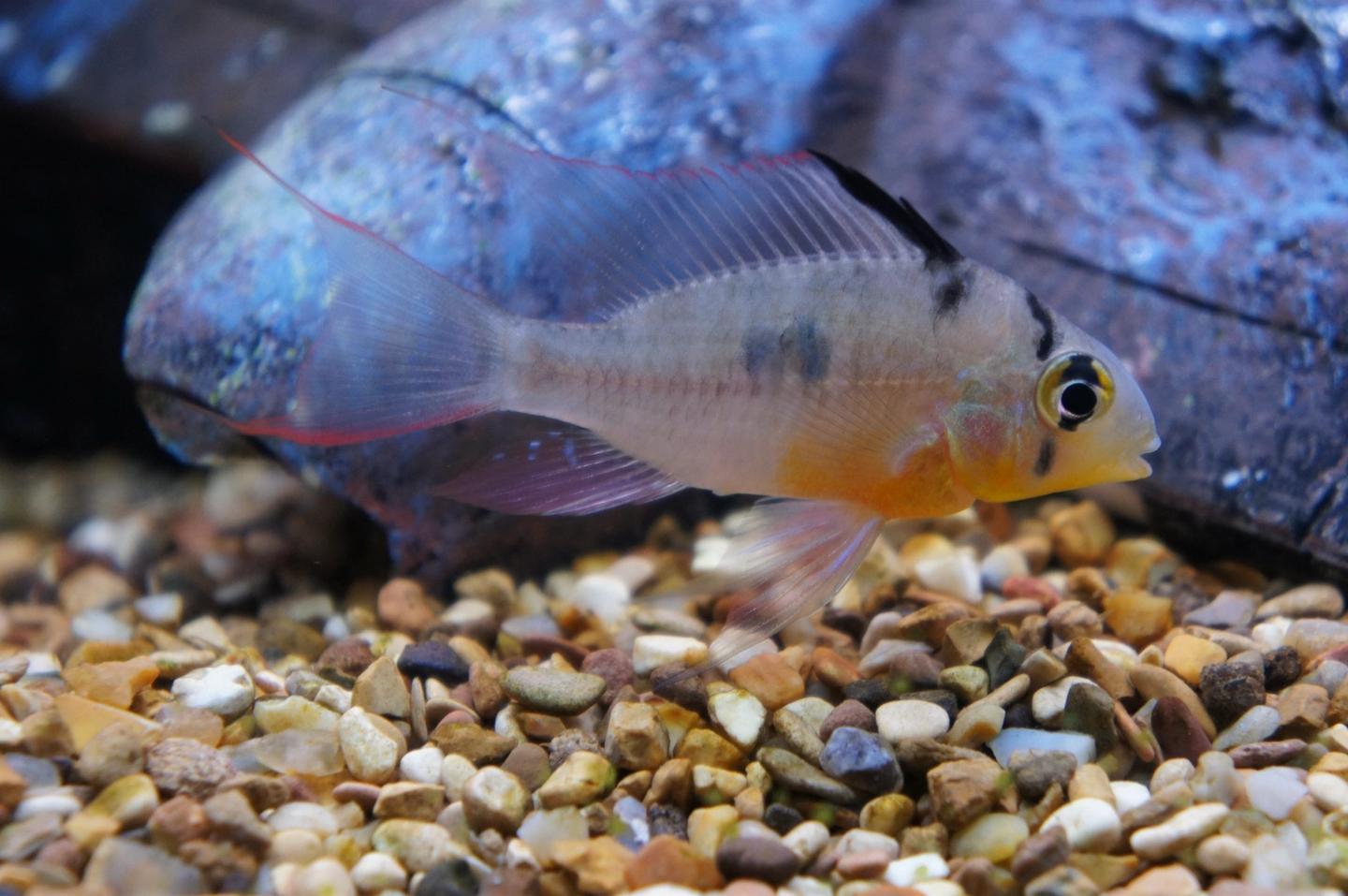
Cichlids are a family of roughly 1,800 accepted species, not one care type. Before buying, identify the exact species and source, then compare adult measurement, usable tank dimensions, social system, territory, tested water, diet and an exit plan. No family-wide minimum tank, water range or tank-mate list is safe.
Maintain these water conditions for optimal health and vibrant colors
The Haplochromis salmon is a striking young African cichlid offered at a size of 3-4 cm, making it an excellent choice for aquarists looking to grow on a colourful Lake Victoria-type cichlid from juvenile size. As with many haplochromine cichlids, this fish develops best in a spacious, well-filtered aquarium with stable water conditions and a carefully chosen community. Juveniles are often more subdued in colour, but with good care and the right environment, they can mature into vibrant, active fish with plenty of personality.
This species is best suited to hobbyists with some experience of African cichlids, as it thrives in hard, alkaline water and benefits from a tank arranged to reduce aggression and territorial disputes. At Tropical Fish Co, we offer healthy stock with fast UK delivery and a live arrival guarantee, so your new fish arrive in the best possible condition for acclimation and long-term success.
Because the name Haplochromis salmon is used in the trade rather than a formally established species name, care should be based on the general biology of haplochromine cichlids from the African Great Lakes. These fish are active, intelligent and best kept in a species-appropriate setup with rockwork, open swimming space and excellent water quality.
| Care factor | Recommendation |
|---|---|
| Scientific name | Haplochromis sp. “salmon” |
| Common name | Haplochromis salmon |
| Adult size | Approx. 10-12 cm |
| Temperament | Semi-aggressive |
| Care level | Moderate |
| Minimum tank | 200 litres |
| Temperature | 24-28°C |
| pH | 7.8-8.6 |
| Diet | Omnivore with a strong carnivorous tendency |
| Tank region | Middle to upper levels |
Haplochromine cichlids originate from the African Great Lakes region, especially Lake Victoria and related systems, where they occupy a wide range of ecological niches. Many species in this group are adapted to rocky shorelines, transitional zones and open-water areas, feeding on small invertebrates, insect larvae, algae and plankton depending on the species and locality. The trade name “salmon” usually refers to a colour form or line rather than a universally recognised species, so exact origin may vary between collections.
In nature, these fish live in warm, mineral-rich water with strong sunlight, abundant oxygen and complex habitats. Replicating those conditions in the aquarium is key to success. A setup with rock piles, caves and open sand areas helps mimic their natural environment while also providing territories and visual barriers to reduce stress.
For best results, house Haplochromis salmon in a tank of at least 200 litres, with larger aquariums strongly recommended if keeping a group or mixed cichlid community. These fish are active swimmers and can become territorial as they mature, so extra space is always beneficial. Use a powerful external or internal filter to maintain pristine water quality and provide good circulation and oxygenation.
Decor should be robust and practical rather than delicate. A substrate of fine sand or smooth gravel works well, with plenty of rockwork arranged securely on the tank base before adding substrate. This creates caves and broken lines of sight, which helps reduce aggression. Leave open swimming areas at the front and centre of the tank. Hardy plants can be used, but many African cichlid keepers prefer artificial planting or tough species attached to rocks, as digging and nibbling may occur.
Water should be hard and alkaline, with a pH between 7.8 and 8.6 and a temperature of 24-28°C. Stable conditions are more important than chasing exact numbers, but these fish do best in clean, well-buffered water. Regular partial water changes are essential, especially in cichlid tanks where feeding is often generous and stocking can be relatively heavy. Good maintenance will support colour, growth and long-term health.
When introducing new fish, acclimate them slowly and avoid sudden changes in temperature or chemistry. Juveniles of 3-4 cm are still growing and should be monitored carefully, as faster-growing tank mates may outcompete them for food. Provide a varied diet and avoid overfeeding to keep water quality high.
Haplochromis salmon should be fed a varied diet suited to an omnivorous cichlid with a preference for meaty foods. High-quality cichlid pellets or granules should form the staple, supplemented with frozen or live foods such as brine shrimp, mysis, daphnia and chopped krill. Some vegetable matter can also be offered in moderation, particularly if the fish shows interest in grazing.
Feed small amounts once or twice daily, only what the fish will consume within a few minutes. Overfeeding can quickly affect water quality and may lead to digestive issues. A varied diet helps support colour development, growth and breeding condition, while also keeping the fish active and responsive.
Avoid relying heavily on fatty foods or low-quality flake diets. As with many African cichlids, a balanced approach is best, and regular water changes will help the fish make the most of its nutrition.
Haplochromis salmon is best kept with other robust African cichlids of similar size and temperament, or in a species tank where behaviour can be more closely managed. Suitable companions may include other Lake Victoria haplochromines or carefully selected Lake Malawi mbuna and non-mbuna species, provided the tank is large enough and the fish are matched sensibly. Fast, confident fish that can hold their own are usually the safest choice.
Avoid very small fish, slow-moving species, long-finned tank mates and delicate community fish, as they may be harassed or outcompeted. In smaller aquariums, aggression can increase significantly, especially as males mature. Keeping multiple females to one male may help in breeding setups, but only in a properly sized tank with plenty of cover.
As a general rule, this is not a fish for peaceful community aquariums. It is best appreciated in a dedicated African cichlid setup where its behaviour and colour can be enjoyed without risking stress to other fish.
At Tropical Fish Co, we focus on supplying healthy, well-cared-for livestock with clear care guidance to help you succeed from day one. Our Haplochromis salmon are selected for quality and condition, and we pack with care for fast UK delivery. Every live fish order is covered by our live arrival guarantee, giving you added confidence when ordering online.
We understand that African cichlids need the right environment to thrive, so we aim to provide accurate, practical information alongside every listing. Whether you are building a Lake Victoria-inspired display or expanding an established cichlid collection, we are here to help you choose fish that suit your setup and your experience level. Order with confidence and enjoy a striking young cichlid that can develop into a real showpiece with the right care.
No reviews for this item yet. Bought one? Honest reviews only, good or bad.
What customers say about ordering from us
Easy website plenty of info on fish your buying great to pick a time slot
TRACEY DURRANT · 7 Oct 2026
Got some lovely fish thank you
Kevin Mackie · 7 Oct 2026
Reviews of our shop, collected by Judge.me, an independent third-party review collector. Newest first.