

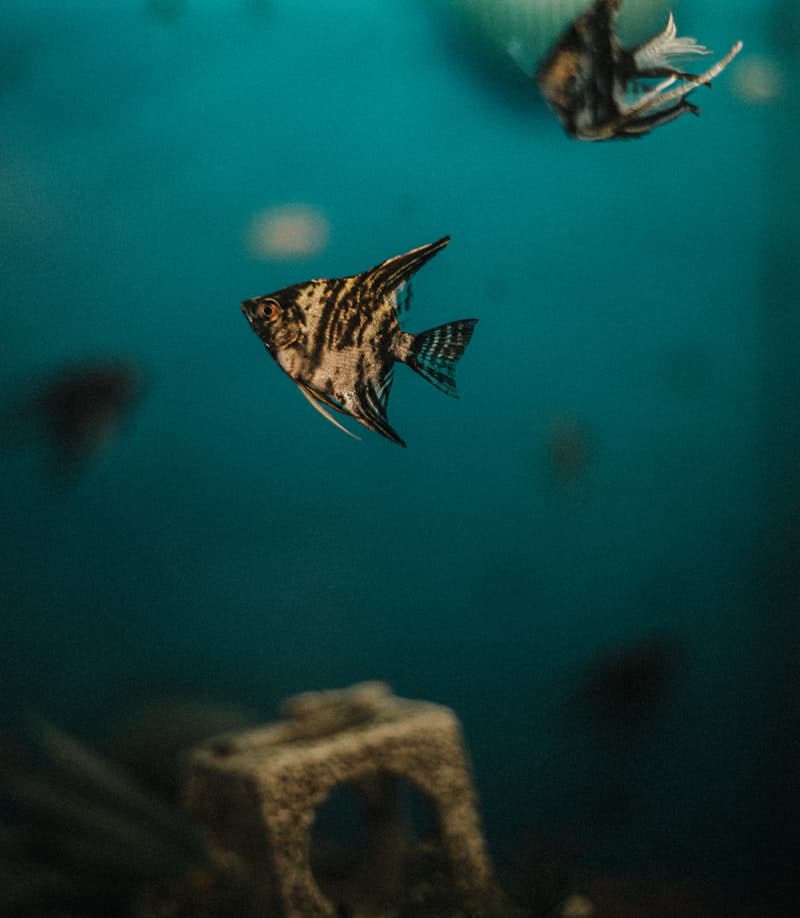

Easy
Microrasbora kubotai - Tropical Fish for Sale UK
22–26°C · pH 6–7.5 · 30L
£4.99

A peaceful Amazonian eartheater cichlid with fascinating sand-sifting behavior and striking natural coloration. Moderate care, peaceful. 24-30C, pH 5.5-7.5.
Adult size is the maximum length this species reaches at full maturity (scientific sources). The fish you receive will be younger and smaller — pick a size variant above for the actual shipping size. Photos are AI-enhanced, so the live fish may show subtle colour or marking differences.
Geophagus jurupari
Not home? Message us and we'll delay delivery.
A peaceful Amazonian eartheater cichlid with fascinating sand-sifting behavior and striking natural coloration. Moderate care, peaceful. 24-30C, pH 5.5-7.5.
Adult size is the maximum length this species reaches at full maturity (scientific sources). The fish you receive will be younger and smaller — pick a size variant above for the actual shipping size. Photos are AI-enhanced, so the live fish may show subtle colour or marking differences.
Maintain these water conditions for optimal health and vibrant colors
The Demon Fish, scientifically known as Satanoperca jurupari, is a striking Amazonian eartheater cichlid that captivates aquarists with its elegant appearance and mesmerising sand-sifting behaviour. Despite its ominous common name, this species is remarkably peaceful and well-suited to large South American community aquariums. Reaching up to 18.5cm in length, the Demon Fish requires a spacious tank of at least 250 litres and thrives in soft, warm water with a sandy substrate. Available for freshwater fish for sale UK, this species is an excellent choice for experienced aquarists seeking a peaceful, large cichlid with fascinating natural behaviour and understated beauty.
The Demon Fish is an attractive cichlid with a laterally compressed, streamlined body and subtle, natural coloration. The base colour is typically silver to grey, adorned with iridescent blue, green, and gold highlights that shimmer under aquarium lighting. A prominent dark spot is often visible on the mid-body, and faint vertical bars may appear depending on mood and stress levels. The dorsal and anal fins are elongated, especially in mature males, adding to the fish's graceful profile. The large, expressive eyes and protrusible mouth are perfectly adapted for the fish's bottom-dwelling, sand-sifting lifestyle. Overall, the Demon Fish is an elegant, understated cichlid that fits beautifully into naturalistic biotope setups.
Endemic to the Amazon basin in South America, the Demon Fish inhabits slow-moving rivers, floodplains, and backwaters with sandy or muddy substrates. In the wild, these cichlids sift through the substrate continuously, extracting small invertebrates, insect larvae, and organic matter. The water is typically warm, soft, and slightly acidic, with abundant submerged vegetation, fallen branches, and leaf litter providing shelter and foraging grounds. These fish are often found in groups, moving across the sandy substrate in search of food. Replicating these conditions in the aquarium is essential for the health and well-being of this species.
A minimum tank size of 250 litres is essential for Satanoperca jurupari, with larger tanks recommended for groups or community setups. Use a soft sand substrate—this is critical, as sharp gravel can damage the fish's mouth and gills during sifting. Include driftwood, smooth rocks, and robust plants such as Amazon swords, Vallisneria, or Anubias to create a naturalistic Amazonian biotope. Ensure filtration is robust and efficient, as eartheaters produce a moderate bioload and are sensitive to poor water quality. Perform regular water changes (30-40% weekly) and maintain soft, slightly acidic to neutral water. Subdued lighting and a dark substrate will reduce stress and encourage natural behaviour. The tank should have plenty of open bottom space for foraging.
Demon Fish are omnivores with a preference for meaty, sinking foods. Offer a varied diet based on high-quality sinking cichlid pellets or granules, supplemented with frozen or live foods such as bloodworms, brine shrimp, daphnia, blackworms, and chopped earthworms. Include occasional vegetable matter such as blanched spinach or spirulina-based foods to support digestive health. Feed twice daily in portions that can be consumed within a few minutes, ensuring food reaches the substrate where these bottom-dwellers forage. A varied, balanced diet will enhance coloration, support immune function, and encourage the natural sand-sifting behaviour that makes this species so captivating to observe.
The Demon Fish is a peaceful, social cichlid that spends much of its time sifting sand and foraging for food. The sight of these fish taking in large mouthfuls of sand, filtering it through their gills, and expelling it is one of the most mesmerising behaviours in the freshwater aquarium. They are generally non-aggressive and can be kept in groups when young, though adults may form pairs. Satanoperca jurupari are intelligent and may learn to recognise their keeper, often coming to the front of the tank at feeding time. Their calm demeanour and engaging behaviour make them an excellent centrepiece species for large South American community aquariums.
Choose tankmates carefully to ensure compatibility with this peaceful eartheater. Suitable companions include peaceful to mildly robust South American fish of similar size, such as tetras (Congo tetras, Buenos Aires tetras), Corydoras catfish, Plecos and other Loricariids, and other non-aggressive cichlids of similar temperament such as Severums or Geophagus species. Avoid small fish that may be eaten, highly aggressive cichlids, fin-nippers, very territorial bottom dwellers, and tiny shrimp and other small invertebrates. The Demon Fish is not suitable for typical community tanks with small, delicate fish, but thrives in carefully planned South American biotope setups.
Satanoperca jurupari are typically substrate spawners, with pairs forming and guarding eggs or fry. Breeding is more likely in a spacious aquarium with soft, clean water, fine sand, and excellent water quality. The female may incubate eggs in her mouth after spawning, following the mouthbrooding strategy common in many Geophagus-type cichlids. Provide stable conditions, plenty of hiding places, and a stress-free environment to encourage breeding. Once released, fry can be raised on newly hatched brine shrimp and finely crushed flakes. Breeding Satanoperca species is a rewarding challenge that showcases the fascinating parental care strategies of South American eartheater cichlids.
Tropical Fish Co is a leading supplier of South American cichlids for sale, offering healthy, well-conditioned Demon Fish sourced from reputable breeders and quarantined for quality assurance. We provide expert advice on earth eater cichlid care, tank setup, water chemistry, and compatible tankmates to help you create a thriving Amazonian aquarium. With secure packaging, reliable tropical fish shop UK delivery, and a commitment to customer satisfaction, Tropical Fish Co makes it easy to buy freshwater fish for sale UK with confidence. Whether you're building your first large cichlid tank or expanding an established collection, our knowledgeable team is here to support your success.
Dispatched Tue or Wed, delivered Wed or Thu — every order tracked and insured.
22–26°C · pH 6–7.5 · 30L

24–28°C · pH 7.5–8.5 · 150L


24–28°C · pH 7.5–8.5 · 200L

18–25°C · pH 6–8 · 100L


24–27°C · pH 7.5–8.8 · 150L

22–26°C · pH 6–7.5 · 60L

24–28°C · pH 5.5–7 · 60L

18–28°C · pH 6.5–8 · 20L

24–28°C · pH 7.5–8.5 · 40L

24–28°C · pH 7.5–8.5 · 400L

22–26°C · pH 6–7.5 · 150L

22–28°C · pH 7–8.5 · 10L

23–27°C · pH 5.5–7.5 · 80L

24–27°C · pH 7.5–9 · 250L