−15%
Spotted Garra (Garra spilota)
22–26°C · pH 6–7.5 · 81L
£11.04£12.99

A small, peaceful Sri Lankan algae-grazing fish that thrives in clean, flowing, rock-filled aquariums. Moderate care, peaceful. 22-28C, pH 6.5-7.5.
Adult size is the maximum length this species reaches at full maturity (scientific sources). The livestock you receive will be younger and smaller. Product-photo provenance and any image-specific limitations are stated on the listing.
Garra ceylonensis
Shoaling fish: kept in a group they feel safer, stay calmer and show their best colour.
Confirm your email, then we’ll send an availability message for this exact item if it returns within 180 days.
This request is only for this product—no newsletter or other promotions. A mail-provider retry may very rarely duplicate the same availability message. Unconfirmed addresses are removed after 48 hours. See our privacy policy.
A small, peaceful Sri Lankan algae-grazing fish that thrives in clean, flowing, rock-filled aquariums. Moderate care, peaceful. 22-28C, pH 6.5-7.5.
Adult size is the maximum length this species reaches at full maturity (scientific sources). The livestock you receive will be younger and smaller. Product-photo provenance and any image-specific limitations are stated on the listing.
Maintain these water conditions for optimal health and vibrant colors
The Stone Sucker (Garra ceylonensis), also known as the Ceylon Logsucker, is a small, peaceful algae-grazing fish endemic to the rivers and streams of Sri Lanka. Reaching an adult size of just 6cm, this species is an excellent choice for aquarists seeking an efficient, attractive, and community-friendly algae eater for smaller setups. With its sleek, streamlined body and specialised suckermouth adapted for grazing biofilm and diatoms from rocks and surfaces, the Stone Sucker brings both utility and natural beauty to the aquarium. Its peaceful temperament and moderate care requirements make it suitable for intermediate aquarists with an interest in hillstream or biotope-style aquariums. For those seeking small algae eating fish that thrive in clean, flowing water, the Stone Sucker is an outstanding choice for sale UK-wide.
Quick Care Summary: Peaceful algae grazer; adult size 6cm; minimum 75L; needs clean, well-oxygenated water with moderate flow; rocky aquarium with grazing surfaces; community-friendly.
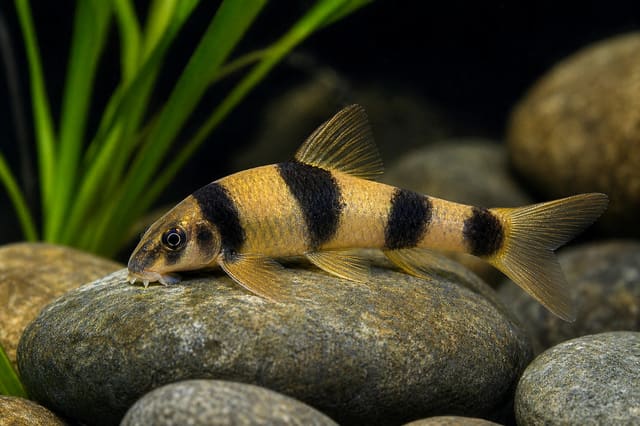
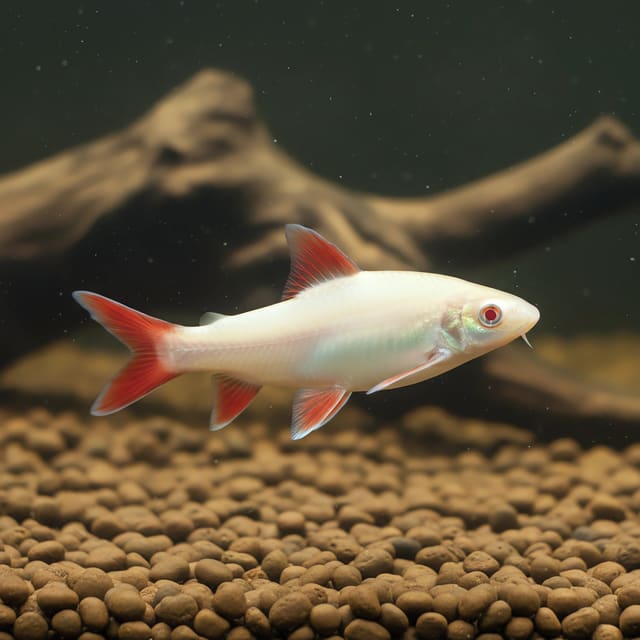
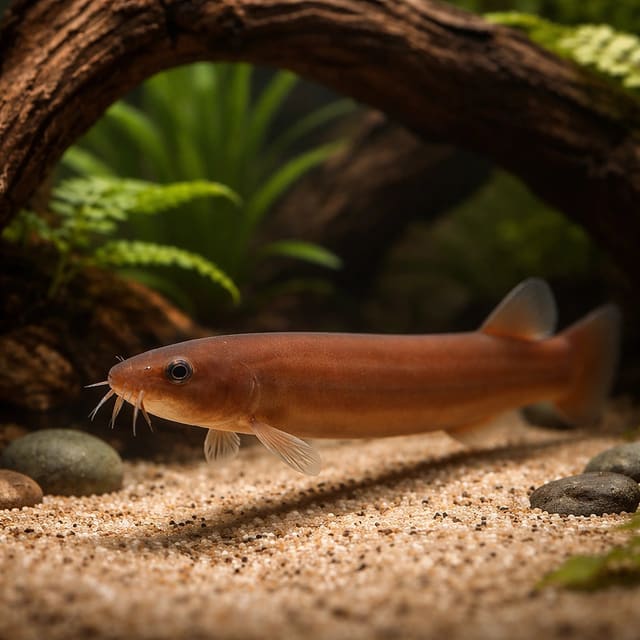
The Stone Sucker displays a streamlined, torpedo-shaped body with a flattened ventral surface and a specialised suckermouth perfectly adapted for clinging to rocks and grazing aufwuchs (biofilm, algae, and microorganisms). Colouration is typically olive-brown to greyish, often with subtle darker mottling or banding that provides camouflage against rocky substrates. The fins are generally translucent with faint markings, and the pectoral and pelvic fins are large and well-developed for stability in flowing water. The eyes are positioned high on the head, and the body is covered in small, smooth scales. Sexual dimorphism is subtle; mature males may develop small breeding tubercles on the head and pectoral fins during the breeding season. Healthy specimens are active grazers with clear eyes, smooth scales, and well-defined finnage. Faded colour or lethargy can indicate poor water quality or inadequate grazing surfaces.
Garra ceylonensis is endemic to Sri Lanka, where it inhabits rivers and streams with slow to moderately flowing water, particularly in rocky headwaters and forest-shaded sections. These habitats are characterised by clear, well-oxygenated water, abundant smooth rocks covered in biofilm and algae, and a substrate of gravel, pebbles, or bedrock. The species is rheophilic (adapted to flowing water) and is often found in schools, grazing cooperatively on exposed surfaces. Water is typically soft to moderately hard with neutral to slightly acidic pH, and the environment is rich in dissolved oxygen. Seasonal variation in water flow and temperature is common, and the species is adapted to exploit temporary feeding opportunities as water levels change. Replicating these conditions in the aquarium is key to the species' health and natural behaviour.
A minimum aquarium size of 75 litres is recommended, with larger tanks preferred for groups and community setups. The substrate should be smooth gravel or rounded pebbles, and the aquarium must be densely furnished with smooth rocks, cobbles, and slate arranged to create grazing surfaces and visual barriers. Driftwood, live plants, and leaf litter can also be included, though the primary focus should be on providing abundant rocky surfaces for algae and biofilm growth. Water flow should be moderate, replicating the flowing streams of the species' natural habitat; use a powerhead or additional circulation pump if necessary. Filtration must be efficient and robust, maintaining excellent water quality and high dissolved oxygen levels. Lighting should be moderate to bright to encourage natural algae growth on rocks and surfaces. Allow the aquarium to mature for several weeks before adding the fish, as an established biofilm is essential for their diet and wellbeing. Avoid sharp or rough decor that could damage the delicate ventral surface.
Maintaining clean, well-oxygenated water is essential for Garra ceylonensis. Temperature should be kept between 22-28°C, with 24-26°C being ideal. pH should range from 6.5-7.5, with neutral values preferred. Water hardness should be low to moderate, replicating the soft, clear streams of Sri Lanka. Ammonia and nitrite must always be at zero, and nitrates should be kept below 20ppm through regular partial water changes of 20-30% weekly. This species is sensitive to poor water quality and will quickly show signs of stress or disease in suboptimal conditions. Use a high-quality test kit to monitor parameters regularly, and ensure excellent biological filtration. Provide strong surface agitation and high dissolved oxygen levels, as the species is adapted to flowing, oxygen-rich water. Stable parameters and consistent maintenance are key to long-term success.
Top Tip: Allow your tank to mature for 4-6 weeks before adding Stone Suckers — they need established biofilm and algae to graze on.
The Stone Sucker is primarily an aufwuchs grazer, feeding on algae, diatoms, biofilm, and the microorganisms that colonise rocks and surfaces. In a mature, well-lit aquarium with abundant grazing surfaces, much of the diet will be obtained naturally. Supplement with high-quality sinking wafers, spirulina-based foods, and blanched vegetables such as courgette, spinach, or cucumber. Offer occasional small frozen or live foods (such as daphnia or bloodworms) for variety and to provide additional protein. Feed small amounts daily or every other day, and ensure food reaches the lower levels of the tank where the fish graze. Avoid overfeeding, as excess food can degrade water quality and reduce the availability of natural grazing surfaces. A varied, balanced diet supports vibrant health, active behaviour, and strong immune function.
Garra ceylonensis is a peaceful, social species that is best kept in small groups of 4-6 individuals, though single specimens can thrive in a well-planned community. In groups, they exhibit cooperative grazing behaviour and natural social interactions, which are fascinating to observe. The species is active during the day, spending much of its time clinging to rocks and surfaces, methodically grazing biofilm and algae. They are non-aggressive and will not bother tank mates, though they may occasionally display mild territorial behaviour over preferred grazing spots. The species is not a schooling fish in the traditional sense but will aggregate loosely when feeding or resting. Provide plenty of grazing surfaces and visual barriers to reduce competition and encourage natural behaviour. Observing the Stone Sucker's industrious grazing and streamlined movements is one of the pleasures of keeping this species.
The Stone Sucker is an excellent community fish, compatible with a wide range of peaceful, similarly sized species. Ideal tank mates include small peaceful cyprinids such as Rasbora species, small loaches (e.g. Pangio or Yunnanilus), peaceful hillstream fish, and non-aggressive shrimp and snails. Avoid large predatory fish, aggressive territorial species, fin-nippers, and very boisterous fish that may outcompete the Stone Sucker for food or create excessive stress. Because of the species' preference for flowing, well-oxygenated water, tank mates should be chosen from those that thrive in similar conditions. A well-planned biotope or hillstream-style aquarium featuring Sri Lankan or Southeast Asian species is an ideal setting. Ensure all tank mates are peaceful and compatible in terms of water parameters, diet, and temperament.
Breeding Garra ceylonensis in captivity is not commonly reported and is poorly documented in the aquarium literature. In nature, the species ascends small rocky streams to spawn during seasonal floods or changes in water conditions. Successful captive breeding would likely require a dedicated breeding setup with excellent water quality, strong water flow, rocky substrate, and well-conditioned adults. Environmental triggers such as cooler water changes or increased flow may stimulate spawning behaviour. Eggs are likely adhesive and deposited on rocks or substrate, though detailed information is lacking. Raising fry would require microscopic foods, pristine water quality, and careful attention to detail. For most aquarists, the Stone Sucker is kept for its algae-grazing abilities and peaceful temperament rather than breeding potential. Those interested in breeding should consult specialist literature and be prepared for experimental efforts.
Tropical Fish Co is proud to offer healthy, quarantined Stone Suckers sourced from trusted suppliers and carefully acclimated to ensure peak condition upon arrival. Every fish is inspected for health, vitality, and colouration before dispatch, and we provide expert advice and ongoing support to help you create the ideal environment for your new arrivals. With fast, reliable delivery across the UK and a commitment to customer satisfaction, Tropical Fish Co is your trusted partner for freshwater fish for sale UK-wide. Whether you're setting up a biotope aquarium, establishing a hillstream tank, or adding efficient algae grazers to your community setup, our team is here to help you succeed. Shop with confidence and discover the charm and utility of the Stone Sucker from Tropical Fish Co.
No reviews for this item yet. Bought one? Honest reviews only, good or bad.
What customers say about ordering from us
I have a small group of long finned mountain minnows. So was delighted to be able to order ten of this variety to increase the genetics in my tank . The ones I recieved are healthy but it’s to early to give a verdict on wether they are of a long finned type since they are small currently.
Gordon Walker · 23 Sept 2026
100% success travel and "installation". Pleased with quality of purchase. The Siamese fighter a bit "shy" so have not yet seen him at his best yet but looking good. Happy customer. GG
George E Garratt · 21 Sept 2026
Reviews of our shop, collected by Judge.me, an independent third-party review collector. Newest first.