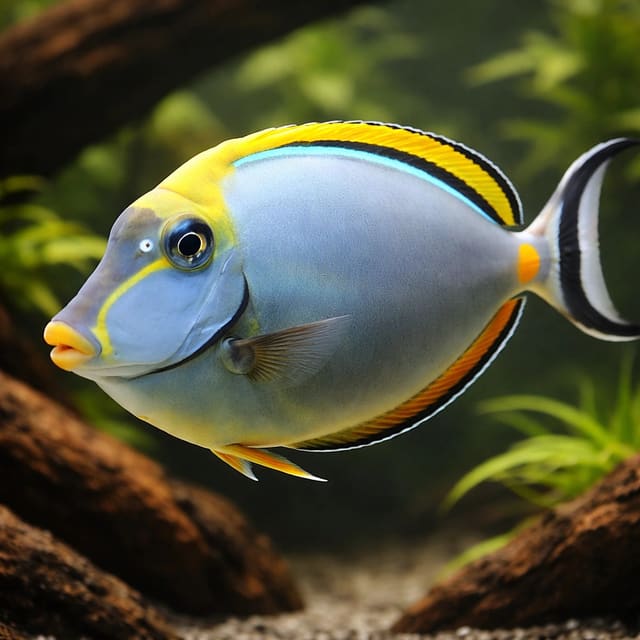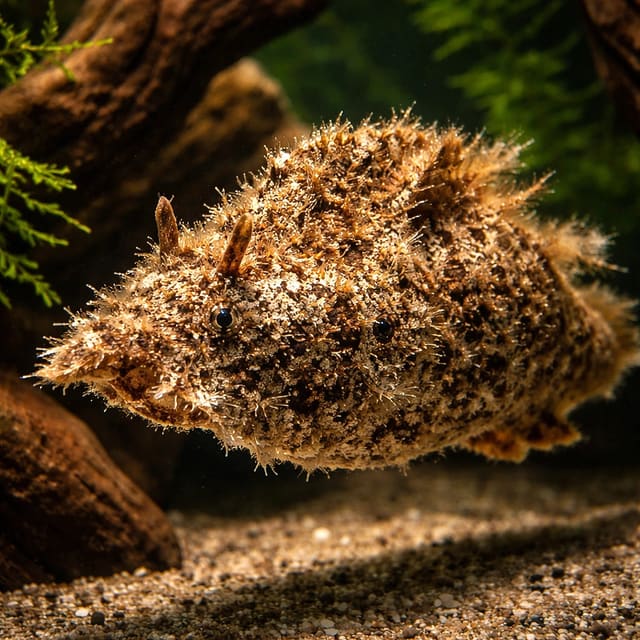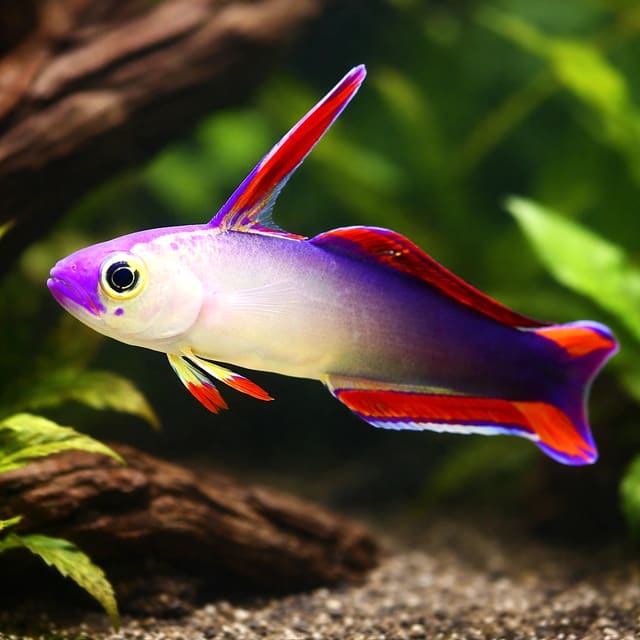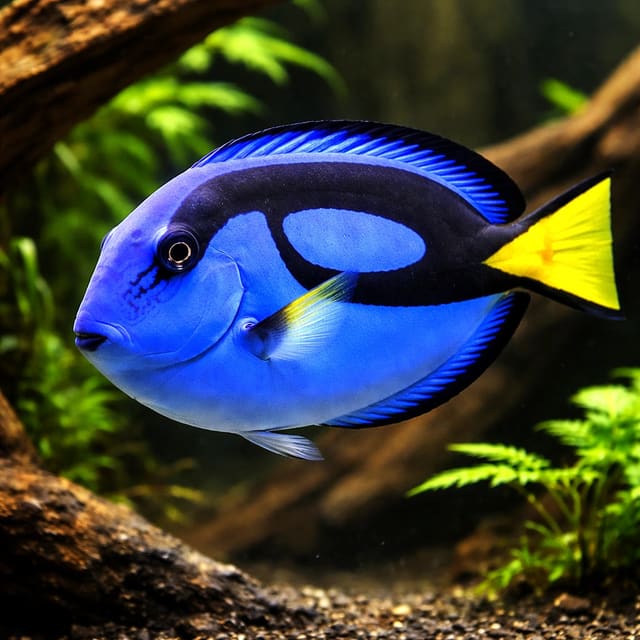
Palette surgeonfish (Paracanthurus hepatus)
24–26°C · pH 7.9–8.3
£92.99
Graceful large seahorse for specialist marine aquariums. Best kept in a calm, species-only setup with gentle feeding and stable water.
Adult size is the maximum length this species reaches at full maturity (scientific sources). The livestock you receive will be younger and smaller. Product-photo provenance and any image-specific limitations are stated on the listing.
Hippocampus erectus
Confirm your email, then we’ll send an availability message for this exact item if it returns within 180 days.
This request is only for this product—no newsletter or other promotions. A mail-provider retry may very rarely duplicate the same availability message. Unconfirmed addresses are removed after 48 hours. See our privacy policy.
Graceful large seahorse for specialist marine aquariums. Best kept in a calm, species-only setup with gentle feeding and stable water.
Adult size is the maximum length this species reaches at full maturity (scientific sources). The livestock you receive will be younger and smaller. Product-photo provenance and any image-specific limitations are stated on the listing.
Maintain these water conditions for optimal health and vibrant colors
The Hippocampus erectus, commonly known as the lined seahorse or erectus seahorse, is one of the most popular seahorse species in the marine aquarium hobby. This large size specimen is best suited to experienced keepers with a dedicated seahorse system, as it requires stable water conditions, low flow, and careful feeding. With its upright posture, prehensile tail, and fascinating hunting behaviour, it is a truly captivating fish to observe.
Seahorses are not typical community fish. They are slow-moving, deliberate feeders that do best in peaceful aquariums with plenty of hitching points and minimal competition. When cared for correctly, Hippocampus erectus can become a long-lived and rewarding marine species. At Tropical Fish Co, we supply healthy livestock with a live arrival guarantee and fast UK delivery, helping you add specialist species with confidence.
As a CITES Appendix II listed species, this seahorse should be purchased and kept responsibly, with attention to legal sourcing and appropriate husbandry. It is an excellent choice for aquarists who are ready to provide a stable, well-planned marine environment.
| Care Factor | Recommendation |
|---|---|
| Scientific name | Hippocampus erectus |
| Common name | Lined seahorse / erectus seahorse |
| Care level | Expert |
| Temperament | Peaceful |
| Adult size | Up to 17 cm |
| Minimum tank size | 150 litres for a pair; larger for groups |
| Temperature | 22–24°C |
| pH | 8.1–8.4 |
| Salinity | Marine reef conditions, stable specific gravity |
| Diet | Live and frozen meaty foods, especially enriched mysis |
| Tank region | Middle |
Hippocampus erectus is native to the western Atlantic, including areas such as the Caribbean, the Gulf of Mexico, and parts of the eastern coast of the Americas. In the wild, it inhabits seagrass beds, mangrove edges, floating vegetation, and sheltered coastal areas where currents are gentle and there are plenty of structures to hold onto.
This natural lifestyle explains much of its aquarium care. Seahorses rely on their tails to anchor themselves to plants, corals, or artificial hitching posts while they wait to ambush small prey. They are not built for fast swimming or strong flow, so a calm environment is essential. Their slow, methodical movement and specialised feeding style make them one of the most distinctive marine fish available.
Because their habitat is often shallow and structurally complex, a seahorse aquarium should prioritise stability, gentle water movement, and plenty of vertical space. A well-designed setup helps reduce stress and supports natural behaviour.
A dedicated seahorse aquarium is strongly recommended. Choose a tank with a good footprint and enough height for hitching and courtship behaviour. A mature marine system with excellent filtration and stable parameters is far more important than strong circulation. Use gentle flow, ideally from a diffuser or broad outlet, and avoid powerheads that create direct jets.
Provide multiple hitching points such as macroalgae, seahorse-safe artificial corals, branching decorations, and purpose-made hitching posts. Live rock can be used, but ensure there are no sharp edges or trapping hazards. Keep the aquascape open enough for easy feeding and observation, while still offering secure resting areas.
Water quality must be pristine. Seahorses are sensitive to poor conditions and sudden changes, so regular maintenance is essential. Keep nitrate as low as practical, maintain strong biological filtration, and avoid overfeeding. A protein skimmer can be very helpful in a marine seahorse system, as can a covered tank to prevent escape and reduce evaporation.
Recommended parameters: temperature 22–24°C, pH 8.1–8.4, and stable marine salinity. Avoid high temperatures, as warm water can reduce oxygen levels and increase stress. Seahorses generally do best in cooler marine setups than many reef fish, and they should not be kept with aggressive corals or stinging species that may injure them.
Tank mates should be chosen with extreme care. Any fish that outcompete them for food, nip at their fins, or create too much activity should be avoided. In many cases, a species-only tank is the safest and most successful option.
Hippocampus erectus is a specialised feeder that usually prefers meaty foods offered slowly and deliberately. In captivity, the best staple diet is typically enriched frozen mysis shrimp, though some individuals may initially require live foods while they settle in. Feed small amounts multiple times per day rather than one large feeding, as seahorses have relatively simple digestive systems and benefit from regular meals.
Use a feeding station or target feeding method to help ensure each seahorse gets enough food. This reduces waste, improves intake, and prevents faster tank mates from stealing meals. Enrichment with vitamins and marine supplements can support long-term health, especially for newly acquired specimens.
Watch body condition closely. A healthy seahorse should have a rounded, well-filled body without visible pinching behind the head or along the trunk. If the animal is thin, slow to feed, or refusing food, check water quality immediately and review feeding technique. Consistent nutrition is one of the most important parts of successful seahorse keeping.
Compatibility is one of the biggest challenges with seahorses. The best tank mates are calm, non-competitive, and unable to outcompete them at feeding time. Suitable companions may include very peaceful marine invertebrates and, in some carefully planned systems, other gentle species that share similar water requirements and temperament.
Avoid boisterous fish, territorial species, fast feeders, and anything known to nip fins or harass slow-moving livestock. Seahorses should never be housed with aggressive wrasses, triggers, puffers, lionfish, large angelfish, or active schooling fish that will dominate the tank. Even seemingly harmless species can cause stress if they are too quick or food-driven.
For the best results, keep Hippocampus erectus in a dedicated seahorse aquarium or a very carefully selected peaceful marine display. If you are unsure, species-only is the safest route and usually leads to better feeding success and lower stress.
At Tropical Fish Co, we understand that specialist marine livestock needs specialist care. Our Hippocampus erectus seahorses are selected with quality and welfare in mind, and we pack orders carefully to support a smooth journey to your home. With our fast UK delivery service and live arrival guarantee, you can order with added peace of mind.
We also aim to provide clear, practical husbandry information so you can prepare the right aquarium before your seahorse arrives. Whether you are building your first dedicated seahorse system or adding to an established marine setup, we are here to help you choose responsibly and keep successfully.
For aquarists ready for a rewarding specialist species, Hippocampus erectus offers unmatched character, elegance, and natural behaviour. With the right setup and consistent care, it can become a true centrepiece of the aquarium.
No reviews for this item yet. Bought one? Honest reviews only, good or bad.
What customers say about ordering from us
Easy website plenty of info on fish your buying great to pick a time slot
TRACEY DURRANT · 7 Oct 2026
Got some lovely fish thank you
Kevin Mackie · 7 Oct 2026
Reviews of our shop, collected by Judge.me, an independent third-party review collector. Newest first.