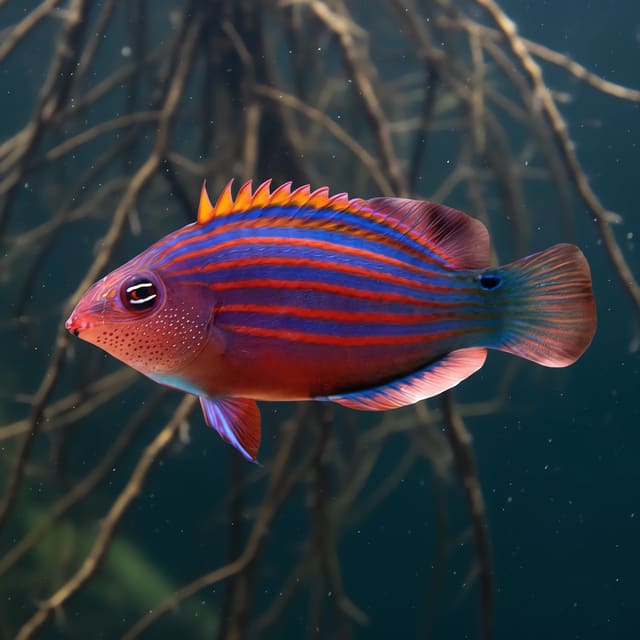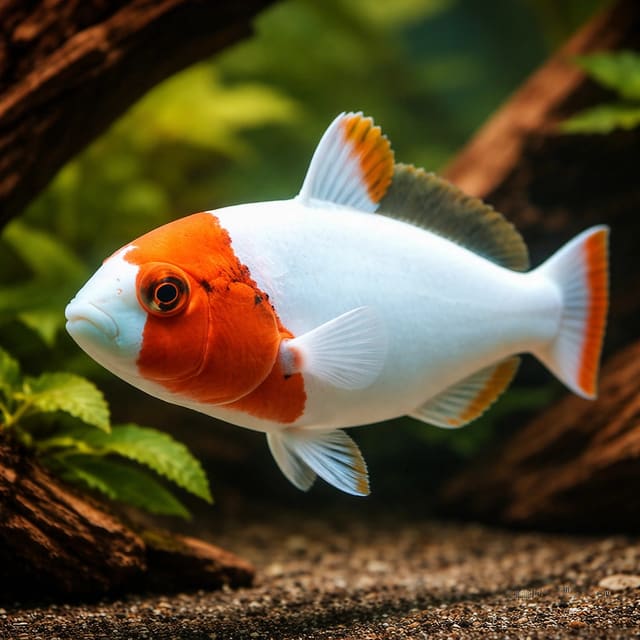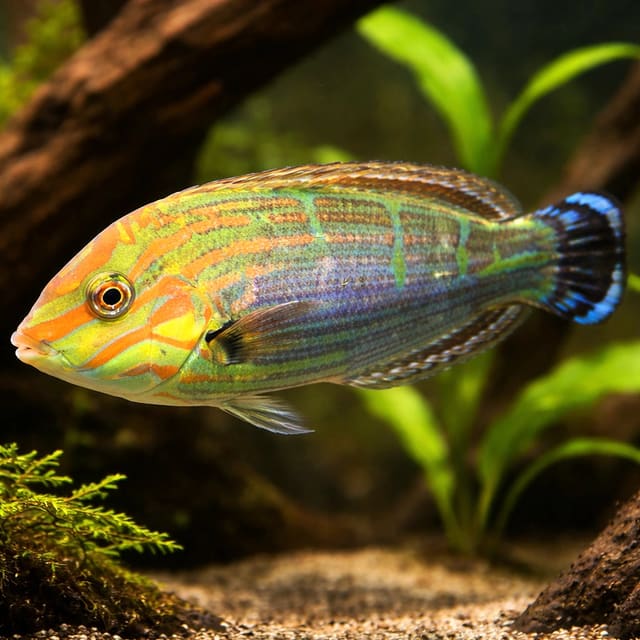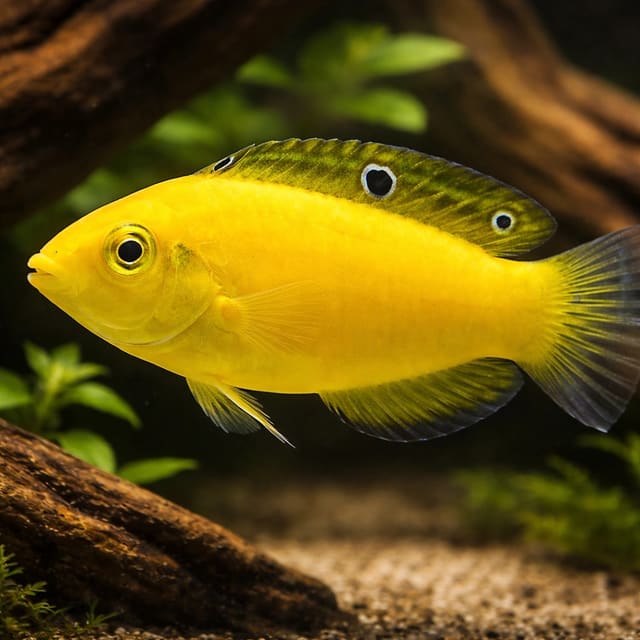
Canary wrasse (Halichoeres chrysus) - Marine Aquarium Livestock UK
24–26°C · pH 7.9–8.3
£55.99
Striking female Bird Wrasse for large marine setups. Active, hardy and full of character—ideal for experienced saltwater keepers.
Adult size is the maximum length this species reaches at full maturity (scientific sources). The livestock you receive will be younger and smaller. Product-photo provenance and any image-specific limitations are stated on the listing.
Gomphosus varius
Confirm your email, then we’ll send an availability message for this exact item if it returns within 180 days.
This request is only for this product—no newsletter or other promotions. A mail-provider retry may very rarely duplicate the same availability message. Unconfirmed addresses are removed after 48 hours. See our privacy policy.
Striking female Bird Wrasse for large marine setups. Active, hardy and full of character—ideal for experienced saltwater keepers.
Adult size is the maximum length this species reaches at full maturity (scientific sources). The livestock you receive will be younger and smaller. Product-photo provenance and any image-specific limitations are stated on the listing.
Maintain these water conditions for optimal health and vibrant colors
The Female Bird Wrasse, Gomphosus varius, is a distinctive marine wrasse admired for its elegant shape, constant activity and intelligent, inquisitive behaviour. Females are typically more subdued in colour than males, but they still make a superb display fish thanks to their streamlined body, pointed snout and graceful swimming style. This species is best suited to established saltwater aquariums with plenty of open swimming space, secure rockwork and a lid, as wrasses are accomplished jumpers.
Although hardy once settled, Gomphosus varius is not a beginner fish in the strictest sense because of its adult size, energy levels and need for a spacious aquarium. In the right environment it becomes a rewarding, long-lived addition that spends much of the day actively patrolling the tank, exploring crevices and searching for food. It is a useful fish in mixed marine systems and can be particularly appealing to aquarists who enjoy fish with personality and movement.
At Tropical Fish Co, we carefully source and acclimate our marine livestock to help ensure a smooth transition into your aquarium. Every order is backed by our live arrival guarantee and fast UK delivery, giving you confidence when buying live fish online.
| Care factor | Recommendation |
|---|---|
| Scientific name | Gomphosus varius |
| Common name | Female Bird Wrasse |
| Care level | Moderate |
| Temperament | Semi-aggressive |
| Adult size | Up to 25 cm |
| Minimum tank size | 500 litres |
| Temperature | 24–28°C |
| pH | 8.1–8.4 |
| Diet | Carnivore / meaty omnivore |
| Tank region | Middle to top |
| Lifespan | 8–12 years |
Gomphosus varius is found across the Indo-Pacific, including reef systems and lagoon environments where it inhabits coral-rich areas, outer reef slopes and sheltered coastal habitats. In the wild, it uses its long, narrow snout to pick small invertebrates from rockwork, coral rubble and crevices. The species is highly active and spends much of the day swimming through open water and around the reef edge, which is why it thrives best in aquariums that provide both space and structure.
Female Bird Wrasses are often encountered in areas with strong water movement and complex habitat, where they can forage efficiently while remaining alert to predators. Their natural environment is warm, clear and well oxygenated, so stable marine conditions are essential in captivity. A mature reef-style system with good filtration and regular maintenance will closely match the conditions this species prefers.
A large, securely covered aquarium is strongly recommended for the Female Bird Wrasse. While juveniles may appear manageable in smaller systems, this species grows into a robust, active fish that needs room to cruise. A tank of at least 500 litres is the sensible starting point, with more space always beneficial. Long tanks are especially useful, as the fish appreciates uninterrupted swimming runs.
Provide a mix of open water and live rock arranged to create caves, overhangs and sheltered sleeping areas. The rockwork should be stable and not easily toppled, as wrasses can be energetic and may investigate gaps or shift loose pieces. Fine sand is not essential for this species in the same way it is for some burying wrasses, but a natural substrate and mature biological filtration help create a stable environment. Strong circulation and efficient protein skimming are important to maintain excellent water quality.
Recommended water parameters are: temperature 24–28°C, pH 8.1–8.4, salinity 1.023–1.025, with low nitrate and undetectable ammonia and nitrite. As with all marine fish, stability matters more than chasing exact numbers. Sudden swings in salinity or temperature should be avoided. Regular partial water changes, a varied diet and careful observation will help keep this wrasse in top condition.
Because Gomphosus varius can be a jumper, a tight-fitting lid or mesh cover is essential. Any gaps around pipework, cables or feeding openings should be sealed. Good lighting is suitable, but the fish should also have shaded areas and places to retreat if it becomes stressed. A peaceful but active reef environment with robust tankmates is ideal.
This species is a carnivorous, opportunistic feeder in the aquarium and should be offered a varied diet rich in marine protein. Suitable foods include mysis shrimp, enriched brine shrimp, chopped krill, chopped seafood, marine pellets and quality frozen carnivore preparations. Offering a mix of frozen and prepared foods helps support colour, growth and long-term health.
Feed small portions two to three times daily rather than one large meal. Bird Wrasses are active and energetic, so they benefit from regular feeding, but overfeeding should be avoided to protect water quality. As with many wrasses, individuals may learn to take food from the water column and can become very enthusiastic at mealtimes. Soaking foods in vitamin supplements or marine HUFA enrichments can be beneficial, especially during acclimation.
In the wild, the species picks at small crustaceans and other invertebrates, so it may also investigate ornamental shrimp, tiny crabs and worms in the aquarium. This natural hunting instinct should be considered when planning tank mates.
The Female Bird Wrasse is best kept with similarly sized, confident marine fish that will not be intimidated by its activity. Suitable companions include tangs, larger clownfish, rabbitfish, angelfish, triggerfish in appropriate systems, foxfaces and other robust wrasses. It generally does well in mixed fish-only or large reef-compatible systems where tankmates are too large to be viewed as prey.
However, caution is needed with very small fish and ornamental invertebrates. Cleaner shrimp, peppermint shrimp, tiny gobies, small blennies and delicate crustaceans may be at risk, especially in a mature individual that has learned to hunt. The species is semi-aggressive and can be territorial towards other wrasses or similarly shaped fish, particularly in smaller aquariums. Introducing it before more timid species can sometimes reduce aggression, but tank size and layout remain the most important factors.
Because each fish has its own temperament, careful introduction and close monitoring are recommended. Use acclimation boxes where possible and provide multiple hiding places so that new arrivals can settle without constant pressure. In a suitably large aquarium, Gomphosus varius can be a fascinating, energetic community fish with plenty of character.
When you buy a Female Bird Wrasse from Tropical Fish Co, you are choosing a specialist marine livestock supplier that understands the needs of saltwater fish and the expectations of UK aquarists. We focus on healthy, well-conditioned stock, careful packing and reliable dispatch so your fish arrives in the best possible condition. Our fast UK delivery service is designed to minimise transit time and reduce stress on live animals.
We also provide a live arrival guarantee for added peace of mind, along with clear product information to help you plan the right aquarium environment before purchase. Whether you are building a large reef display or a fish-only marine system, our team aims to make the process straightforward, safe and enjoyable. If you are looking for a striking wrasse with movement, intelligence and presence, the Female Bird Wrasse is an excellent choice for the experienced marine keeper.
No reviews for this item yet. Bought one? Honest reviews only, good or bad.
What customers say about ordering from us
Easy website plenty of info on fish your buying great to pick a time slot
TRACEY DURRANT · 7 Oct 2026
Got some lovely fish thank you
Kevin Mackie · 7 Oct 2026
Reviews of our shop, collected by Judge.me, an independent third-party review collector. Newest first.