Easy
Cerithidea balteata sp. king - Aquarium Snails
22–28°C · pH 7–8.5 · 10L
£4.99

Freshwater Swan Mussel (Anodonta sp.) is a genus-level freshwater bivalve for experienced keepers prepared to confirm species-specific feeding and long-term needs. One purchase supplies one live mussel at the 6 cm dispatch grade; no sex is guaranteed.
Anodonta sp.
Freshwater Swan Mussel (Anodonta sp.) is a genus-level freshwater bivalve for experienced keepers prepared to confirm species-specific feeding and long-term needs. One purchase supplies one live mussel at the 6 cm dispatch grade; no sex is guaranteed.
Maintain these water conditions for optimal health and vibrant colors
The Freshwater Swan Mussel is offered as Anodonta sp., a freshwater mussel in the family Unionidae. The scientific label is deliberately genus-level: the exact species is not named. The exact species has not been identified, so the care advice here follows the genus Anodonta and its care group. The trade name helps a customer recognise the product, but it must not be read as a species determination.
One purchase supplies one live mussel at the supplier's recurring 6 cm dispatch grade. That is the size supplied, not a claim about eventual adult size. No male or female is guaranteed. The product has one sold form, with no customer choice of species or sex.
| Suits | An experienced freshwater keeper willing to confirm a feeding plan, adult scale and species-specific conditions before purchase, with a mature filtered aquarium and dependable water testing. |
|---|---|
| Does not suit | A new or uncycled aquarium; a purchase based on the assumption that every freshwater mussel eats the same food; or a community chosen from a generic tank-mate list. |
| Identity | Anodonta is an accepted freshwater-mussel genus in Unionidae. This offer does not narrow the animal to a species. |
| Dispatch grade | 6 cm. Keep this separate from any adult-size expectation. |
| Water screening | Broad UK guidance for freshwater shrimp and snails gives 17–27°C, pH 6.5–8.0 and 4–18 dGH. These figures are a care-group screen, not a species optimum for this mussel. |
| Care level | Advanced store assessment because species, feeding and long-term scale require confirmation rather than assumption. |
The key buying question is not whether the shell looks attractive. It is whether the keeper can provide a stable aquarium and obtain suitable advice for an unidentified Anodonta. Genus-level identity leaves important differences unresolved. A temperature tolerated by one member of a broad group may not be the best routine temperature for another, and a generic shrimp or snail feeding instruction does not automatically become a mussel diet.
Use the 6 cm grade to understand the animal that will be dispatched. For long-term planning, confirm adult dimensions and husbandry for the actual species before treating any aquarium volume, substrate, flow or feeding method as settled. This is a more demanding decision than buying a common community snail with a well-defined profile.
If any of those points cannot be answered, delay the purchase. The freshwater shrimp-keeping guide can introduce mature-aquarium and invertebrate basics, but it is not a mussel species guide. Use it as general preparation, then obtain the animal-specific detail that an unidentified bivalve needs.
The firm offer facts are concise: this is one live freshwater mussel sold under the trade name Freshwater Swan Mussel, identified as Anodonta sp. and supplied at a 6 cm dispatch grade. The questions to settle are the actual species, eventual dimensions, feeding method, preferred water, substrate, flow and community risks. A keeper who can answer those points and document a stable aquarium has a sound basis for deciding. A keeper relying on the shell photograph, a generic snail guide or the broad water range still has important preparation to complete.
The advanced care assessment reflects uncertainty that matters to welfare. It is not a statement that every Anodonta species is inherently difficult. It means the exact species is unresolved and the available care sheet covers freshwater shrimp and snails as a broad group rather than this mussel. A careful keeper should turn that limitation into a checklist before the animal enters the aquarium.
A biological filter needs time to develop bacteria that process waste. Ammonia is toxic; established bacteria convert it to nitrite, which is also toxic, and then to the safer nitrate. Clear water alone does not prove that this process is working. Test ammonia and nitrite and require both to remain at zero before adding livestock.
A mature aquarium is more than an old tank. Its filter must be operating effectively, temperature and chemistry should be stable, and maintenance should produce predictable results. Review the recent record of water tests and any changes in stocking, feeding, medication or equipment. Adding an unusual invertebrate during a period of instability makes it harder to separate an animal-specific problem from an aquarium-wide one.
Use the water-chemistry guide to understand what each common test measures. The water matcher can help compare actual readings with the broad values on this page. Write down the result, date and time. A short trend is much more informative than one reading taken after a problem appears.
OATA's broad guidance for freshwater shrimp and snails gives 17–27°C, pH 6.5–8.0 and general hardness of 4–18 dGH. It explicitly presents these figures as a general guide for that group and tells keepers to check species-specific requirements. This unidentified Anodonta is a mussel, so the figures should be used only to screen out an obviously incompatible plan while more precise advice is obtained.
Keep the published scopes separate instead of combining the broad endpoints into a new ideal range. A stable value inside a group range can still be wrong for a particular species. Ask whether the water at the supplier and the destination aquarium are similar, whether the animal is being kept warm or cool, and whether gradual seasonal change is relevant to the actual identity. These questions need animal-specific answers.
Keep ammonia and nitrite at zero. OATA's group sheet says nitrate should not exceed 20 mg per litre above the level in normal tap water. That is a relative ceiling, so test the source water as well as the aquarium. It is not equivalent to saying every aquarium should show the same absolute nitrate number.
No species-specific minimum aquarium volume accompanies this genus-level offer. The OATA sheet's small shrimp-and-snail examples cannot be transferred to a 6 cm freshwater mussel. Choose the aquarium only after confirming adult dimensions, movement or positioning needs, feeding method, substrate requirements and the effects of every tank mate.
Usable footprint matters as much as nominal litres for an animal associated with the bottom of the aquarium. Substrate and décor reduce the available area. A tall display with a small base may hold many litres yet provide less practical room than a longer aquarium. Make sure the layout allows the keeper to observe the animal and reach the surrounding area for maintenance without repeatedly disturbing it.
The broad invertebrate sheet says sand or fine gravel is important for some species, while the current offer does not establish a substrate requirement for this exact mussel. Treat substrate choice as another question to settle before purchase. Do not assume coarse gravel, deep mud or bare glass is suitable simply because one of those appears in another animal's care guide.
A filter is essential for aquarium stability. Select equipment for the actual water volume and bioload, then verify that flow reaches the aquarium rather than short-circuiting around décor. The exact flow preference for this Anodonta requires confirmation. Avoid both stagnant areas and an untested assumption that stronger current is automatically better.
Check flow at each maintenance visit. If filter media needs cleaning, do not run it under the tap; rinse it lightly in water removed from the aquarium so chlorine or chloramine does not harm the established bacteria. Replace media only when necessary and preserve biological capacity. When a filter is changed, plan the transition rather than discarding every mature surface at once.
Good surface movement supports gas exchange, but bubbles alone do not prove that oxygen is adequate throughout the aquarium. Temperature, stocking, organic waste, plant cycles and filter performance all influence oxygen. Watch the entire community for changes in breathing and position, and investigate promptly if several animals behave abnormally together.
Do not treat this mussel as a snail or assume that algae wafers, leftover fish food or visible algae will meet its needs. The available identity references establish the genus and family, while the broad care sheet's feeding section is written for freshwater shrimp and snails. That feeding section cannot establish an Anodonta diet.
Before ordering, obtain a practical answer to four questions: what food is used, what particle or presentation is appropriate, how often it is supplied, and how success is judged. The plan should explain how to feed the animal without creating a build-up of decomposing food. It should also define what normal response looks like, because an animal enclosed by a shell may not show hunger in a way familiar from fish.
Do not purchase with the idea that the mussel will clean the aquarium or replace maintenance. Even when an aquatic animal processes suspended material, that does not remove the need to manage dissolved waste, uneaten food and filter performance. The aquarium must be cared for as a living system rather than as a display containing a self-maintaining filter.
OATA's broad invertebrate guidance recommends a 25% partial water change at least weekly and regular water testing. Use that as a general maintenance baseline while adapting the routine to measured nitrate, stocking and the species-specific requirements obtained for this mussel. Condition replacement tap water for chlorine or chloramine and avoid abrupt shifts in temperature, pH or hardness.
The broad OATA sheet warns that freshwater shrimp and snails will die if exposed even to low levels of copper. That statement does not prove a treatment threshold for this unidentified mussel, but it is a strong reason to stop and confirm invertebrate safety before using any copper-containing medication. Never dose an unknown amount or rely only on the front label of a product.
Learn the individual animal's ordinary appearance and response after specialist advice has established how it should be positioned and fed. A shell that remains closed, an unusual smell, a sudden change in position or a deterioration elsewhere in the community deserves investigation. Begin with water tests, temperature and equipment checks, then obtain advice that accounts for the actual species and recent history.
A dead or failing bivalve can present a water-quality risk, especially in a smaller or heavily stocked aquarium, so the animal must be accessible enough to inspect. This is another reason not to hide it permanently under décor or choose an aquarium where the bottom cannot be observed. Prepare a safe method for isolation and water testing before a problem occurs.
Be present to receive the parcel. For any Live Arrival Guarantee claim, record one continuous unboxing video from the sealed parcel through opening, with the animal still inside its sealed bag, and contact Tropical Fish Co the same day with the order number and video. Once arrival condition is recorded, float the sealed bag for 20–30 minutes and acclimatise slowly. Keep transport water out of the destination aquarium.
Confirm the destination tank's temperature and test results before the parcel arrives. Do not combine arrival with a major filter clean, large rescape or medication. The current delivery and Live Arrival Guarantee policy explains packing, receipt and claim requirements.
A specialist purchase becomes much easier to manage when the plan is written before the parcel arrives. Record the confirmed identity as precisely as possible, the feeding method, the normal response expected after feeding, the routine water range, the intended substrate and flow, and the adult dimensions used to choose the aquarium. Add the name and contact route of the person who supplied the animal-specific advice. This turns a vague intention to research later into information that can be used on arrival day.
Include the aquarium's recent test results: temperature, pH, general hardness, ammonia, nitrite and nitrate alongside the source-water nitrate. Note the filter model, recent maintenance and every current resident. Photograph the layout from above and from the front so the intended position and accessible inspection area are clear. These records make later changes visible and help a knowledgeable adviser understand the system without relying on memory.
Set aside a clean container and dedicated tools suitable for aquarium use, following the animal-specific handling advice you receive. Keep water conditioner, test kits and a working thermometer available. Check expiry dates and replace exhausted reagents before depending on a result. Plan how the animal can be observed closely without dismantling the entire aquascape, and leave a route for careful removal if welfare or water quality requires it.
Review every medication, fertiliser and water additive already used in the aquarium. Record the active ingredients and the date of the most recent dose. The broad invertebrate sheet's serious copper warning makes ingredient checking especially important, while the final product decision should follow advice appropriate to the mussel. Store treatments where they cannot be added accidentally and keep measuring equipment separate from household utensils.
Select a delivery period when somebody can receive and inspect the parcel, the aquarium has shown stable results, and no major maintenance is scheduled. Complete routine work early enough for temperature and chemistry to settle. Keep the delivery-policy instructions nearby so the sealed-parcel video sequence is easy to follow if a Live Arrival Guarantee claim is needed.
On the days after arrival, compare observation with the written baseline and continue regular testing. Record any change in position, shell condition, odour, nearby animal behaviour or water results. Accurate notes are more useful than frequent intervention. A steady aquarium, clear feeding plan and accessible observation area give an experienced keeper the best chance to recognise a developing problem early.
A freshwater mussel does not chase or nip fish, but that does not make every community safe for it. Compatibility must work in both directions: other animals should not eat, damage, dislodge or outcompete the mussel, and the aquarium conditions chosen for the mussel must remain suitable for every resident.
The OATA care sheet says freshwater shrimp and snails are generally compatible with many aquarium species, while warning that pufferfish and loaches can eat snails. This product is neither a shrimp nor a snail, so those examples are cautions rather than proof of a mussel-safe community. Treat any fish or crustacean known to prey on, crush, pick at or repeatedly disturb molluscs as a poor candidate until specialist advice confirms otherwise.
Start with water overlap. The broad care-group range is 17–27°C, pH 6.5–8.0 and 4–18 dGH, but the exact mussel's preferred conditions need confirmation. A companion should match the confirmed species-level plan, not merely fit somewhere inside the broad numbers. Then compare adult size, feeding behaviour, bottom activity and the likelihood of disturbance.
Fish and invertebrates that dig, turn over substrate or occupy every sheltered bottom area can interfere even without direct predation. Large, active bottom dwellers may move décor or bury an animal. Food placed for fish may also alter water quality without feeding the mussel. Observe the aquarium from the mussel's point of view: is there stable usable space, can it be inspected, and will routine cleaning repeatedly dislodge it?
A planted community may provide visual interest and stable surfaces, but plants do not settle identity or feeding questions. Rooted plants, deep substrate and dense décor also change which areas are accessible. Arrange the tank so maintenance and welfare checks remain possible.
If your aim is a familiar, mobile aquarium grazer rather than a specialist unidentified bivalve, compare the animals in the freshwater snail collection. Snails are different animals with their own care needs; the collection is a decision alternative, not evidence that a snail and this mussel should live together.
Recheck the aquarium before delivery: ammonia and nitrite at zero, stable temperature, predictable pH and hardness, functioning filtration and no recent unexplained losses. Count the present stock and review recent medications. A community that is already close to its maintenance limit is not improved by adding another animal simply because it appears inactive.
After introduction, observe the existing residents as well as the mussel. Repeated attention from fish, displacement, shell damage, deteriorating water tests or an abnormal smell are reasons to intervene. A quiet animal can still be affected by the behaviour of active tank mates, so absence of visible fighting is only one part of compatibility.
It is identified only as Anodonta sp., an accepted freshwater-mussel genus in the family Unionidae. The trade name leaves the identity at genus level, so adult size, native range and species-specific husbandry should be confirmed before purchase.
No species-specific minimum can be given responsibly for an unidentified Anodonta. The general shrimp-and-snail volumes apply only to that broad group; a mussel minimum requires adult dimensions, feeding, substrate, flow and tank-mate needs for the actual animal. Confirm adult dimensions, feeding, substrate, flow and tank-mate needs, then choose a stable aquarium with sufficient usable footprint.
No. The store assessment is advanced because the exact species, adult scale and feeding method require confirmation, and a shell-enclosed animal can be harder to assess than a familiar community fish or snail. It belongs with a keeper prepared to monitor water and obtain specialist advice.
The genus-level identity and broad shrimp-and-snail sheet leave the mussel diet to be confirmed. Confirm the exact food, presentation, frequency and signs of successful feeding before ordering. Do not assume algae wafers, leftovers or visible algae will meet its needs.
Broad OATA shrimp-and-snail group guidance gives 17–27°C, pH 6.5–8.0 and 4–18 dGH. Those are screening values, not a species-specific optimum for an unidentified Anodonta. Confirm the actual animal's routine range and keep it stable.
It is a bivalve, not a fish that chases or nips. The main compatibility questions run the other way: whether tank mates may prey on, damage, displace or outcompete it, and whether all residents share the confirmed water requirements.
There is no universal tank-mate list for an unidentified Anodonta. Consider only animals that match the confirmed water plan and are not known to eat or damage freshwater molluscs. Check bottom activity, adult scale, feeding competition and available footprint before combining them.
Keep ammonia and nitrite at zero, track nitrate against the source-water level, maintain filtration and avoid sudden chemistry changes. Broad OATA group guidance recommends a 25% partial water change at least weekly, but the final routine should also reflect the confirmed species needs and measured aquarium trend.
Tropical Fish Co uses a licensed live-animal courier and insulated packing. Be present to receive the parcel. For any Live Arrival Guarantee claim, record the sealed parcel being opened in one continuous video with the animal still in its sealed bag, then contact the store the same day with the order number and video.
The World Register of Marine Species record establishes Anodonta as an accepted genus in Unionidae. The Anodonta genus summary provides the limited natural-history statement that it is a genus of freshwater mussels in the river-mussel family. Neither identity reference narrows this product to a species or supplies aquarium numbers.
The OATA freshwater shrimp and snail care sheet supplies broad UK group guidance on water testing, filtration, maintenance and invertebrate cautions. Its own scope is freshwater shrimp and snails, so the values are labelled as broad screening guidance rather than a mussel-specific optimum. The RSPCA aquarium environment advice supports the general explanation of biological filtration.
Sex is guaranteed only when the selected option explicitly states male or female. This Freshwater Swan Mussel listing has no sex-guaranteed option.
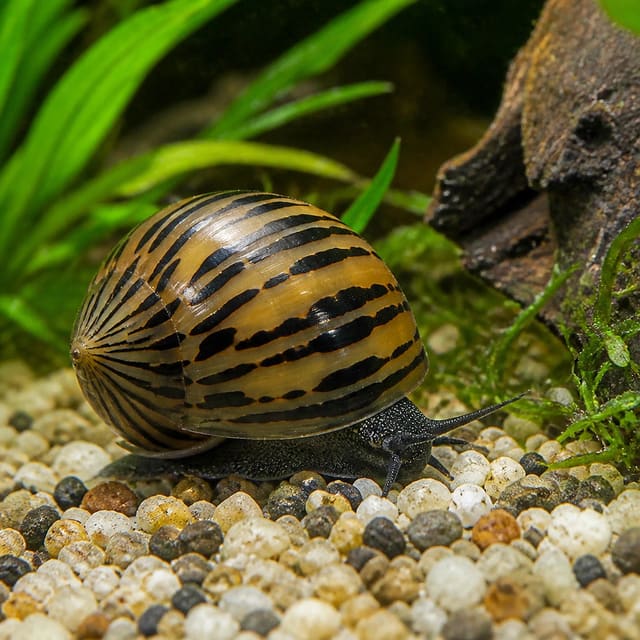
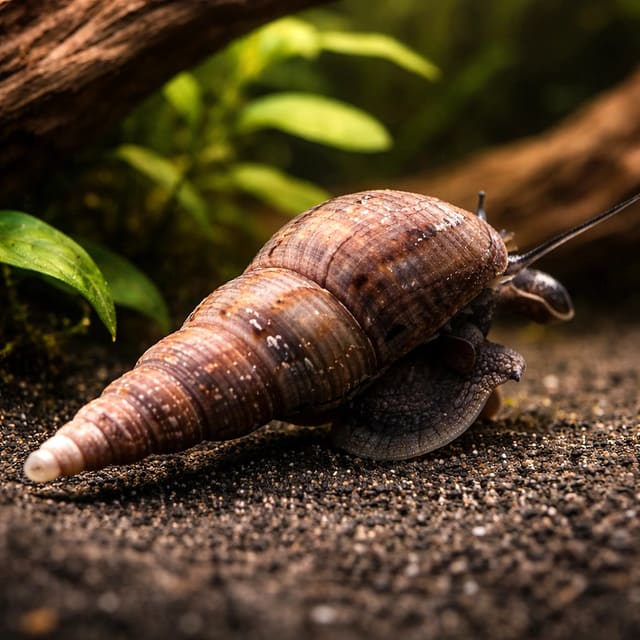
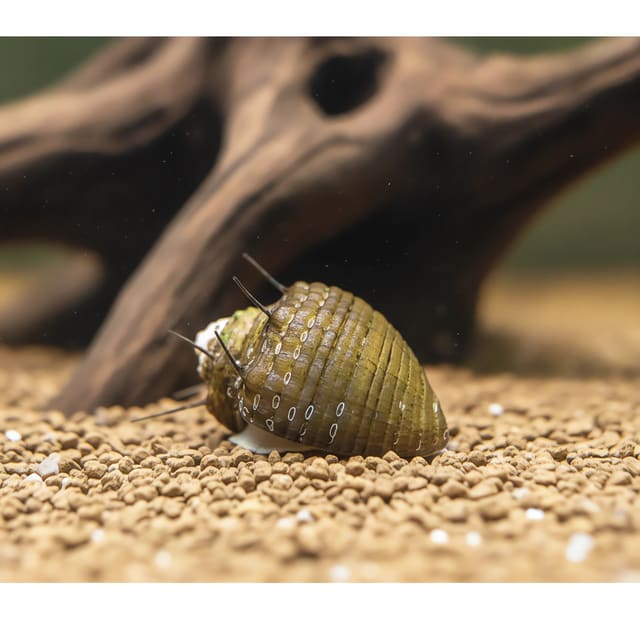
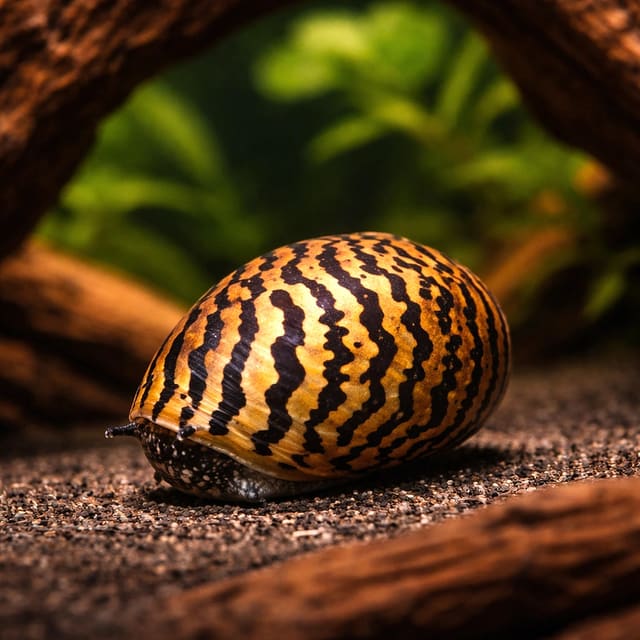
Gallery images have been digitally enhanced to improve image quality. Natural colour, pattern, size and maturity can vary between live animals.
This separation is what makes the page useful: it identifies the animal as far as the offer allows, states the supplied size, gives broad screening information with its limits and shows which husbandry questions must be settled before the purchase.
No reviews for this item yet. Bought one? Honest reviews only, good or bad.
What customers say about ordering from us
I have a small group of long finned mountain minnows. So was delighted to be able to order ten of this variety to increase the genetics in my tank . The ones I recieved are healthy but it’s to early to give a verdict on wether they are of a long finned type since they are small currently.
Gordon Walker · 23 Sept 2026
100% success travel and "installation". Pleased with quality of purchase. The Siamese fighter a bit "shy" so have not yet seen him at his best yet but looking good. Happy customer. GG
George E Garratt · 21 Sept 2026
Reviews of our shop, collected by Judge.me, an independent third-party review collector. Newest first.