Sun Nerite Snail (Neritina sp.) - UK
22–28°C · pH 7–8.5 · 10L

Neocaridina palmata
A hardy, peaceful green dwarf shrimp that adds color, activity, and natural algae-cleaning to planted aquariums. Easy care, peaceful. 22-27C, pH 6.5-7.5.
Maintain these water conditions for optimal health and vibrant colors
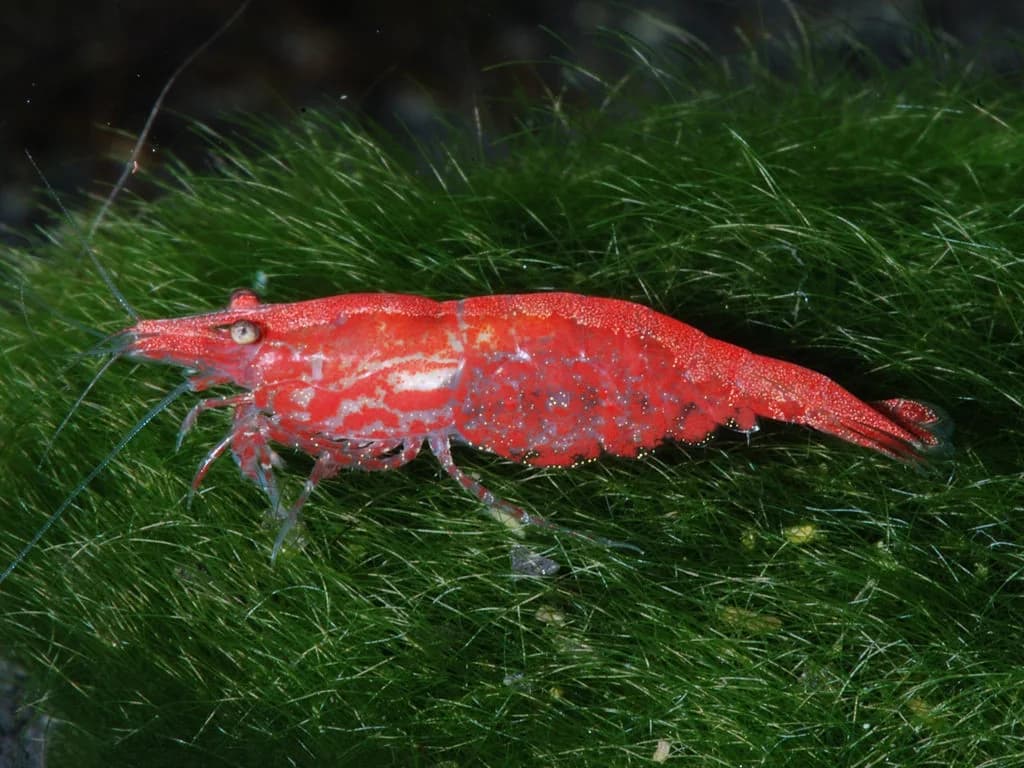
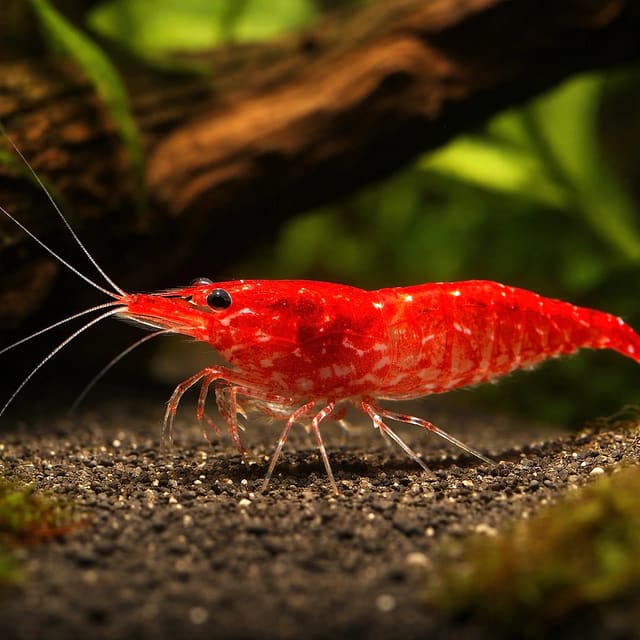
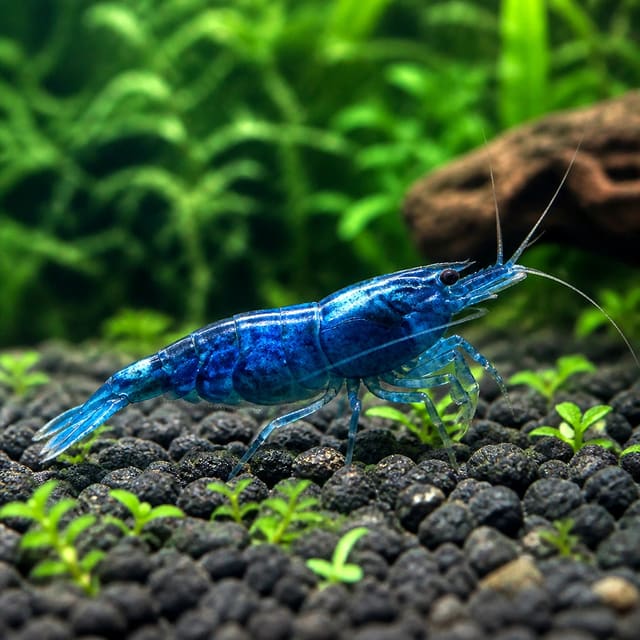
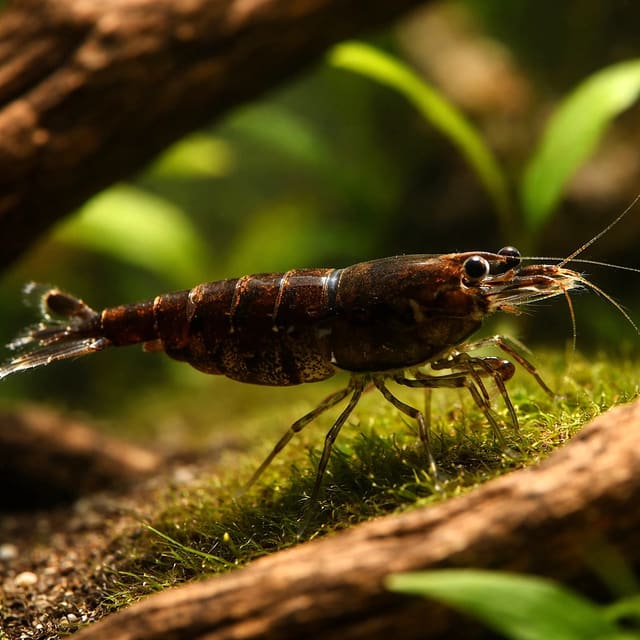
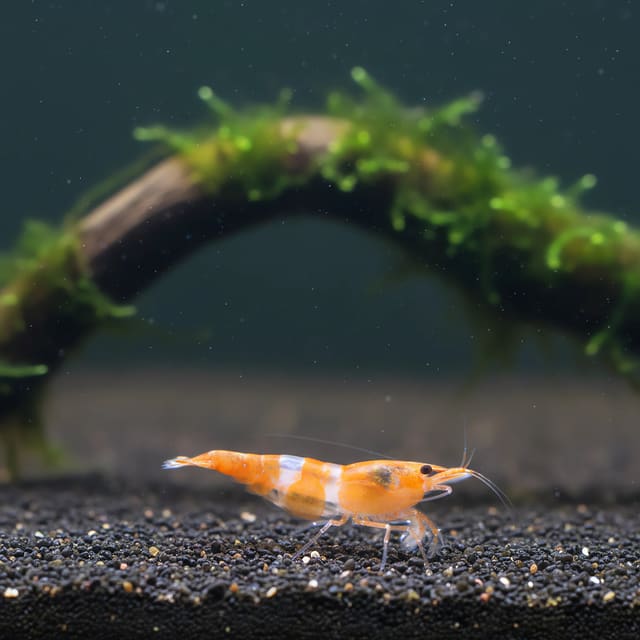
Freshwater shrimp UK aquarists seeking a hardy, visually striking dwarf shrimp will find Neocaridina palmata, commonly marketed as black algae shrimp or black cherry shrimp, an excellent choice for planted aquariums and peaceful community tanks. This species originates from freshwater habitats in China and Vietnam, where it inhabits rivers, streams, and ponds with dense vegetation. Available for sale UK in sizes from 1-1.5cm, the species reaches approximately 2.5cm at maturity, making it suitable for nano tanks and larger aquariums alike. The dark black coloration creates dramatic contrast against light substrates and green aquatic plants. Easy care requirements, reliable breeding in freshwater, and peaceful temperament make this species ideal for aquarists new to shrimp keeping or experienced hobbyists seeking a visually distinctive variant.
Neocaridina palmata features a deep black body coloration ranging from charcoal grey to jet black depending on genetics, diet, and water conditions. The intensity of black coloration varies between individuals, with selective breeding producing increasingly dark strains. The body is semi-transparent in juveniles, becoming more opaque as the shrimp matures. Females grow slightly larger and develop a rounded underside where eggs are carried, while males remain slimmer and more streamlined. The shrimp's long antennae and delicate legs constantly probe the environment as it scavenges. Eye coloration appears dark, nearly black, blending with the body. Overall appearance is elegant and distinctive, particularly when a colony moves across bright green moss or light-colored sand.
This species inhabits slow-moving streams, rivers, ponds, and heavily planted freshwater habitats in China and Vietnam. Natural environments feature abundant aquatic vegetation, submerged leaf litter, biofilm-covered rocks and wood, and sandy or muddy substrates. Water conditions vary seasonally but typically remain warm, slightly acidic to neutral, and moderately soft. Neocaridina palmata forages continuously across substrates and plant surfaces, feeding on algae, detritus, microorganisms, and decaying organic matter. The species coexists with other small invertebrates and peaceful fish in densely vegetated areas that provide shelter from predators. Natural populations experience fluctuating water levels and temperatures, contributing to the species' adaptability in aquarium conditions.
A minimum 20-litre aquarium provides suitable housing for a colony of black algae shrimp, though larger tanks offer more stability and room for population growth. Use fine-grained substrate such as aqua soil, sand, or fine gravel, and densely plant the tank with species like Java moss, Java fern, Anubias, Cryptocoryne, and floating plants that provide grazing surfaces and hiding spots. Include driftwood, dried leaves (oak, Indian almond, beech), and smooth stones to create additional biofilm colonization areas. Sponge filters or low-flow internal filters work best, as strong currents stress shrimp and powerful intakes may trap juveniles. Maintain stable water parameters with minimal fluctuations, as sudden changes in temperature, pH, or hardness can shock the colony. Subdued to moderate lighting encourages natural behavior and biofilm growth without promoting excessive algae.
Expert Tip: Provide abundant moss and fine-leaved plants. These offer essential grazing surfaces, shelter for molting individuals, and hiding places for juveniles to avoid predation and grow safely.
Neocaridina palmata tolerates a broad range of water conditions, making it one of the most forgiving dwarf shrimp species. Maintain temperatures between 18-26°C, with 20-24°C representing the optimal range for breeding and longevity. The species adapts to both cooler and warmer conditions but requires stable temperatures rather than fluctuations. pH should fall between 6.5-7.5, with neutral values around 7.0 ideal. Water hardness can range from soft to moderately hard, though very soft water may require mineral supplementation to support molting. Ammonia and nitrite must remain at zero, while nitrates should stay below 20 ppm. Perform weekly water changes of 15-20% using dechlorinated water matched to tank temperature. Avoid using RO water unless remineralized appropriately, as shrimp need trace minerals and calcium for healthy exoskeleton development.
As omnivorous scavengers, Neocaridina palmata feeds primarily on biofilm, algae, detritus, and decaying plant matter. In a mature, planted aquarium with adequate organic content, the shrimp may find sufficient natural food sources with minimal supplementation. However, to support a growing colony, offer high-quality shrimp pellets, algae wafers, blanched vegetables (spinach, zucchini, cucumber), and occasional protein foods such as crushed flake or frozen brine shrimp. Feed sparingly—a small pinch 2-3 times weekly suffices, as overfeeding degrades water quality and reduces foraging behavior. Remove uneaten food after a few hours to prevent bacterial blooms. Dried leaves and wood provide long-term grazing surfaces as they break down slowly and host beneficial microorganisms.
Black algae shrimp are constantly active, foraging across all surfaces in the aquarium from substrate to plants to glass. They use their delicate legs and mouthparts to pick at biofilm, algae, and detritus, performing a valuable cleaning role. The species is entirely peaceful and displays no aggression toward tankmates or each other, making it ideal for community tanks. Females often carry eggs, visible as tiny spheres beneath the abdomen, and berried females typically seek sheltered areas during the incubation period. Newly hatched juveniles are miniature replicas of adults and begin foraging immediately. Shrimp may hide during molting, a vulnerable period when the old exoskeleton is shed and the new one hardens. After molting, leave the shed skin in the tank—shrimp consume it to reclaim calcium and minerals.
Neocaridina palmata thrives alongside small, peaceful fish that pose no predatory threat. Suitable companions include micro rasboras, small tetras (ember, green neon), endler's livebearers, Otocinclus catfish, and small, peaceful snails. Avoid large or aggressive fish, predatory species such as bettas or gouramis, crayfish, and most loaches, all of which may prey on shrimp. Even seemingly peaceful fish may opportunistically consume shrimplets or harass adults during vulnerable molting periods. For maximum breeding success and colony growth, consider a shrimp-only tank with snails as the sole tankmates. This eliminates predation risk and allows the population to flourish without competition or stress.
Breeding Neocaridina palmata in freshwater aquariums is straightforward given stable conditions and a well-fed colony. Females carry 20-40 eggs beneath the abdomen for approximately three weeks, fanning them regularly to ensure oxygenation. Unlike many shrimp species, Neocaridina palmata completes its entire lifecycle in freshwater without requiring brackish conditions for larval development. Juveniles hatch as fully formed miniatures and immediately begin foraging on biofilm and fine particulate matter. To maximize survival, provide dense moss, fine-leaved plants, and avoid housing adults with predatory fish. Shrimplets grow rapidly in warm, stable water with abundant microorganisms and reach maturity in 2-3 months. Colonies expand steadily in optimal conditions, though growth rates depend on water quality, food availability, and stocking density.
Tropical Fish Co supplies healthy, active black algae shrimp carefully selected for intense coloration and vigorous behavior. Our shrimp are acclimated to UK water conditions and arrive ready to thrive in your established aquarium. We provide detailed care instructions covering tank setup, water parameters, feeding, and breeding to ensure success. With reliable UK delivery using specialist invertebrate packaging, your shrimp arrive safely in insulated boxes with oxygen and thermal protection. We are committed to supporting responsible invertebrate keeping and offer ongoing advice to help your colony flourish. Choose Tropical Fish Co for quality livestock and expert guidance.
Healthy, vibrant fish from trusted suppliers
Detailed care guides and support
Your fish arrives healthy or we'll replace it
Properly quarantined and ready for your tank

22–28°C · pH 7–8.5 · 10L

26–30°C · pH 7.5–8.5 · 40L

26–30°C · pH 7.5–8.5 · 40L

18–30°C · pH 6.5–8.5 · 20L

22–28°C · pH 7–8.5 · 10L

22–28°C · pH 7–8.5 · 10L

18–28°C · pH 6.5–8 · 10L

26–30°C · pH 7.5–8.5 · 40L

22–28°C · pH 7.5–8 · 40L

24–28°C · pH 7.5–8.5 · 200L

24–28°C · pH 7.5–8.5 · 500L

24–28°C · pH 5.5–7 · 60L

22–28°C · pH 6.5–8 · 20L

22–26°C · pH 6–7.5 · 30L

22–28°C · pH 6–7.5 · 60L

24–28°C · pH 7.5–8.5 · 150L