Moderate
Lionhead / Buffalohead Cichlid (Steatocranus casuarius)
24–28°C · pH 6–8 · 100L
£16.99
A rare, small, brilliantly adapted cichlid from Lake Natron that thrives only in hot, highly alkaline water. Expert care, semi-aggressive. 26-32C, pH 9.0-10.5.
Adult size is the maximum length this species reaches at full maturity (scientific sources). The livestock you receive will be younger and smaller — pick a size above for the actual shipping size. Product-photo provenance and any image-specific limitations are stated on the listing.
Alcolapia alcalicus
Save when buying multiple fish. Each quantity is one fish; sex and pair formation are not guaranteed unless the selected variant explicitly states them.
Confirm your email, then we’ll send an availability message for this exact item if it returns within 180 days.
This request is only for this product—no newsletter or other promotions. A mail-provider retry may very rarely duplicate the same availability message. Unconfirmed addresses are removed after 48 hours. See our privacy policy.
A rare, small, brilliantly adapted cichlid from Lake Natron that thrives only in hot, highly alkaline water. Expert care, semi-aggressive. 26-32C, pH 9.0-10.5.
Adult size is the maximum length this species reaches at full maturity (scientific sources). The livestock you receive will be younger and smaller — pick a size above for the actual shipping size. Product-photo provenance and any image-specific limitations are stated on the listing.
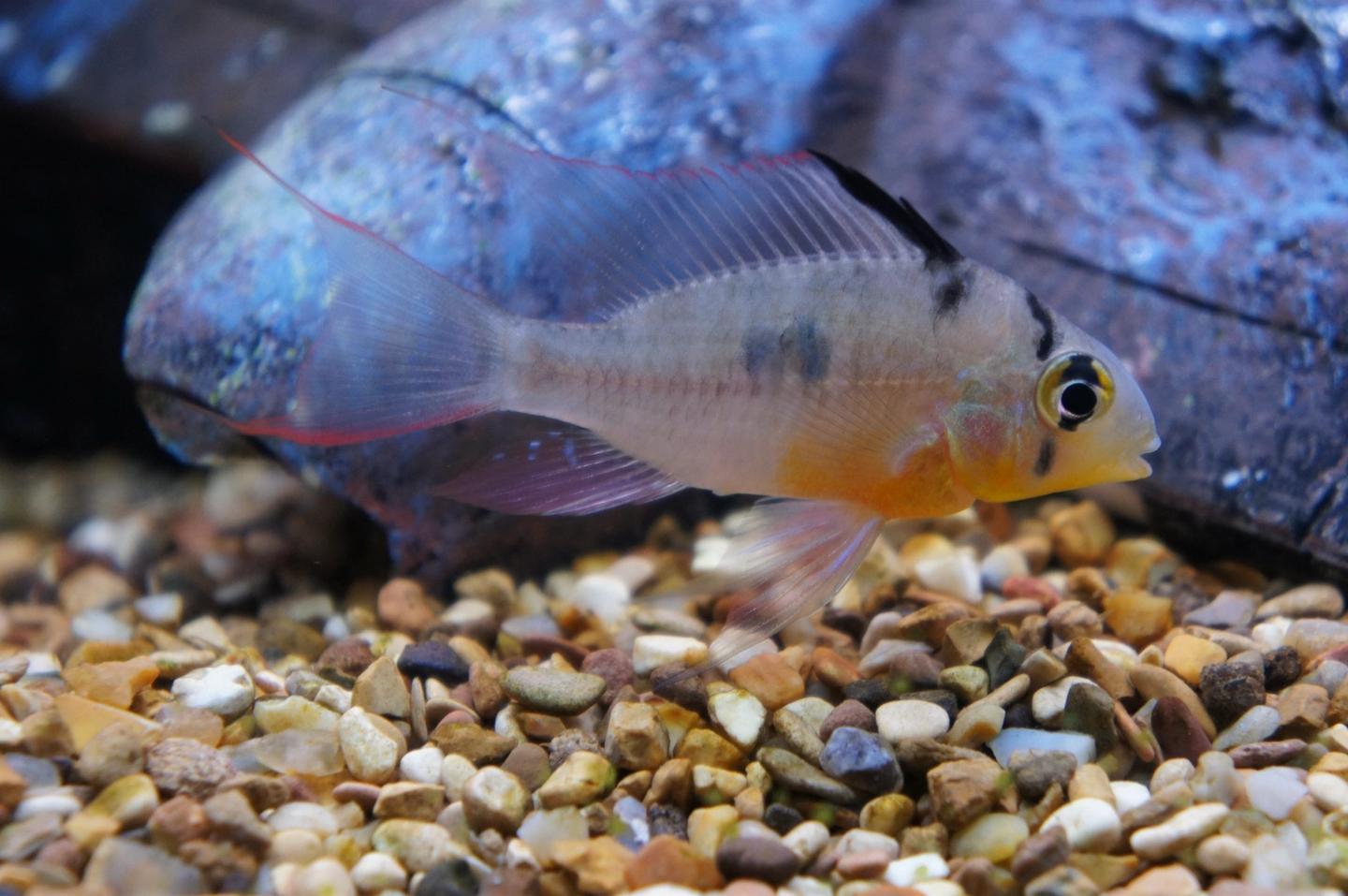
Cichlids are a family of roughly 1,800 accepted species, not one care type. Before buying, identify the exact species and source, then compare adult measurement, usable tank dimensions, social system, territory, tested water, diet and an exit plan. No family-wide minimum tank, water range or tank-mate list is safe.
Maintain these water conditions for optimal health and vibrant colors
Alcolapia alcalicus juvenile specimens offer expert aquarists the opportunity to raise one of the aquarium world's most extraordinary and challenging species from a more manageable size. This rare cichlid exemplifies remarkable evolutionary adaptation to Lake Natron's extreme environment, where water chemistry reaches conditions lethal to virtually all other freshwater fish. Now available as freshwater fish for sale UK with comprehensive specialist guidance, these younger Lake Natron cichlids bring unparalleled uniqueness to aquariums specifically designed for extreme-parameter species. While still demanding expert-level care, juveniles at 5-6cm may adapt slightly more readily to captive conditions than larger wild-caught adults. This endangered species requires dedication, specialist knowledge, and commitment to maintaining water chemistry far outside normal aquarium parameters. For expert aquarists seeking one of fishkeeping's ultimate challenges and the satisfaction of raising a truly unique evolutionary specialist, these juveniles represent an extraordinary opportunity. Success requires precision, patience, and comprehensive understanding of extreme-alkaline aquarium systems.
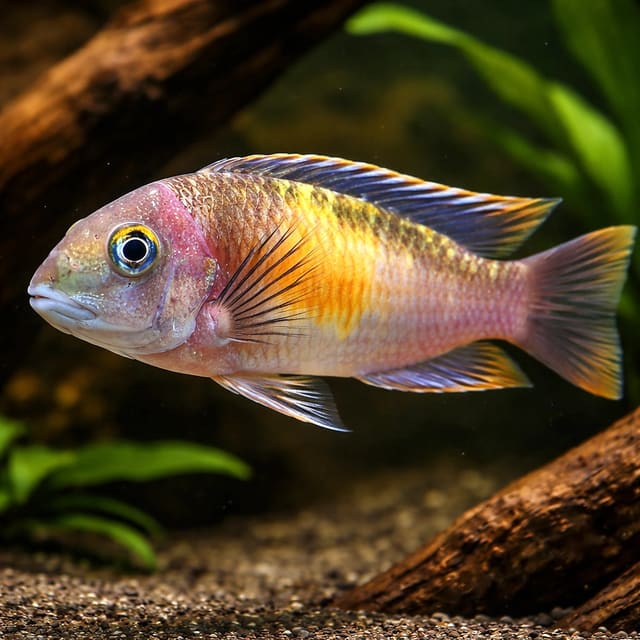
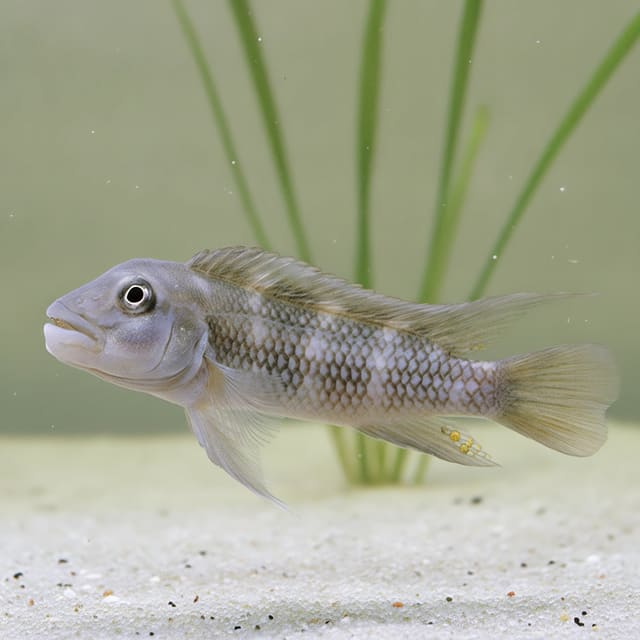
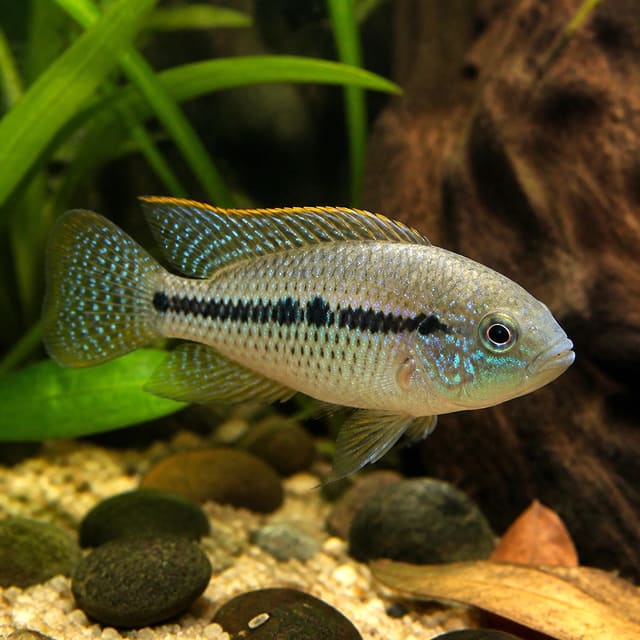
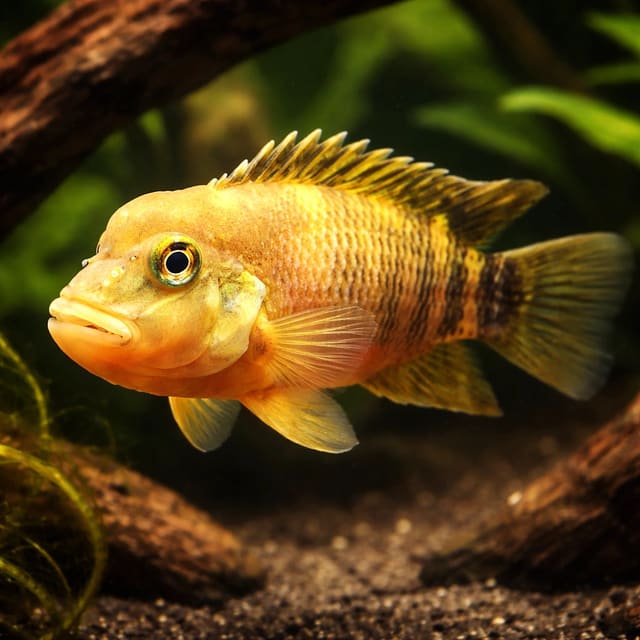
Juvenile Alcolapia alcalicus at 5-6cm display developing adult form with proportions still maturing toward full size. Body shape is moderately deep and robust typical of tilapiine cichlids, with the slightly compressed lateral profile suited to their shallow-water habitat. Coloration in juveniles tends toward olive-gray to brown base tones with subtle vertical barring that may intensify or fade with mood and environmental conditions. Sexual differentiation may not be pronounced at this size, though careful observation may reveal subtle differences in fin shape or body depth between developing males and females. The overall appearance remains modest—this species evolved for physiological tolerance rather than visual display, and coloration reflects the often-turbid alkaline waters of Lake Natron. Juvenile specimens have not yet developed full adult finnage or breeding coloration. Eyes are proportionally large providing good vision in variable-clarity waters. Body condition appears compact and efficient, adapted for the energetic demands of living in very warm, chemically challenging water. At this size, fish remain actively growing and will reach approximately 6cm at full maturity. The true fascination lies not in appearance but in the extraordinary adaptations allowing survival in Earth's most extreme aquatic environments.
Endemic to Lake Natron in Tanzania and associated drainage systems in Kenya, Alcolapia alcalicus inhabits one of Earth's most hostile aquatic environments. Lake Natron is a hypersaline, extremely alkaline soda lake where pH regularly exceeds 9.0 and frequently approaches 10.5—conditions so caustic that unprotected organisms suffer chemical burns. Water temperatures in the shallow lake regularly reach 32°C and can exceed 40°C in isolated pools, approaching the upper thermal limits for aquatic life. The water's brilliant red color derives from specialized haloarchaea and cyanobacteria thriving in these extreme conditions. Evaporation concentrates dissolved minerals creating chemistry utterly unlike typical freshwater—sodium carbonate, bicarbonates, and chlorides reach levels toxic to virtually all life. The lake bottom consists of natron (hydrated sodium carbonate) deposits for which the lake is named, volcanic ash, and mineral precipitates. Despite these lethal conditions for most organisms, Alcolapia alcalicus has evolved remarkable physiological adaptations including specialized gill structures for osmoregulation in extreme alkalinity, unique enzyme systems functioning at pH 10+, and extraordinary temperature tolerance. Wild populations survive by occupying freshwater springs and inflow areas where conditions moderate slightly, though even these zones maintain chemistry far exceeding normal parameters. This extraordinary habitat creates aquarium requirements that challenge even expert fishkeepers.
A minimum of 100 litres is required for juvenile groups, with larger volumes providing better parameter stability. This aquarium must be dedicated specifically to Alcolapia or other extreme-alkaline species—standard community fish cannot survive these conditions. Use alkaline-buffering substrate such as coral sand, crushed coral, or aragonite providing natural pH support, supplemented with sodium carbonate and sodium bicarbonate additions to achieve target extreme alkalinity. Heating must be robust and redundant with quality heaters maintaining sustained warm temperatures of 28-32°C—typical aquarium heaters reaching these sustained temperatures are essential. Lighting should be bright replicating the sun-exposed shallow waters these fish inhabit naturally. Filtration must be powerful given the accelerated biological processes at elevated temperatures, with all equipment tolerating extreme pH which degrades many materials. Use filter media rated for high-pH applications. Perform regular water changes using specially prepared water—reverse osmosis remineralized with specialized salt mixes plus additional alkaline buffers achieving pH above 9.0. Regular comprehensive testing is absolutely essential as parameter drift in either direction can prove rapidly fatal to these intolerant fish. Avoid driftwood and most plants which cannot survive extreme alkalinity and will lower pH. The setup must prioritize chemistry stability and temperature control over aesthetics. This represents expert-level aquarium keeping at its most technically demanding.
Juvenile Alcolapia alcalicus are primarily herbivorous, grazing on algae and microorganisms adapted to Lake Natron's extreme conditions. Provide a vegetable-based diet as the foundation. High-quality spirulina-based foods, algae wafers, and small herbivorous cichlid pellets appropriate for the smaller mouth size should form the dietary staple. Supplement with finely chopped or blanched vegetables including spinach, courgette, and nori seaweed. Encourage natural algae growth within the aquarium—the extreme chemistry may support unique algae types providing additional nutrition. Offer limited small animal protein such as finely crushed brine shrimp or daphnia, but maintain primarily herbivorous diet. Feed small portions 3-4 times daily supporting the growth demands of juveniles and the accelerated metabolism from warm temperatures. Remove uneaten food promptly as decomposition occurs rapidly in warm alkaline water potentially degrading water quality. The elevated temperature and active growth phase create high nutritional demands requiring consistent feeding schedules. Varied vegetable-based nutrition supports optimal growth rates and develops the species' specialized digestive physiology. Well-fed juveniles grow steadily toward adult size over 6-12 months when provided proper conditions and nutrition.
Juvenile Alcolapia alcalicus at 5-6cm exhibit semi-aggressive temperament typical of tilapiine cichlids though territorial behavior remains less developed than in mature adults. Young fish form loose groups with developing hierarchies as individuals mature toward breeding size. Activity levels are high given the warm temperatures stimulating metabolism, with juveniles actively swimming and grazing throughout the day. Growth rates depend on nutrition quality and environmental conditions—in proper warm extreme-alkaline water with excellent feeding, juveniles grow steadily toward adult size. The species demonstrates behaviors reflecting adaptation to harsh environment including tolerance of relatively crowded conditions when water quality remains high. As individuals mature, territorial behavior gradually emerges with developing males establishing small territories and displaying toward conspecifics. The species shows moderate intelligence with environmental awareness and learning capacity. Juvenile groups provide opportunity to observe social development and select potential breeding pairs as sexual characteristics emerge. The most remarkable behavioral aspect involves the extraordinary physiological tolerance of conditions causing immediate distress in typical aquarium fish—a living demonstration of evolutionary adaptation to extreme environments.
Alcolapia alcalicus cannot be maintained with standard aquarium fish under any circumstances. The extreme water chemistry required—pH 9.0-10.5, very hard mineral-rich water, elevated temperatures, and brackish salinity—proves immediately lethal to all typical aquarium species including other African cichlids. Even Tanganyikan cichlids adapted to pH 8.5 cannot survive the pH 10.0+ these fish require. The only potential companions involve other highly specialized alkaline-adapted species from similar extreme environments, though such species remain essentially unavailable in the aquarium trade. Juvenile Alcolapia can be maintained in small groups of their own species, which may actually prove beneficial for behavioral development and future pair formation. Any aquarium housing Alcolapia must be dedicated solely to this species with all parameters optimized for their extreme requirements. There is no possibility of compromise or mixed-parameter community aquariums. Attempting to maintain normal fish in Alcolapia conditions results in rapid death, while housing Alcolapia in standard conditions causes severe stress and mortality. Accept that any aquarium for this species will be species-only, which allows complete focus on providing the precise extreme conditions these extraordinary fish require for long-term health and potential breeding success.
Juvenile Alcolapia alcalicus require consistent expert-level care over the 8-12 months needed to reach full maturity. Maintaining absolutely stable extreme-alkaline chemistry throughout the growth period proves critical—juveniles show zero tolerance for parameter fluctuations. Temperature stability is equally essential as thermal swings stress developing fish. The extreme chemistry limits disease treatment options as virtually all standard medications cannot function at pH 10.0+, making prevention through impeccable water quality absolutely essential. Regular comprehensive testing of all parameters with immediate correction of any drift is mandatory. Monitor growth rates and body condition, adjusting feeding as fish mature. As fish approach breeding size, observe for developing sexual characteristics and territorial behaviors indicating maturation. The species evolved in conditions essentially free from typical fish pathogens, potentially leaving them vulnerable to common aquarium diseases—strict quarantine protocols for any new additions are essential. Equipment must be regularly inspected as extreme pH degrades many materials over time. Despite extraordinary challenges, juveniles raised in consistently proper conditions develop into healthy adults and may eventually breed. Success requires unwavering commitment to precision water chemistry management, appropriate nutrition, and expert-level aquarium maintenance. This represents one of aquarium keeping's most demanding long-term projects suitable only for the most dedicated expert aquarists.
Tropical Fish Co offers these rare juvenile Alcolapia alcalicus specimens exclusively to expert aquarists prepared for extreme-parameter fishkeeping challenges. Our specimens are sourced from specialized suppliers who maintain proper alkaline conditions throughout the supply chain, ensuring fish arrive in optimal condition. Each juvenile undergoes careful health assessment and is maintained in appropriate extreme-parameter water before being offered to customers. We provide comprehensive pre-purchase consultation ensuring buyers fully understand the demanding requirements and possess appropriate knowledge and equipment before acquiring these challenging fish. Our detailed guidance covers extreme-chemistry aquarium setup, juvenile care protocols, growth management, water preparation recipes, and long-term maintenance strategies. We honestly assess whether this species suits individual aquarists' experience levels and will recommend alternatives if appropriate. Our packaging employs specialized techniques for transport of extreme-parameter species with chemistry-matched water ensuring stable conditions during delivery. As specialist retailers serving advanced hobbyists, we provide ongoing support throughout the critical juvenile growth period and into adulthood. When you buy rare tropical fish UK from Tropical Fish Co, you receive not merely fish but access to genuine expert knowledge accumulated through years working with demanding specialist species. Our commitment to customer success and focus on the hobby's most challenging species makes us the natural choice for expert aquarists seeking extraordinary fishkeeping experiences. These juvenile Alcolapia alcalicus represent an opportunity to raise one of the world's most remarkable fish from a young age—contact us to discuss whether you possess the expertise and commitment required for long-term success with this exceptional species.
No reviews for this item yet. Bought one? Honest reviews only, good or bad.
What customers say about ordering from us
Easy website plenty of info on fish your buying great to pick a time slot
TRACEY DURRANT · 7 Oct 2026
Got some lovely fish thank you
Kevin Mackie · 7 Oct 2026
Reviews of our shop, collected by Judge.me, an independent third-party review collector. Newest first.