Moderate
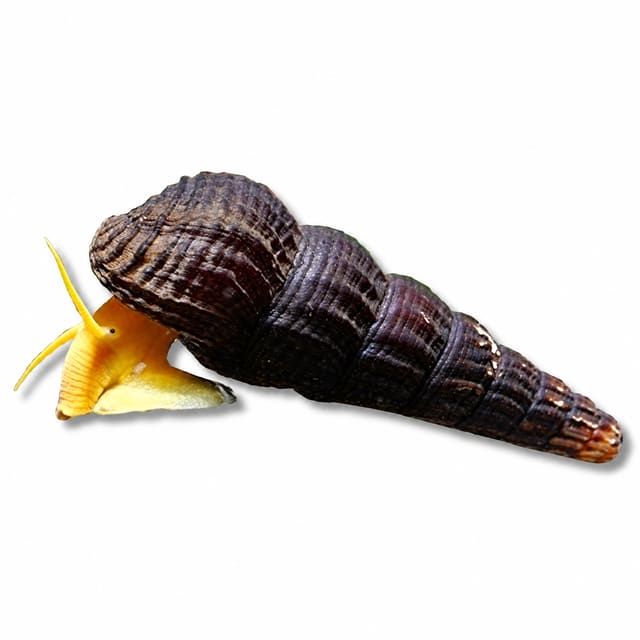
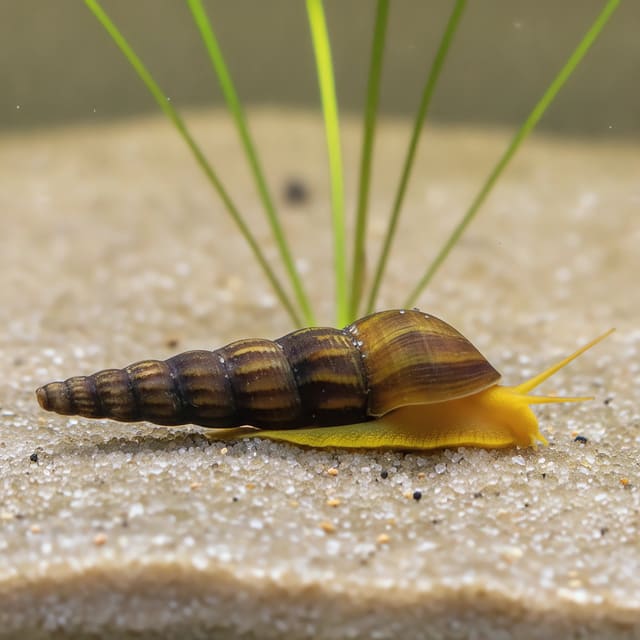
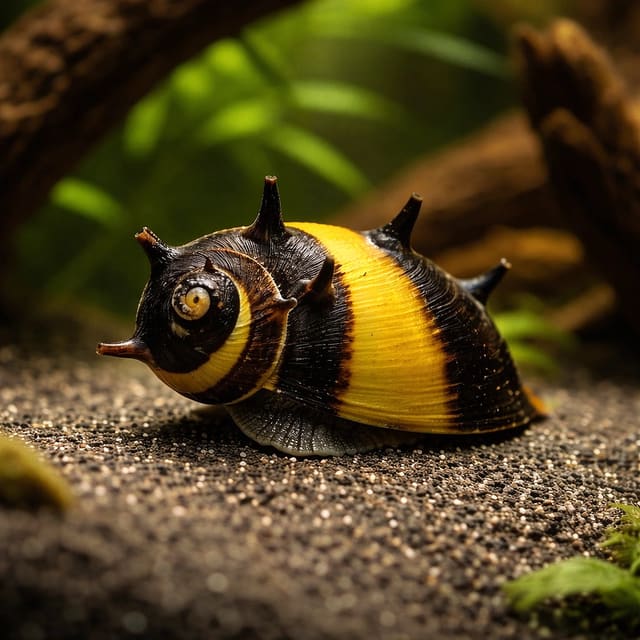
Zebra Horned Nerite Snail (Clithon sp.)
19–26°C
£3.99

Add a rare freshwater purple clam to your aquarium. Corbicula Javanicus is a fascinating moderate-care bivalve for planted tanks. Buy online with UK delivery.
Corbicula javanicus
Lives in groups: kept together they stay settled, active and show their best colour.
Confirm your email, then we’ll send an availability message for this exact item if it returns within 180 days.
This request is only for this product—no newsletter or other promotions. A mail-provider retry may very rarely duplicate the same availability message. Unconfirmed addresses are removed after 48 hours. See our privacy policy.
Add a rare freshwater purple clam to your aquarium. Corbicula Javanicus is a fascinating moderate-care bivalve for planted tanks. Buy online with UK delivery.
Maintain these water conditions for optimal health and vibrant colors
The Freshwater Purple Clam, Corbicula javanicus, is one of the most unusual invertebrates you can add to a tropical aquarium. Unlike a snail that crawls over glass, this peaceful aquatic bivalve mollusc spends much of its time partly buried in fine substrate, quietly filter feeding on suspended microparticles, phytoplankton, and green water. That makes Corbicula Javanicus especially appealing for keepers who want something different from typical shrimp or snails. In the right freshwater purple clam aquarium setup, this species reaches around 4 cm, can live up to 5 years, and adds subtle movement and a rich violet-brown shell tone that stands out beautifully in a planted tank. Many hobbyists searching for an aquarium mollusc UK option choose this species because it is peaceful, fascinating to observe, and suitable for calm community aquariums when its feeding needs are understood.
If you are researching a freshwater purple clam care guide, the most important thing to know is that success depends less on aggression or disease and more on stable water quality, fine sand, and enough suspended food. The best freshwater purple clam tank requirements include warm water, moderate hardness, and a mature aquarium rather than a newly set-up tank. See our detailed photos showing shell shape, colour depth, and how a healthy clam sits in substrate. Whether you want a specimen for a nano display or a larger freshwater purple clam in planted aquarium layout, this species offers a rare combination of beauty, calm behaviour, and natural filtration value.
Corbicula javanicus belongs to a group of freshwater clams known for their compact shells and filter-feeding lifestyle. In the aquarium hobby, it is often discussed alongside Corbicula fluminea, though the two are not identical in appearance or husbandry details. This species is valued less for bright activity and more for its unusual biology, burrowing behaviour, and ability to add interest to peaceful freshwater systems.
Corbicula javanicus habitat is tied to warm freshwater environments in Southeast Asia, with Java commonly cited as part of its origin. In nature, these clams are found in slow-moving streams, river margins, and soft-bottomed areas where fine sediment allows them to bury securely while drawing water through their siphons. If you have wondered are corbicula javanicus native to the UK, the answer is no. Their corbicula javanicus native range is tropical Asian freshwater, not British waterways, so they should always be kept responsibly in enclosed aquariums and never released.
Wild habitats tend to be warm, mineral-balanced, and rich in suspended organic matter. A freshwater purple river biotope style, with sand, leaf litter, and gentle flow, is a good visual way to think about their natural setting. Although people sometimes search odd terms such as freshwater purple lake fish or are there any purple freshwater fish, this clam is not a fish at all; it is a bivalve that occupies a similar visual niche in themed aquascapes where purple-toned livestock or plants are part of the design. Questions like is corbicula javanicus native and were corbicula javanicus native usually come from people comparing invasive clam species across regions, so it is worth stressing that responsible aquarium keeping matters.
In the wild, these clams filter tiny food particles from the water column rather than grazing surfaces like snails. That is why mature, microbe-rich aquariums work better than sterile tanks. Hobbyists sometimes ask about natural purple freshwater pearls, but these clams are not kept for pearl production. Their appeal is the shell colour and the calm, natural behaviour they bring to a display. If you are trying to create a Southeast Asian-style planted aquarium, Corbicula javanicus fits beautifully with rooted plants, driftwood, and fine substrate.
Mimicking natural habitat improves long-term survival. Use a mature aquarium with fine sand, gentle circulation, and suspended microfoods rather than a spotless new tank. Clams often do better in systems that already support biofilm, infusoria, and light green water.
A successful freshwater purple clam tank setup is built around stability and food availability. The official freshwater purple clam minimum tank size is 20 litres, but that is truly the minimum for a pair in a mature system. For easier care, a 40-60 litre aquarium is more forgiving because water chemistry changes more slowly. If you are asking how many freshwater purple clam per tank, a small group of 2-4 works well in established aquariums, provided the system can support them nutritionally.
The basic freshwater purple clam tank requirements are simple: stable water, soft substrate, and no aggressive diggers. In a small tank, one dead or starving clam can foul the water quickly, so extra volume gives you a margin of safety. While some keepers search for freshwater purple 5 gallon fish tank or freshwater purple 5 gallon fish ideas, a 20-litre setup should only be chosen if it is mature and lightly stocked. A larger aquarium is safer, especially for beginners.
The ideal freshwater purple clam water parameters are 22-28°C, pH 6.5-7.5, and hardness around 5-15 dGH. That means the recommended freshwater purple clam temperature and freshwater purple clam water temperature overlap with many tropical community species. The preferred freshwater purple clam ph level is near neutral, and the species appreciates moderate mineral content rather than extremely soft water. If you are specifically checking freshwater purple clam GH KH requirements, aim for enough carbonate hardness to keep pH stable and avoid sudden swings. Good freshwater purple clam water hardness supports shell health over time.
Use gentle to moderate filtration that keeps fine particles suspended without blasting the substrate. A sponge filter is excellent in smaller tanks, while a well-baffled internal filter or hang-on filter can work in larger systems. The goal is oxygenation and stable water quality, not strong current. Pairing this clam with an aquarium filter suitable for shrimp and invertebrates helps protect delicate livestock while maintaining clarity.
Fine sand is strongly recommended. This species likes to burrow and reposition itself, so sharp gravel can damage soft tissues and prevent natural behaviour. A pale sand bed also makes the shell colour easier to appreciate. If you are choosing substrate, a natural fine aquarium sand substrate is far better than coarse decorative gravel.
Freshwater purple clam with plants is an excellent combination because rooted plants help stabilise the aquarium and create a more natural look. A freshwater purple clam in planted aquarium layout works best with species that tolerate warm water and do not require heavy substrate disturbance. Consider using live aquarium plants for tropical freshwater tanks, including crypts, Java fern, and Anubias attached to wood or rock. If you enjoy colour-themed scapes and have searched terms like purple freshwater aquarium plants, purple freshwater plants, or freshwater purple leaf sandwort, use those plants as visual accents rather than relying on them for clam nutrition.
Moderate lighting is enough. The clam itself does not need strong light, but planted tanks benefit from a regular day-night cycle of 6-8 hours. Too much light can encourage nuisance growth. If you are seeing freshwater aquarium purple algae, freshwater purple algae, or freshwater purple green algae, review nutrient balance and lighting duration rather than assuming the clam will solve it. Clams filter suspended particles; they do not scrape algae from glass.
Always cycle the tank for 4-6 weeks before adding Corbicula javanicus. New aquariums often look clean but lack the suspended microorganisms and stable chemistry that filter-feeding clams need to survive.
For temperature control, pair the setup with a reliable adjustable aquarium heater. In larger displays, including a freshwater purple 75 gallon aquarium concept tank, these clams can be a subtle but effective bottom-dwelling feature among peaceful fish and plants.
The biggest challenge in corbicula javanicus care is feeding. In nature, corbicula javanicus diet consists of suspended microparticles, phytoplankton, detritus, and other tiny organic matter. So when people ask corbicula javanicus eat what exactly, the answer is not pellets dropped on the substrate. These clams feed by filtering water, which means food must be available in the water column in a size they can process.
A proper freshwater purple clam feeding guide focuses on liquid or powdered invertebrate foods, cultured phytoplankton, green water, and very fine suspended foods designed for filter feeders. In a mature planted tank, some natural food will already be present, but it is rarely enough on its own. This is why many losses happen in spotless aquariums with excellent test results but no suspended nutrition.
Supplement with tiny amounts of spirulina-based powders, infusoria-rich water, and occasional green water cultures. Although search terms like must corbicula javanicus eat, shall corbicula javanicus eat, and how often corbicula javanicus eat sound awkward, they point to a real issue: these clams need regular access to suspended food, not occasional treats. Feed lightly but consistently.
In breeding or conditioning attempts, richer microfoods can help. However, avoid overdoing any powdered food because excess organics can crash water quality. If you are wondering how to care for freshwater purple clam beyond the basics, think “small particle size, low dose, high frequency.” That is a better approach than one large feeding.
For most aquariums, target 3-5 small feedings per week, adjusting based on tank maturity and filtration. The best freshwater purple clam diet plan is to feed enough that the water becomes lightly cloudy for a short period, then clears. A true corbicula javanicus care guide must stress that starving clams often look normal until they suddenly decline.
| Time | Food | Amount |
|---|---|---|
| Morning | Liquid phytoplankton or micro food | Very small dose, enough to lightly tint water |
| Evening | Fine powdered invertebrate food | Small pinch pre-mixed with tank water |
Avoid copper contamination, large pellets, and medicated foods not intended for invertebrates. Also avoid assuming these clams are scavengers that will live on fish waste alone. Questions like can you eat freshwater clams or are purple varnish clams good to eat are unrelated to aquarium husbandry; this species is sold as ornamental livestock, not food. If you are reading corbicula javanicus care instructions, feeding is the section to read twice.
Overfeeding causes ammonia spikes and oxygen drops, especially in small tanks. Underfeeding is just as dangerous because clams can slowly starve in apparently clean water. Aim for tiny, regular doses and monitor water quality closely.
Corbicula javanicus size is modest, with adults usually reaching around 4 cm. The shell is rounded-triangular, compact, and strongly built, designed for life on and under soft substrate. Healthy specimens show a rich purple-brown to violet tone, which is why they are often sold as a violet freshwater clam or freshwater purple clam. Depending on lighting and age, some shells may show subtle bronze or earthy undertones rather than a bright artificial purple.
Searches such as corbicula javanicus black, corbicula javanicus blue, corbicula javanicus green, corbicula javanicus orange, and corbicula javanicus red usually reflect how shell colours appear under different aquarium lights. In practice, most specimens stay within a natural purple-brown range, though reflections can make them seem darker or warmer. There is no true ornamental rainbow morph line in the hobby.
If you are wondering what corbicula javanicus looks like, imagine a small, smooth freshwater clam with a slightly glossy shell and a neat profile that sits attractively against pale sand. Our photos show the shell tone clearly and how colour contrast improves when the clam is kept over light substrate with stable water conditions. Some hobbyists also search for corbicula javanicus mini yellow clam, but that is not the standard form of this species.
Corbicula javanicus is peaceful and non-predatory, which makes it a strong candidate for a calm community aquarium. It does not chase fish, nip fins, or compete aggressively for territory. That said, the best freshwater purple clam tank mates are species that will not harass, flip, peck, or dig around the clam. If you are searching for the best mollusc for community tank, this species is a good option in mature systems where tank mates are chosen carefully.
Small peaceful fish and invertebrates are best. Good companions include freshwater shrimp for planted aquariums, peaceful aquarium snails, and gentle community fish from the tropical freshwater fish collection. A calm shrimp-and-snail setup often suits this clam better than a busy bottom-feeder tank. If customers ask are there purple freshwater shrimp or want a colour-themed display with purple freshwater community fish, the clam can be a subtle centrepiece among purple-toned plants and livestock.
Suitable fish include rasboras, ember tetras, small peaceful gouramis, and other midwater species that leave the substrate alone. The clam also works well with shrimp because shrimp pick surfaces while the clam filters the water column. This is one reason many aquarists consider it among the freshwater purple clam safe tank mates options for invertebrate communities.
Avoid loaches, large cichlids, goldfish, puffers, and any fish known for digging or shell-crushing. These species can stress or injure the clam directly. Bottom-digging fish are specifically poor choices because they constantly disturb buried clams. If you are building around freshwater fish that are purple or freshwater fish with purple, choose peaceful species rather than aggressive show fish.
In a 40-litre planted tank, you might keep 2 Corbicula javanicus, a group of shrimp, and a small shoal of micro fish. In a larger display, they can be part of a Southeast Asian planted community with snails and calm schooling fish. They are not suitable for tanks built around freshwater purple crayfish or other robust invertebrates that may disturb them.
They are generally safe with shrimp and snails. Compared with a snail, a clam fills a different ecological role. Questions like what corbicula javanicus do, what corbicula javanicus is, what corbicula javanicus is good for, and what corbicula javanicus is used for usually relate to this point: they are filter feeders that add interest and can help process suspended organics, but they are not a substitute for maintenance. They also do not eat healthy plants, so corbicula javanicus plant damage is not a concern.
| Species | Compatible? | Notes |
|---|---|---|
| Neocaridina shrimp | ✅ Yes | Excellent match in mature planted tanks |
| Nerite snails | ✅ Yes | Different feeding niche, little direct competition |
| Small rasboras | ✅ Yes | Peaceful midwater fish that ignore clams |
| Loaches | ⚠️ Caution | Many species dig and may disturb or attack clams |
| Puffers | ❌ Avoid | Likely to peck at or kill the clam |
Always quarantine new arrivals for 2-4 weeks before adding them to a clam tank. Fish that bring parasites or require copper treatment can create major problems in invertebrate systems.
People also ask odd timing questions such as what day corbicula javanicus come out, what time corbicula javanicus close, and what time corbicula javanicus live. In practice, healthy clams may open and close throughout the day in response to light, flow, and food availability. They do not follow a simple clock-based pattern.
Corbicula javanicus breeding is considered difficult in home aquariums. If you are researching freshwater purple clam breeding or violet freshwater clam breeding, be prepared for limited hobby success. These clams can reproduce in nature through specialised reproductive strategies, but captive breeding is uncommon because larvae or juveniles may require conditions and food densities rarely achieved in standard aquariums.
A breeding attempt starts with a mature species-focused aquarium, warm stable water, and abundant microfoods. Fine sand is essential, and water should remain within the species’ normal range. Because sexing is difficult, identifying a corbicula javanicus male is not usually practical. Most keepers work with groups and hope compatible individuals are present.
Reports of corbicula javanicus reproduction in captivity are inconsistent. Some keepers notice increased filtering activity or changes in shell opening behaviour before suspected spawning. Questions like what time corbicula javanicus open are common, but there is no reliable hour or trigger that guarantees breeding. Stable warmth, excellent water quality, and plentiful suspended food are the main factors under your control.
Searches for freshwater purple eggs can be misleading because clam reproduction does not look like fish spawning with obvious eggs stuck to leaves. Larval stages are tiny and easy to miss. In mixed community tanks, even if reproduction occurs, survival is unlikely without specialised rearing conditions.
Juveniles, if produced, would need constant access to microscopic food and very stable water. This is why breeding success is rarely reported. For most aquarists, keeping adults healthy is the realistic goal rather than producing offspring.
The main problems are lack of food density, difficulty sexing adults, filtration that removes microscopic food too quickly, and the challenge of detecting early life stages. Questions such as when corbicula javanicus dies often arise because a clam can decline silently if nutrition is poor. Another search, why corbicula javanicus is important, is easier to answer: in the aquarium, its importance lies in biodiversity, natural behaviour, and its role as a filter feeder, not easy propagation.
If you want to experiment with breeding, use a mature species-only tank with gentle sponge filtration and regular live phytoplankton dosing. The goal is to keep microscopic food available in suspension for long periods without polluting the system.
Comparison matters because many buyers confuse this species with other freshwater clams, especially Corbicula fluminea. If you want a decorative clam for a warm tropical aquarium, understanding the differences helps you choose the right animal and avoid disappointment.
| Feature | Corbicula javanicus | Corbicula fluminea |
|---|---|---|
| Max Size | About 4 cm | Often larger, around 5 cm or more |
| Care Level | Moderate | Moderate |
| Temperature | 22-28°C | 18-26°C depending on source |
| Price | £33 | Varies |
| Best For | Tropical planted aquariums | Broader freshwater clam interest |
The key difference is usually presentation and intended use in the hobby. Corbicula Javanicus is chosen for its warm-water suitability and purple-toned shell, while Corbicula fluminea is the more commonly discussed freshwater clam in general ID and invasive species conversations. If you want a clam specifically for a tropical community display, C. javanicus is often the better fit.
| Feature | Freshwater Purple Clam | Nerite Snail |
|---|---|---|
| Feeding Style | Filter feeder | Surface algae grazer |
| Substrate Need | Fine sand preferred | Not essential |
| Best For | Mature tanks with microfoods | Algae control in many setups |
| Breeding in Freshwater | Difficult | Eggs laid, larvae usually not raised |
| Visual Appeal | Subtle purple shell | Bold patterned shell |
The freshwater purple clam vs nerite snail comparison is useful because both are peaceful invertebrates but they do very different jobs. Choose the clam if you want unusual behaviour and a filter-feeding niche. Choose the snail if you want visible algae grazing. If you are asking which corbicula javanicus is best, the answer is simple: choose active, responsive specimens with intact shells from a seller who understands filter-feeder care.
The most common health issue is not a classic disease but slow starvation. A clam can appear normal for weeks while gradually weakening. Healthy individuals respond to disturbance by closing firmly, hold position in the substrate, and may show regular opening behaviour when filtering. If the shell gapes continuously, the clam is unresponsive, or it is repeatedly ejected from the substrate, something is wrong.
A healthy clam has an intact shell, reacts to touch, and remains in suitable substrate. It should not smell foul, and the tissue should not appear collapsed. In a stable tank, normal freshwater purple clam behaviour includes partial burial and periodic opening for filter feeding.
Starvation, shell erosion from poor mineral balance, and stress from unstable water are the main issues. Hobbyists sometimes ask why corbicula javanicus is bad, but the species itself is not “bad”; it is simply unforgiving if kept in a tank that is too clean or too new. Questions like what turns water purple, why freshwater purple water, why is my tap water purple, why is my water purple, and what is purple water are usually unrelated to the clam and instead point to lighting, additives, bacterial blooms, or unusual source water. The clam should never be blamed automatically for water discolouration.
There is no simple medication for a starving clam. The solution is to improve nutrition, stabilise water, and remove stressors. If a clam dies, remove it immediately because decomposition can pollute the aquarium fast. People sometimes search are corbicula javanicus poisonous, are corbicula javanicus poisonous to humans, and are corbicula javanicus poisonous to dogs. The clam is not sold as a poisonous species, but any dead aquatic animal can become a hygiene risk if left to decompose, so handle with normal aquarium hygiene and keep pets away from tank contents.
Keep water stable, feed appropriately, avoid copper, and do not house them with rough tank mates. A mature planted aquarium is usually safer than a newly cycled sterile display. If you are exploring violet freshwater clam care or broader how to care for freshwater clams advice, prevention always comes back to food, substrate, and stability.
NEVER use copper-based medications with clams, shrimp, or other invertebrates. Copper is often lethal even at doses tolerated by fish.
This species is peaceful, quiet, and easy to miss if you expect active movement. Most of the time it will sit partly buried in sand, filtering water. That makes it very different from fish such as purple freshwater aquarium fish, purple freshwater fish for aquarium, or flashy species people ask about in searches like what freshwater fish are purple. The clam brings interest through subtle natural behaviour rather than constant swimming.
Healthy clams may reposition themselves slowly, especially after introduction. They often respond to changes in light, flow, or food by opening and closing. Questions like what day corbicula javanicus live or what day corbicula javanicus was discovered are less useful for care than watching daily behaviour in your own tank. A responsive shell and stable placement are more meaningful than any fixed schedule.
To encourage natural behaviour, provide fine sand, low stress, and a mature environment rich in microfoods. Keep them in groups of 2 or more where possible. This not only looks more natural but can make the aquarium feel more balanced visually, especially in planted layouts built around subtle invertebrate life.
Buying a filter-feeding clam is different from buying a hardy snail. The key is receiving animals that have been held correctly, not left in bare systems without appropriate suspended food. Our Freshwater Purple Clams are selected for intact shells, strong closure response, and active condition before sale. We do not treat this species like a decorative extra; it is managed as a specialist invertebrate that needs proper holding conditions.
For customers searching buy freshwater purple clam UK, freshwater purple clam for sale UK, freshwater purple clam online UK, order freshwater purple clam UK, where to buy freshwater purple clam UK, or buy mollusc UK, the important difference is preparation. Specimens are checked before dispatch, packed in insulated boxes, and shipped with season-appropriate protection including heat packs in winter when needed. This matters for a warm-water bivalve far more than it does for many hardier livestock.
If you are comparing freshwater purple clam price UK against a cheap freshwater purple clam UK listing, remember that survival after arrival depends heavily on pre-shipping care. A specialist animal that has been starved in holding is not a bargain. We include acclimation guidance, recommend mature setups only, and support keepers who want a true live freshwater purple clam UK specimen for a planted or invertebrate aquarium. Customers also ask about freshwater purple clam delivery UK and freshwater purple clam shop UK options; tracked delivery and careful packing are part of making this species viable for online sale.
Order your Corbicula javanicus today with confidence if your aquarium is mature, stable, and ready for a specialist filter feeder.
Complete your setup with compatible livestock and practical essentials. Add freshwater shrimp for planted tanks for a peaceful invertebrate community, or pair your clam with nerite and other aquarium snails that graze surfaces while the clam filters the water column. For equipment, a gentle invertebrate-safe aquarium filter and reliable tropical aquarium heater help maintain stable conditions. To support feeding, browse micro foods and liquid diets for filter feeders. If you are still planning the scape, explore live aquarium plants and fine sand substrates to create the ideal burrowing environment.
No reviews for this item yet. Bought one? Honest reviews only, good or bad.
What customers say about ordering from us
I have a small group of long finned mountain minnows. So was delighted to be able to order ten of this variety to increase the genetics in my tank . The ones I recieved are healthy but it’s to early to give a verdict on wether they are of a long finned type since they are small currently.
Gordon Walker · 23 Sept 2026
100% success travel and "installation". Pleased with quality of purchase. The Siamese fighter a bit "shy" so have not yet seen him at his best yet but looking good. Happy customer. GG
George E Garratt · 21 Sept 2026
Reviews of our shop, collected by Judge.me, an independent third-party review collector. Newest first.