Moderate
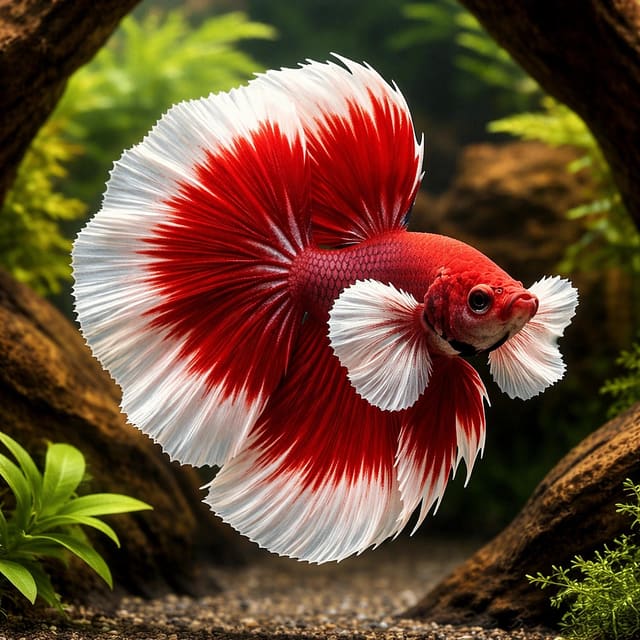
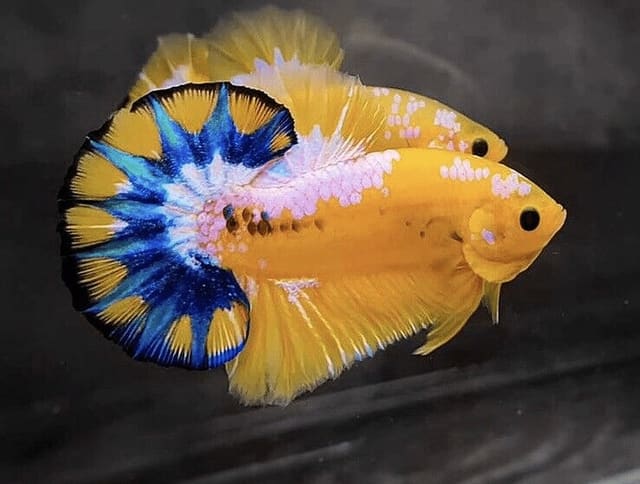
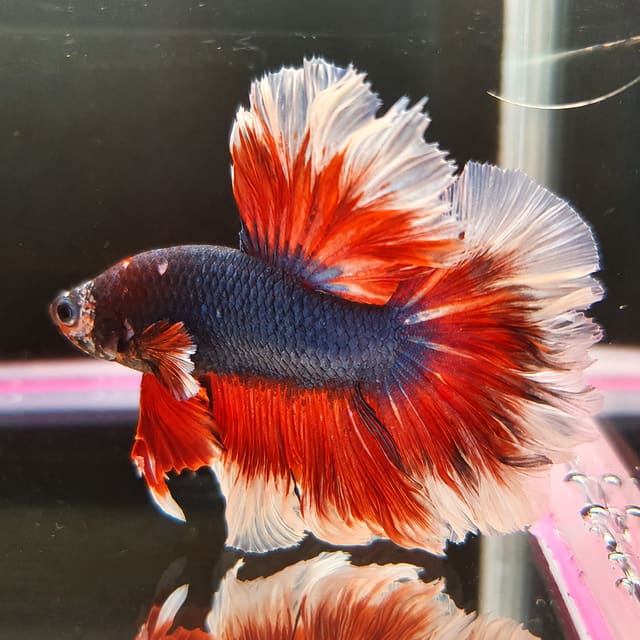
Halfmoon Mustard Male Betta (Betta splendens)
26–28°C · pH 6–8 · 41L
£37.99

A striking, selectively bred giant male betta with bold color, flowing fins, and classic personality in a larger-than-standard form. Moderate care, semi-aggressive. 24-30C, pH 6.0-7.5.
Adult size is the maximum length this species reaches at full maturity (scientific sources). The livestock you receive will be younger and smaller. Product-photo provenance and any image-specific limitations are stated on the listing.
Betta splendens
Confirm your email, then we’ll send an availability message for this exact item if it returns within 180 days.
This request is only for this product—no newsletter or other promotions. A mail-provider retry may very rarely duplicate the same availability message. Unconfirmed addresses are removed after 48 hours. See our privacy policy.
A striking, selectively bred giant male betta with bold color, flowing fins, and classic personality in a larger-than-standard form. Moderate care, semi-aggressive. 24-30C, pH 6.0-7.5.
Adult size is the maximum length this species reaches at full maturity (scientific sources). The livestock you receive will be younger and smaller. Product-photo provenance and any image-specific limitations are stated on the listing.
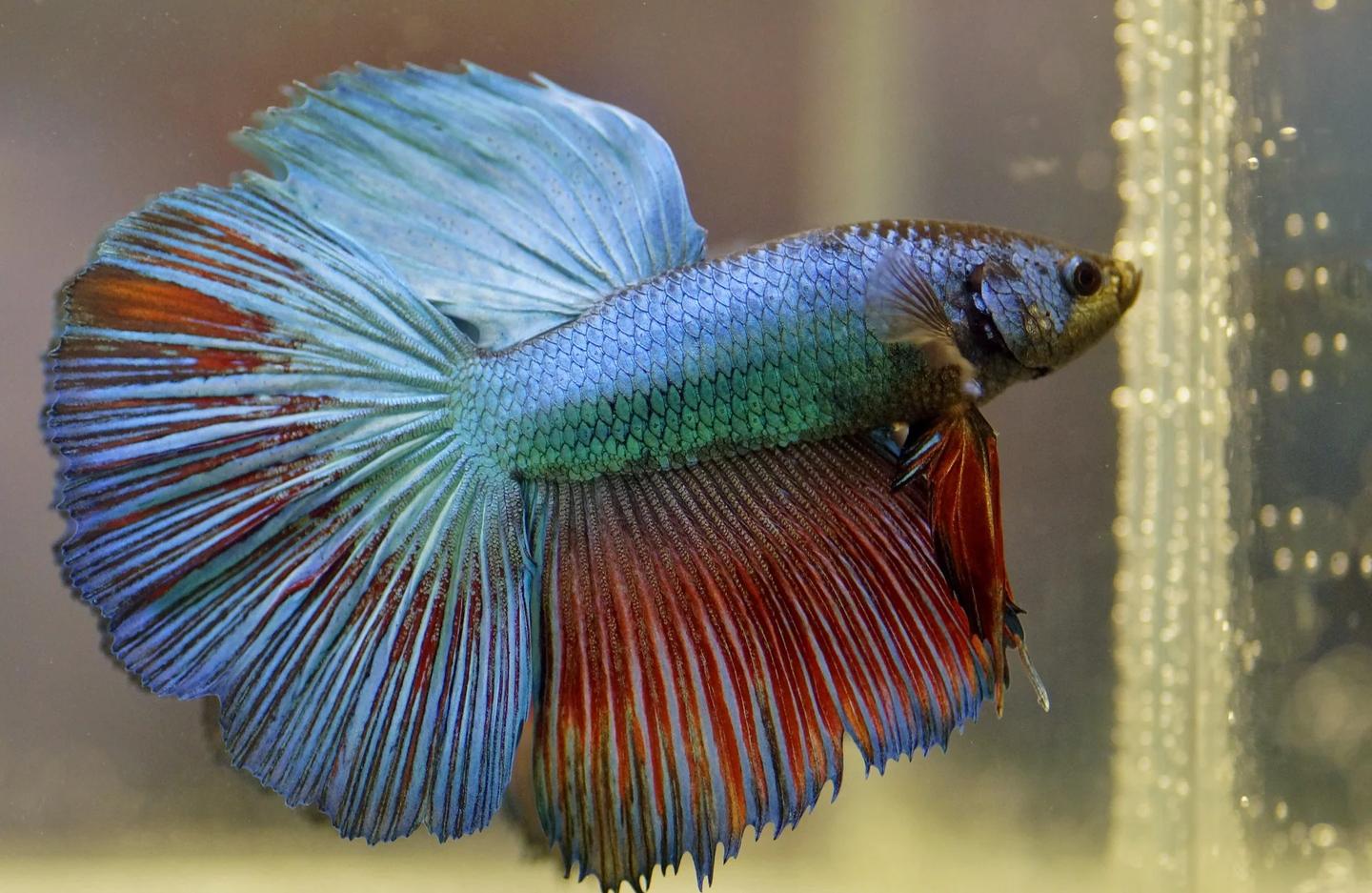
For one typical domestic Betta splendens, start with at least 20 litres, a mature filter, thermostatic heater, separate thermometer, gentle flow, a secure lid with surface access, and plants or refuges. Keep one male per aquarium.
Maintain these water conditions for optimal health and vibrant colors
Graded giants do not come along every week. This is an A-grade male from the giant Betta splendens line — selected stock reaching about 7.5 cm, noticeably heavier-bodied than a standard male, with the grading reflecting overall quality of form and finnage. For keepers who find ordinary bettas a touch small for a feature tank, a graded giant is the natural upgrade: same personality, considerably more presence.
He is rated moderate care and semi-aggressive, and the compatibility guidance reads accordingly: best kept alone, or with very carefully chosen peaceful tank mates in a larger, well-structured aquarium. Small peaceful snails pass without incident, and peaceful shrimp may settle in some setups, though hunting is always possible. The exclusion list deserves respect — other male bettas, fin-nipping species such as tiger barbs, aggressive or territorial fish, large predators, and brightly coloured long-finned fish that provoke displays. Plan around the recorded 40-litre minimum: a bigger fish simply needs more water than the nano tanks marketed for standard bettas. His station is the top of the tank, in water held between 24 and 30 °C at pH 6.0–7.5.
Scale his care to his size and everything else follows. A 7.5 cm giant eats noticeably more than a standard betta — measured carnivore feedings rather than pinches — and produces correspondingly more waste, which is the practical reason his record sets the minimum at 40 litres rather than the nano volumes smaller males tolerate. Filtration should turn the tank over gently; he holds the top region and dislikes being pushed around by outflow. The 24–30 °C band gives flexibility, but pick one temperature and hold it. Giants from graded lines settle quickly when the routine is consistent: same feeding time, same maintenance day, and within a fortnight he behaves as if the tank were built around him — which it was.
Give a giant the warm end of his range and food sized for a larger mouth, and he will dominate a 40-litre planted tank as a true solo showpiece. Territoriality increases around breeding condition. Shipping is handled by a licensed live-animal courier and backed by our live arrival guarantee.
No reviews for this item yet. Bought one? Honest reviews only, good or bad.
What customers say about ordering from us
I have a small group of long finned mountain minnows. So was delighted to be able to order ten of this variety to increase the genetics in my tank . The ones I recieved are healthy but it’s to early to give a verdict on wether they are of a long finned type since they are small currently.
Gordon Walker · 23 Sept 2026
100% success travel and "installation". Pleased with quality of purchase. The Siamese fighter a bit "shy" so have not yet seen him at his best yet but looking good. Happy customer. GG
George E Garratt · 21 Sept 2026
Reviews of our shop, collected by Judge.me, an independent third-party review collector. Newest first.