Moderate
Red Ruby Taiwan Bee Shrimp (Caridina sp.)
20–24°C · pH 6–6.8
£45.99

A tiny, peaceful pearl shrimp that adds subtle movement and delicate charm to well-planted nano aquariums. Moderate care, peaceful. 22-28C, pH 6.0-7.5.
Adult size is the maximum length this species reaches at full maturity (scientific sources). The livestock you receive will be younger and smaller. Product-photo provenance and any image-specific limitations are stated on the listing.
Arachnochium kulsiense
Lives in groups: kept together they stay settled, active and show their best colour.
Confirm your email, then we’ll send an availability message for this exact item if it returns within 180 days.
This request is only for this product—no newsletter or other promotions. A mail-provider retry may very rarely duplicate the same availability message. Unconfirmed addresses are removed after 48 hours. See our privacy policy.
A tiny, peaceful pearl shrimp that adds subtle movement and delicate charm to well-planted nano aquariums. Moderate care, peaceful. 22-28C, pH 6.0-7.5.
Adult size is the maximum length this species reaches at full maturity (scientific sources). The livestock you receive will be younger and smaller. Product-photo provenance and any image-specific limitations are stated on the listing.
Maintain these water conditions for optimal health and vibrant colors
The pearl shrimp, scientifically designated as Arachnochium kulsiense, represents a delicate and understated addition to nano aquariums seeking subtle invertebrate life. This tiny member of the Palaemonidae family originates from freshwater habitats across Southeast Asia, though exact native range data remains poorly documented in available sources. At just 1-1.5cm in adult size, the species epitomises miniature aquatic life suitable for well-planted small systems. Available for sale UK through specialist suppliers, these ornamental shrimp appeal to enthusiasts maintaining dedicated planted nano tanks where larger inhabitants would overwhelm the delicate aquascape. However, prospective keepers must understand that despite the moderate care rating, the species' diminutive size limits tankmate options severely whilst potentially presenting breeding challenges related to larval development requirements.
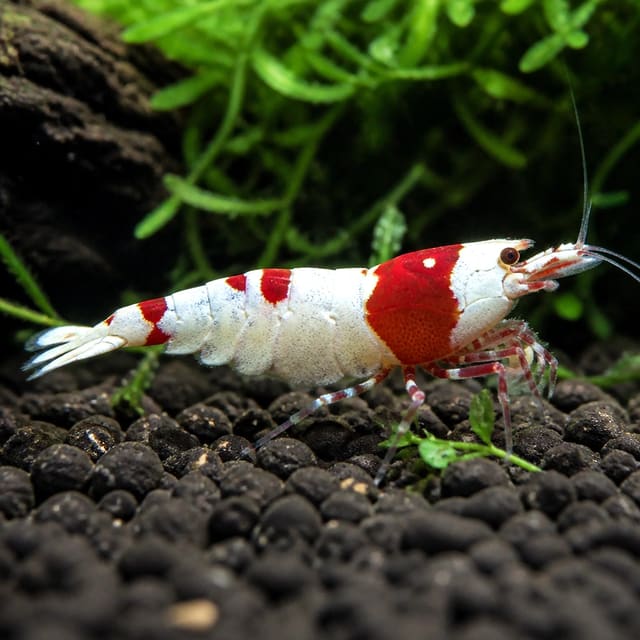
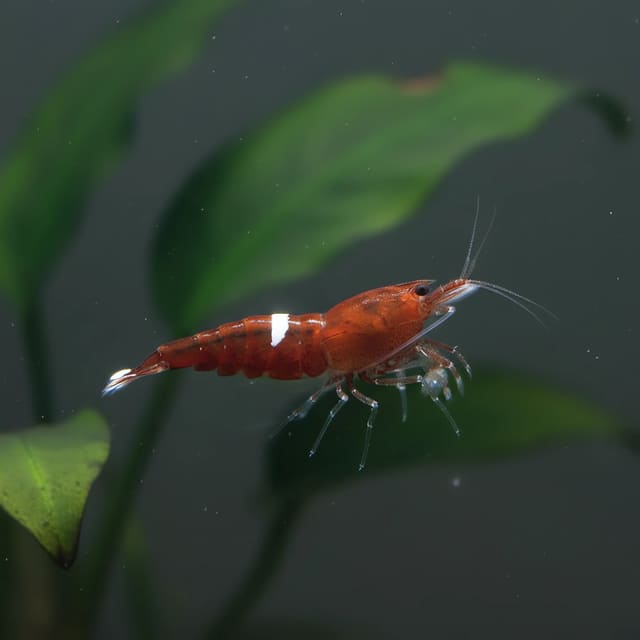
Arachnochium kulsiense displays subtle colouration befitting its common name, with translucent to pale body tones occasionally exhibiting faint pearlescent qualities under appropriate lighting. At the tiny 1-1.5cm adult size, the species requires close observation to appreciate its delicate structure and graceful movement through aquatic vegetation. The elongated body features the characteristic segmented appearance of palaemonid shrimp, with long, slender walking legs and prominent antennae that assist in sensory navigation. Sexual dimorphism may be subtle at this diminutive size, though mature females potentially display slightly more robust abdomens when carrying eggs. The species' near-transparent body allows observation of internal structures, creating an almost ethereal appearance as individuals move amongst fine-leaved plants and moss. This cryptic colouration provides effective camouflage in natural habitats whilst making the shrimp challenging to locate within densely planted aquariums.
The natural habitat of Arachnochium kulsiense remains poorly documented, with the species reported from freshwater environments in Southeast Asia without precise locality data. Presumed habitats likely include slow-flowing streams, vegetated pond margins, rice paddies, or similar shallow-water environments featuring abundant aquatic and marginal vegetation. These habitats typically experience warm tropical temperatures with variable water chemistry depending on geological and seasonal factors. Dense plant growth provides cover from predators whilst supporting the biofilm and microorganism communities upon which small shrimp depend. Water movement ranges from negligible to gentle, lacking the strong currents that characterise many riverine shrimp habitats. Seasonal variations in water level, temperature, and food availability create dynamic conditions, though the species' reported temperature range suggests tolerance for reasonably stable tropical conditions rather than extreme seasonal fluctuations.
A minimum 20-litre aquarium provides appropriate space for maintaining a small group of Arachnochium kulsiense, with nano tanks between 20-40 litres proving ideal for creating species-focused displays. The setup should emphasise dense planting using fine-leaved species including Java Moss, Riccia, Fissidens, and delicate stem plants that create the sheltered microhabitats these tiny shrimp require. Driftwood branches and smooth stones provide additional structure and surfaces for biofilm development. Gentle filtration prevents the shrimp from being sucked into intake pipes — sponge filters prove ideal, providing biological filtration and supplementary grazing surfaces without creating dangerous suction. Avoid powerheads or strong water movement that might stress or injure such diminutive inhabitants. Subdued lighting suits the species whilst supporting plant growth, achieved through floating plants or carefully positioned hardscape. Ensure lids fit securely with no gaps, as shrimp occasionally climb emergent vegetation or equipment.
Maintaining stable water conditions appropriate for Arachnochium kulsiense requires attention to parameters suitable for small tropical invertebrates. Temperature should remain between 22-28°C, with most keepers targeting 24-26°C as optimal for promoting activity and potentially supporting breeding. pH values in the 6.0-7.5 range accommodate the species' reported preferences, though exact optimal conditions remain uncertain given limited documentation. Small, frequent water changes of 10-20% weekly prove superior to large infrequent changes in nano systems housing sensitive invertebrates, maintaining stability whilst preventing parameter fluctuations. Use aged, dechlorinated water temperature-matched to existing tank conditions. Ammonia and nitrite must remain undetectable, whilst nitrates should stay below 20ppm — mature planted tanks naturally maintain low nutrient levels through plant uptake. Avoid copper-based medications and ensure tap water treatments don't contain harmful additives. Water hardness likely proves less critical than stability, though moderately soft to medium-hard water suits most Southeast Asian species.
When performing water changes on nano tanks housing tiny shrimp like Arachnochium kulsiense, use airline tubing rather than standard siphons to control flow rate carefully — this prevents accidentally removing nearly invisible juvenile shrimp whilst cleaning substrate and plant surfaces.
Arachnochium kulsiense demonstrates omnivorous micro-scavenging feeding preferences, consuming biofilm, algae, decaying plant matter, and microscopic organisms that colonise established aquariums. In well-matured planted tanks, supplementary feeding may be minimal, with natural food sources supporting small populations. When providing additional nutrition, offer fine sinking foods including powdered spirulina, specialised shrimp foods, finely crushed algae wafers, and blanched vegetables ground to appropriate sizes. Occasional protein supplementation through powdered invertebrate foods or finely ground frozen foods supports growth and conditioning. Feed sparingly — small amounts that disappear within hours prevent water quality issues in nano systems. The species' tiny size means even minute food particles provide substantial meals. Maintain mature biofilm growth by avoiding over-cleaning hardscape and equipment surfaces, preserving natural grazing opportunities essential for invertebrate health in planted nano aquariums.
Pearl shrimp exhibit peaceful, unobtrusive behaviour befitting their diminutive size and cryptic nature. Individuals spend daylight hours moving slowly through dense vegetation, grazing on biofilm and exploring plant surfaces for food particles. The species demonstrates little territorial behaviour, with groups coexisting harmoniously in appropriately planted nano aquariums. Activity levels remain modest compared to more visible shrimp species, requiring patient observation to appreciate fully. When threatened, pearl shrimp execute rapid backward swimming motions to escape into dense vegetation, relying on camouflage and concealment rather than size or defensive structures. Social interactions remain subtle at this scale, though groups likely benefit from the security provided by numbers. The species' peaceful nature and minimal bioload make it suitable for maintaining in small groups, allowing observation of natural behaviours whilst creating subtle movement throughout planted aquascapes.
Selecting appropriate tankmates for Arachnochium kulsiense presents extraordinary challenges given the species' minute size. The safest approach involves species-only setups housing only pearl shrimp with snails and other peaceful invertebrates. If attempting mixed communities, only the very smallest, most peaceful fish warrant consideration, though even "nano fish" like Boraras species may view these tiny shrimp as potential prey. Most fish large enough to see pearl shrimp will attempt to eat them, making traditional community aquariums entirely inappropriate. Other small, non-aggressive shrimp species of similar size might coexist if water parameters align, though verifying compatibility requires careful research. Avoid all predatory fish, crayfish, aggressive cichlids, loaches, and any species known to prey on invertebrates. The pearl shrimp's safety depends almost entirely on dense planting and lack of predatory tankmates, making dedicated nano planted tanks the only reliably safe housing option.
Breeding details for Arachnochium kulsiense remain poorly documented in aquarium literature, creating uncertainty about reproductive requirements and larval development. Like many palaemonid shrimp, larvae may require specialised conditions including brackish or marine water for successful development, rendering captive breeding challenging or impossible in standard freshwater aquariums. Some related species demonstrate direct development with miniature versions of adults hatching from eggs, whilst others produce planktonic larvae requiring entirely different husbandry. Without species-specific breeding information, keepers should assume reproduction in home aquaria remains unlikely despite potentially observing berried females. Any breeding attempts would require dedicated research, specialized larval-rearing systems, and considerable patience. Most aquarists maintain pearl shrimp for their ornamental value in planted nano tanks rather than breeding potential, accepting that population maintenance likely requires ongoing acquisitions rather than sustainable captive breeding.
Tropical Fish Co specialises in delicate, uncommon species including rare invertebrates like Arachnochium kulsiense. Our pearl shrimp undergo careful acclimatisation and quarantine in planted systems, ensuring healthy, actively feeding specimens before sale. We provide comprehensive guidance on nano aquarium setup, plant selection, and maintenance schedules essential for success with tiny, sensitive invertebrates. Expert staff offer honest assessments about the limited tankmate options and potential breeding challenges before purchase, preventing disappointment from unrealistic expectations. We maintain ethical sourcing practices and work with reputable suppliers who understand proper handling of delicate species. Specialist transport ensures your pearl shrimp arrive safely using insulated packaging with carefully maintained temperatures and oxygen-rich water. Choose Tropical Fish Co for genuine expertise in uncommon invertebrates, healthy livestock maintained in optimal planted conditions, and ongoing support from aquarists passionate about the fascinating world of nano aquarium inhabitants like the subtle yet charming pearl shrimp.
No reviews for this item yet. Bought one? Honest reviews only, good or bad.
What customers say about ordering from us
I have a small group of long finned mountain minnows. So was delighted to be able to order ten of this variety to increase the genetics in my tank . The ones I recieved are healthy but it’s to early to give a verdict on wether they are of a long finned type since they are small currently.
Gordon Walker · 23 Sept 2026
100% success travel and "installation". Pleased with quality of purchase. The Siamese fighter a bit "shy" so have not yet seen him at his best yet but looking good. Happy customer. GG
George E Garratt · 21 Sept 2026
Reviews of our shop, collected by Judge.me, an independent third-party review collector. Newest first.