Ancistrus Pleco UK: The Complete 2026 Bristlenose Guide
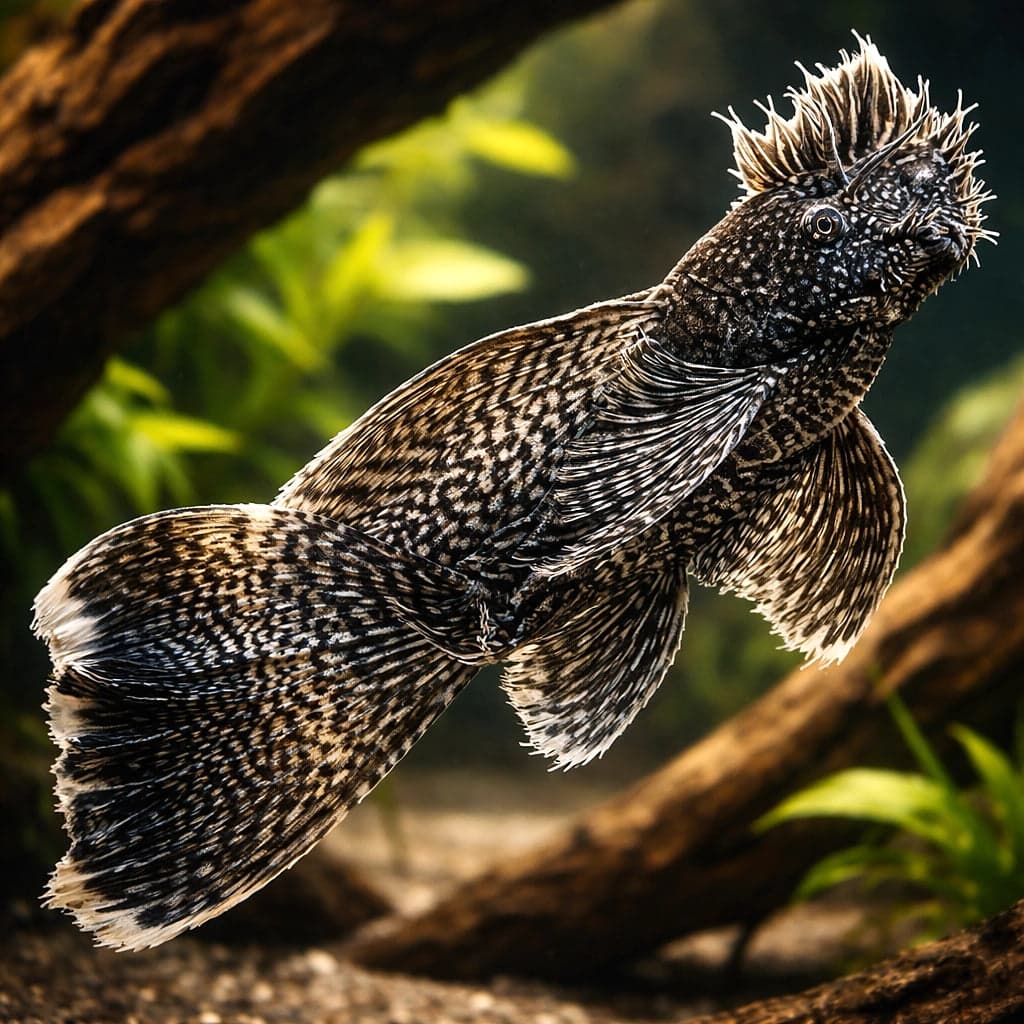
Bristlenose plecos (Ancistrus sp.) are the only pleco that fits a standard home aquarium without outgrowing it — 10–14 cm max, vs the 45 cm of a common pleco. Male bristlenoses develop the signature facial 'bristles'. 90 L minimum, breeds readily, 10+ colour morphs available in the UK trade.
Why bristlenoses are the one pleco that belongs in a home aquarium
Most plecos sold in UK shops outgrow standard home tanks. The common pleco hits 45 cm. Royal plecos hit 40 cm. Even "dwarf" Peckoltia species get to 15 cm. The bristlenose (Ancistrus) is the one genus where the adult size genuinely fits a 90 L — and why it's been the default pleco recommendation for UK tanks since the 1980s [?].
I'm Priya. I breed discus commercially and I have kept Ancistrus alongside the discus racks since 2015. This is the guide I'd write for someone who's setting up their first 90 L community tank and wants one good algae-grazing community fish.
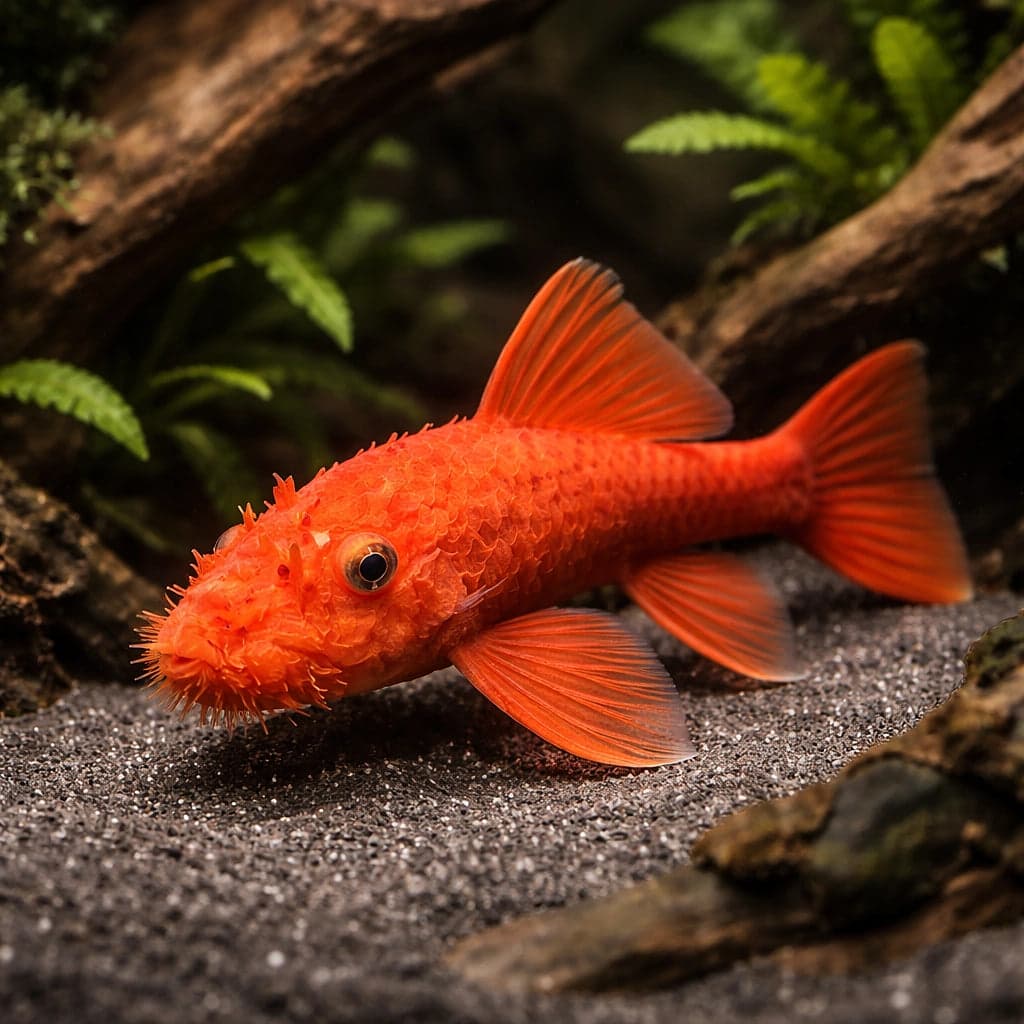
A Super Red Bristlenose Pleco. Same Ancistrus genus as the standard bristlenose, same care, but selectively-bred for the deep orange-red colouration. Photo: Tropical Fish Co warehouse.
Five facts most bristlenose buyers never hear
- "Ancistrus" is actually 70+ species. What the UK trade sells as a single fish is a genus of dozens of species — most farmed in East Asia, some wild-caught L-numbers. The care is nearly identical across all of them [?].
- They rasp wood for fibre, not just flavour. Bristlenoses have a specialised digestive tract that requires lignin fibre from wood to function properly [?]. A bristlenose kept in a bare tank with no wood will have chronic digestive issues even with perfect feeding.
- Bristles are for brood-care, not defence. Male bristlenoses develop the facial tendrils specifically for fanning eggs in the breeding cave. They don't use them defensively — the bristles are soft and purely a mating-signal + fry-tending structure [?].
- They can breathe atmospheric air. Bristlenoses are facultative air-breathers. If water oxygen drops, they'll gulp air from the surface. This is why they occasionally survive tank-crash incidents that kill every other fish in the tank.
- Tank-bred colour morphs outnumber wild-type imports 10:1 in the UK trade. Super red, albino, longfin, snow white, and calico strains are all Asian-farm tank-bred fish. Only L-numbered specimens (L59, L144, L183) are wild-collected [?].
Colour morphs: which bristlenose for your tank?
Head-to-head: the six bristlenose morphs most commonly in stock
| Morph | Body colour | Fin type | Approximate price | Best tank style |
|---|---|---|---|---|
| Standard Wild-type | Dark brown-black mottled | Short | £8–£12 | Any planted |
| Albino / Gold | Pale pink-yellow | Short | £6–£10 | Dark substrate contrast |
| Super Red | Deep red-orange | Short | £18–£25 | Dramatic display tank |
| Longfin Standard | Dark brown | Long, flowing | £9–£15 | Showpiece planted |
| Longfin Albino / Gold | Pale pink-yellow | Long, flowing | £12–£18 | Displayshow |
| L-number (L59, L144, L183) | Varies by species | Short | £18–£30 | Serious-hobbyist biotope |
Care, feeding, and tank-size requirements are identical across every morph. Pick on aesthetics.
Tank size and male-vs-female decision
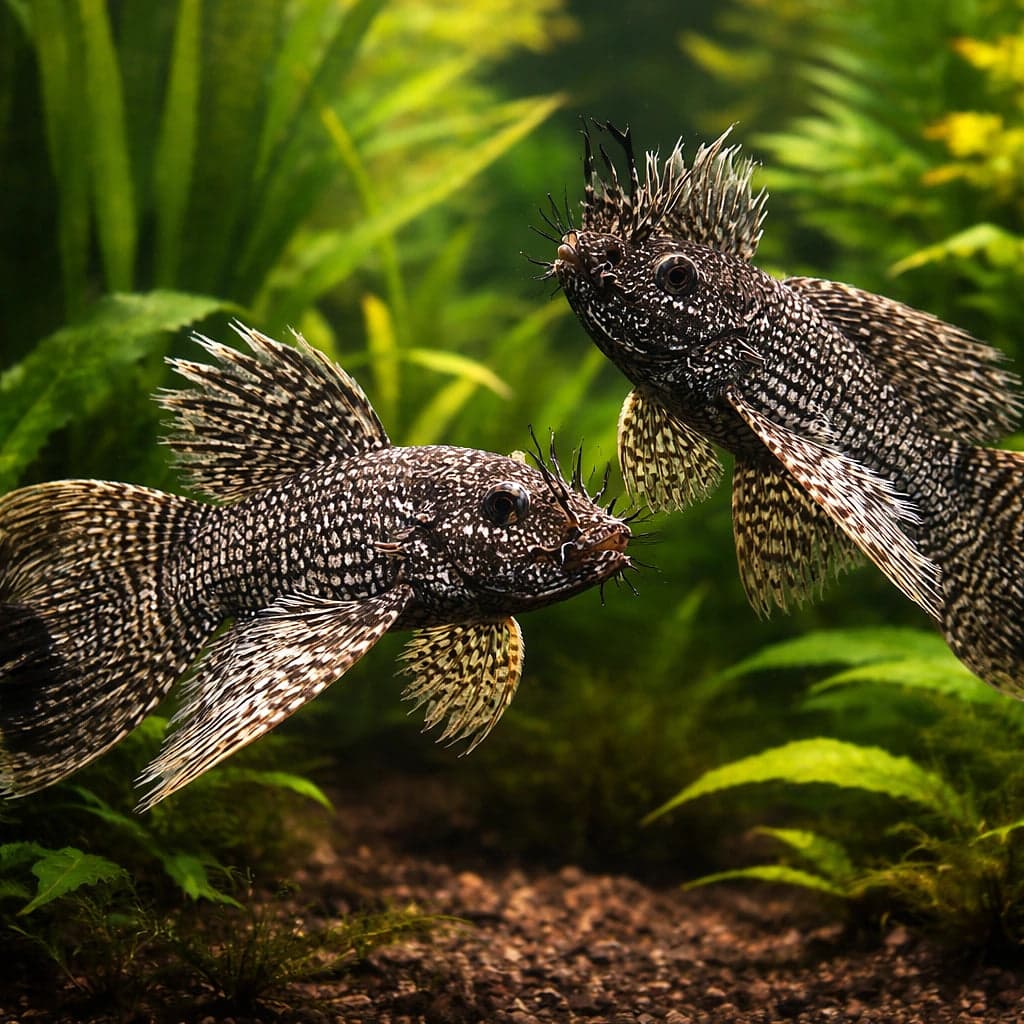
Two Longfin Bristlenose Plecos showing the distinctive trailing finnage against planted background. The longer finnage identifies them; care is identical to short-fin strains. Photo: Tropical Fish Co warehouse.
Tank size by keeping intent
- 90 L — one bristlenose solo (male or female)
- 120 L — one solo + full community around it
- 180 L — 1 male + 2 females for controlled breeding
- 300 L+ — 2 males + 3–4 females (collector / breeder rack)
Male vs female
If you buy a single pleco and don't want breeding:
- Male — develops the signature bristles by 12 months. Best for an impressive display fish.
- Female — smoother face, slightly smaller on average. Best if you only want an algae-grazing workhorse without the ornamental bristles.
Do not buy "a pair" unless you've planned for fry. Breeding is near-automatic in a well-cycled planted tank with a cave.
Watch: a bristlenose breeding cave in action
Tank mates that actually work
Bristlenoses are famously peaceful with other species. They ignore almost everything in the water column and spend most of their time on the substrate or driftwood.
- Tetras + rasboras (cardinals, embers, harlequins, neons) — completely safe, different feeding zone
- Corydoras — occasional squabbles at feeding time only
- Livebearers (guppies, platies, mollies) — safe
- Angelfish, discus — compatible with adult plecos; juvenile plecos can be nipped by larger cichlids
- Dwarf cichlids (apistogramma, rams) — compatible in 100 L+
- Shrimp — completely safe with adult shrimp; fry may be incidentally eaten
Avoid: male bristlenoses with other male bristlenoses in anything under 300 L — they fight and can injure each other.
Breeding bristlenoses — the easiest pleco to breed in a UK tank
If you bought a mixed-sex pair or group, you'll breed them without trying. Here's what actually happens:
- Conditioning — feed heavy protein 2–3 weeks (frozen bloodworms, sinking high-protein pellets)
- Cave — add a pleco-specific terracotta cave or 30 cm length of aquarium-safe PVC pipe (1.5" internal diameter)
- Water change — a cool (3–4 °C below tank temp) 30% water change often triggers spawning within 24 hours
- Male takes over — male guards the eggs inside the cave, fans them with his bristles for 7–10 days
- Fry emerge — 30–100 fry drop from the cave, immediately start grazing algae
Juvenile bristlenose fry sell to UK LFS for £2–£4 each at 2–3 cm size — a single successful spawn can gross £100+.
When your bristlenose arrives — our UK delivery protocol
Plecos are hardy shippers. Large body size = slow metabolism = slow ammonia buildup in the bag. Our first-week survival rate on bristlenose shipments is 99%+.
- Quiet, dim room for unpacking.
- Float the bag 30 minutes sealed — the larger size retains cold longer, so float time is extended.
- Drip-acclimate 45 minutes at 1–2 drops per second.
- Net into the tank.
- Lights off 2 hours. Plecos are nocturnal — the lights being off helps them settle and explore.
- No feeding for 24 hours. Drop an algae wafer on the substrate on day 2 — they'll find it.
If you take one husbandry point from this guide: bristlenoses need aquarium-safe driftwood in the tank to live their full lifespan. Not optional, not a planted-tank aesthetic choice — a biological requirement. The lignin fibre from rasped wood keeps their digestive tract functioning [?].
Ready for more?
For the full deep-dive on bristlenose breeding, genetics, and long-term husbandry, the bristlenose pleco care guide goes further than this buying-focused page.
If you're choosing between algae-control species, our Siamese algae eater guide covers the BBA specialist alternative. For community-tank planning, see the best beginner tropical fish list where the bristlenose sits alongside the hardy nine.
Shopping the full range? The bristlenose pleco hub has every morph currently in stock.
Frequently asked questions
Related guides
Amano Shrimp UK: Algae-Eating Specialist Every Planted Tank Needs
Amano shrimp (Caridina multidentata) — the algae crew every UK planted tank needs. Why they can't breed in freshwater, what they actually eat, welfare-first delivery.
Angelfish UK: Species Biology, Welfare & The Colour Strains In Stock
Angelfish (Pterophyllum scalare) — South American cichlid biology, pairing behaviour, strain genetics, UK welfare requirements, and the 10 colour strains we ship.
The 10 Best Beginner Tropical Fish for UK Aquariums
The 10 best beginner tropical fish for UK aquariums — hardy, peaceful, tolerant of UK tap water, and widely in stock. Picked by a 15-year aquarist, not a copywriter.