
Tropical Granulat Fish Food - UK
Tropical Granulat is a daily granule fish food for tropical species, supporting colour, vitality and balanced nutrition. Buy now with fast UK delivery.
Premium Quality
Healthy, vibrant fish from trusted suppliers
Expert Care
Detailed care guides and support
Live Arrival Guarantee
Your fish arrives healthy or we'll replace it
Acclimated
Properly quarantined and ready for your tank
Why Choose This Fish?
Tropical Granulat is a daily granule fish food for tropical species, supporting colour, vitality and balanced nutrition. Buy now with fast UK delivery.
Tropical Granulat is a practical everyday staple for aquarists who want a reliable, easy-to-feed granule for mixed tropical tanks. Made as a Sinking Granulated Fish Food, it is designed to suit fish that feed in the middle and lower levels of the aquarium, while still being readily accepted by many active community species. If you are looking for tropical fish food UK hobbyists use for tetras, rasboras, barbs, dwarf cichlids, livebearers and catfish companions, this formula is a smart all-round choice. Many keepers searching for aquarium food UK, community fish food UK, fish food granules UK or sinking fish food UK want one food that is clean, consistent and simple to portion. That is exactly where Tropical Granulat stands out.
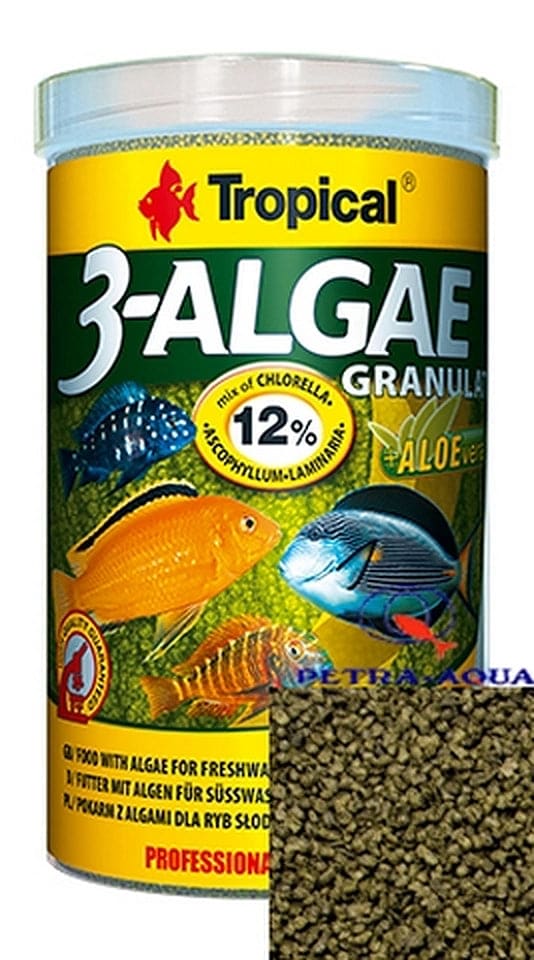
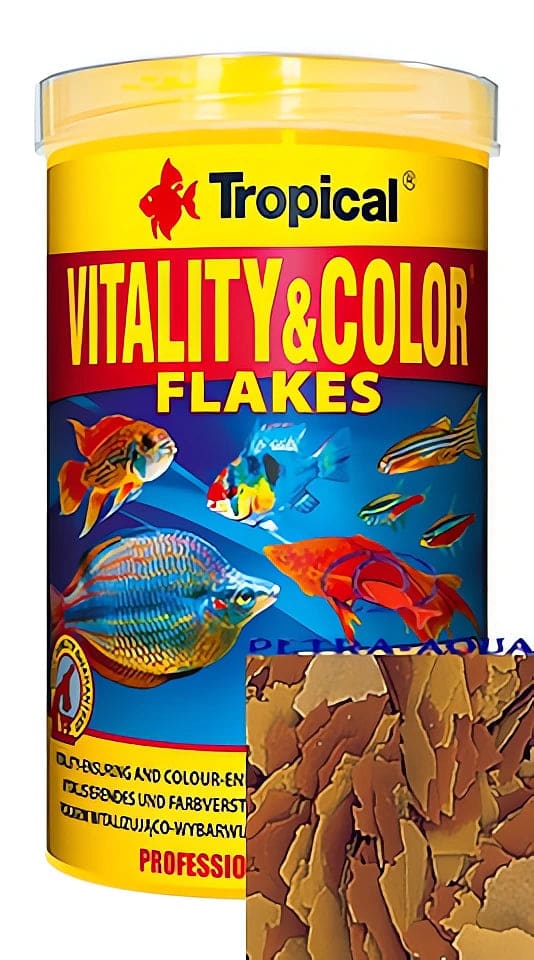
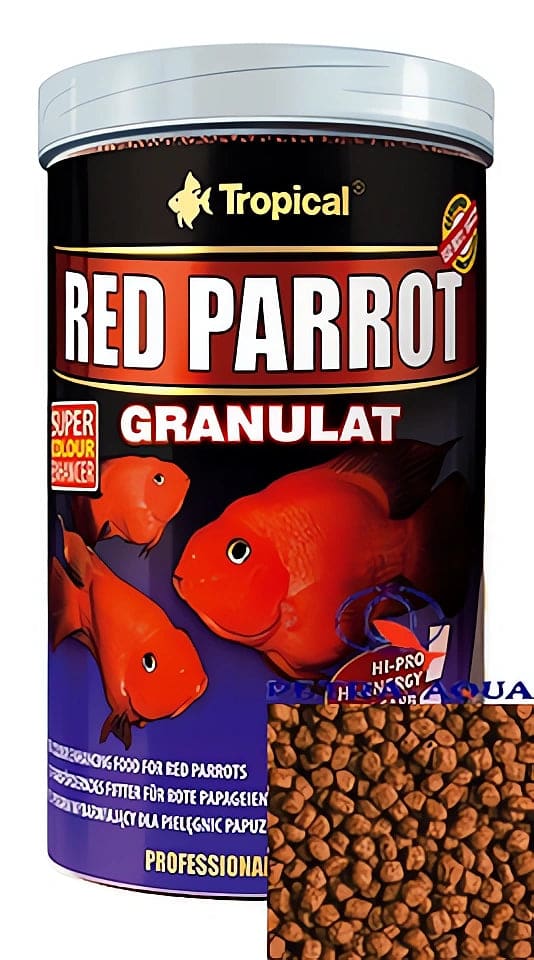
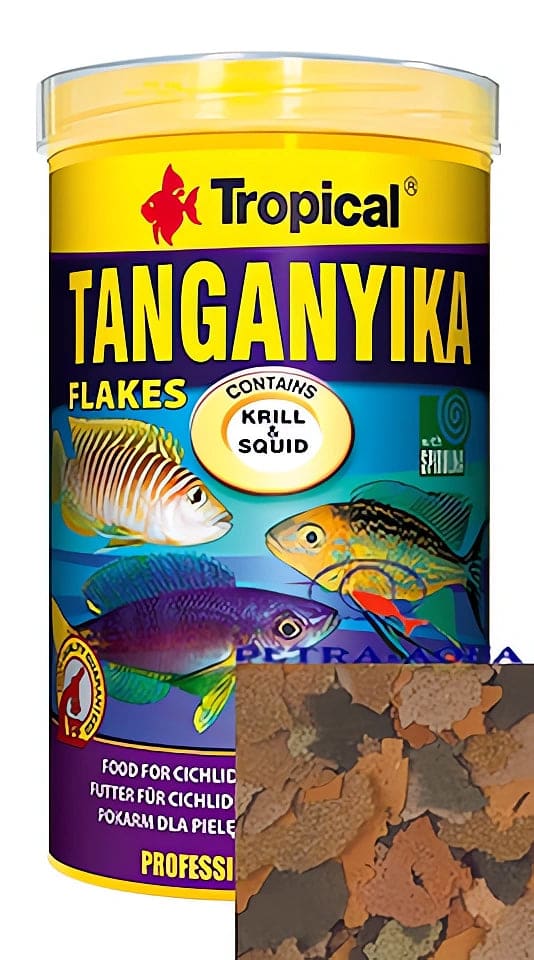
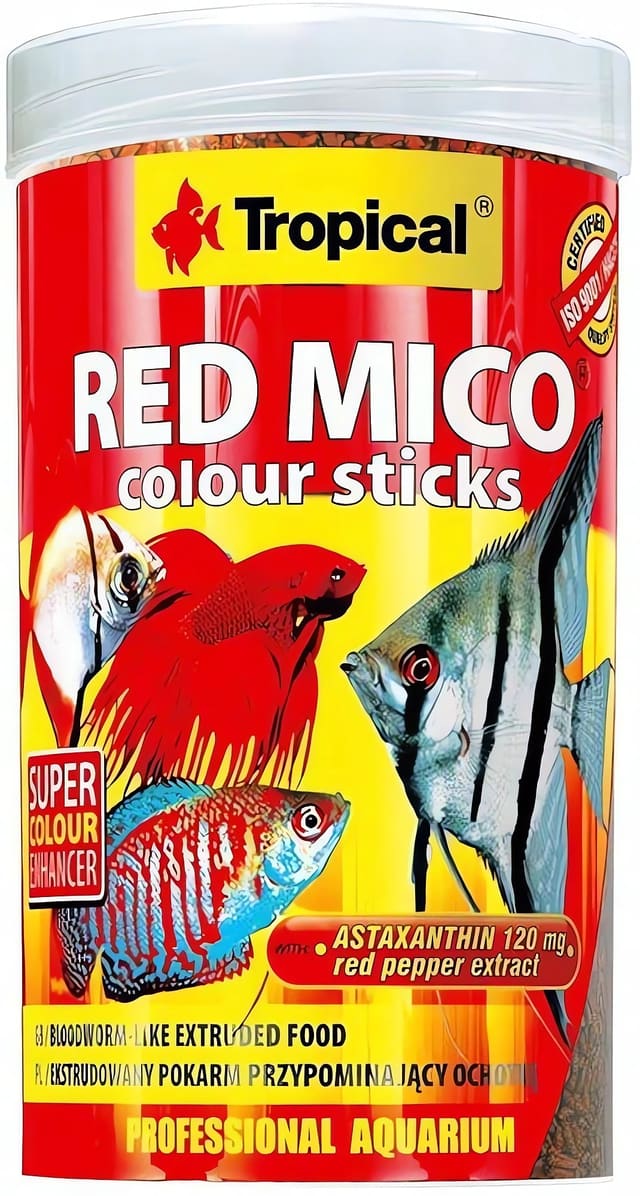
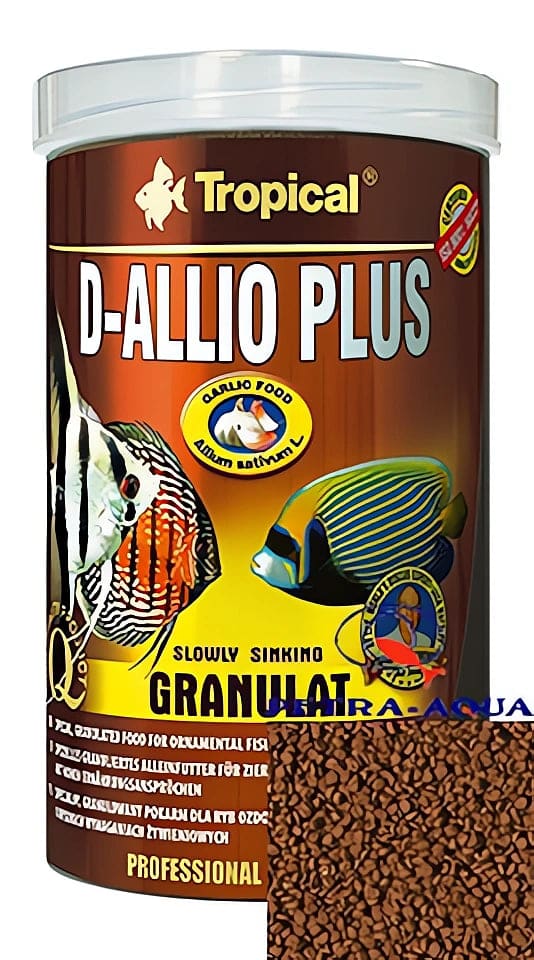
These Multi-Ingredient Granules are especially useful in peaceful mixed aquariums where flakes are lost to the filter current or grabbed too quickly by surface feeders. The granules sink steadily, helping shy fish and slower feeders get their share. For anyone comparing the best granulated fish food UK options, or wondering how to feed sinking granules to tropical fish, this guide covers ingredients, feeding method, compatibility, storage and buying advice. See our product image tropical-granulat.webp for a close look at the granule size and texture. Whether you want to buy Tropical Granulat UK for a new community setup or need a dependable daily food for an established tank, this is a versatile choice that supports condition, colour and routine feeding success.
🔹 Quick Facts
- Product Name: Tropical Granulat
- Type: Granulated staple food for tropical aquarium fish
- Format: Slow-sinking granules
- Best For: Community aquariums with mid-water and lower-feeding species
- Feeding Zone: Midwater to bottom as granules soften and sink
- Suitable For: Tetras, rasboras, barbs, livebearers, gouramis, dwarf cichlids and other community fish
- Use Frequency: 1-3 small feeds daily
- Key Benefit: Multi-ingredient daily diet with easy portion control
Classification
- Category: Aquarium dry food
- Food Class: Staple community fish granules
- Application: Daily feeding for tropical freshwater aquariums
In the aquarium hobby, granules sit between flake and pellet foods. They are popular because they are easy to digest, simple to measure and suitable for many mixed-species tanks. Tropical Granulat fits this role as a dependable Community Fish Granulat for keepers who want a broad-use staple rather than a highly specialised diet.
What Makes Tropical Granulat a Good Everyday Food?
The main strength of Tropical Granulat is balance. In a typical community aquarium, some fish rush to the surface, some feed in open water and others wait lower down. A slow-sinking granule helps spread food through the tank, reducing competition at the top and improving access for timid fish. That makes it a strong candidate for aquarists searching for Tropical Community Fish Granules, sinking granules for community fish or the best sinking granules for community tank UK setups.
Compared with very light flakes, granules are often cleaner to feed and easier to control. You can add a small pinch, watch how quickly it is taken, and adjust the next meal. This matters in smaller aquariums where excess food quickly affects ammonia and nitrate. For beginners, that alone can make Tropical Granulat feel easier to manage than flake-heavy routines.
It is also useful as part of a varied diet. Many aquarists use granules as the staple meal, then rotate in frozen foods, algae wafers or colour foods depending on the species kept. If you keep tetras, rasboras or peaceful barbs, this can work well as a multi-ingredient granulated food for tetras UK fishkeepers can use daily without making feeding complicated.
Why aquarists choose Tropical Granulat
- Slow-sinking format helps midwater and lower-feeding fish eat more naturally
- Easy to portion for small community tanks and larger mixed aquariums
- Useful as a staple diet alongside frozen, live or vegetable-based supplements
- Suitable for a wide range of peaceful tropical freshwater species
Who Is Tropical Granulat Best For?
This food is best suited to keepers of peaceful freshwater tropical fish that accept small granules. It works particularly well in mixed tanks with species such as neon tetras, black phantom tetras, harlequin rasboras, cherry barbs, platies, mollies, gouramis and many dwarf cichlids. If you run a classic planted community aquarium, Tropical Granulat is often easier to distribute than flakes and less oversized than many pellets.
It is also a sensible option for aquarists moving beyond beginner flake foods. Many people ask whether granules are better than flakes. The answer depends on the fish, but granules often offer better feeding control, reduced surface mess and more even access for fish that do not like feeding aggressively at the top. That is why searches such as granulated fish food for sale UK, buy sinking granules for community fish UK and tropical granulat for all tropical fish UK are increasingly common among community tank keepers.
If your aquarium contains very tiny nano fish with extremely small mouths, you may need to crush the granules lightly before feeding. At the other end of the scale, large cichlids, goldfish and specialist herbivores will usually need a more targeted food. Tropical Granulat is a community staple, not a one-food-for-every-fish solution.
What Are Tropical Granulat Ingredients and Why Do They Matter?
One of the most common buyer questions is simple: what is in it, and does that suit my fish? While exact formulas can vary by batch or packaging market, Tropical Granulat ingredients are designed to provide a broad, multi-component diet for everyday use. In practical terms, that means protein sources for growth and maintenance, plant material for digestive balance, fats for energy, and added vitamins and trace nutrients to support normal metabolism.
For omnivorous community fish, this kind of mixed composition makes sense. Tetras, barbs, rasboras and livebearers do not eat one thing in the wild. They take small insects, micro-crustaceans, plant fragments, biofilm and organic matter. A multi-ingredient granule mirrors that variety better than a very narrow single-source feed. That is why the phrase Multi-Ingredient Granules matters here: it reflects a practical feeding approach rather than a marketing buzzword.
Good staple foods should also be palatable and stable in water. A granule that softens gradually without instantly disintegrating is easier for fish to eat and less likely to cloud the tank when used correctly. If you are comparing tropical granulat vs tetra granules or tropical granulat vs sera granules, ingredient lists are worth checking, but acceptance by your fish and cleanliness in your own tank matter just as much.
Expert Tip
When assessing any staple food, watch the fish rather than only the label. Healthy fish should take the granules eagerly, maintain full body shape, pass normal waste and show no bloating after feeding. If a food is nutritionally suitable but the granule size is wrong, crush it slightly and test again.
How Do You Feed Tropical Granulat Properly?
If you are wondering how to feed sinking granules to tropical fish, the key is restraint. Feed only what your fish can consume within around 2-3 minutes. In most community tanks, one or two very small pinches is enough per meal, depending on stock level. The granules should be eaten as they sink or shortly after reaching lower levels. Any significant leftovers mean the portion was too large.
A simple tropical granulat feeding guide is to feed once or twice daily for lightly stocked aquariums, and up to three smaller feeds for busy community tanks with many active fish. Smaller, more frequent meals are usually better than one large dump of food. This supports digestion and reduces waste. It also helps timid fish get access without being outcompeted.
For fish that feed cautiously, try turning the filter flow down for a few minutes during feeding. This keeps the granules in the water column longer. In tanks with surface-dominant species like danios, feed in two spots so lower feeders get a chance. For nano species, pre-soak or crush a portion between your fingers.
| Time | Food | Amount |
|---|---|---|
| Morning | Tropical Granulat | Small pinch, eaten in 2 minutes |
| Evening | Tropical Granulat or varied supplement | Small pinch, slightly less than morning |
⚠️ Avoid overfeeding
Too much granule food can sink into decor, raise ammonia, increase nitrate and encourage cloudy water. In warm tropical tanks, uneaten food breaks down quickly. If your substrate traps leftovers, siphon debris during the next maintenance session and reduce the next feed.
Can Tropical Granulat Be the Only Food in a Community Tank?
It can be the main staple, but a varied diet is still best. Tropical Granulat covers the everyday role well for many omnivorous community fish, yet variety improves condition, colour and feeding response. Rotating in frozen bloodworm, daphnia, brine shrimp, vegetable-rich foods or algae wafers creates a more complete programme for mixed tanks.
For example, tetras and rasboras often thrive with granules as the base diet plus occasional frozen foods. Livebearers benefit from extra plant matter. Corydoras and plecs should not rely on midwater granules alone and need dedicated sinking foods that reach the bottom intact. Dwarf cichlids may also appreciate occasional higher-protein treats when conditioning for breeding.
Build a varied feeding routine with staple granules, algae wafers, frozen foods and specialist diets for bottom feeders, colour enhancement and conditioning.
A useful flake-based companion food if you want to alternate textures and feeding levels in a mixed community aquarium.
Garlic-enriched food often used by aquarists as part of a varied diet for fussy feeders and routine condition support.
Which Fish Commonly Accept Tropical Granulat?
Tropical Granulat is intended for a broad range of peaceful freshwater species. In practice, it is commonly accepted by many tetra species, rasboras, smaller barbs, rainbowfish juveniles, gouramis, platies, mollies, swordtails and some dwarf cichlids. It can also be taken by shrimp-safe community fish that feed throughout the water column.
That said, acceptance always depends on granule size and fish mouth shape. Very small species like ember tetras may need the granules crushed. Surface specialists may prefer flakes. Strict bottom feeders need a dedicated food that sinks faster and stays intact longer. The best results come in tanks where fish naturally feed in midwater or are comfortable chasing small sinking particles.
| Species | Compatible with this food? | Notes |
|---|---|---|
| Neon Tetra | ✅ Yes | Often accepts crushed or small granules readily |
| Harlequin Rasbora | ✅ Yes | Good match for steady midwater feeding |
| Cherry Barb | ✅ Yes | Excellent community species for granule diets |
| Honey Gourami | ⚠️ Usually | Often accepts granules, but some individuals prefer slower presentation |
| Corydoras | ⚠️ Supplement only | Use alongside proper sinking catfish foods |
| Pufferfish | ❌ Avoid as staple | Need species-specific diets and harder foods |
Feeding Tip for Mixed Tanks
Feed Tropical Granulat first for the midwater fish, then add a dedicated bottom-feeder food after lights dim slightly. This reduces competition and helps each species feed in its natural zone.
How Does Tropical Granulat Compare With Other Granule Foods?
Buyers often compare brands before making a choice, especially when looking for the best sinking granulated fish food UK shops offer. The right comparison is not only about price. You should also consider granule size, sink rate, acceptance, water cleanliness and whether the formula suits a broad community tank or a narrower group of fish.
| Feature | Tropical Granulat | Typical flake staple |
|---|---|---|
| Format | Granules | Flakes |
| Feeding level | Midwater to lower levels | Mainly surface to midwater |
| Portion control | Easy | Moderate |
| Mess in strong flow | Usually lower | Can scatter quickly |
| Best for | Mixed community tanks | Surface-active feeders |
In the common debate around tropical granulat vs tetra granules and tropical granulat vs sera granules, there is no universal winner. Some fish prefer one texture over another. Some tanks run cleaner with a slightly firmer granule. Tropical Granulat is a strong option when you want a straightforward, broad-use staple that suits many fish rather than a highly specialised formula.
For UK buyers, value also matters. If you are checking tropical granulat price UK listings, compare cost per gram as well as tub size. A slightly higher upfront price can still be good value if the food is dense, well accepted and fed in very small portions.
What Equipment Helps You Get the Best Results From Granule Feeding?
Food quality matters, but so does the aquarium setup around it. Good filtration, stable temperature and sensible maintenance all improve how fish use their food. In a well-run tank, fish feed more confidently, digest more efficiently and produce less stress-related waste.
A dependable filter is especially important with granule foods, because any leftovers that settle into corners can affect water quality. Pair your feeding routine with a properly sized aquarium filter and regular substrate cleaning. In tropical tanks, a stable heater also supports appetite and digestion, so a reliable aquarium heater is worth considering. If your fish are shy, dense planting using items from our live aquarium plants collection can help them feed more naturally. For lower-level feeders, an open feeding area over fine aquarium substrate makes it easier to spot uneaten granules.
Quick setup checklist for cleaner feeding
- Use a filter sized appropriately for tank volume and stock level
- Keep temperature stable for consistent appetite
- Feed in the same area so you can monitor leftovers
- Vacuum substrate weekly in community tanks
- Reduce flow briefly if timid fish struggle to catch granules
Will Tropical Granulat Cloud the Water?
Used correctly, it should not cause major clouding. Most water quality problems linked to dry foods come from overfeeding, poor circulation, a dirty filter or food trapped in decor. Tropical Granulat is best fed in small amounts that are fully consumed. If the granules are left to break down, any food can foul the water.
If your tank clouds after feeding, review the basics. Is the portion too large? Is the filter overdue for maintenance? Are fish spitting out granules because they are too big? Are leftovers collecting behind wood or under plants? Solving those issues usually matters more than changing food immediately.
⚠️ Common mistake
Do not judge portion size by how hungry the fish look. Many tropical fish will continue searching for food long after they have eaten enough. Base feeding on consumption time and water quality, not on begging behaviour at the glass.
How Should You Store Tropical Granulat After Opening?
Dry fish food lasts longest when kept cool, dry and sealed. Store Tropical Granulat with the lid firmly closed, away from direct sunlight, humidity and heat sources. A cupboard near the aquarium is fine if it stays dry, but avoid leaving the tub on a warm light unit or in a damp fish room.
It is also wise to buy a sensible size for your stock level. A very large tub may seem economical, but freshness matters. Vitamins and aroma can decline over time once opened. For most home aquariums, a smaller container used steadily is often better than a giant one that sits half-full for many months.
If you feed several foods, rotate them so none stay open too long. This is especially useful for hobbyists who maintain a varied diet and want each product to remain attractive to the fish.
Is Tropical Granulat Good for Fish Health and Colour?
As an everyday staple, Tropical Granulat supports general condition when used as part of a balanced routine. Fish on a suitable staple diet should show steady growth, clear eyes, full finnage, good body weight and active feeding behaviour. In many community species, consistent nutrition also helps maintain natural colour intensity.
However, no staple food can fix poor water quality, stress or incompatible stocking. If fish appear washed out, thin or lethargic, review the whole system: temperature, ammonia, nitrite, nitrate, aggression, hiding spaces and feeding competition. Diet is one part of health, not the only part.
For colour-focused species, many aquarists combine a staple like Tropical Granulat with occasional colour-enhancing foods. For breeding fish, extra live or frozen foods are often added during conditioning. Used in that broader context, Tropical Granulat does its job well: it provides a dependable nutritional base.
Health Check Tip
Watch the fish 10 minutes after feeding, not just during the meal. Healthy fish should remain active, breathe normally and show no obvious bloating. If several fish look swollen after eating, reduce portion size and review granule size.
What Questions Do Buyers Commonly Ask About Tropical Granulat?
Is Tropical Granulat suitable for all tropical fish?
It is suitable for many community tropical fish, but not every species. Very small nano fish, strict herbivores, specialist predators and dedicated bottom feeders may need additional or alternative foods.
Does Tropical Granulat sink or float?
It is a sinking granule food, making it useful for fish that feed below the surface and for reducing frantic surface competition.
Can I feed Tropical Granulat every day?
Yes, it is intended as a staple daily food. For best results, combine it with a varied diet over the week.
How much Tropical Granulat should I feed?
Feed only what your fish consume in about 2-3 minutes, once or twice daily in most community tanks.
Why Buy Tropical Granulat From Tropical Fish Co?
When you order fish food online, freshness, storage and product handling matter. We keep dry foods as part of a practical aquarium-care range aimed at real mixed-tank keepers, not just display shelves. That means clear product selection, sensible storage turnover and foods chosen because they fit common UK community aquariums.
If you are ready to buy Tropical Granulat UK, comparing options often comes down to trust, value and whether the product fits your fish. We make it easier to assess by giving clear feeding context, realistic use cases and companion product suggestions. Whether you are searching tropical granulat buy online UK, tropical granulat for sale UK or checking tropical granulat price UK, the goal is simple: help you choose the right staple for your aquarium rather than just any tub of food.
Many customers use Tropical Granulat in planted community tanks where a slow-sinking staple improves feeding access for shy fish. A common success story is the move from scattered flakes to granules in tanks with rasboras, tetras and gouramis; fish feed more evenly, and keepers find portion control easier. If that sounds like your setup, this food is well worth considering.
Why Choose Tropical Fish Co for Tropical Granulat
- Selected as a practical staple for real-world community aquariums, not a niche-only food
- Clear feeding guidance for mixed tanks, nano species and lower-feeding fish
- Easy to pair with filters, heaters, plants and complementary foods in one order
You Might Also Like
Build a better feeding routine and a more balanced aquarium with a few carefully chosen additions. Keep a varied diet on hand with Tropical Supervit for an alternative staple texture, or add Tropical D-Allio Plus for variety in your weekly schedule. Improve feeding confidence in shy species with cover from our live aquarium plants range, and support stable appetite with a reliable aquarium heater. If you keep classic community fish, species such as Neon Tetra, Harlequin Rasbora, Cherry Barb and Honey Gourami are all popular candidates for a granule-based staple diet.
You Might Also Like


Aulonocara sp. 'Firefish' - Tropical Fish for Sale UK

Best Food for Tropical Fish - White Worms (90 ML) | UK

Orange Venezuelan Cory (Corydoras venezuelanus var. 'Orange') - UK

Yellow Lepturus Cichlid - UK

Apistogramma agassizii “Super Red” - UK

X Neon Green Rasbora - UK

Rasbora Heteromorpha (Trigonostigma heteromorpha) - UK
Popular Right Now

Endler Gold Guppy Breeding (Poecilia wingei) - UK

Chindongo saulosi 'Coral Red' - UK
10x Assorted Swordtails – Xiphophorus Hellerii

Glass Catfish (Kryptopterus vitreolus) - UK

Blood Red Dwarf Gourami - UK

Striped Kribensis Dehane - Tropical Fish for Sale UK