Moderate
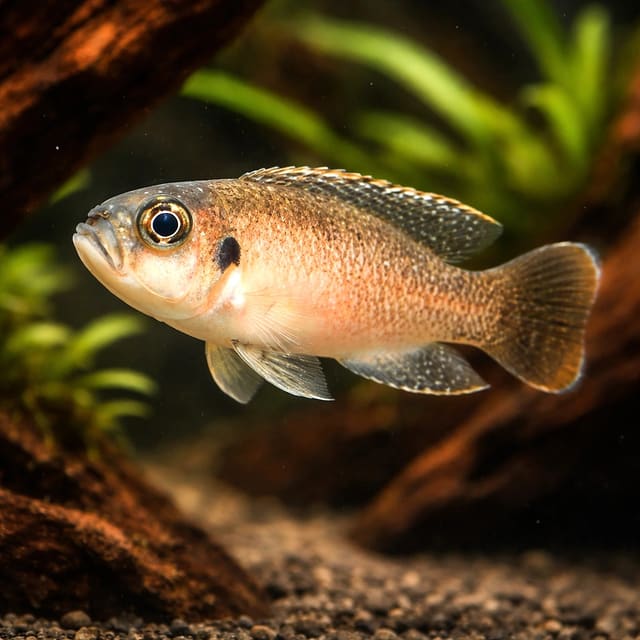
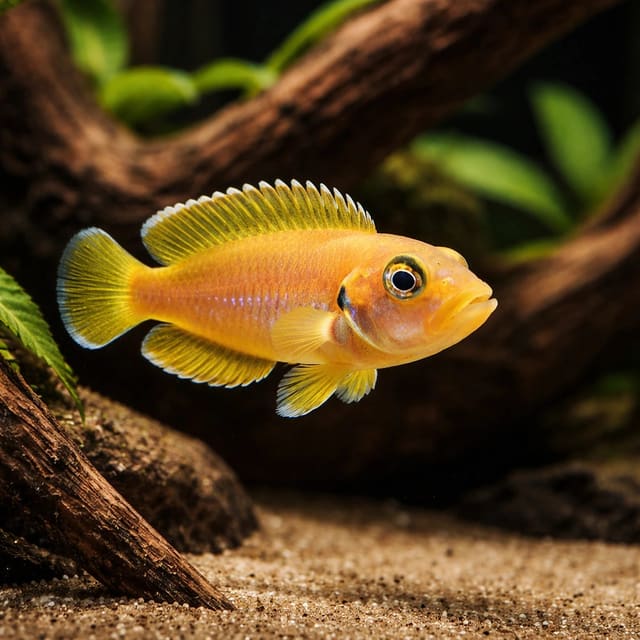
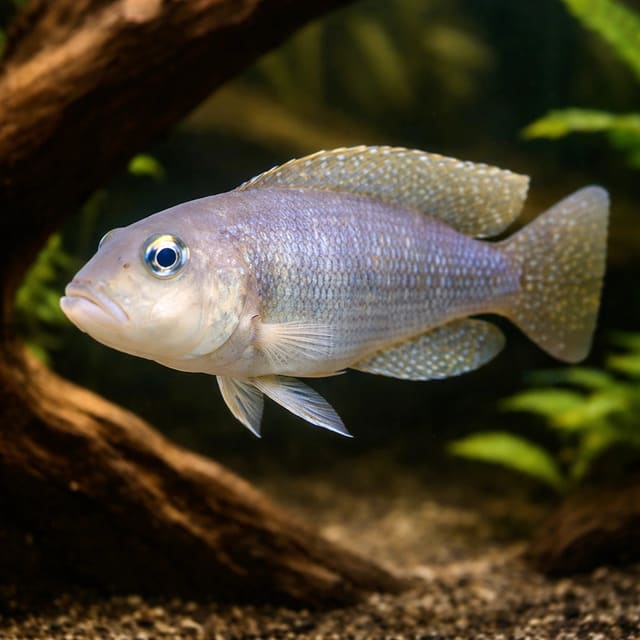
Meeli Shelldweller (Lamprologus meeli)
23–25°C · pH 8–8.6
£12.99
A striking Tanganyikan shell-dwelling cichlid with bold personality and fascinating breeding behavior. Moderate care, semi-aggressive. 24-27C, pH 7.5-8.5.
Adult size is the maximum length this species reaches at full maturity (scientific sources). The livestock you receive will be younger and smaller. Product-photo provenance and any image-specific limitations are stated on the listing.
Lamprologus furcifer
Save when buying multiple fish. Each quantity is one fish; sex and pair formation are not guaranteed unless the selected variant explicitly states them.
Confirm your email, then we’ll send an availability message for this exact item if it returns within 180 days.
This request is only for this product—no newsletter or other promotions. A mail-provider retry may very rarely duplicate the same availability message. Unconfirmed addresses are removed after 48 hours. See our privacy policy.
A striking Tanganyikan shell-dwelling cichlid with bold personality and fascinating breeding behavior. Moderate care, semi-aggressive. 24-27C, pH 7.5-8.5.
Adult size is the maximum length this species reaches at full maturity (scientific sources). The livestock you receive will be younger and smaller. Product-photo provenance and any image-specific limitations are stated on the listing.
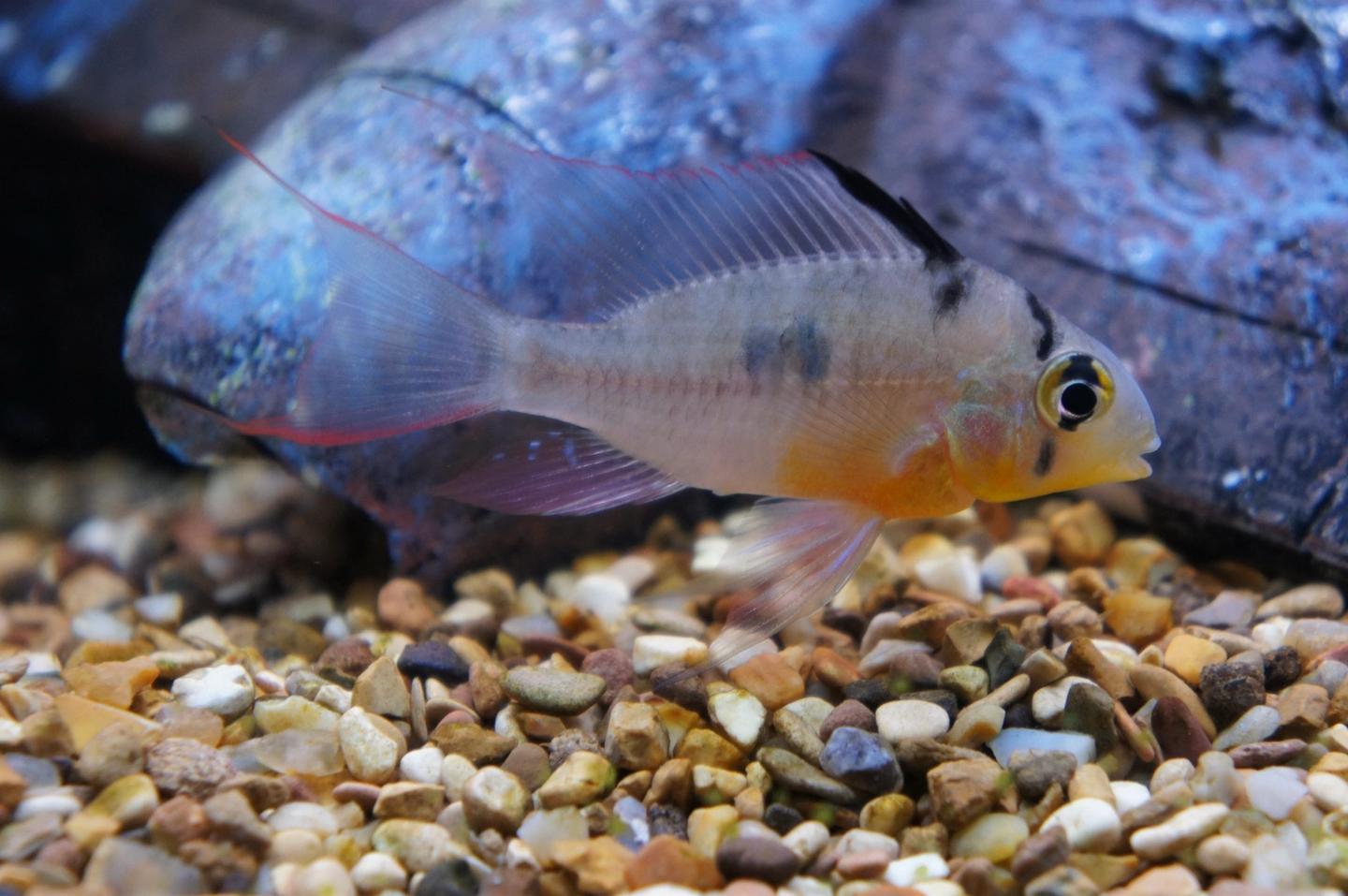
Cichlids are a family of roughly 1,800 accepted species, not one care type. Before buying, identify the exact species and source, then compare adult measurement, usable tank dimensions, social system, territory, tested water, diet and an exit plan. No family-wide minimum tank, water range or tank-mate list is safe.
Maintain these water conditions for optimal health and vibrant colors
The Lamprologus furcifer stands among Lake Tanganyika's most captivating shell-dwelling cichlids, offering aquarists a fascinating glimpse into specialized evolutionary adaptation. This compact species exemplifies the remarkable biodiversity of Africa's ancient rift lakes, where unique ecological niches have produced extraordinary behavioral diversity. Now available as freshwater fish for sale UK with expert guidance, this Tanganyikan shell-dweller brings remarkable breeding behavior and bold personality to specialist aquariums. Whether establishing a dedicated shell-dweller biotope or incorporating into a carefully planned Lake Tanganyika community, L. furcifer rewards knowledgeable keepers with captivating interaction and authentic African character. This rare aquarium fish UK represents the pinnacle of specialist fishkeeping.
Lamprologus furcifer displays the characteristically elongated body and large eyes typical of shell-dwelling Tanganyikan cichlids. Coloration varies with mood and breeding condition but generally features earthy browns and grays with subtle iridescence under proper lighting. Males develop slightly more intense coloration and marginally larger size compared to females, though sexual dimorphism remains subtle. The species reaches approximately 4.5cm in adult length, perfectly sized for shell-dwelling behavior. Finnage is well-proportioned with rounded pectorals and a distinctively forked caudal fin that gives the species its name. The large, forward-facing eyes provide excellent vision for navigating rocky terrain and shell territories. Body shape is compressed laterally, facilitating movement through tight spaces between rocks and shells. Healthy specimens display alert posture and active swimming behavior when not occupying shells.
Endemic to Lake Tanganyika, Lamprologus furcifer inhabits shallow rocky and shell-bed habitats where empty snail shells accumulate in sandy patches between rocks. These shells, primarily from the large Neothauma snail species, serve as portable homes and breeding sites. The lake's exceptional water clarity, extreme mineral content, and stable chemistry have shaped this species' physiology over millions of years of evolution. Natural habitat features bright lighting penetrating shallow waters, constant wave action providing oxygenation, and remarkably stable temperature year-round. The substrate consists of fine sand interspersed with shells and rock fragments. Wild populations occupy specific depth ranges where shell density is highest, forming loose colonies with complex territorial structures. This highly specialized habitat demands accurate replication for successful long-term maintenance in aquarium environments.
A minimum of 60 litres provides adequate space for a pair or small group, though larger volumes offer better territorial stability. The substrate must be fine sand 3-5cm deep, allowing shells to sit naturally and be moved by the fish. Provide abundant empty shells—escargot or apple snail shells work well—scattering them across the tank floor with clusters in corners. Include some rockwork creating boundaries and visual barriers, but ensure open sandy areas remain for shell territories. Lighting should be moderate to bright, replicating clear Tanganyikan conditions. Filtration must be excellent with high oxygenation; aim for 8-10 times tank volume turnover hourly. Use coral sand or Tanganyika salt mixes to maintain stable hard, alkaline water chemistry. Water changes must be consistent and generous to prevent parameter fluctuations. Avoid soft-water decorations and maintain pristine conditions as these fish prove sensitive to pollution.
This carnivorous species requires a protein-based diet reflecting its natural feeding on small invertebrates and zooplankton. High-quality sinking cichlid pellets should form the dietary foundation, supplemented regularly with frozen mysis shrimp, brine shrimp, cyclops, and daphnia. Live foods provide excellent enrichment—brine shrimp, small feeder shrimp, and insect larvae stimulate natural hunting behavior. Feed small portions twice daily, removing uneaten food promptly to prevent water quality deterioration. Avoid mammalian proteins and fatty foods which can cause digestive complications. The small mouth size requires appropriately sized food particles—crushed or micro pellets work better than large granules. Spirulina-based foods can be offered occasionally but should not dominate the diet. Variety ensures comprehensive nutrition and maintains optimal coloration and breeding condition. Observe feeding behavior carefully as subordinate individuals may struggle to compete in aggressive tank setups.
Lamprologus furcifer exhibits fascinating shell-dwelling behavior with individuals occupying and defending specific shells as permanent territories. The species displays semi-aggressive temperament particularly pronounced during breeding, when territorial defense intensifies dramatically. In appropriate conditions, multiple individuals can coexist with each fish claiming distinct shell territories. Males defend larger areas encompassing multiple shells, while females maintain tighter territories centered on single shells. Interaction between individuals involves displays, chase sequences, and occasional physical confrontation at territory boundaries. The species shows remarkable intelligence with complex spatial memory of shell locations and territory boundaries. Spawning pairs develop strong bonds with coordinated brood care and territory defense. Activity levels remain high during daylight hours with constant patrol and shell maintenance behavior. These fish physically manipulate shells, moving them into preferred positions and clearing sand from entrances.
Suitable companions include other peaceful to moderately aggressive Lake Tanganyika cichlids of similar size that occupy different ecological niches. Consider rock-dwelling species like smaller Julidochromis or Neolamprologus that maintain separate territories above the sand. Synodontis petricola or S. lucipinnis catfish make appropriate additions if the aquarium is sufficiently large. Avoid other shell-dwelling species unless tank size permits clear territorial separation. Small peaceful Tanganyikan species may face harassment, while extremely aggressive types disrupt the social balance. Soft-water community fish cannot tolerate the required alkalinity and should never be combined. Very small fish risk predation, particularly on fry or juveniles. Tank size becomes the critical limiting factor—larger volumes allow more diverse communities while smaller aquariums work best as species-only setups. The key to success lies in providing adequate shells and territories to prevent constant conflict over limited resources.
This species spawns exclusively in or near shells, with females depositing eggs inside empty shell cavities. Breeding pairs form naturally from compatible individuals, with courtship involving elaborate displays and shell inspection rituals. The female typically lays 20-40 eggs depending on size and condition, attaching them to the interior shell surface. Both parents exhibit parental care with clearly defined roles—the female remains inside or near the shell guarding eggs directly, while the male defends the broader territory. Eggs hatch within 2-3 days at appropriate temperatures, with fry becoming free-swimming after approximately one week. Initial fry foods include newly hatched brine shrimp, microworms, and powdered fry food. Fry remain under parental protection for several weeks, often with subsequent spawns occurring while previous broods still occupy the territory. Breeding success improves with stable water chemistry, adequate shell availability, and minimal disturbance. Many breeders maintain dedicated species tanks for optimal reproductive output.
Lamprologus furcifer proves sensitive to water quality deterioration and parameter instability. The primary health challenge involves maintaining appropriate hard, alkaline chemistry—soft acidic conditions cause stress and immune suppression. Bloat syndrome represents the most serious health threat, typically linked to dietary issues or nitrate accumulation. Prevention through proper feeding protocols and rigorous water changes proves far more effective than treatment. These fish cannot tolerate copper-based medications, requiring alternative approaches for parasite control. Territorial aggression can escalate in undersized aquariums or with insufficient shell territories, causing chronic stress and physical injury. Ensure excellent oxygenation as Tanganyikan species evolved in highly oxygenated environments and suffer in stagnant conditions. Regular observation reveals behavioral changes indicating problems before visible symptoms appear. Shell availability directly impacts stress levels—insufficient shells trigger constant conflict and prevent normal breeding behavior. Despite relatively small adult size, these fish require adequate swimming space and proper aquarium volume for long-term health.
Tropical Fish Co specializes in authentic Lake Tanganyika cichlids with particular expertise in rare shell-dwelling species. Our Lamprologus furcifer specimens arrive from responsible suppliers who understand proper handling of sensitive Tanganyikan fish. Each individual undergoes comprehensive health screening and quarantine before being offered for sale, ensuring you receive robust, disease-free specimens. We provide detailed biotope setup guidance including shell selection, substrate choice, and water chemistry management tailored specifically to shell-dwelling species' requirements. Our packaging employs specialist techniques for safe transport of small cichlids, with insulated containers and optimized oxygen levels ensuring excellent arrival condition. As dedicated aquarium specialists, we understand the complexities of Tanganyikan biotopes and offer ongoing expert support as you develop your collection. When you buy cichlids online UK from Tropical Fish Co, you receive not just fish but comprehensive knowledge enabling long-term success with these remarkable evolutionary specialists. Our commitment to quality and expertise makes us the preferred choice for serious African cichlid enthusiasts throughout the UK.
No reviews for this item yet. Bought one? Honest reviews only, good or bad.
What customers say about ordering from us
Easy website plenty of info on fish your buying great to pick a time slot
TRACEY DURRANT · 7 Oct 2026
Got some lovely fish thank you
Kevin Mackie · 7 Oct 2026
Reviews of our shop, collected by Judge.me, an independent third-party review collector. Newest first.