−14%
Advanced
Six-Bar Cichlid (Lamprologus sexfasciatus)
23–27°C · pH 7.5–9 · 110L
£19.77£22.99
A striking, peaceful Tanganyika sand-dweller that rewards expert keepers with fascinating courtship and mouthbrooding behavior. Expert care, peaceful. 24-28C, pH 7.8-9.0.
Enantiopus melanogenis
Save when buying more.
Confirm your email, then we’ll send an availability message for this exact item if it returns within 180 days.
This request is only for this product—no newsletter or other promotions. A mail-provider retry may very rarely duplicate the same availability message. Unconfirmed addresses are removed after 48 hours. See our privacy policy.
A striking, peaceful Tanganyika sand-dweller that rewards expert keepers with fascinating courtship and mouthbrooding behavior. Expert care, peaceful. 24-28C, pH 7.8-9.0.
Maintain these water conditions for optimal health and vibrant colors
Enantiopus melanogenis ranks among Lake Tanganyika's most elegant sand-dwelling cichlids, offering advanced aquarists a rewarding challenge and spectacular display potential. This expert-level species exemplifies the remarkable adaptations found in Africa's ancient rift lakes, where specialized feeding strategies and breeding behaviors have evolved over millions of years. Now available as freshwater fish for sale UK with specialist guidance, these graceful sand-dwellers bring sophisticated beauty and fascinating mouthbrooding behavior to properly equipped aquariums. Whether establishing a dedicated Tanganyikan biotope or advancing your African cichlid expertise, E. melanogenis rewards patient, knowledgeable keepers with extraordinary courtship displays and authentic lake character. This rare cichlid UK represents the pinnacle of specialist fishkeeping for those ready to meet its demanding requirements.
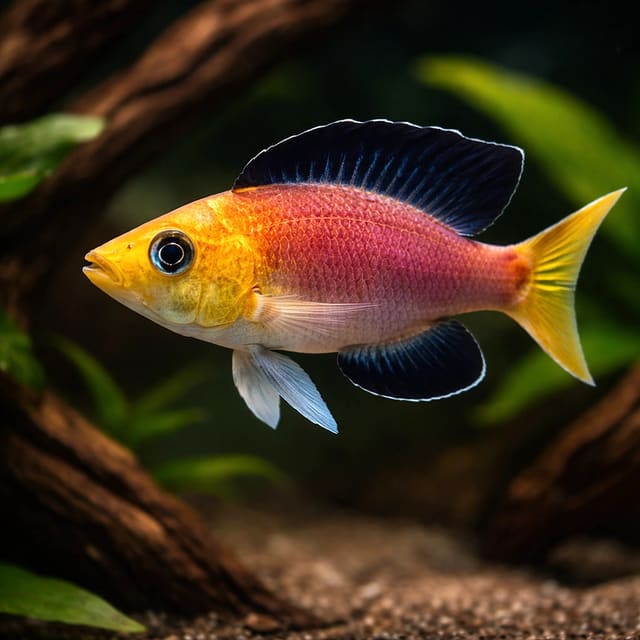
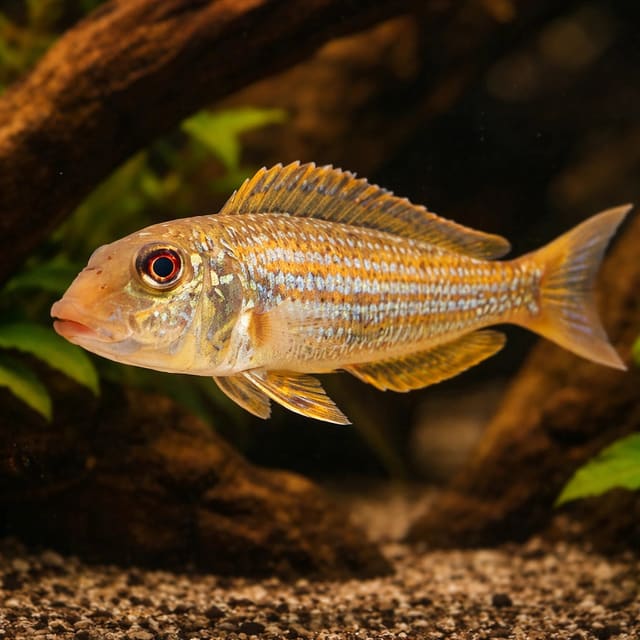
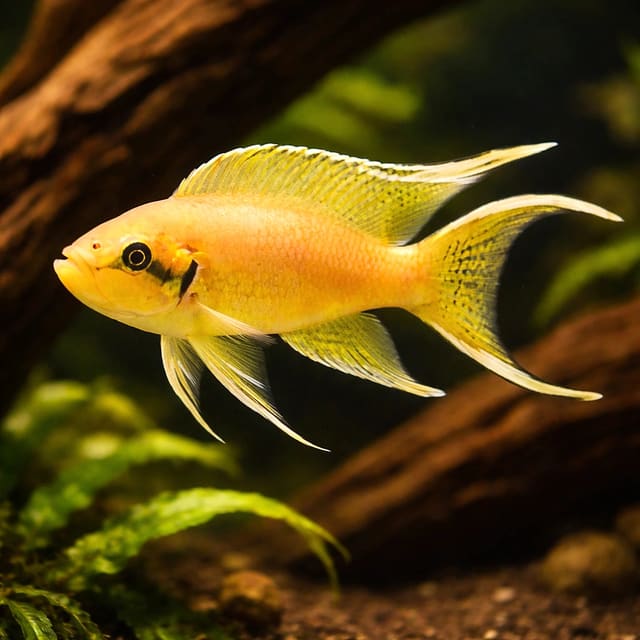
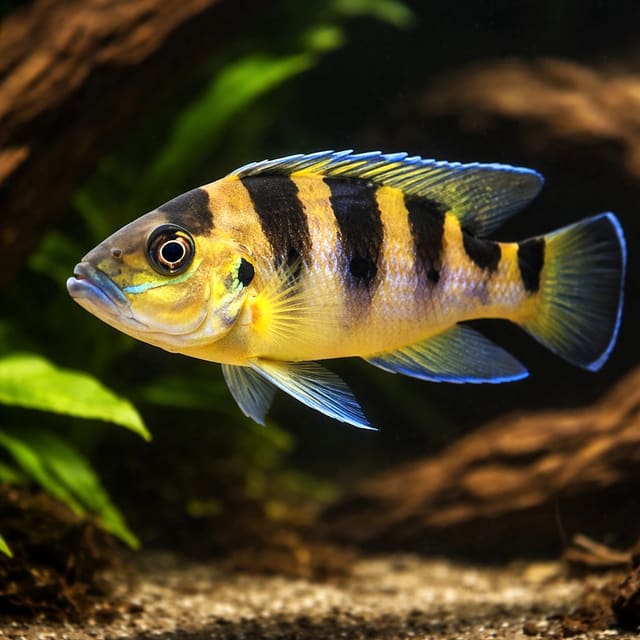
Enantiopus melanogenis displays the characteristic elongated, streamlined body shape of Tanganyikan sand-dwelling cichlids. Coloration features subtle elegance with silvery-gray base tones overlaid with delicate vertical bars that intensify during breeding periods. Males develop more pronounced coloration and distinctive black patterning on the face and gill covers—the characteristic that gives the species its "melanogenis" name meaning "black-cheeked." Adult size reaches approximately 15cm, making this a medium-sized Tanganyikan species requiring substantial aquarium volume. Finnage is well-proportioned with extended dorsal and anal fins that males display prominently during courtship. The large eyes provide excellent vision for detecting potential predators and rival males across open sandy substrates. Body shape remains compressed laterally with a pointed snout adapted for picking small invertebrates from sand. Breeding males exhibit intensified coloration with metallic sheens visible under proper lighting conditions.
Endemic to Lake Tanganyika throughout much of its range, Enantiopus melanogenis inhabits open sandy substrates at intermediate depths where sediment accumulates between rocky areas. The natural environment features expansive sand plains with minimal structure, creating vulnerability to predation that shapes the species' nervous temperament and group-living strategy. Water conditions remain exceptionally stable with hard, alkaline chemistry far exceeding typical freshwater parameters. Crystal-clear water allows deep light penetration while constant wave action ensures high oxygenation. Wild populations form loose aggregations over preferred feeding grounds, with males establishing temporary display territories during breeding periods. The substrate consists of fine white or light-colored sand that reflects light upward. This specialized habitat—combining openness with specific water chemistry and substrate type—demands accurate replication for successful long-term aquarium maintenance of this challenging species.
A minimum of 200 litres is essential, with larger volumes strongly preferred for maintaining stable groups. The aquarium must feature expansive open sandy areas as the primary focus—use fine coral sand or specialized Tanganyika substrate 5-7cm deep. Avoid excessive rockwork which disrupts the open-water character these fish require, though some background rock structures provide security. Lighting should be bright, replicating the clear Tanganyikan waters these fish evolved within. Filtration must be exceptional with very high oxygenation—aim for 10-12 times tank volume turnover hourly using powerful external canister filters. Water quality standards are extremely strict as this species shows zero tolerance for ammonia, nitrite, or elevated nitrates. Perform generous weekly water changes using remineralized RO water or quality Tanganyika salt mixes. Maintain pristine substrate cleanliness through regular vacuuming. The aquarium should prioritize swimming space and water quality over decorative elements, creating an authentic sand-plain biotope.
This carnivorous species feeds primarily on small invertebrates and zooplankton in nature, requiring varied protein-rich foods in aquarium settings. High-quality sinking cichlid pellets formulated for carnivorous African species should form the dietary foundation. Supplement extensively with frozen foods including mysis shrimp, brine shrimp, cyclops, daphnia, and occasionally bloodworms. Live foods provide excellent enrichment and stimulate natural foraging behavior—newly hatched brine shrimp, small feeder shrimp, and various live zooplankton are ideal. Feed small portions 2-3 times daily rather than single large meals, distributing food across the sandy areas to encourage natural foraging. Remove uneaten food promptly to prevent water quality deterioration. Avoid mammalian proteins and fatty foods which cause digestive complications. The species exhibits natural feeding behavior of "sand-sifting," taking mouthfuls of substrate to extract food items. Ensure comprehensive nutrition through variety, maintaining optimal body condition and supporting the energetic demands of breeding behavior.
Enantiopus melanogenis exhibits peaceful temperament unusual among cichlids, with social structure based on group living rather than aggressive territoriality. Wild populations form loose aggregations, and aquarium specimens thrive when maintained in groups. Males establish temporary display territories during breeding periods, performing elaborate courtship dances to attract females. This species displays nervous temperament with quick movements and heightened alertness—a natural adaptation to predation risk in open sandy habitats. Activity levels remain moderate with periods of active swimming interspersed with resting phases. Interaction between males involves displays and parallel swimming rather than physical aggression. Females form loose groups, moving across sandy areas in coordinated patterns. The species shows relatively low aggression compared to rock-dwelling Tanganyikan cichlids, making tank mate selection easier but requiring carefully chosen companions that won't harass these peaceful fish. Breeding behavior involves spectacular courtship with males displaying intensified coloration and performing complex movements to attract mouthbrooding females.
Suitable companions include other peaceful Lake Tanganyika cichlids of similar size and temperament requirements. Consider other sand-dwelling species like Xenotilapia or peaceful Cyprichromis that occupy open water zones. Synodontis catfish from Lake Tanganyika can work in sufficiently large aquariums, providing they are not overly boisterous. Avoid aggressive rock-dwelling species that will constantly harass the peaceful Enantiopus. Small shell-dwelling cichlids occupy different ecological niches and may coexist in very large aquariums with proper structure. Soft-water community species cannot tolerate the required extreme alkalinity and hardness. Fast, boisterous fish cause chronic stress in this naturally nervous species. Very small fish risk predation, particularly if Enantiopus feels threatened and exhibits defensive feeding. The key to successful community building lies in selecting exclusively peaceful Tanganyikan species while providing ample swimming space and maintaining pristine water quality. Many specialists recommend species-only tanks for optimal breeding results and stress reduction.
Enantiopus melanogenis is a maternal mouthbrooder with elaborate courtship behavior. Males establish temporary breeding territories on sandy substrate, performing spectacular displays involving quivering movements, fin displays, and color intensification. Females select mates based on display quality and male condition. After spawning, females collect eggs immediately into the mouth where fertilization occurs. The female then incubates 20-40 eggs for approximately 3 weeks, during which she does not feed. Provide low-disturbance conditions during the mouthbrooding period as stress can cause premature release of eggs or fry. Fry emerge as well-developed juveniles capable of accepting newly hatched brine shrimp immediately. Successful breeding requires group dynamics with multiple females and competing males, ample sandy territory for display sites, and exceptionally stable water chemistry. Separate breeding tanks often produce better results by eliminating predation risk and allowing focused care. The species can breed every 4-6 weeks under optimal conditions, though this intensive schedule may stress females if allowed to continue without rest periods.
This expert-level species proves extremely sensitive to water quality issues and parameter instability. The primary health challenge involves maintaining appropriately hard, highly alkaline water—any deviation toward neutral or acidic conditions causes severe stress and immune suppression. Bloat syndrome represents the most serious threat, often fatal if not caught early. Prevention through impeccable water quality and proper feeding far exceeds treatment options. These fish cannot tolerate copper-based medications, requiring alternative parasite treatments. The nervous temperament means chronic stress from inappropriate tank mates or setup can cause gradual health decline without obvious symptoms. Nitrate sensitivity demands exceptional filtration and generous water changes—levels tolerable for rock-dwelling species can prove harmful to sand-dwellers. Substrate quality matters significantly—rough or dirty sand can damage the delicate mouth tissues during natural feeding behavior. Despite peaceful temperament, these fish require substantial swimming space and become stressed in cramped conditions. Expert aquarists willing to meet demanding requirements will find this species highly rewarding, but beginners should gain experience with hardier Tanganyikan species first.
Tropical Fish Co specializes in authentic Lake Tanganyika cichlids with particular expertise in challenging sand-dwelling species. Our Enantiopus melanogenis specimens are sourced exclusively from suppliers who understand proper handling of sensitive, nervous Tanganyikan fish. Each specimen undergoes extended quarantine with careful health monitoring, ensuring only robust individuals are offered to our expert clientele. We provide comprehensive biotope guidance including substrate selection, water chemistry management, and community planning tailored specifically to sand-dwelling species' requirements. Our specialist knowledge helps you avoid common pitfalls that prove fatal to these demanding cichlids. Packaging employs advanced techniques for safe transport of delicate species, with insulated containers, optimized oxygen levels, and stress-reducing preparations ensuring excellent arrival condition. As dedicated aquarium specialists serving serious hobbyists, we understand the complexities of advanced Tanganyikan biotopes and maintain ongoing relationships with customers, providing support throughout your fishkeeping journey. When you buy cichlids online UK from Tropical Fish Co, you receive not just fish but access to decades of combined expertise. Our commitment to quality over volume makes us the natural choice for advanced aquarists seeking the finest Lake Tanganyika species available in the UK market.
No reviews for this item yet. Bought one? Honest reviews only, good or bad.
What customers say about ordering from us
Easy website plenty of info on fish your buying great to pick a time slot
TRACEY DURRANT · 7 Oct 2026
Got some lovely fish thank you
Kevin Mackie · 7 Oct 2026
Reviews of our shop, collected by Judge.me, an independent third-party review collector. Newest first.