−10%
Moderate
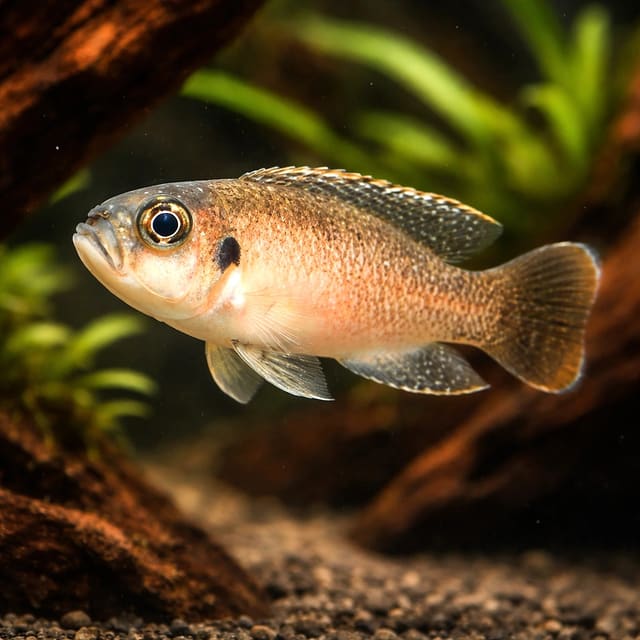
Gold Head Compressiceps (Altolamprologus compressiceps)
24–28°C · pH 8–9 · 243L
£17.99£19.99
A rare and fascinating Tanganyikan goby cichlid that thrives in hard, alkaline water and makes a striking specialist display fish. Difficult care, semi-aggressive. 24-27C, pH 7.5-8.5.
Adult size is the maximum length this species reaches at full maturity (scientific sources). The livestock you receive will be younger and smaller. Product-photo provenance and any image-specific limitations are stated on the listing.
Spathodus ehrytrodon
Save when buying multiple fish. Each quantity is one fish; sex and pair formation are not guaranteed unless the selected variant explicitly states them.
Confirm your email, then we’ll send an availability message for this exact item if it returns within 180 days.
This request is only for this product—no newsletter or other promotions. A mail-provider retry may very rarely duplicate the same availability message. Unconfirmed addresses are removed after 48 hours. See our privacy policy.
A rare and fascinating Tanganyikan goby cichlid that thrives in hard, alkaline water and makes a striking specialist display fish. Difficult care, semi-aggressive. 24-27C, pH 7.5-8.5.
Adult size is the maximum length this species reaches at full maturity (scientific sources). The livestock you receive will be younger and smaller. Product-photo provenance and any image-specific limitations are stated on the listing.
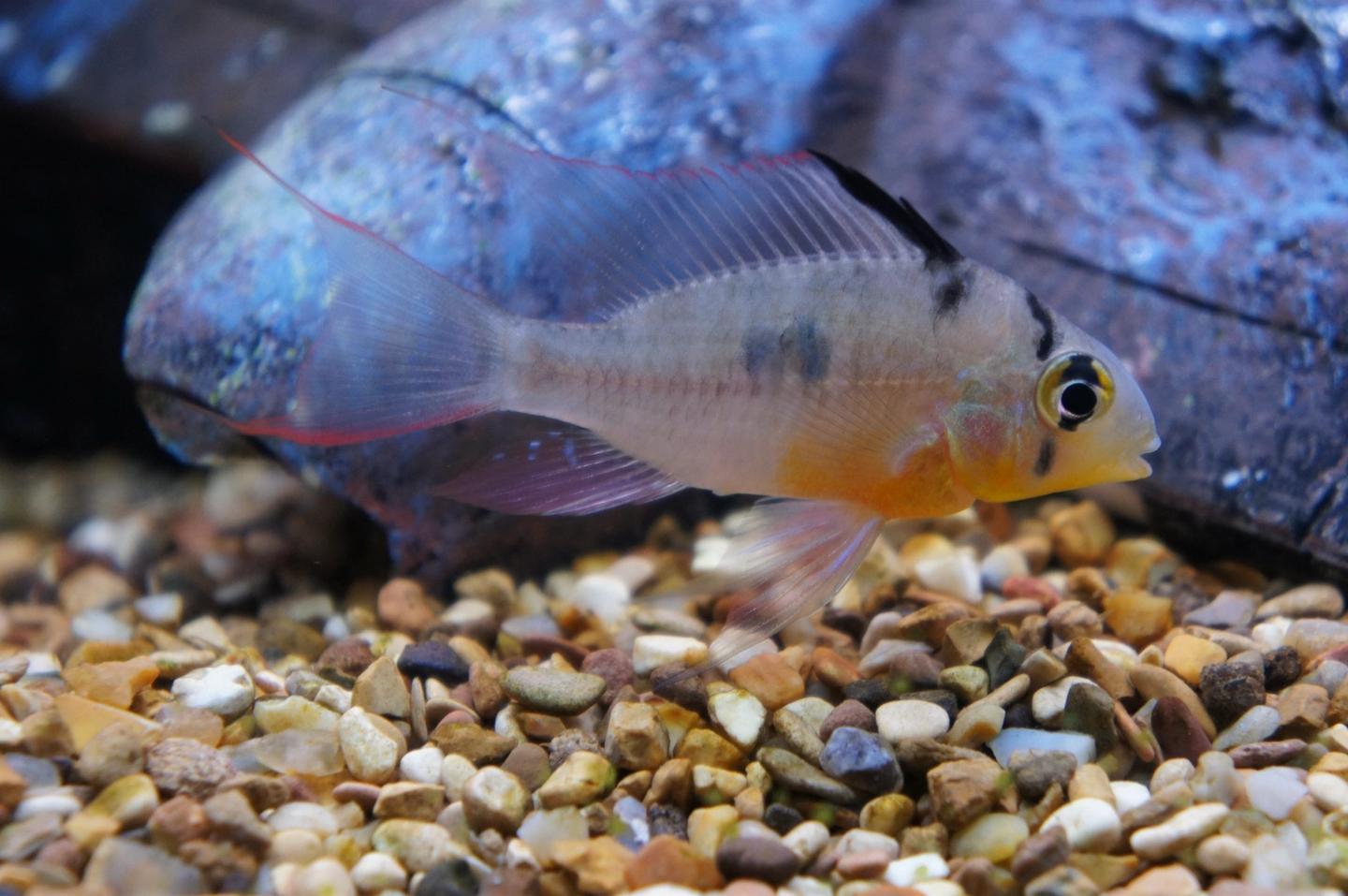
Cichlids are a family of roughly 1,800 accepted species, not one care type. Before buying, identify the exact species and source, then compare adult measurement, usable tank dimensions, social system, territory, tested water, diet and an exit plan. No family-wide minimum tank, water range or tank-mate list is safe.
Maintain these water conditions for optimal health and vibrant colors
The lake tanganyika cichlid Spathodus erythrodon is one of the most intriguing micro-predators from Africa's ancient rift lakes, offering experienced aquarists a rare glimpse into specialist Tanganyikan ecology. This diminutive goby-like cichlid, reaching just 3.5cm at maturity, is a fascinating algal grazer and substrate browser found along the rocky shorelines of Lake Tanganyika. With its subtle earth-toned coloration punctuated by delicate markings, it may not be the showiest fish, but its behaviour and niche requirements make it a rewarding specialist species for advanced keepers. Available for sale UK through specialist stockists, this rare gem demands hard, alkaline water and a carefully planned biotope aquarium to thrive.
Spathodus erythrodon displays a streamlined, goby-like body form ideally suited to life among rocks and in swift currents. The species exhibits muted browns and greys with faint vertical banding that aids camouflage against algae-covered substrates. Mature individuals may show subtle iridescent highlights along the flanks and gill covers. The fins are generally clear to slightly tinted, with the dorsal and anal fins extending gracefully along the body. Sexual dimorphism is slight, though males may develop more pronounced finnage and slightly more vivid coloration during breeding periods.
This cichlid is endemic to Lake Tanganyika in East Africa, where it inhabits rocky shorelines and shallow boulder fields rich in epilithic algae. The lake's ancient, stable chemistry—characterised by hard, alkaline water and high mineral content—shapes every aspect of the species' biology. Spathodus erythrodon is found in areas with moderate to strong water movement, where it grazes biofilm, aufwuchs, and tiny invertebrates from rock surfaces. Understanding this highly specialised habitat is essential for replicating appropriate conditions in captivity.
A minimum 100-litre aquarium is recommended, though larger is better for maintaining stable water chemistry and accommodating conspecifics. Construct the aquascape using plenty of Tanganyikan-style rockwork to create caves, crevices, and grazing surfaces. Use coral sand or crushed coral substrate to buffer pH naturally. Strong water movement from powerheads or high-flow filtration mimics the cichlid's natural environment and aids oxygenation. Subdued lighting encourages natural behaviour, though algae growth on rocks provides essential grazing opportunities. Avoid soft-water plants; instead, focus on hardscape and biofilm development.
Spathodus erythrodon is unforgiving of water chemistry outside its natural range. Maintain temperatures between 24-27°C and pH from 7.5-8.5, with hardness levels in the high range typical of East African rift lakes. Excellent filtration is non-negotiable; this species is highly sensitive to nitrate accumulation and poor oxygenation. Perform regular partial water changes with appropriately buffered water, and monitor parameters closely. Any deviation toward soft or acidic conditions will stress the fish and compromise immunity.
This omnivore with algal-grazing tendencies requires a varied, high-quality diet. Offer spirulina-based flakes or micro-pellets as a staple, supplemented with small live or frozen foods such as baby brine shrimp, daphnia, cyclops, and finely chopped mysis. Encourage natural grazing by allowing algae and biofilm to develop on rockwork. Avoid large, oily foods or excessive animal protein, which can lead to digestive issues. Feed small amounts multiple times daily to mimic natural browsing behaviour.
Spathodus erythrodon is a shy, bottom-dwelling species that spends much of its time grazing rock surfaces and exploring crevices. It is semi-aggressive, particularly toward conspecifics or similar-sized Tanganyikan cichlids, but not outwardly hostile in a well-structured environment. Territorial disputes are usually resolved through displays rather than physical confrontation, provided adequate rockwork breaks sightlines. This cichlid is most active during dawn and dusk, often retreating to shelter during bright lighting.
Best kept with other small to medium-sized Tanganyikan cichlids that share similar water requirements and temperament. Suitable companions include certain shell-dwellers, Julidochromis species, or peaceful Cyprichromis if the tank is large enough. Avoid large aggressive cichlids, fast boisterous community fish, soft-water species, fin-nippers, and overly territorial bottom dwellers. The key is to ensure all inhabitants thrive in hard, alkaline water and that the aquascape provides ample refuges.
Breeding Spathodus erythrodon in captivity is challenging but achievable in a dedicated biotope setup. The species is a substrate spawner with biparental care. Provide flat or slightly concave rock surfaces in sheltered areas for egg deposition. Maintain pristine water quality and stable alkaline parameters to encourage spawning. Once eggs are laid, both parents may guard the site, though the female typically takes the lead. Fry are tiny and require infusoria or liquid fry food initially, graduating to newly hatched brine shrimp as they grow.
Tropical Fish Co is the UK's trusted source for rare and specialist cichlids, including hard-to-find Tanganyikan species like Spathodus erythrodon. Every fish is carefully selected, quarantined, and health-checked to ensure it arrives in peak condition. Our expert team provides tailored advice on water chemistry, aquascaping, and care requirements for even the most demanding species. With secure nationwide delivery, comprehensive online resources, and a commitment to sustainable sourcing, we make it easy for advanced aquarists to build authentic African biotope aquariums. Choose Tropical Fish Co for specialist livestock and unparalleled customer support.
No reviews for this item yet. Bought one? Honest reviews only, good or bad.
What customers say about ordering from us
Easy website plenty of info on fish your buying great to pick a time slot
TRACEY DURRANT · 7 Oct 2026
Got some lovely fish thank you
Kevin Mackie · 7 Oct 2026
Reviews of our shop, collected by Judge.me, an independent third-party review collector. Newest first.