Dwarf Shell-Dweller, Brevis (Lamprologus brevis)
23–25°C · pH 8–8.6 · 40L
£13.99
A tiny, fascinating Lake Tanganyika shell-dweller that brings unique behavior and breeding activity to a compact cichlid setup. Moderate care, semi-aggressive. 23-26C, pH 7.5-8.5.
Adult size is the maximum length this species reaches at full maturity (scientific sources). The livestock you receive will be younger and smaller — pick a size above for the actual shipping size. Product-photo provenance and any image-specific limitations are stated on the listing.
Lamprologus similis
Save when buying multiple fish. Each quantity is one fish; sex and pair formation are not guaranteed unless the selected variant explicitly states them.
Confirm your email, then we’ll send an availability message for this exact item if it returns within 180 days.
This request is only for this product—no newsletter or other promotions. A mail-provider retry may very rarely duplicate the same availability message. Unconfirmed addresses are removed after 48 hours. See our privacy policy.
A tiny, fascinating Lake Tanganyika shell-dweller that brings unique behavior and breeding activity to a compact cichlid setup. Moderate care, semi-aggressive. 23-26C, pH 7.5-8.5.
Adult size is the maximum length this species reaches at full maturity (scientific sources). The livestock you receive will be younger and smaller — pick a size above for the actual shipping size. Product-photo provenance and any image-specific limitations are stated on the listing.
Cichlids are a family of roughly 1,800 accepted species, not one care type. Before buying, identify the exact species and source, then compare adult measurement, usable tank dimensions, social system, territory, tested water, diet and an exit plan. No family-wide minimum tank, water range or tank-mate list is safe.
Maintain these water conditions for optimal health and vibrant colors
Small aquarium fish enthusiasts seeking a fascinating micro-cichlid will find Lamprologus similis, commonly known as the similis cichlid or gold head shell dweller, an ideal choice for Lake Tanganyika biotope aquariums. This tiny species is endemic to Lake Tanganyika in East Africa, where it inhabits sandy substrates with scattered empty snail shells. Available for sale UK in sizes from 2.5-4cm, the species reaches only 4.5cm at maturity, making it one of the smallest cichlids suitable for nano aquariums with appropriate water chemistry. Semi-aggressive temperament within a highly specialized lifestyle, fascinating shell-dwelling behavior, and reliable breeding in captivity appeal to aquarists with experience maintaining Tanganyikan species. Moderate care level suits those familiar with hard alkaline water conditions.
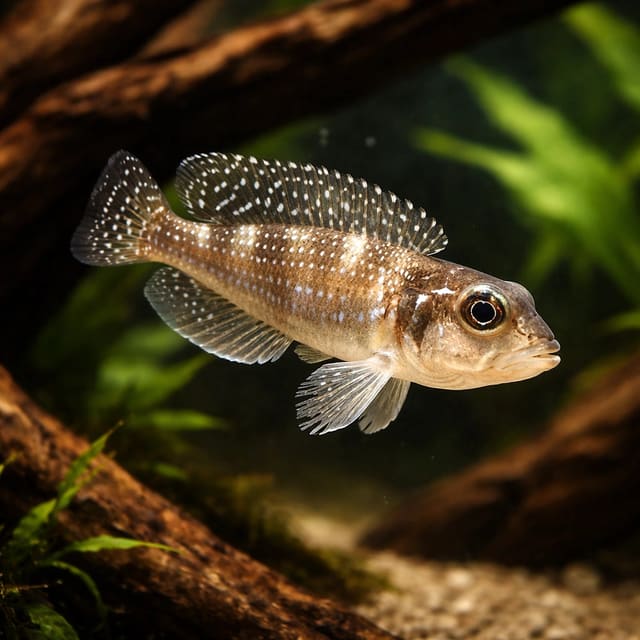
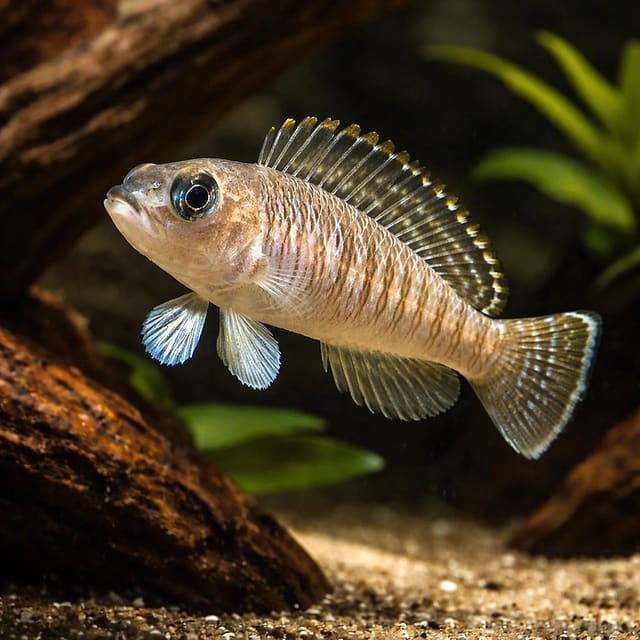
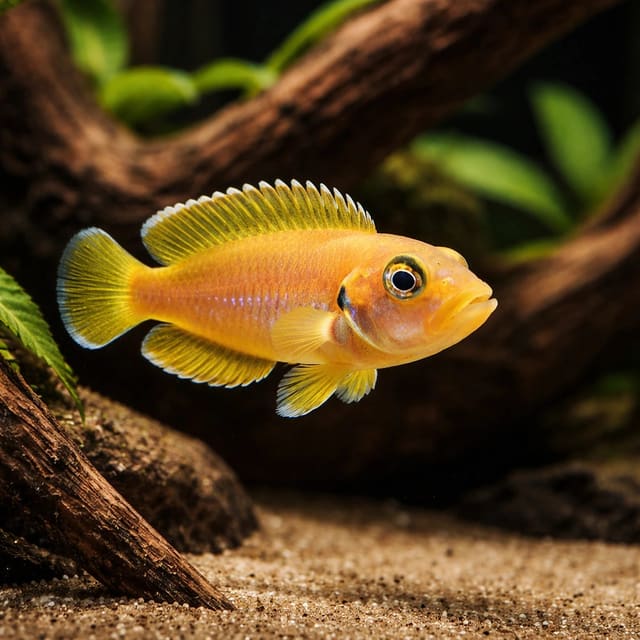
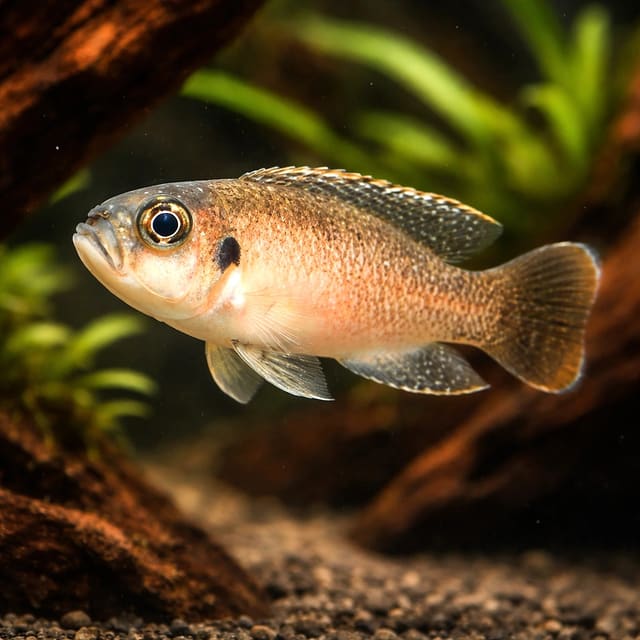
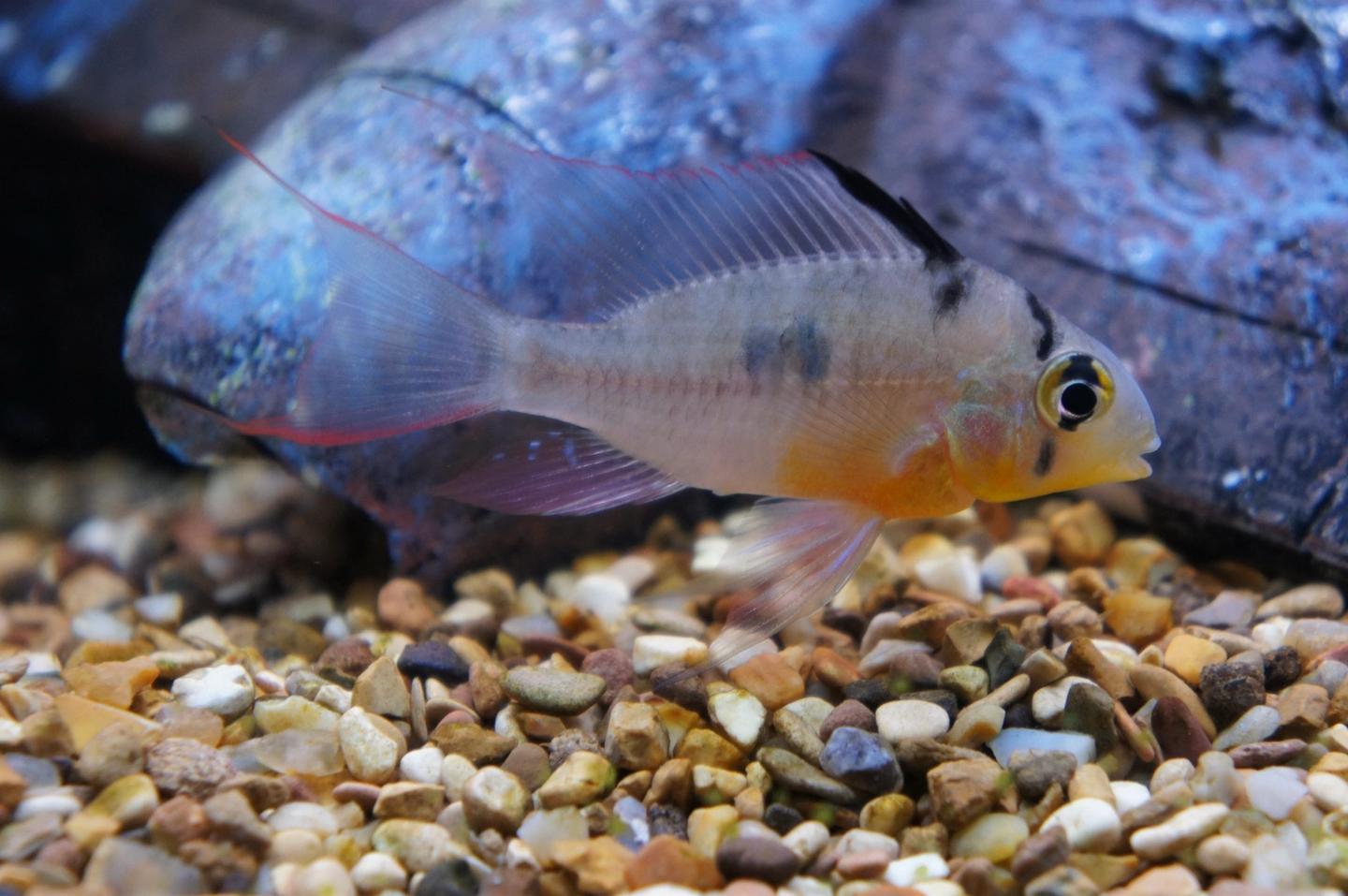
Lamprologus similis displays a compact, streamlined body with attractive patterning. Coloration typically includes cream, tan, or pale brown base tones with dark horizontal stripes or bands running along the flanks. The head often shows golden or yellow highlights, particularly in mature specimens, giving rise to the "gold head" common name. Males develop slightly larger size and more intense coloration than females, especially during breeding condition. The fins are delicate and semi-transparent with subtle patterning. Eyes are proportionally large and expressive. Overall appearance is refined and attractive, particularly when multiple individuals are observed interacting around their shell territories. Coloration intensifies in stable, well-maintained water with appropriate diet and low stress.
This species is endemic to Lake Tanganyika, inhabiting sandy or muddy substrates scattered with empty snail shells at depths ranging from shallow shorelines to moderate depths. Water conditions are highly stable year-round: hard, alkaline (pH 7.8-9.0), warm (23-27°C), and extremely well-oxygenated. The shells provide essential shelter, spawning sites, and territories for these tiny cichlids. Lamprologus similis lives in loose colonies, with each individual or pair claiming and defending one or more shells. The species forages around shells for small invertebrates, zooplankton, insect larvae, and organic particles. Lake Tanganyika's unique chemistry and biodiversity create one of the most specialized ecosystems in the freshwater aquarium hobby.
A minimum 60-litre aquarium with a footprint emphasizing length provides suitable housing for a small group or harem (one male with multiple females) of Lamprologus similis. Use fine sand substrate—3-5cm depth minimum—and scatter multiple empty snail shells (escargot shells work perfectly) across the substrate, providing at least 2-3 shells per fish. Arrange shells with openings facing different directions to reduce conflict and allow fish to claim individual territories. Include some smooth rocks or slate for additional visual barriers, but ensure the tank remains predominantly open sand with shells. Maintain excellent water quality with efficient filtration and moderate water movement. Moderate lighting suits the species. Ensure the tank is well-covered, as Tanganyikan cichlids occasionally jump when startled.
Expert Tip: Provide more shells than fish and space them strategically across the tank. Overcrowding shells or insufficient numbers cause chronic territorial aggression and stress, particularly among males.
Maintaining proper water chemistry is critical for Lamprologus similis. Keep temperatures between 23-26°C, with 24-25°C representing optimal conditions. pH must remain between 7.5-8.5, with values around 8.0-8.2 ideal to replicate Lake Tanganyika's alkaline conditions. Water hardness should be moderately hard to very hard (10-20 dGH), with high carbonate hardness (KH) essential for pH stability. Ammonia and nitrite must be undetectable, while nitrates should stay below 30 ppm through efficient biological filtration and weekly water changes of 25-30%. Use Tanganyikan salts or buffer additives to maintain proper mineral content and pH. Avoid soft, acidic water, which stresses the fish and causes health decline. Stability is paramount—abrupt changes in pH or hardness can shock or kill Tanganyikan cichlids.
Lamprologus similis is carnivorous, requiring a diet of small meaty foods. Offer quality frozen or live brine shrimp, daphnia, cyclops, baby brine shrimp, and finely chopped mysis shrimp. High-quality small cichlid micro-pellets designed for shell dwellers can form part of the diet once the fish are acclimated. Feed small portions once daily in amounts consumed within 1-2 minutes. Avoid overfeeding, as excess food degrades water quality rapidly in the confined spaces around shells. A varied diet supports healthy growth, vibrant coloration, and successful breeding. Ensure food is appropriately sized for the species' tiny mouth—large pellets or chunks will be ignored.
Lamprologus similis is semi-aggressive and highly territorial around shells. Each individual or pair claims one or more shells, defending them vigorously from intruders. Males display more intense territoriality, especially during breeding, and may patrol a small area containing multiple shells or females. Females remain more cryptic, spending much time inside shells. The species frequently rearranges shells by pushing them with its body, creating preferred orientations or moving shells closer together or farther apart. Activity levels are moderate, with fish alternating between patrolling territories and hiding inside shells. Courtship involves males displaying intensified coloration and performing rapid swimming around females' shells. The species is intelligent and quickly learns feeding routines, often emerging from shells when food is offered.
Selecting tankmates for Lamprologus similis requires caution due to the species' small size and territorial nature. Best results come from species-only setups or housing with other carefully chosen small Tanganyikan cichlids in substantially larger aquariums (150+ litres) with well-separated territories. Avoid mixing with other shell-dwellers in small tanks, as competition for shells causes chronic aggression and stress. Larger, non-aggressive Tanganyikan cichlids may coexist if the tank is spacious and territories are clearly defined. Absolutely avoid large or boisterous cichlids, aggressive species, fin-nippers, predatory fish, or any tankmate large enough to consume the tiny similis cichlids. In practice, dedicated shell-dweller aquariums showcasing a single species or carefully paired compatible Tanganyikan species yield the best results.
Lamprologus similis is a cave and shell spawner that breeds readily in hard, alkaline water with appropriate setup. Provide multiple empty snail shells per fish, allowing pairs to establish territories. Females deposit 10-30 eggs inside a shell, after which she guards the eggs and emerging fry. Males patrol the area but do not enter the shell. Eggs hatch in 2-3 days, and fry become free-swimming within a week. Fry initially remain near the shell, gradually venturing further as they grow. Feed fry finely powdered foods, newly hatched brine shrimp, or liquid fry food. In stable conditions with low stress, females may spawn every 3-4 weeks. Breeding success depends on stable water chemistry, adequate shells, and appropriate male-to-female ratios (one male with 2-3 females reduces harassment).
Tropical Fish Co supplies healthy, active Lamprologus similis specimens carefully selected for vibrant coloration and strong territorial behavior. We ensure all fish are feeding confidently on prepared foods and displaying normal shell-dwelling behavior before dispatch. Our expert team provides comprehensive care guidance covering the critical importance of hard alkaline water, sand substrate, shell provision, and breeding tips. With reliable UK delivery using specialist livestock couriers, your cichlids arrive safely in insulated packaging with oxygen. We support specialist Tanganyikan fishkeeping and offer ongoing advice to help you succeed with this fascinating dwarf shell dweller. Choose Tropical Fish Co for quality African cichlids and expert customer support.
No reviews for this item yet. Bought one? Honest reviews only, good or bad.
What customers say about ordering from us
Easy website plenty of info on fish your buying great to pick a time slot
TRACEY DURRANT · 7 Oct 2026
Got some lovely fish thank you
Kevin Mackie · 7 Oct 2026
Reviews of our shop, collected by Judge.me, an independent third-party review collector. Newest first.