−10%
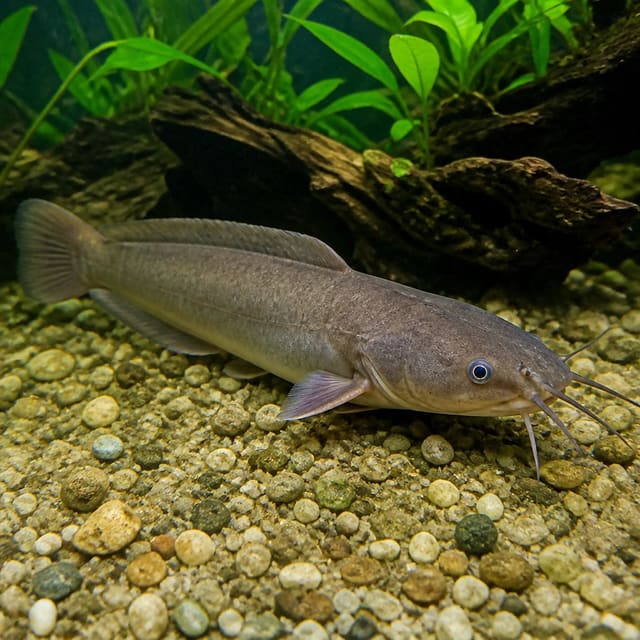
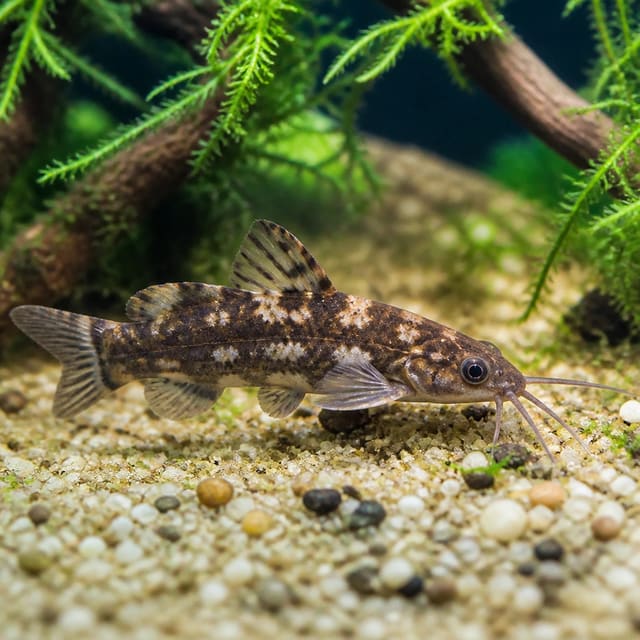
Dwarf Marbled Catfish (Microglanis poecilus)
22–27°C · pH 6–8
£8.09£8.99
A bizarre, sand-burying nocturnal catfish with a frog-like head and ambush-predator behavior, best kept by experienced aquarists. Difficult care, semi-aggressive. 22-28C, pH 6.0-7.5.
Adult size is the maximum length this species reaches at full maturity (scientific sources). The livestock you receive will be younger and smaller — pick a size above for the actual shipping size. Product-photo provenance and any image-specific limitations are stated on the listing.
Chaca chaca
Confirm your email, then we’ll send an availability message for this exact item if it returns within 180 days.
This request is only for this product—no newsletter or other promotions. A mail-provider retry may very rarely duplicate the same availability message. Unconfirmed addresses are removed after 48 hours. See our privacy policy.
A bizarre, sand-burying nocturnal catfish with a frog-like head and ambush-predator behavior, best kept by experienced aquarists. Difficult care, semi-aggressive. 22-28C, pH 6.0-7.5.
Adult size is the maximum length this species reaches at full maturity (scientific sources). The livestock you receive will be younger and smaller — pick a size above for the actual shipping size. Product-photo provenance and any image-specific limitations are stated on the listing.
Maintain these water conditions for optimal health and vibrant colors
The freshwater fish uk species Chaca chaca, commonly known as the frogmouth catfish, warty catfish, or Asian frogmouth catfish, is a bizarre, sand-burying ambush catfish native to the Ganges-Brahmaputra River system of India and the Ayeyarwady River of Myanmar. With an adult size reaching up to 20 cm, this impressive predator requires a spacious aquarium, expert-level care, and a specialized setup. Available for sale UK from Tropical Fish Co, Chaca chaca is prized for its unique appearance—featuring a frog-like, flattened head and warty, camouflaged skin—and fascinating nocturnal hunting behavior. This rare freshwater fish UK is ideal for experienced buy tropical fish UK enthusiasts seeking a challenging, rewarding oddball fish for sale UK centerpiece for species-only setups.
Chaca chaca displays a broad, flattened, frog-like head with an enormous, cavernous mouth and small, dorsally positioned eyes. The body is short, stocky, and covered in rough, warty skin with numerous fleshy protrusions (papillae) that provide excellent camouflage against sandy or muddy substrates. The base color is typically mottled brown, grey, or olive with darker patches. The pectoral fins are large and fan-like, and the barbels around the mouth are short and fleshy. Healthy specimens show clear eyes, intact skin, and a robust, well-fed body. Their cryptic coloration and bizarre appearance make them one of the most unusual freshwater catfish available, earning them the "frogmouth catfish" common name.
In the wild, Chaca chaca inhabits slow-moving rivers, canals, and ponds across India and Myanmar, especially in grassland, scrubland, deciduous forest, and rainforest habitats. The natural environment features warm, slightly acidic to neutral water with soft, sandy or muddy substrates that allow easy burying. These fish are bottom-dwellers that bury themselves completely in the substrate with only their eyes and mouth visible, lying in wait to ambush passing prey. Natural conditions include subdued lighting, calm water flow, and plenty of organic matter and debris for camouflage. Replicating these conditions in captivity—especially a deep, soft substrate—is essential for long-term health and natural behavior.
A minimum 150-litre aquarium is essential for Chaca chaca, with larger tanks strongly recommended for long-term health and growth. Use a deep layer (at least 5-7 cm) of soft, fine sand substrate to allow natural burying behavior. Provide some hiding places using smooth driftwood, PVC tubes, and caves, though the fish will spend most of its time buried. Gentle filtration with minimal water flow is essential, as these fish do not appreciate strong currents. A tightly fitted lid is recommended, as they may attempt to escape. Subdued lighting is essential—bright lights stress the fish and prevent natural behavior. The tank should be calm, dimly lit, and have plenty of open substrate space for burying and hunting.
Frogmouth catfish thrive in water with a pH of 6.0-7.5 and temperatures between 20-26°C. Maintain excellent water quality with regular partial water changes of 25-30% weekly, keeping ammonia and nitrite at zero and nitrate below 20 ppm. Soft to moderately hard water is preferred, replicating natural Indian and Myanmar river conditions. Use a reliable heater and thermometer to maintain stable conditions. Ensure gentle filtration and good oxygenation, avoiding strong surface agitation or water flow. Stable, clean water conditions are critical for long-term health, though this species is surprisingly tolerant of suboptimal conditions. Regular maintenance prevents stress and disease in these specialized predatory fish for sale UK.
Chaca chaca is a carnivore and specialized ambush predator that requires live or frozen meaty foods. Offer earthworms, bloodworms, insect larvae, shrimp, and small fish as staple foods. Many specimens refuse prepared foods initially but may accept carnivore pellets or wafers once acclimated—target feeding using tongs or a feeding pipette near the buried fish's mouth can help. Feed after dark (lights off) 2-3 times per week, as these fish are most active at night. Avoid overfeeding, which can degrade water quality and lead to obesity. A varied, protein-rich frogmouth catfish diet supports healthy growth, robust immune function, and satisfies the fish's natural ambush-hunting instincts.
Chaca chaca is a highly specialized, nocturnal ambush predator that spends virtually all its time buried in the substrate with only its eyes and mouth visible. It lies motionless for hours or days, waiting for prey to approach, then strikes with lightning speed, inhaling prey into its massive mouth. They are solitary, sedentary, and rarely move except to adjust position or change hunting spots. Despite their fearsome predatory behavior, they are non-aggressive toward tankmates too large to swallow and are easily stressed by bright light, frequent disturbances, or aggressive tankmates. Their cryptic, patient hunting behavior and bizarre appearance make them fascinating but challenging subjects for observation and study.
Chaca chaca is best kept alone or with large, calm, non-nippy fish that will not fit in its mouth, such as robust bottom-dwellers of similar size or peaceful medium-to-large community fish kept in a suitably large aquarium. Avoid small fish, shrimp and other small invertebrates, fin-nipping species, aggressive territorial fish, and any tankmate small enough to be swallowed. Multiple Chaca chaca should not be kept together unless the tank is very large (300+ litres) with ample space and hiding spots. Many aquarists prefer species-only setups to allow the fish to display natural behavior without stress or competition. Their specialized care and predatory nature make them unsuitable for typical frogmouth catfish for sale community setups.
Chaca chaca breeding is not well documented in aquaria and is seldom achieved. Little reliable information is available on spawning conditions or parental care in captivity. If breeding is attempted, provide a very large tank, excellent water quality, soft substrate, hiding places, and a varied, protein-rich diet to condition potential breeding pairs. Seasonal cues such as cooler water changes or increased water flow may trigger spawning. Fry, if produced, would require very fine live foods such as infusoria or microworms initially, progressing to larger live foods as they grow. Breeding attempts should only be undertaken by experienced aquarists with appropriate facilities, specialized knowledge, and patience.
Tropical Fish Co is your trusted source for healthy, well-acclimatized frogmouth catfish for sale species, including the bizarre Chaca chaca. Each fish is quarantined, health-checked, and carefully acclimatized before dispatch, ensuring you receive robust, disease-free specimens ready to thrive in your specialized aquarium. Our expert team provides personalized care advice, aquarium setup guidance, and ongoing support to help you succeed with these challenging but rewarding buy chaca chaca online uk. With secure packaging, tracked UK delivery across the UK, and a commitment to responsible sourcing, Tropical Fish Co is the best place to buy tropical fish UK online. Whether you're an advanced aquarist seeking a unique ambush predator or building an oddball species tank, our Asian frogmouth catfish deliver both intrigue and challenge.
No reviews for this item yet. Bought one? Honest reviews only, good or bad.
What customers say about ordering from us
Easy website plenty of info on fish your buying great to pick a time slot
TRACEY DURRANT · 7 Oct 2026
Got some lovely fish thank you
Kevin Mackie · 7 Oct 2026
Reviews of our shop, collected by Judge.me, an independent third-party review collector. Newest first.