Advanced
Duboisi, White-Spotted Cichlid (Tropheus duboisi)
23–27°C · pH 8–8.6 · 110L
From £17.39Some sizes on sale
A striking Lake Tanganyika cichlid with bold personality and demanding care needs, ideal for experienced aquarists. Difficult care, semi-aggressive. 24-26C, pH 7.5-8.5.
Adult size is the maximum length this species reaches at full maturity (scientific sources). The livestock you receive will be younger and smaller. Product-photo provenance and any image-specific limitations are stated on the listing.
Tropheus anectens
Shoaling fish: kept in a group they feel safer, stay calmer and show their best colour.
Confirm your email, then we’ll send an availability message for this exact item if it returns within 180 days.
This request is only for this product—no newsletter or other promotions. A mail-provider retry may very rarely duplicate the same availability message. Unconfirmed addresses are removed after 48 hours. See our privacy policy.
A striking Lake Tanganyika cichlid with bold personality and demanding care needs, ideal for experienced aquarists. Difficult care, semi-aggressive. 24-26C, pH 7.5-8.5.
Adult size is the maximum length this species reaches at full maturity (scientific sources). The livestock you receive will be younger and smaller. Product-photo provenance and any image-specific limitations are stated on the listing.
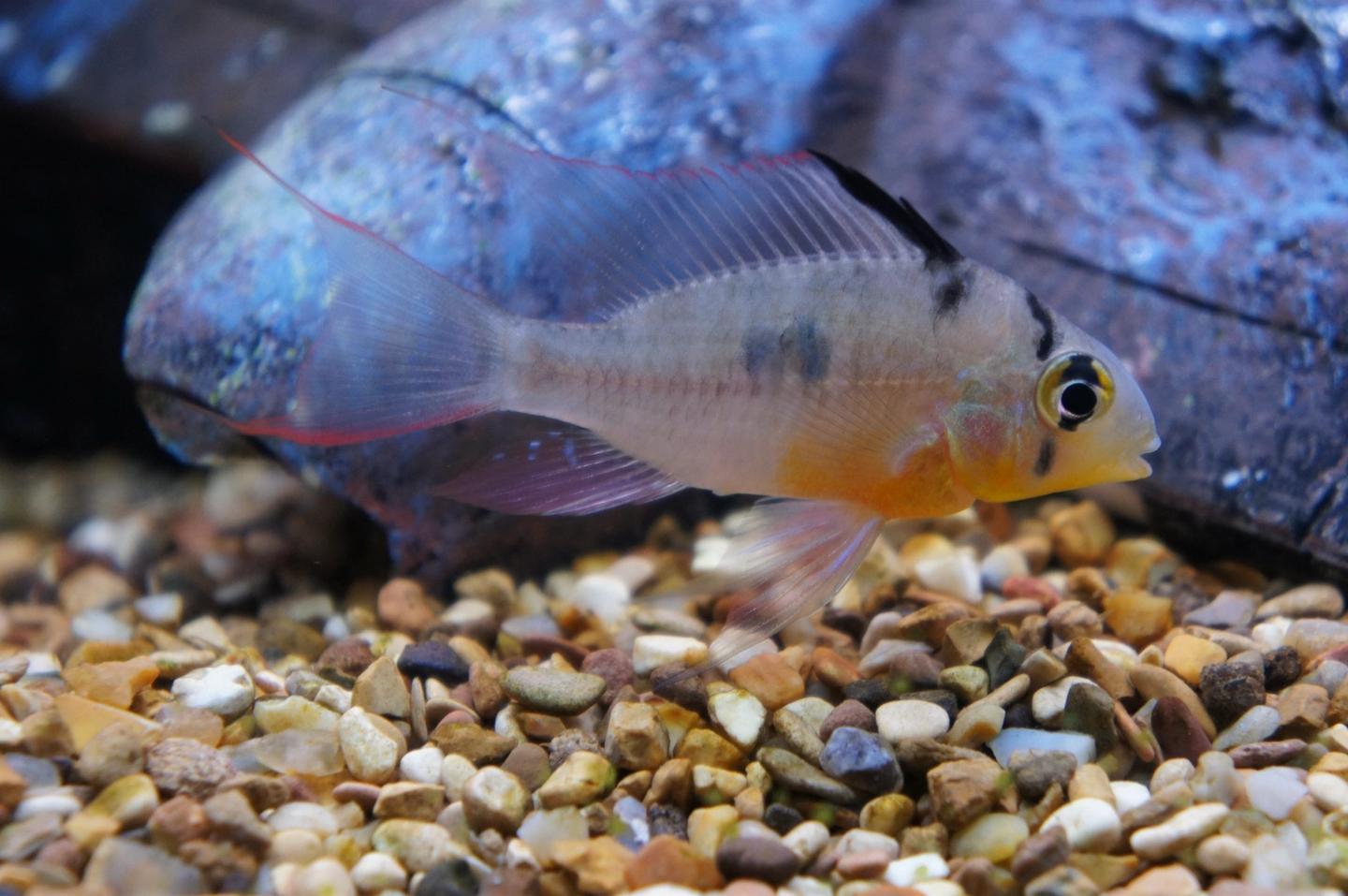
Cichlids are a family of roughly 1,800 accepted species, not one care type. Before buying, identify the exact species and source, then compare adult measurement, usable tank dimensions, social system, territory, tested water, diet and an exit plan. No family-wide minimum tank, water range or tank-mate list is safe.
Maintain these water conditions for optimal health and vibrant colors
The Tropheus anectens, sometimes labeled as Tropheus anectemus or Tropheus polli in the aquarium trade, represents one of Lake Tanganyika's most challenging yet rewarding cichlid groups. This difficult species exemplifies the remarkable evolutionary diversity of Africa's ancient rift lakes, where specialized feeding biology and complex social behaviors have developed over millions of years. Now available as freshwater fish for sale UK with expert support, these striking Tanganyikan specialists bring bold personality and fascinating group dynamics to properly prepared aquariums. Whether establishing a dedicated Tropheus biotope or advancing into expert-level African cichlid keeping, this species rewards experienced aquarists with remarkable coloration and authentic lake character. As Lake Tanganyika cichlids go, Tropheus rank among the most demanding, requiring precision in setup, maintenance, and species identification—making this a true specialist's fish.
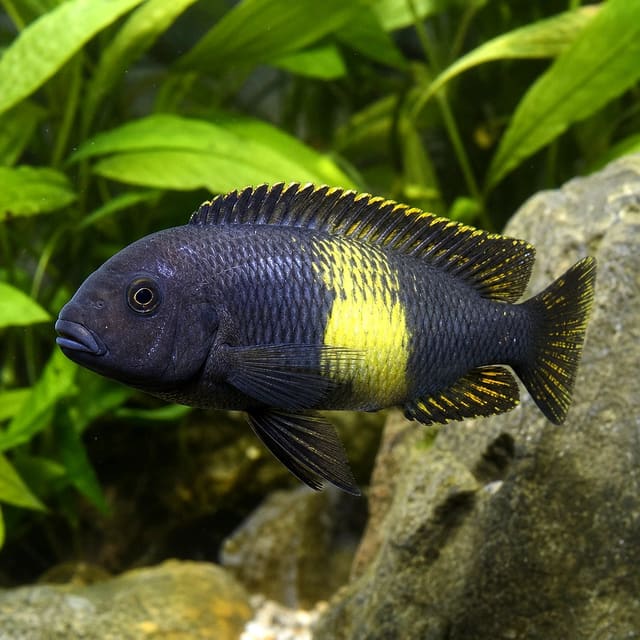
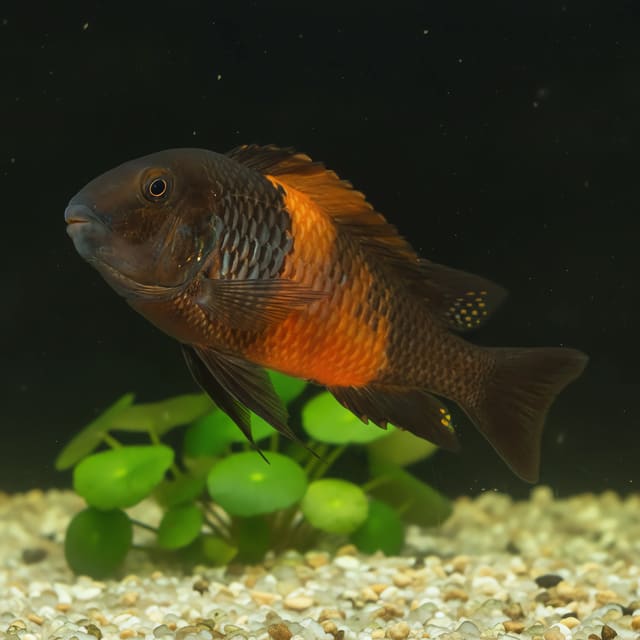
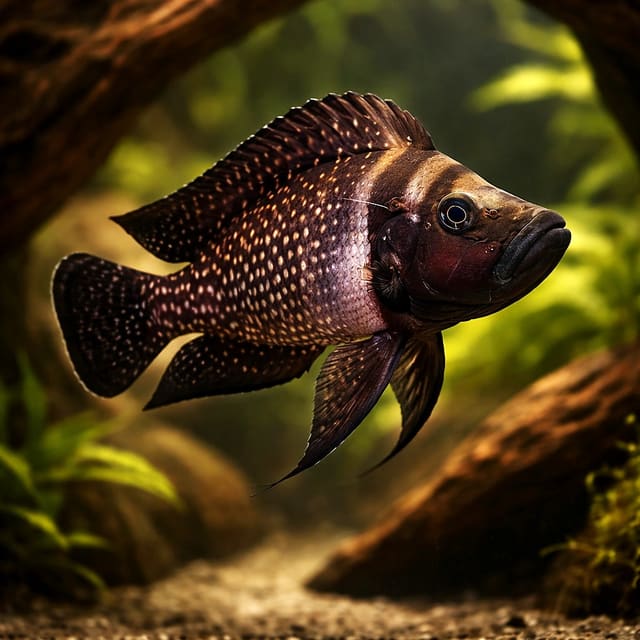
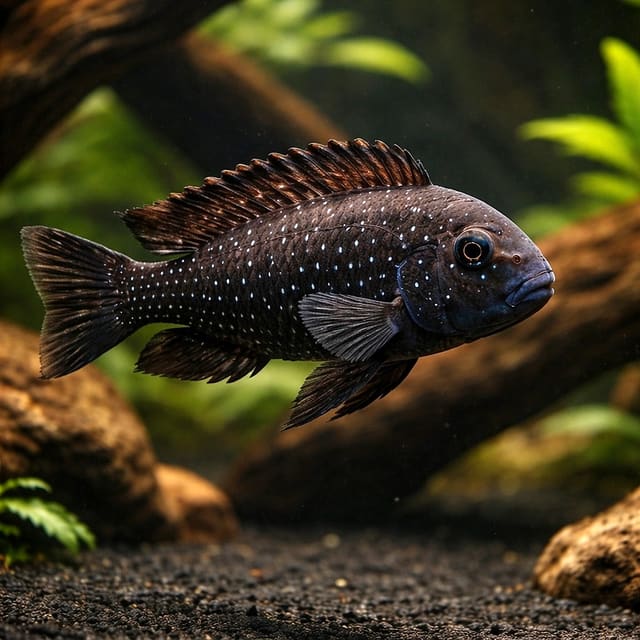
Tropheus species display robust, deep-bodied builds with blunt heads and large eyes characteristic of the genus. Coloration varies dramatically between Tropheus species and even between geographic variants within species, creating significant identification challenges. The exact appearance depends on the specific identity, which remains uncertain given the trade names used. Generally, Tropheus display solid color morphs or bold patterns combining dark bases with contrasting bands or blotches. The compact adult size of approximately 4cm is notably small for Tropheus—most species reach 10-15cm, suggesting either juvenile specimens or potential misidentification. Sexual dimorphism is subtle with males typically showing slightly more intense coloration and marginally larger ventral fins. The body shape remains laterally compressed with a pronounced forehead profile, particularly in dominant individuals. Finnage is well-proportioned with strong spines in dorsal and anal fins. The specialized mouth structure features multiple rows of teeth adapted for algae scraping—a key identifying feature of the genus.
Endemic to Lake Tanganyika, Tropheus species inhabit rocky littoral zones throughout much of the lake's shoreline with different species and color variants occupying specific geographic localities. The natural environment features extensive rock formations creating complex vertical habitat with caves, overhangs, and algae-covered surfaces. Water conditions maintain exceptional stability with hard, highly alkaline chemistry and remarkable clarity. Rocky substrates extend from shoreline to depths of 5-20 meters where Tropheus form large aggregations, with hundreds of individuals grazing algae in coordinated movements. The lake's stable chemistry and high mineral content support abundant aufwuchs—the algae-microorganism complex that forms the dietary foundation for these specialized grazers. Wild populations demonstrate strong site fidelity with limited movement between rocky areas. This highly specialized habitat—combining extreme water chemistry, structural complexity, and specific feeding biology—creates demanding requirements that must be met precisely for successful long-term aquarium maintenance.
A minimum of 50 litres is listed but should be considered absolute minimum for the smallest juvenile groups—mature Tropheus colonies typically require 200+ litres given their aggressive social dynamics. The aquarium must be structured as a Tanganyika rocky biotope with extensive rockwork creating multiple territories, caves, and grazing surfaces. Arrange rocks from substrate to near water surface, leaving some open swimming areas but prioritizing complex structure. Use coral sand or crushed coral substrate naturally buffering pH into the alkaline range. Lighting should be moderate to bright supporting natural algae growth which supplements diet. Filtration must be exceptional with very high oxygenation—aim for 10-12 times tank volume turnover hourly given the specialized oxygen requirements Tropheus evolved in wave-washed rocky habitats. Water quality standards are extremely strict as Tropheus prove highly sensitive to nitrate accumulation and parameter instability. Perform generous weekly water changes of 30-40% minimum using remineralized water maintaining exact chemistry. The most critical setup element involves maintaining stable groups—Tropheus kept singly or in pairs exhibit extreme aggression. Groups of 12+ specimens are strongly recommended to distribute aggression across the social hierarchy.
Tropheus are obligate herbivores with elongated intestinal tracts specialized for processing vegetable matter—protein-heavy diets cause potentially fatal digestive complications. The dietary foundation must consist of high-quality spirulina-based foods, vegetable matter pellets, and herbivorous cichlid formulas. Supplement extensively with blanched vegetables including spinach, courgette, nori seaweed, and lettuce. Encourage natural grazing on algae growth within the aquarium—this provides essential fiber and behavioral enrichment. Feed small portions 3-4 times daily rather than large meals, mimicking constant grazing behavior exhibited in nature. Animal protein should be avoided entirely or limited to absolutely minimal amounts—even occasional meaty foods contribute to bloat syndrome to which Tropheus are particularly susceptible. Never feed mammalian proteins, bloodworms in quantity, or fatty foods. The species exhibits constant grazing behavior with minimal rest periods, and this feeding pattern should be accommodated through frequent small meals and available algae. Water quality becomes critical during feeding as uneaten vegetable matter quickly degrades—remove excess food and maintain excellent filtration.
Tropheus exhibit semi-aggressive to aggressive temperament with complex social hierarchies and intense territorial behavior. In nature, they form large aggregations, and this group-living strategy must be replicated in aquariums for successful maintenance. Dominance hierarchies form quickly with alpha individuals controlling prime grazing territories and breeding sites. Aggression manifests through displays, chase sequences, and physical confrontation, which can prove fatal in undersized groups where subdominant individuals cannot escape. The species demonstrates constant activity with little rest, continuously grazing and defending territories. Males display to females through color intensification and ritualized movements, though breeding behavior can trigger dangerous aggression spikes. The species shows intelligence with territory recognition, social hierarchy awareness, and learned behaviors. Critically, Tropheus kept in groups smaller than 10-12 specimens exhibit dramatically increased aggression, with dominant fish relentlessly harassing subordinates leading to stress, injury, and death. This social requirement makes Tropheus fundamentally different from most aquarium fish and represents the primary reason for their difficulty.
Tank mate selection for Tropheus proves extremely challenging given their specialized requirements and aggressive nature. Many experts recommend species-only setups as the safest approach, particularly until the exact species identity is confirmed. If combining with other fish, consider only robust Lake Tanganyika species that tolerate identical water chemistry and can withstand potential aggression. Appropriate Synodontis catfish from Tanganyika may work in very large aquariums if properly sized. Avoid all small fish which face harassment or predation. Soft-water community species cannot survive the required extreme alkalinity. Peaceful species suffer constant stress from Tropheus aggression. Even other Tanganyikan cichlids face potential problems as Tropheus can prove surprisingly aggressive despite smaller size. Highly aggressive species like certain territorial Neolamprologus can trigger conflicts. The nutritional requirements create additional compatibility challenges—any tank mates must accept vegetable-based diets or feeding logistics become problematic. Protein-feeding fish risk dietary overlap causing Tropheus to consume inappropriate foods. The safest approach involves dedicated Tropheus species tanks where all parameters and care can be optimized for this demanding genus.
Tropheus are maternal mouthbrooders with breeding behavior typical of their genus. Males establish territories and display to attract females through color intensification and ritualized movements. Spawning typically occurs on flat rocks or substrate within the male's territory. Females collect eggs immediately into the mouth with fertilization occurring through the egg-dummy method typical of mouthbrooding cichlids. Clutch sizes are relatively small compared to other African cichlids, typically 5-15 eggs depending on female size. The female incubates eggs for approximately 4 weeks without feeding—an extended period during which she faces potential harassment from tank mates if group dynamics are unstable. Fry emerge as well-developed juveniles capable of accepting spirulina-based fry foods and finely powdered vegetable matter. In properly maintained Tropheus colonies, females can breed every 6-8 weeks, though the extended mouthbrooding period and small clutch sizes mean reproduction is less prolific than many cichlids. Breeding requires absolutely stable water chemistry, well-structured groups preventing harassment of mouthbrooding females, and optimal nutrition building female condition between spawnings. The specific breeding behavior may vary depending on the actual species identity.
Tropheus rank among the most demanding African cichlids with multiple serious health challenges. Bloat syndrome represents the primary killer—a digestive condition involving fluid accumulation and intestinal inflammation, often rapidly fatal despite treatment attempts. Prevention through strict vegetable-based diet and immaculate water quality far exceeds any treatment effectiveness. The species cannot tolerate copper-based medications, complicating parasite treatment. Aggressive social dynamics cause chronic stress in improperly maintained groups, leading to immune suppression and secondary infections. Nitrate sensitivity is extreme—levels tolerable for rock-dwelling Tanganyikan species prove harmful to Tropheus. Oxygen requirements are high given evolution in wave-washed rocky habitats—poor oxygenation causes respiratory stress. Parameter instability of any kind triggers health problems quickly. The specialized digestive system means any protein-heavy foods risk serious complications. Uncertain species identification creates additional challenges as specific care requirements may vary between Tropheus species. This fish should only be attempted by expert aquarists with proven success maintaining demanding Tanganyikan species, comprehensive understanding of Tropheus-specific requirements, and ability to provide the large groups, specialized diet, and precision maintenance this genus demands. Beginners should gain extensive experience with easier African cichlids before attempting Tropheus.
Tropical Fish Co specializes in authentic Lake Tanganyika cichlids with particular expertise in challenging species like Tropheus. We work exclusively with suppliers who understand proper Tropheus handling and maintenance, ensuring specimens arrive in optimal condition. Each fish undergoes extended quarantine with careful health monitoring and conditioning on appropriate vegetable-based diets before being offered to our expert clientele. We provide comprehensive consultation on Tropheus-specific requirements including group sizing, tank setup, feeding protocols, and the critical social dynamics that determine success or failure with this demanding genus. Our guidance helps you avoid the common fatal mistakes that have given Tropheus their reputation as one of aquarium keeping's greatest challenges. We offer honest assessment of whether Tropheus suits your experience level and will recommend building experience with easier species if appropriate. Our packaging employs advanced techniques for safe transport of aggressive, sensitive cichlids, with stress-reduction protocols ensuring excellent arrival condition. As specialist retailers serving serious African cichlid enthusiasts, we maintain ongoing relationships with customers, providing continued support as you navigate the complexities of Tropheus keeping. When you buy African cichlids UK from Tropical Fish Co, you receive not merely fish but access to specialist knowledge that can mean the difference between success and failure with demanding species. Our commitment to customer success and focus on expert-level species makes us the natural choice for advanced aquarists ready to tackle Lake Tanganyika's most challenging cichlids.
No reviews for this item yet. Bought one? Honest reviews only, good or bad.
What customers say about ordering from us
Easy website plenty of info on fish your buying great to pick a time slot
TRACEY DURRANT · 7 Oct 2026
Got some lovely fish thank you
Kevin Mackie · 7 Oct 2026
Reviews of our shop, collected by Judge.me, an independent third-party review collector. Newest first.